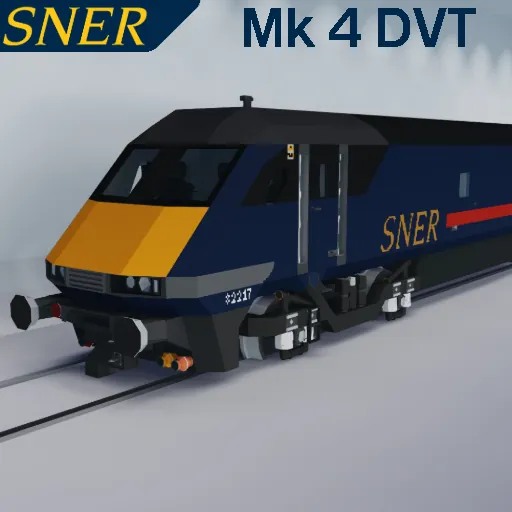
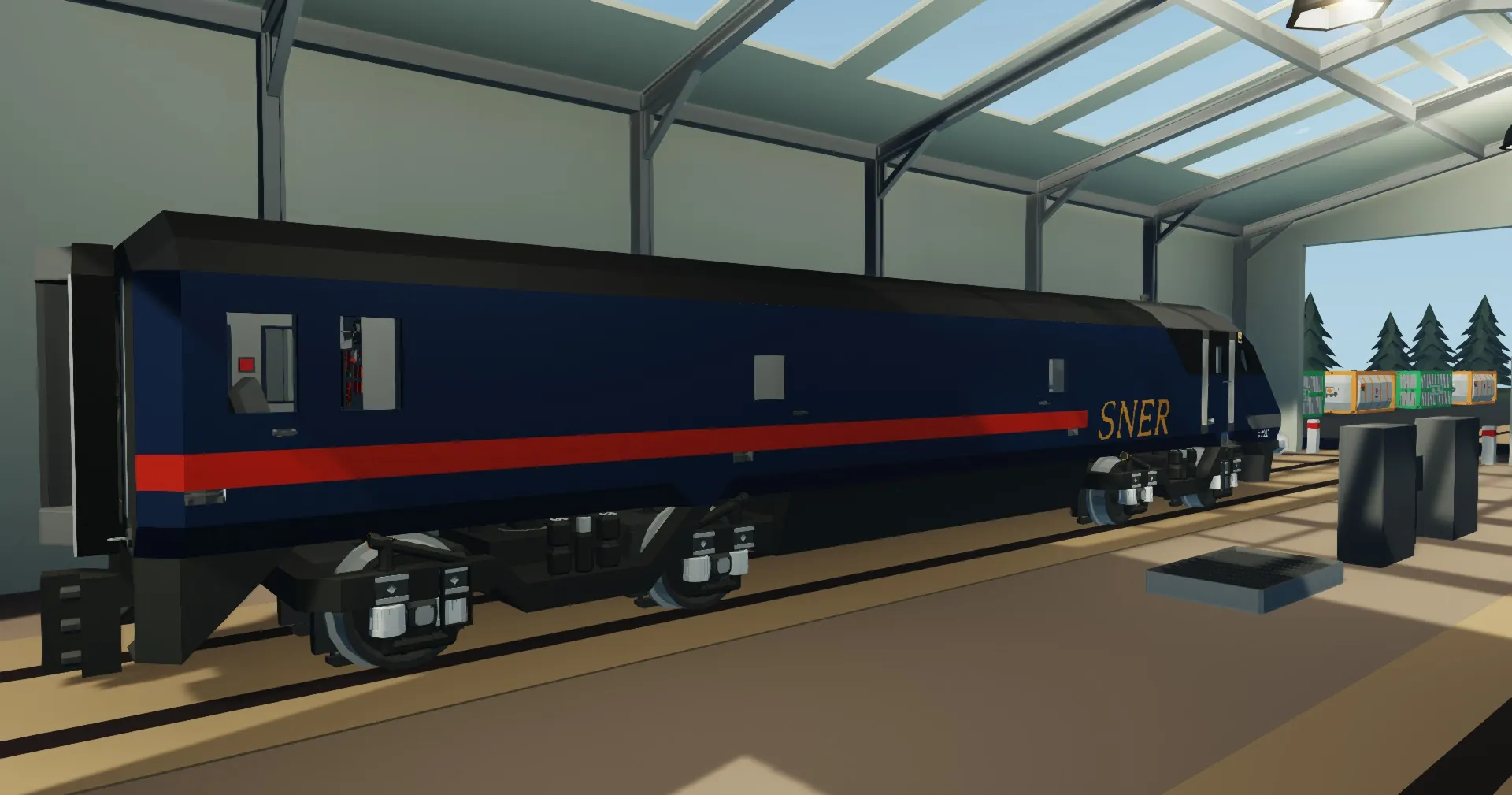
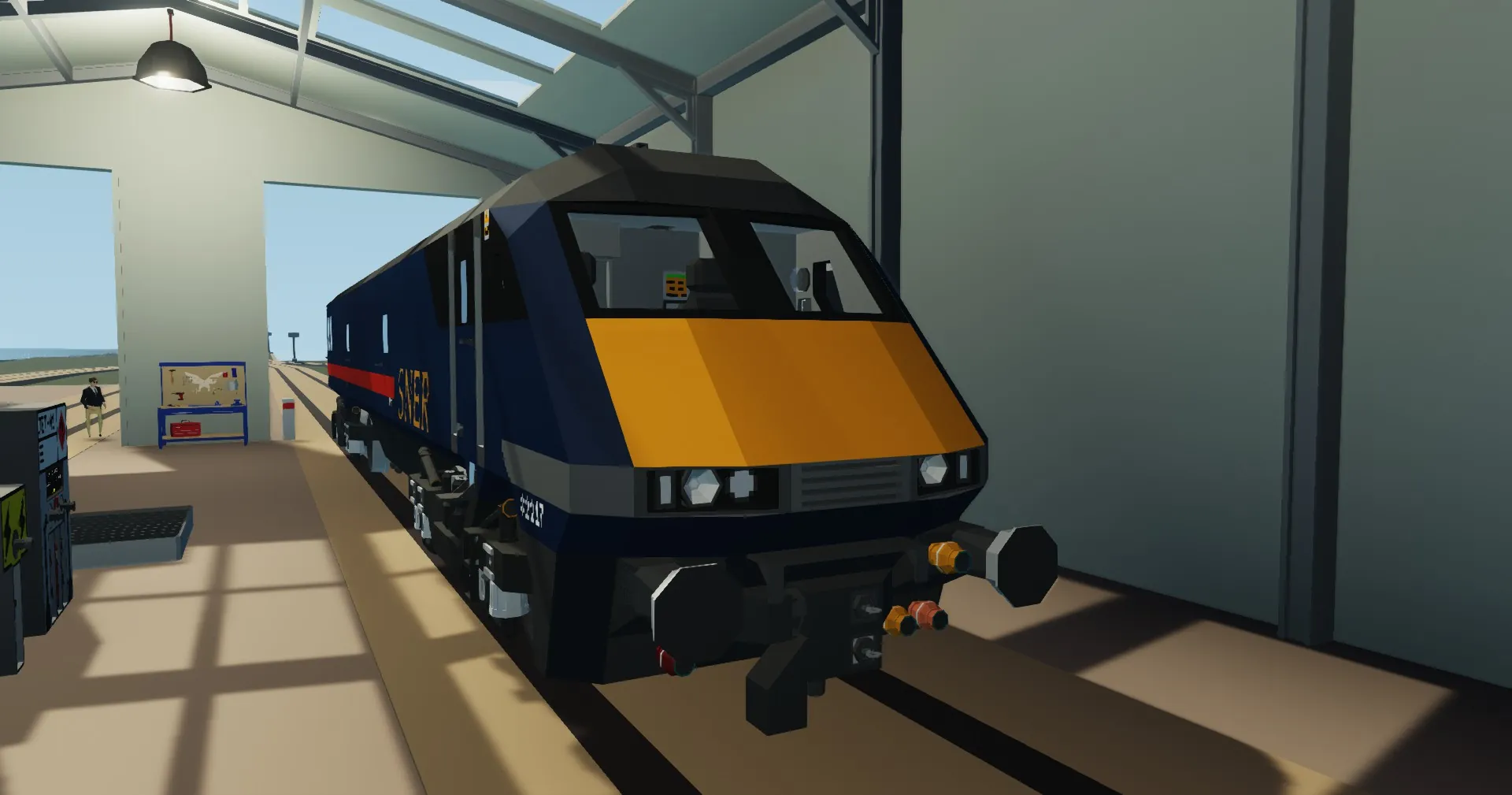
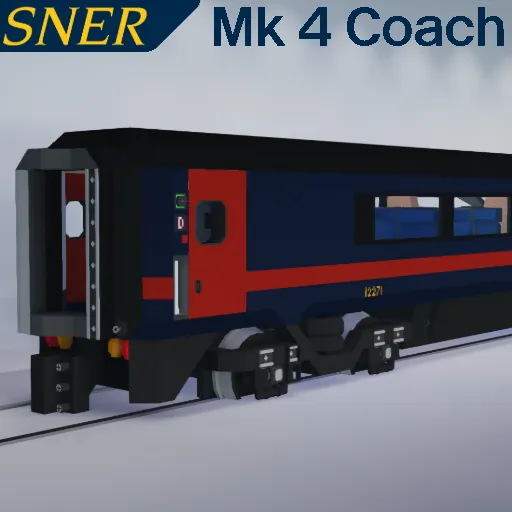
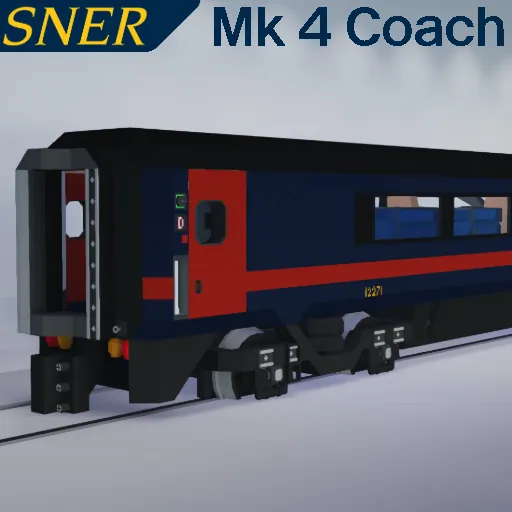
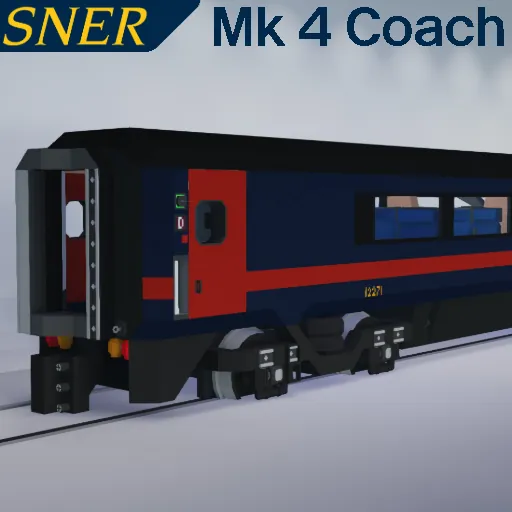
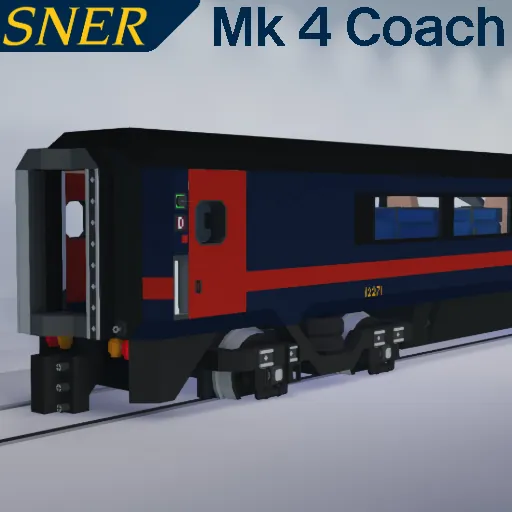
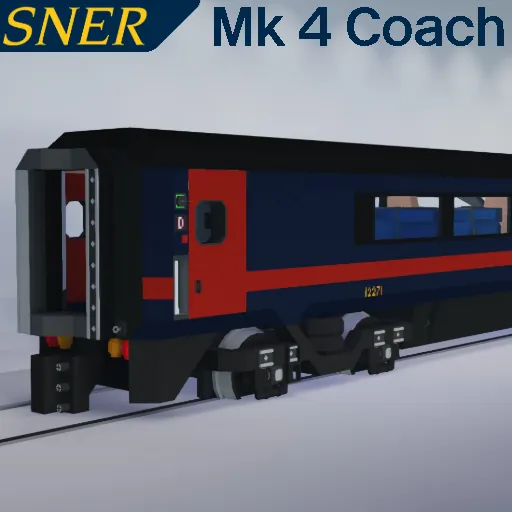
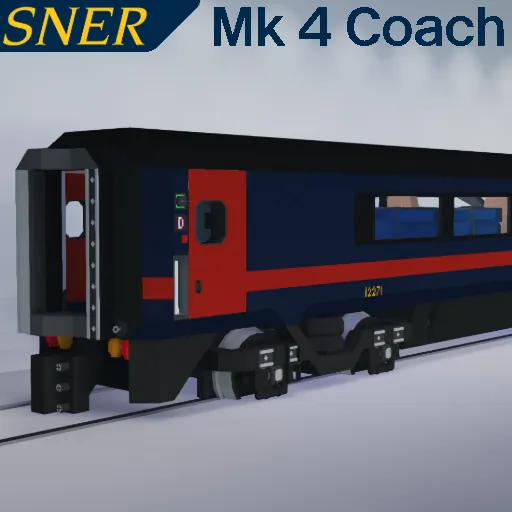
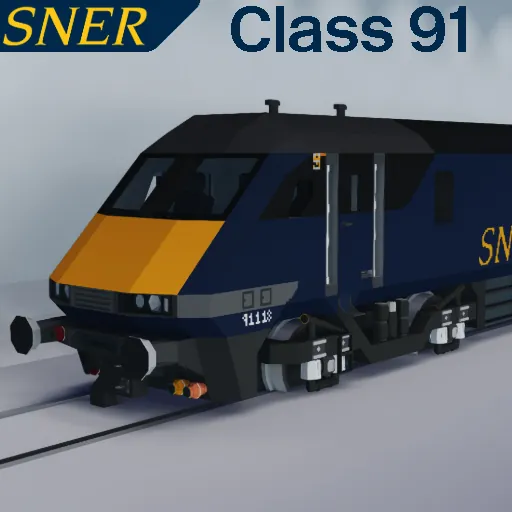
The Mark 4 Driving Van Trailer (DVT) was introduced between 1989 and 1992 as part of the InterCity 225 fleet for the East Coast Main Line (ECML) electrification project. Built by BREL at York Works, the DVT was designed to operate with Class 91 electric locomotives and Mark 4 coaches to create a high-speed push-pull train capable of up to 140 mph (225 km/h).
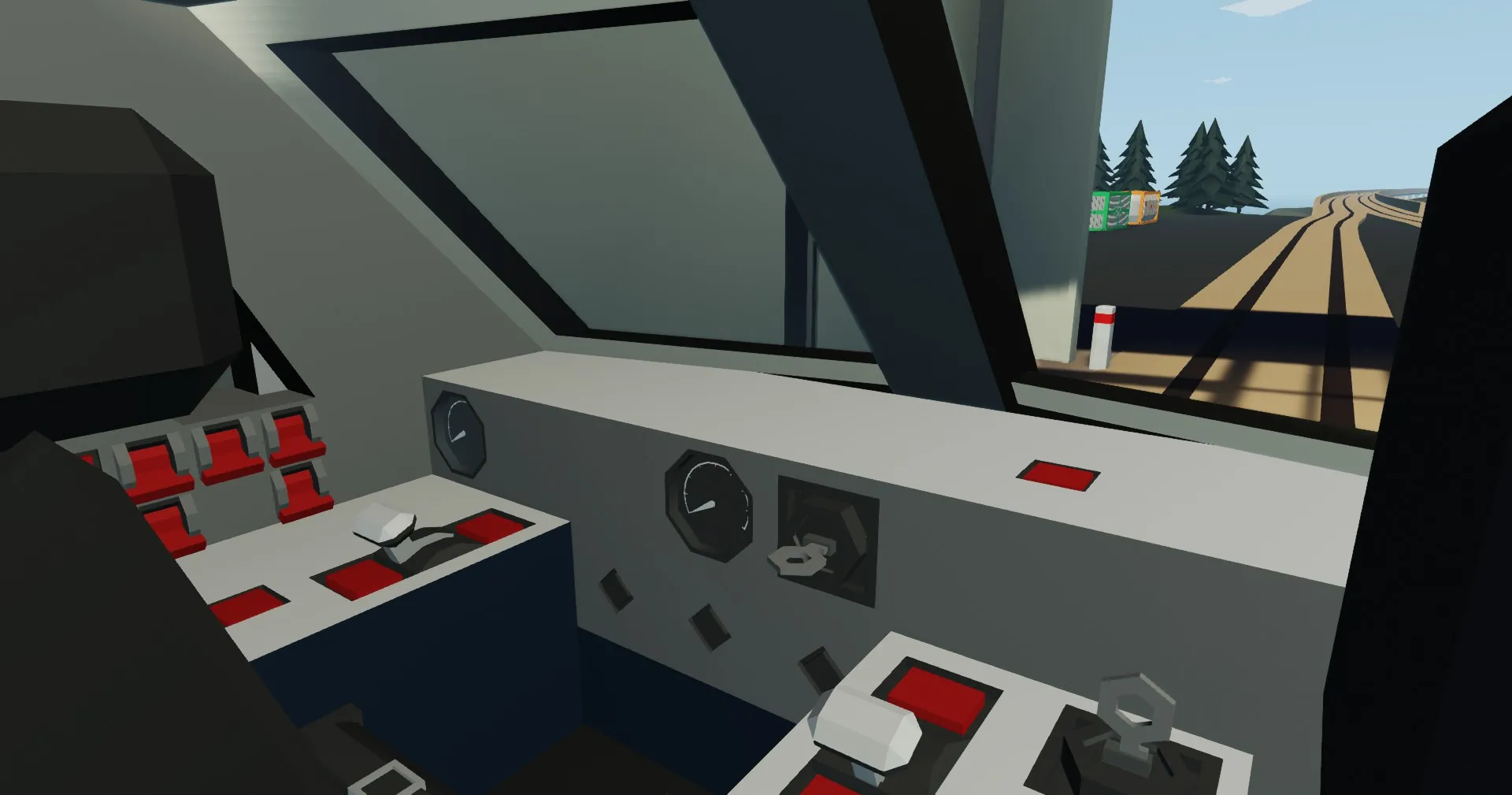
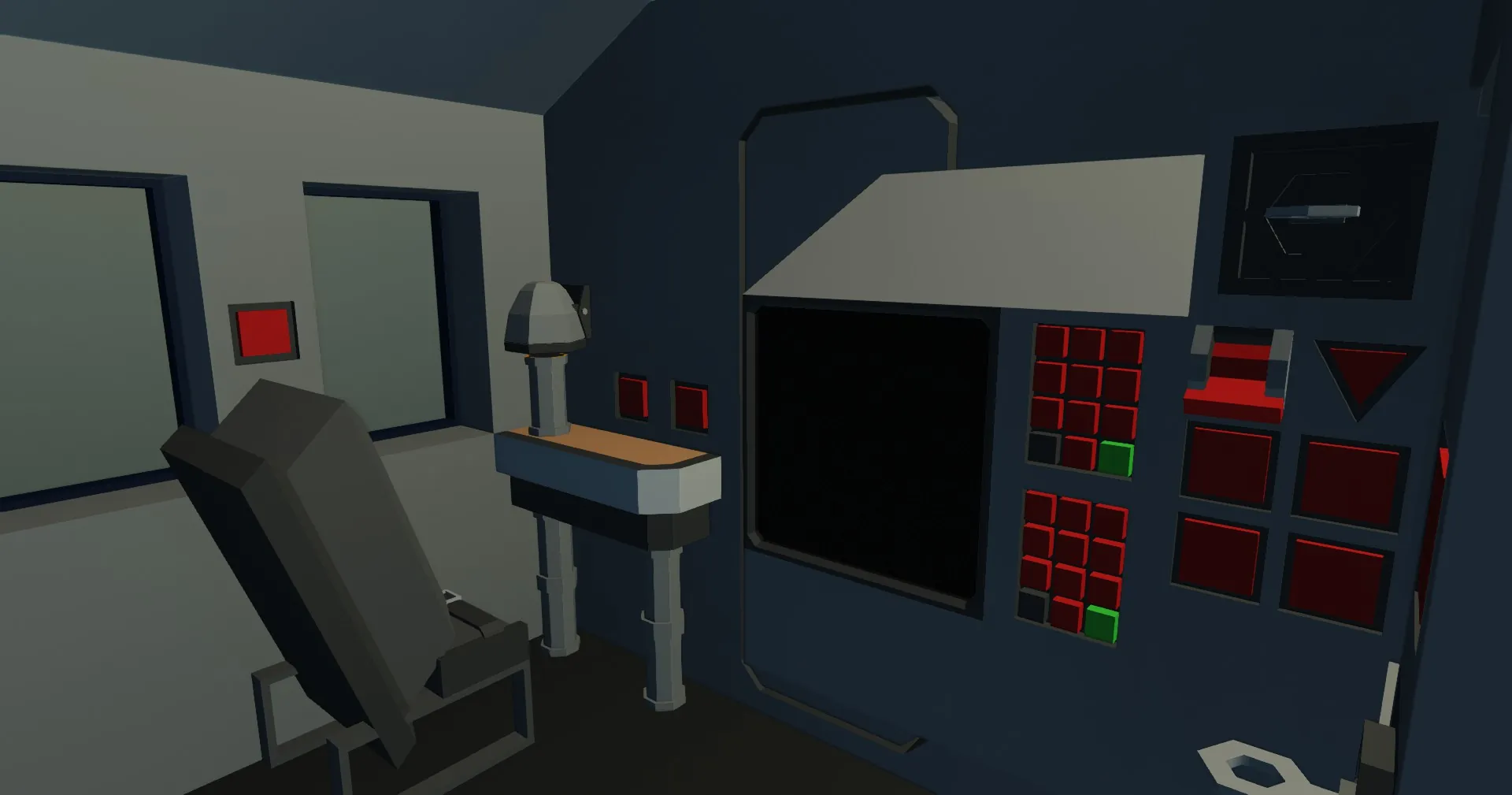
Although the DVT resembles a locomotive, it is an unpowered control car. It allows the driver to operate the train from the opposite end when the Class 91 is pushing, removing the need to run the locomotive around at terminal stations. This design provided both operational efficiency and improved turnaround times on busy intercity services.
The Mark 4 DVT features an aerodynamic cab profile matched to the Class 91, with a baggage compartment behind the cab. Communication between the DVT and the locomotive is handled through the Time-Division Multiplex (TDM) control system, which transmits commands and feedback along the train.
DVTs served with InterCity, GNER, National Express East Coast, East Coast, Virgin Trains East Coast, and London North Eastern Railway (LNER), remaining a distinctive feature of the InterCity 225 sets. Some units have since been transferred to Transport for Wales for use with refurbished Mark 4 coaches, while others have been stored or preserved.
The Mark 4 DVT stands as one of the most successful examples of a push-pull driving car in British railway history, combining efficiency, safety, and iconic styling.
{SPECIFICATIONS}
LENGTH: 77 Blocks
WIDTH: 11 Blocks
HEIGHT:15 Blocks