LABORATORIO AERONAVALE del MONTE di BRIANZA - DIVISIONE FERROTRAMVIARIA
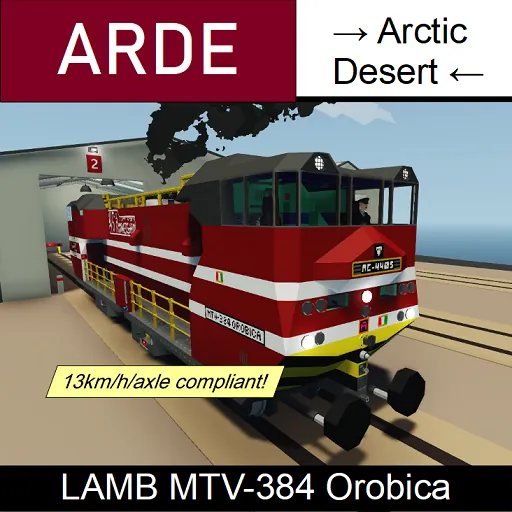
MOTRICE TURBOVAPORE (MTV) 384 "OROBICA"
Lore [Alistair, skip this if it's too long]
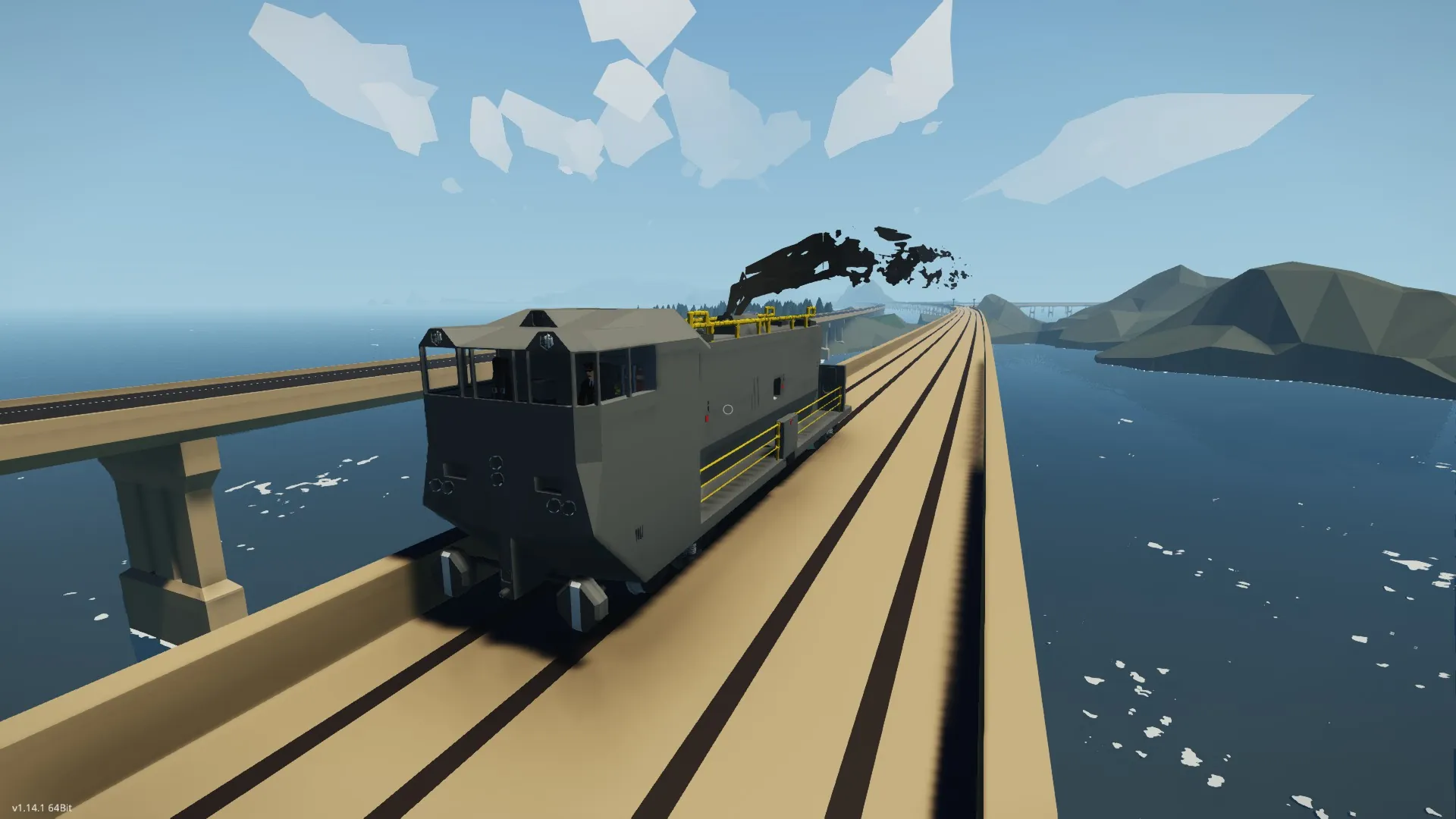
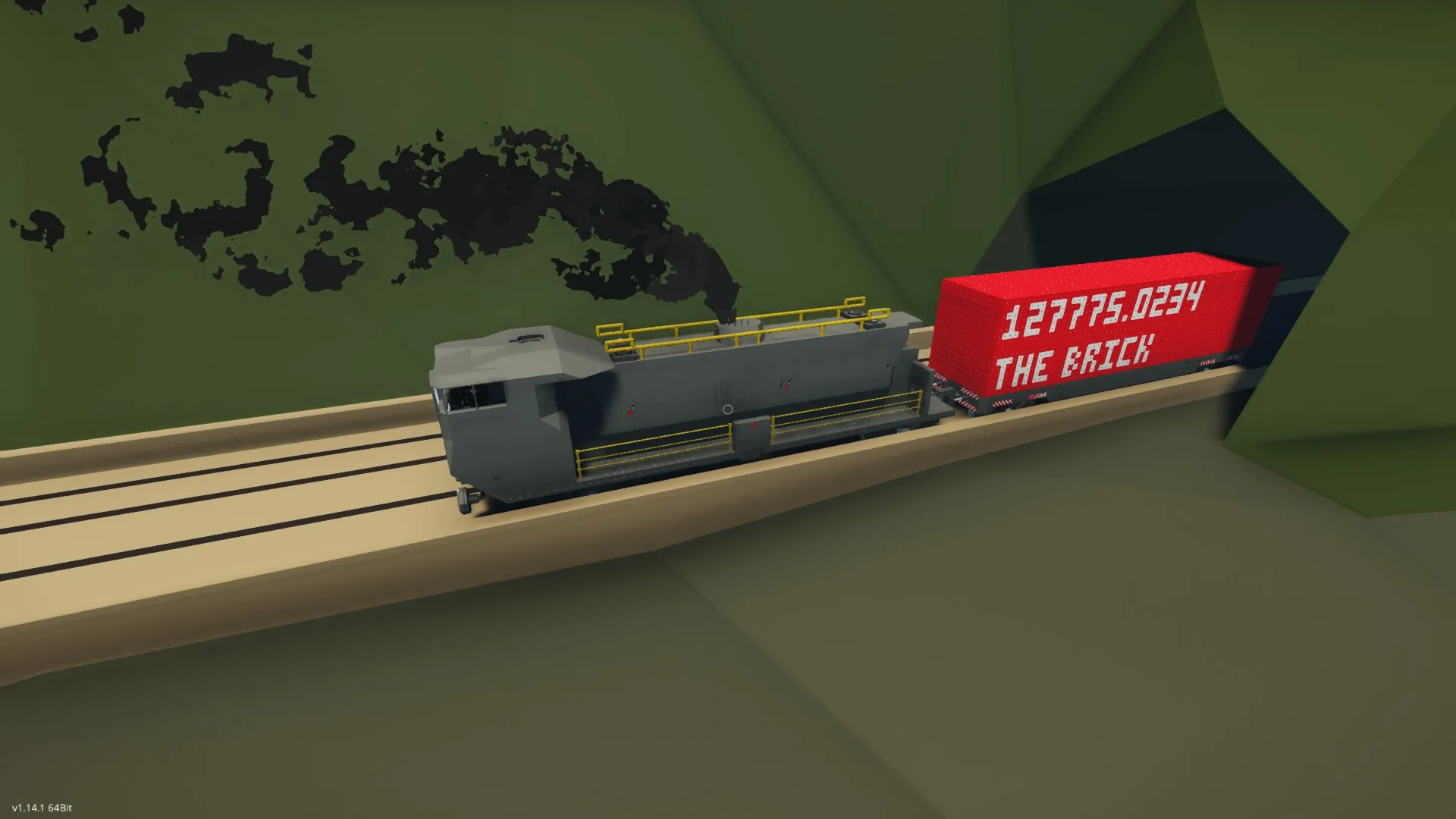
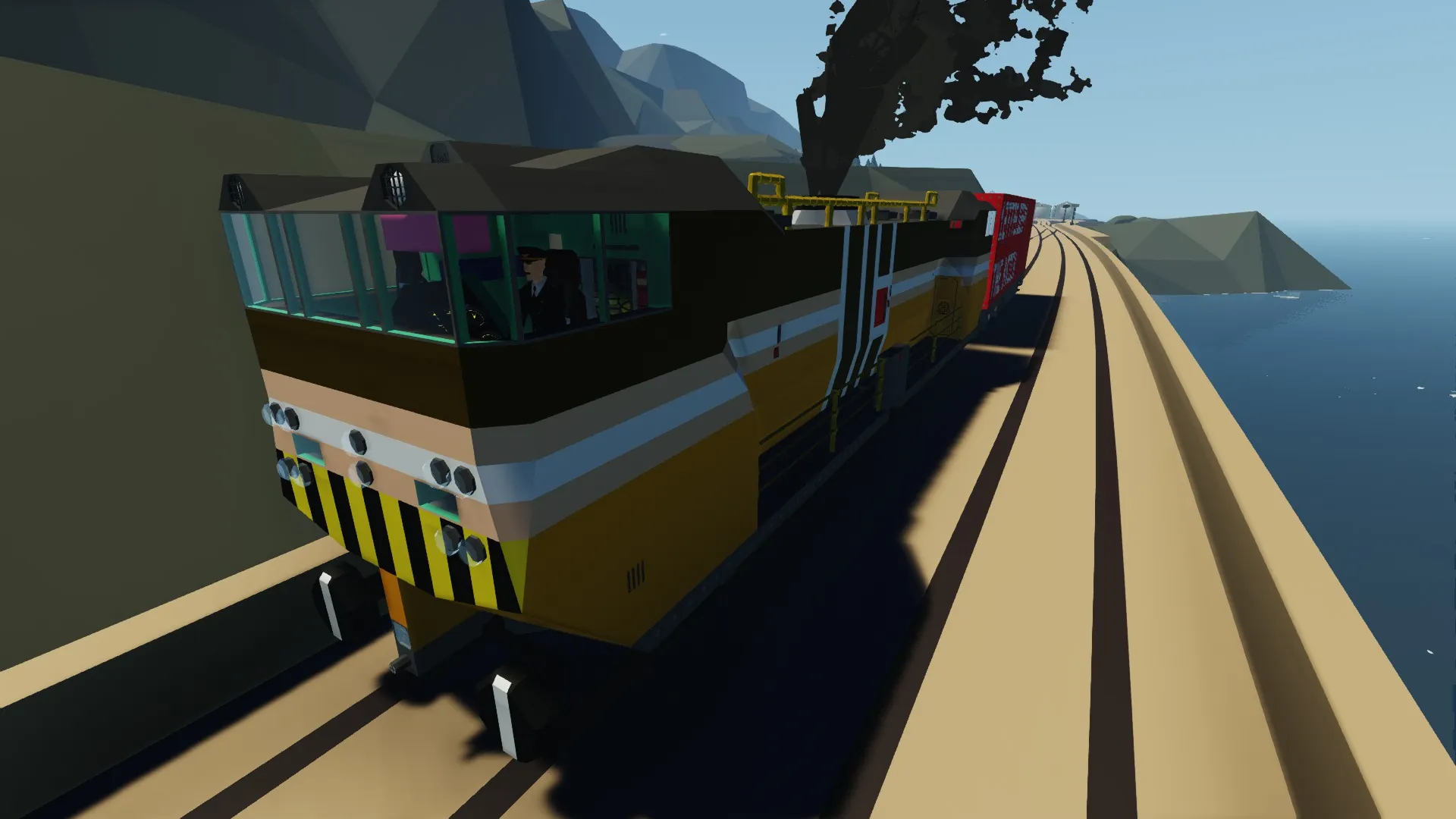
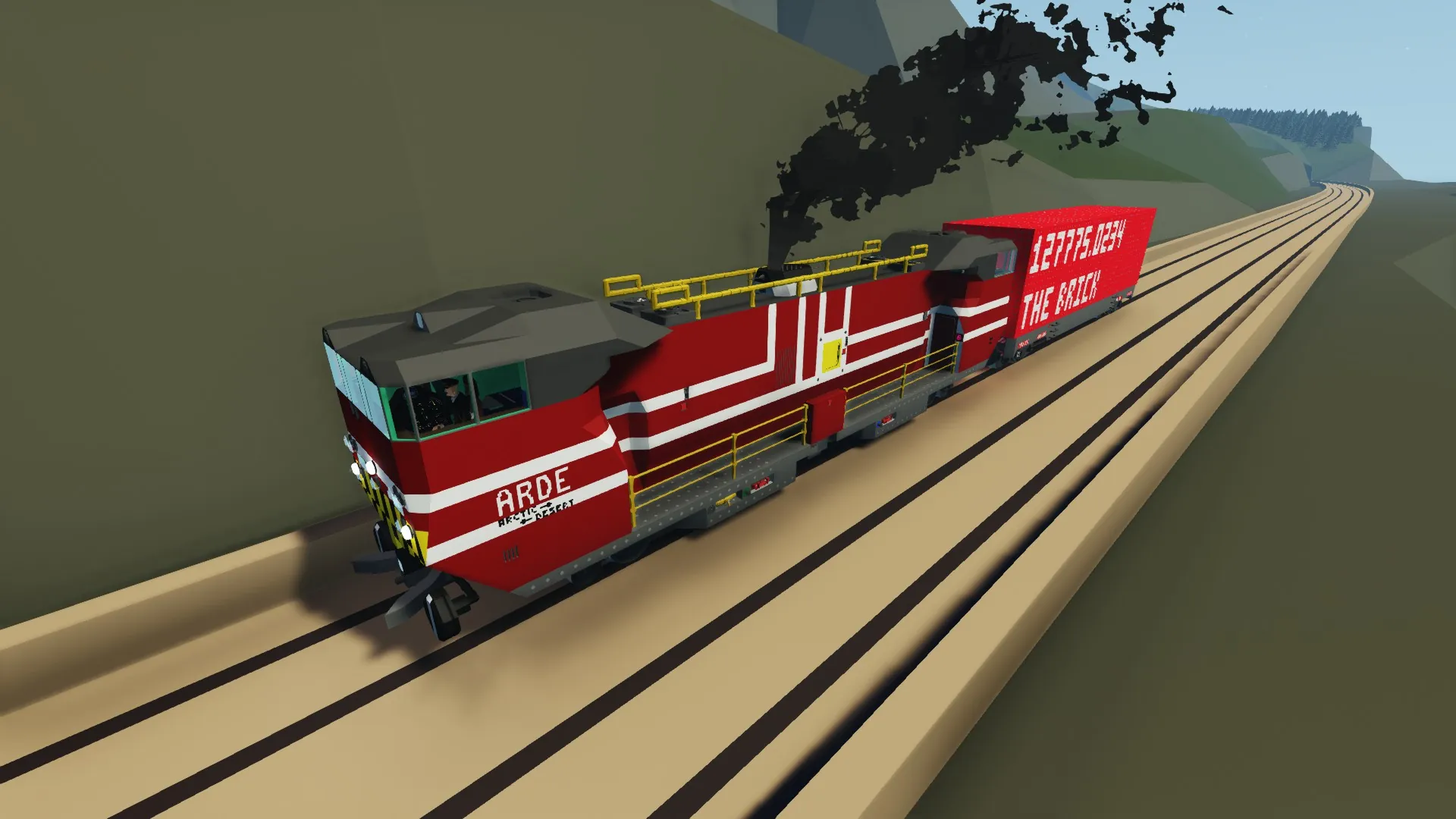
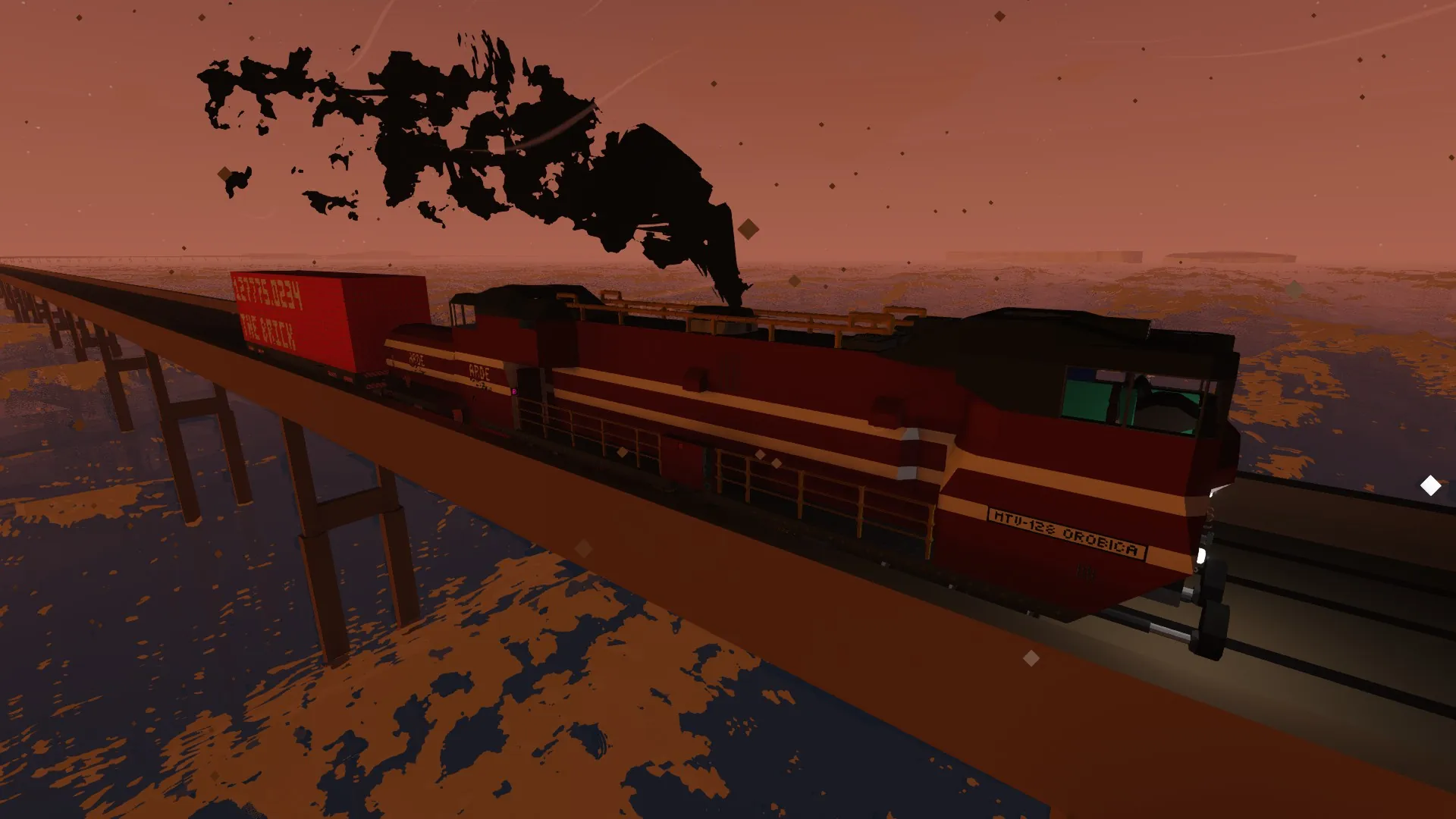
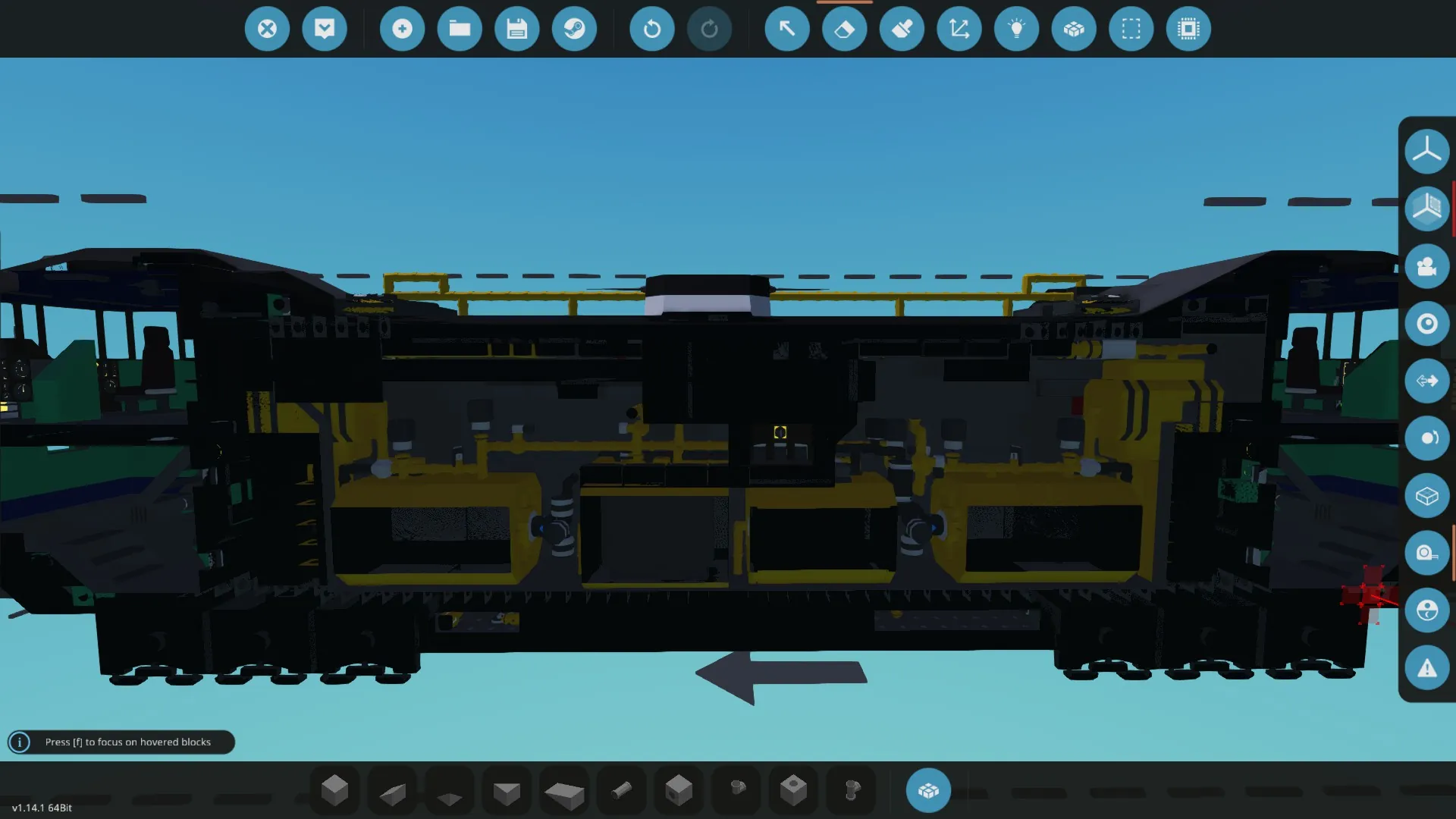
The MTV-384 (Turbo-Steam Engine) was a model of modern steam locomotive developed during the 70s, when the oil crisis hit Italy. The namesake of the class comes from the region of Italian Alps north of Bergamo. 384 stands for the maximum rated tractive effort in tonnes (3 "bricks")
As large as Italian infrastructures allowed it, it was initially designed to be coal fired, but due to numerous delays in construction, the crisis was over before the first frame was completed.
Since the majority of infrastructure provided diesel, LAMB swapped the boiler with an oil-fired version, and 10 locomotives were completed and added to the national rail transport service.
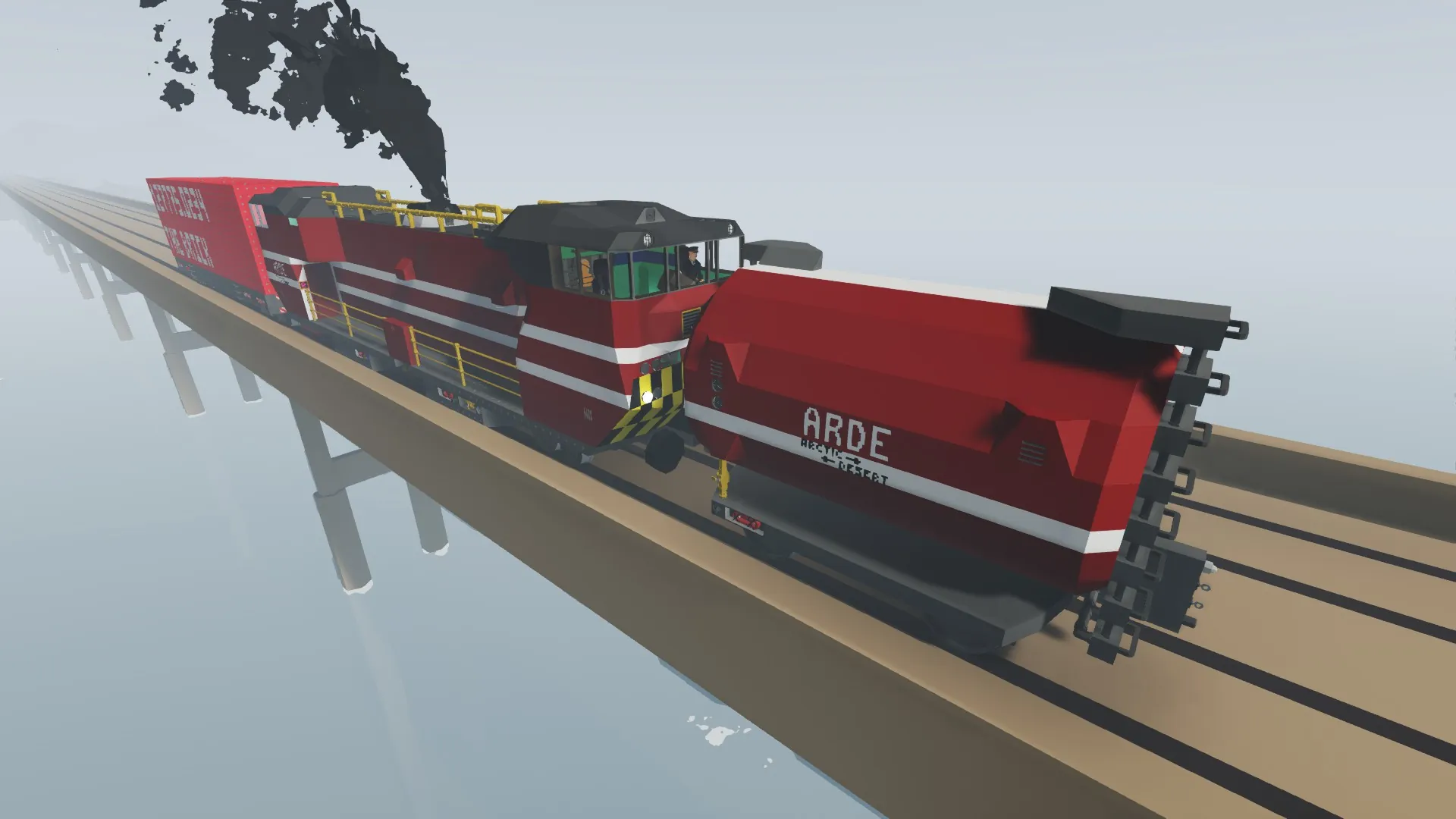
Since elecrtification became prevalent, all engines but two were sold to ARDE (Arctic-Desert transport service), to connect Meyer to Terminal Endo and Trinite; some of this locomotives went on to a long lasting career:
Engine Operator, Status
AC-4485 - ARDE Cargo, 1980 - in service <<challenge entry>>
AC-4486 - ARDE Cargo, 1981 - in service
AC-4487 - ARDE Cargo, 1981 - 1988 (sold to third party)
AC-4488 - ARDE Cargo, 1982 - 1992 (derailed and engulfed in lava during eruption)
AC-4489 - ARDE Cargo, 1982 - 2017 (on static display at Sawyer Rail Museum)
AP-2113 - ARDE Passenger, 1983 - 2005 (condenser failed, no replacements, scrapped)
AP-2114 - ARDE Passenger, 1983 - 2019 (scrapped)
AP-2115 - ARDE Passenger, 1984 - 1985 (derailed and fell into the sea near Endo)
FS 90832002153 - Ferrovie dello Stato, 1981 - in service (as part of Heritage railway)
SCPL-789-H - SCP Foundation, 1981 - 2004 ([DATA EXPUNGED])
Instructions
This engine is designed for ease of operation. It is controlled with W/S, Up/Dn arrows, space bar and numbers from 1 to 6.
Max power is reached after 45" of full power command.
Startup
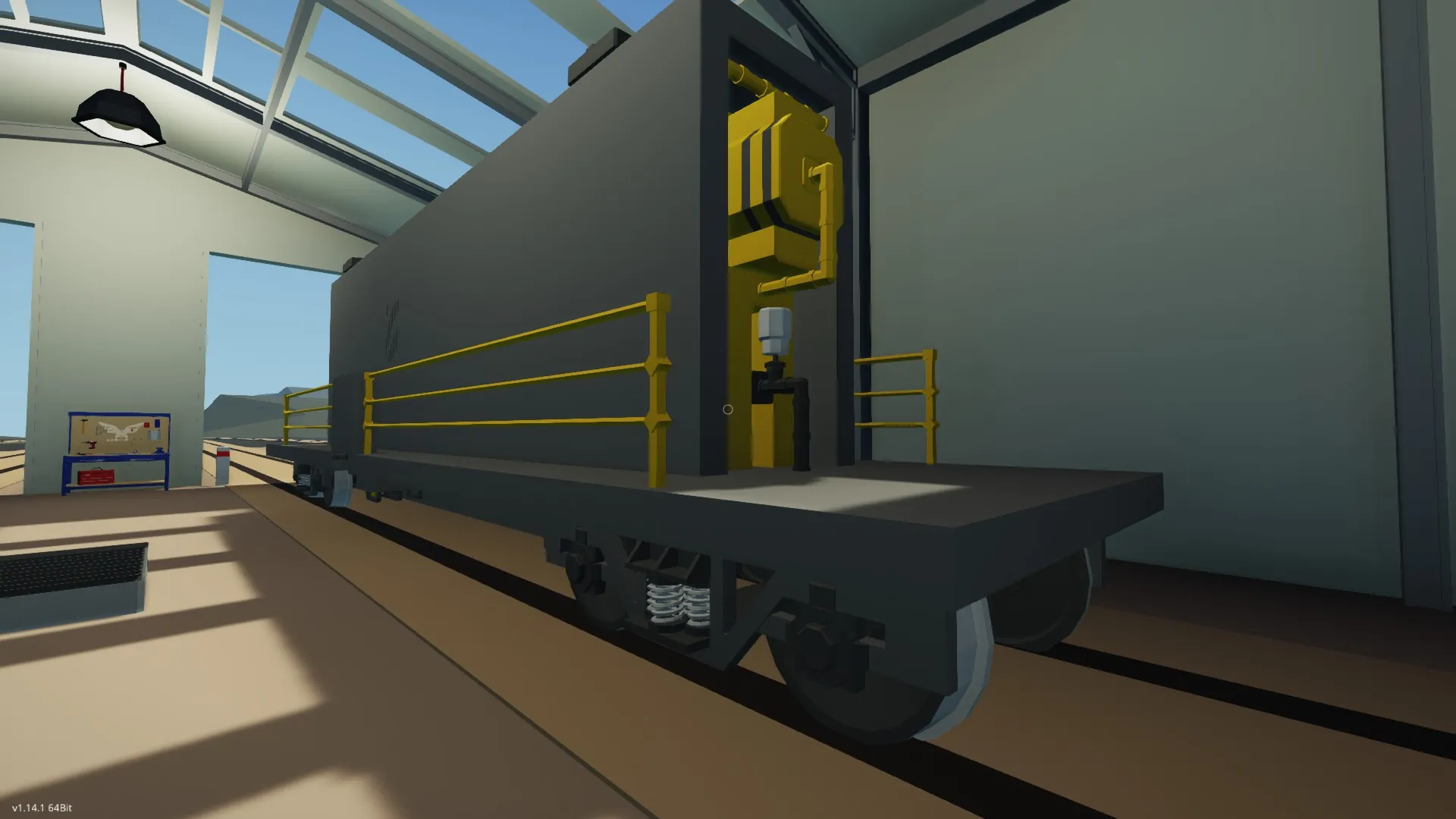
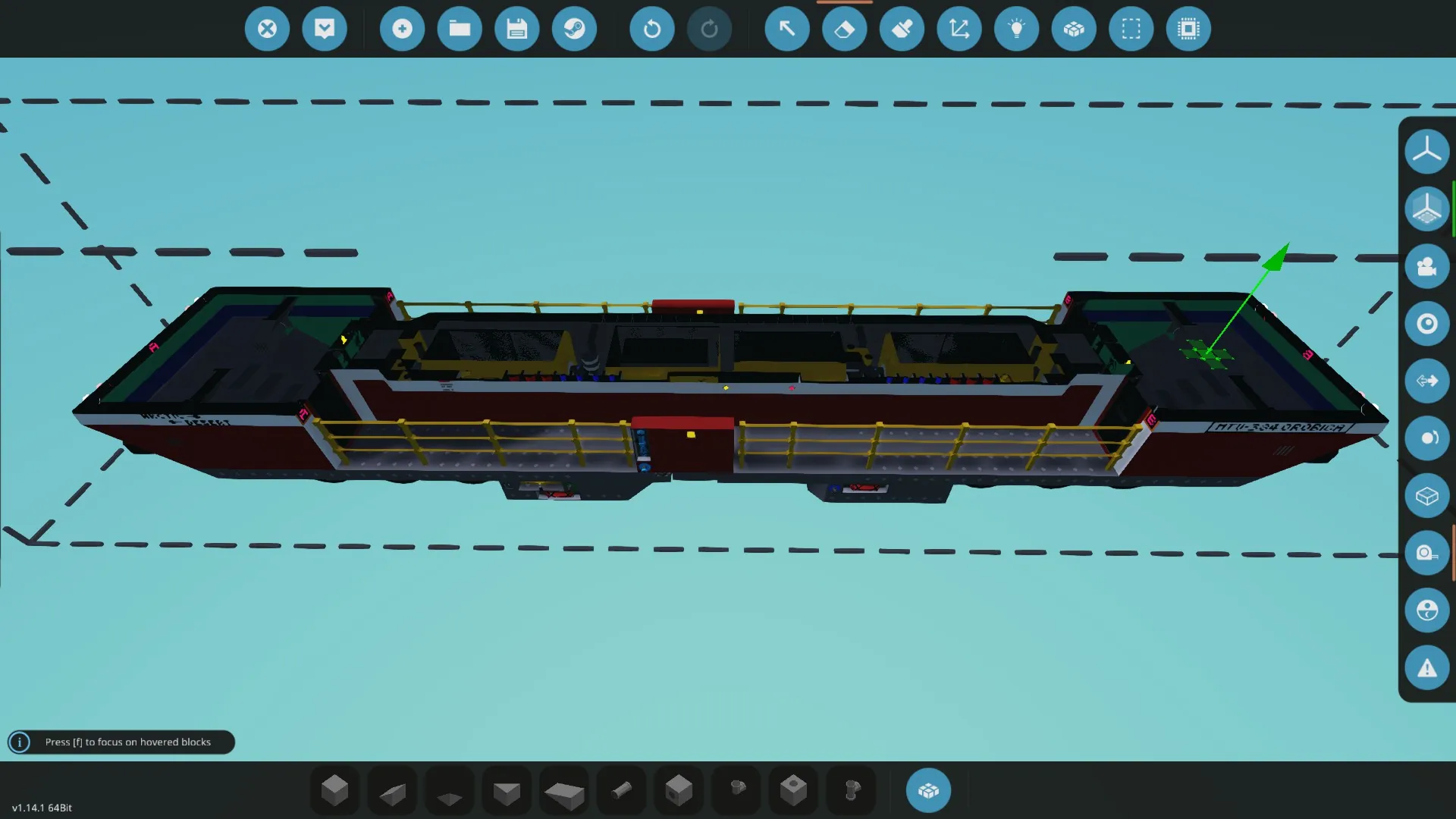
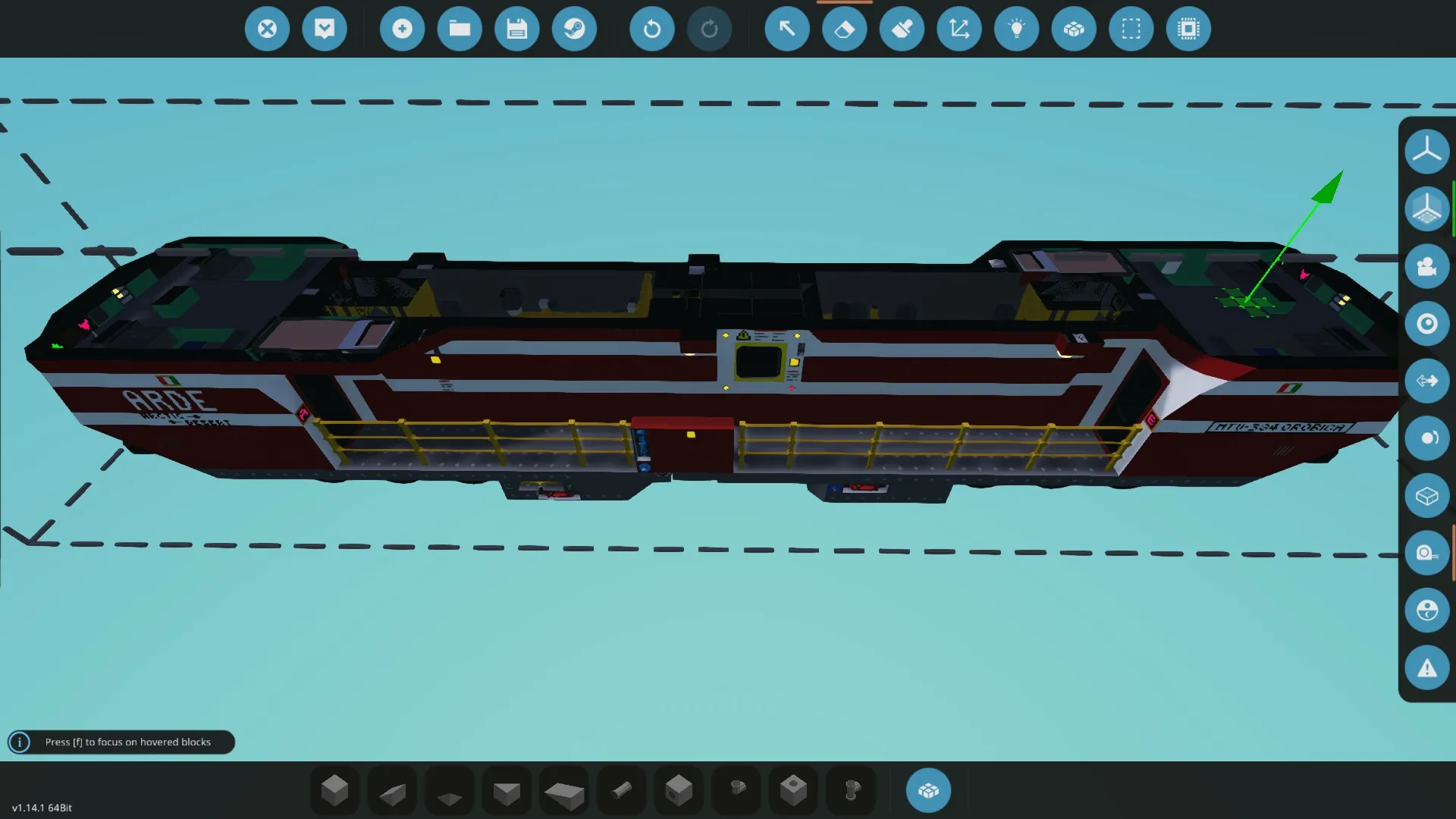
The engine is accessible from two foldable ladders on either side, slightly forward of the centre.
Remember to close the door behind you, or MTV-384 will not be able to exit from workbenches like Spycakes or Camodo.
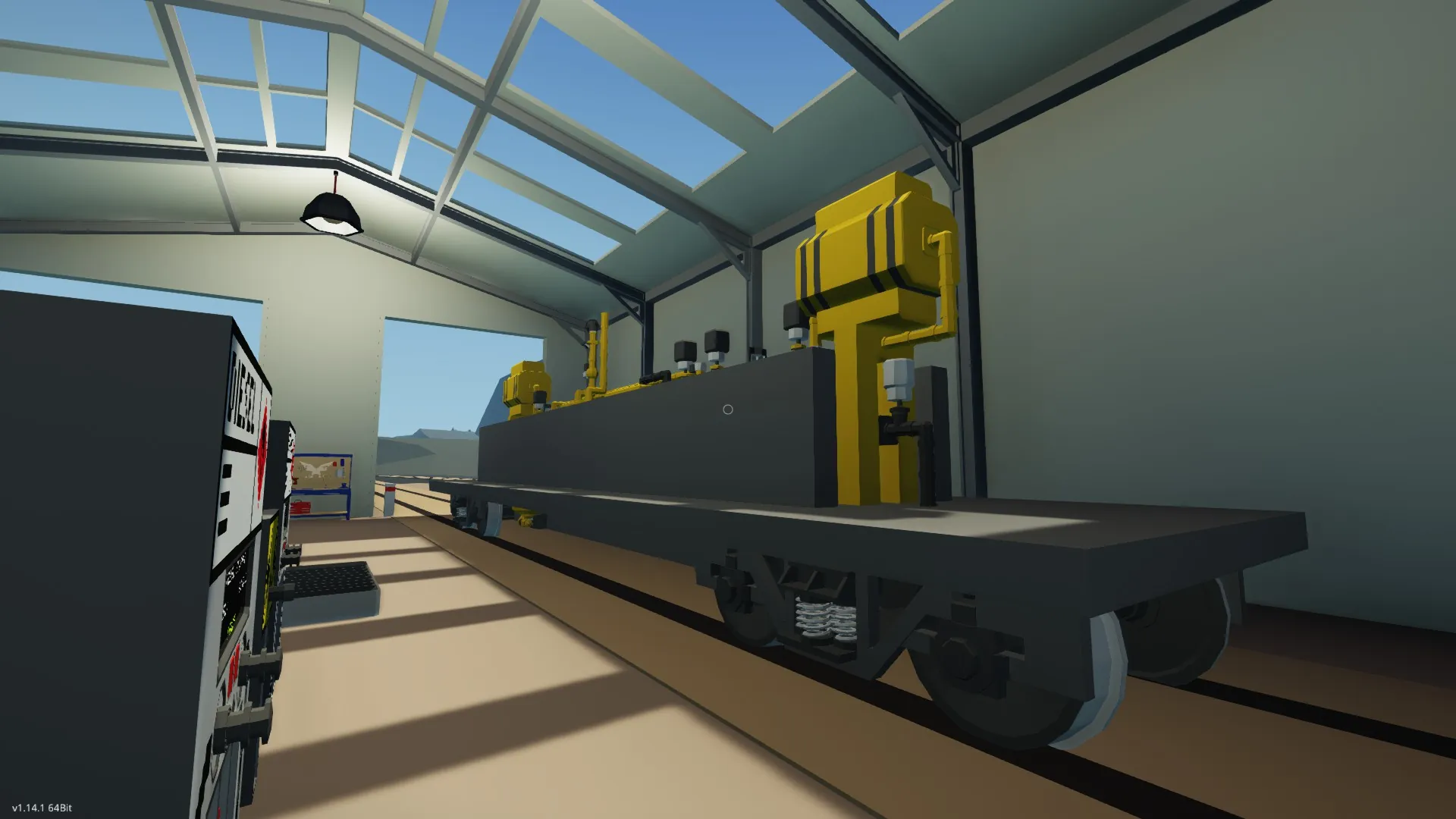
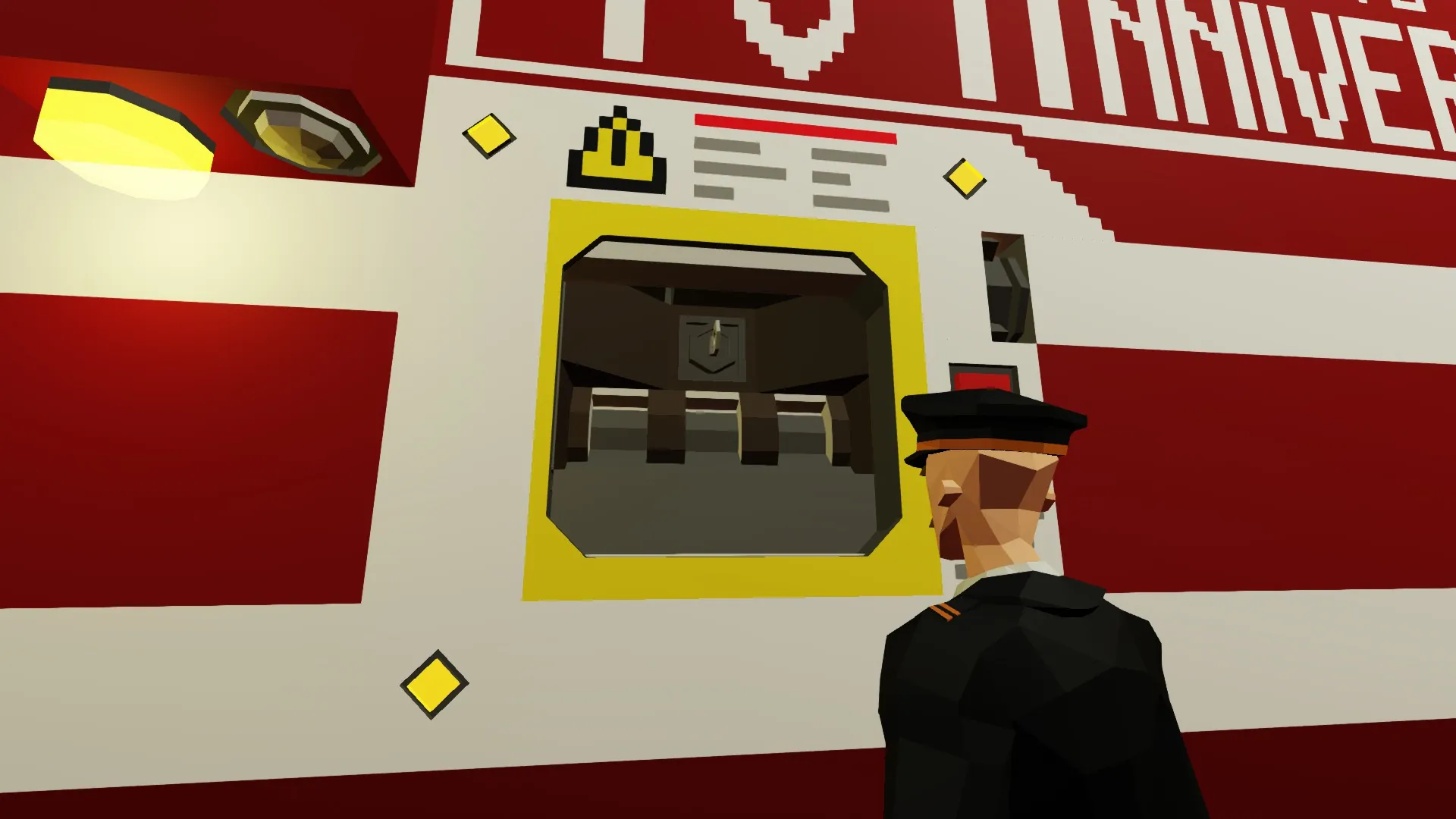
On the left side, there is a yellow panel, which is actually a hatch. Open it and flip all the breakers, then turn the key to light the firebox.
The engine raises steam in about 30 seconds.
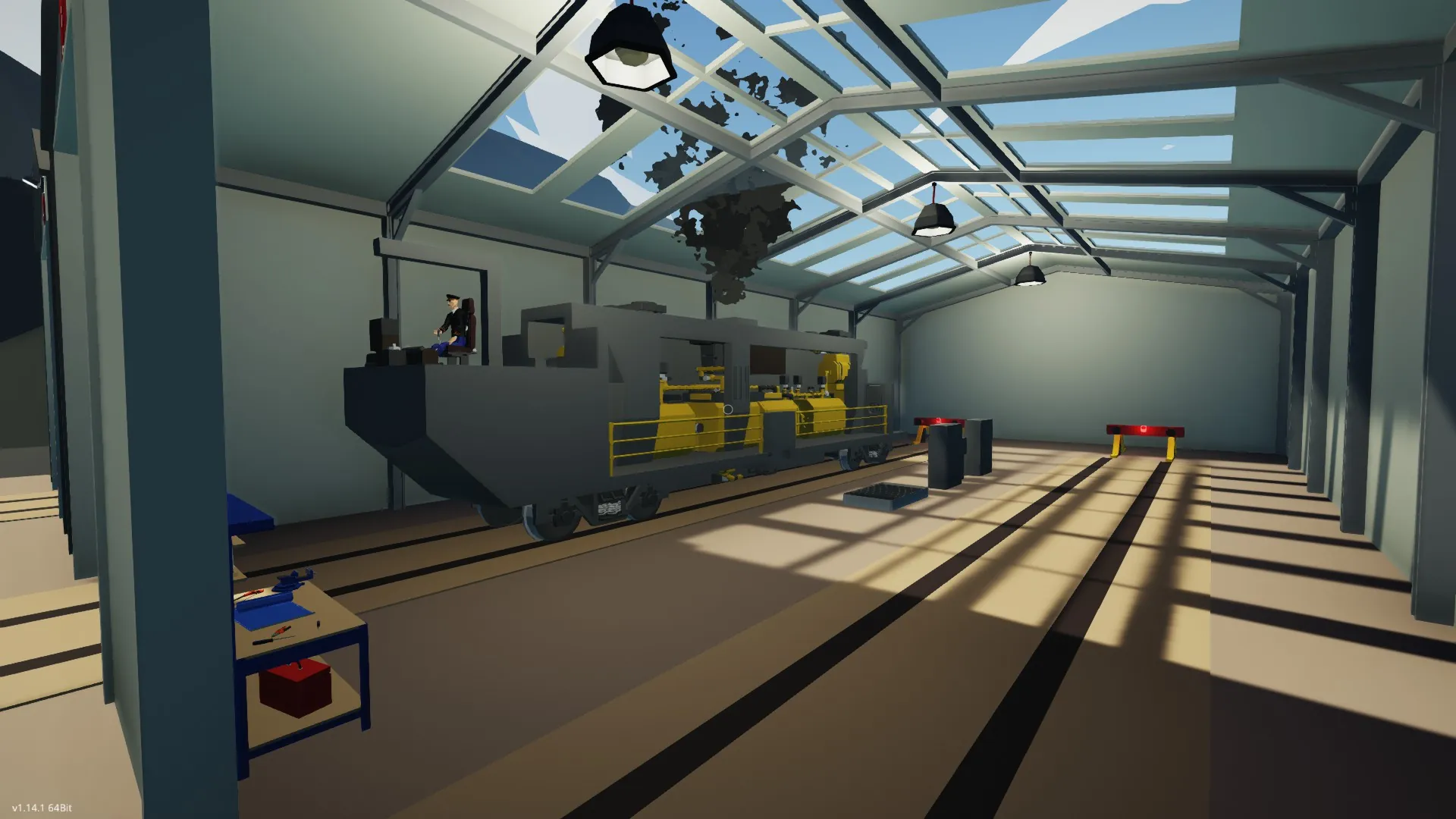
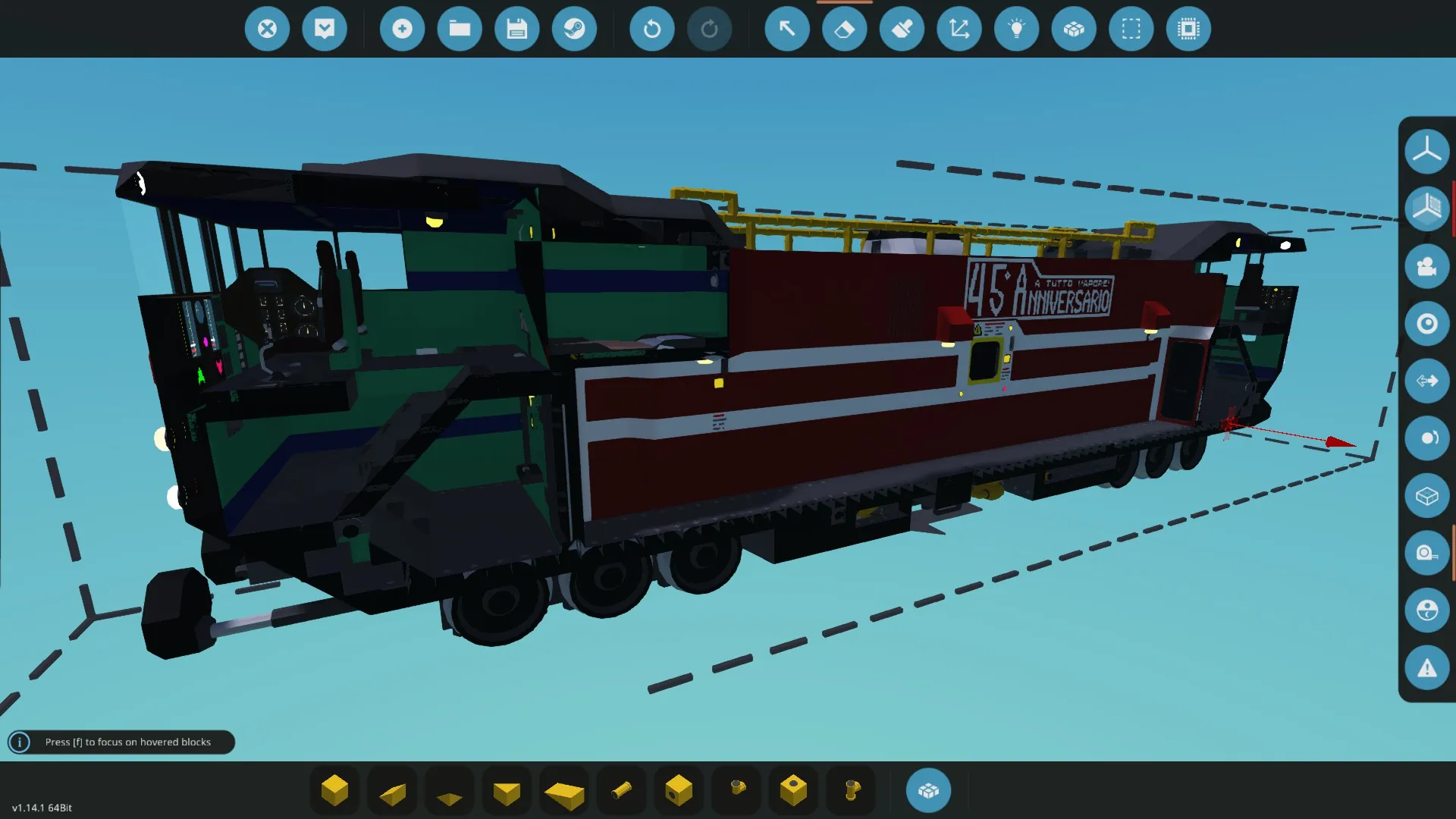
Walk to either cab (A or B), according to the side which will face the exit. The command chair is upstairs.
Command Chair
The command chair is on the left. Controls are:
W/S: Throttle - 10 steps forward, 10 steps backwards
Up/Dn: Brake - 10 steps
Space: Horn
1: Remote control of rail switches
2: Cycle scope cameras (see next section for more info)
3: Cycle running lights (Off - Cab A forward - Cab B forward)
4: Toggle headlights
5: Apply full brakes
6: Reset Throttle to 0%
If the engine stalls while shunting at 10%, tap the throttle up to 20%, then tap it back down when you feel the turbine spool up.
Instruments include: - Throttle (1) and brake (2) monitor gauges: white bar is for request, red bar is for effective
- Speed dial (3)
- Panitable indicators for running lights status (4)
- RGB indicator (5) for wheelslip: off when unladen, yellow for axle under heavy load (nominal), red for wheelslip
- Firebox temperature (6)
- Boiler temperature (6)
- Boiler water (6)
- Boiler pressure (6)
- Forward/backward turbine inlet pressure (7)
- Forward/backward turbine RPM (7)
- Clock (8)
- Fuel [%] (9)
Scope and cameras
The engineer can see the video feed from 4 cameras through the scope just to the right, above the instument panel.
Cameras are cycled with 2-key, and are, in this order:
1 - Cab A, overhead
2 - Cab A, connector
3 - Cab B, overhead
4 - Cab B, connector
Video feed includes camera and scope ID, plus % of applied throttle and brakes
Stoker Chair
This chair has no commands, but it is possible to monitor a wider range of engine parameters
How to use
In short: send it!
In slightly longer: the gearbox, valve control, and turbine inlet pressure have been calibrated in such a way that wheelslip while towing the brick is not possible even at 100% appliecd throttle.
Wheelslip may occur on gradients, but an automated system will blow steam off the boiler directly into the condenser to mitigate wheelslip.
Other Controls
Below the driving cab there is a button that activates the bell control. Whenever throttle and brake are below 10% (yard speeds), the bell will ring automatically.
Each cab features a bed, accessible behind the engineer's seat. The bed is accessible by pressing a timed push button and entering the bunk. The door will stay open for 4 seconds, then close automatically.
Internal cab lights are controlled by the clock, but you can switch them off using the breaker near the ladder on the back wall on either cab.
To access the bunks, press the push button and enter before the 4 seconds timer runs out. The button is 2-sided and accessible from the inside.
Features
- $90,409 pricetag
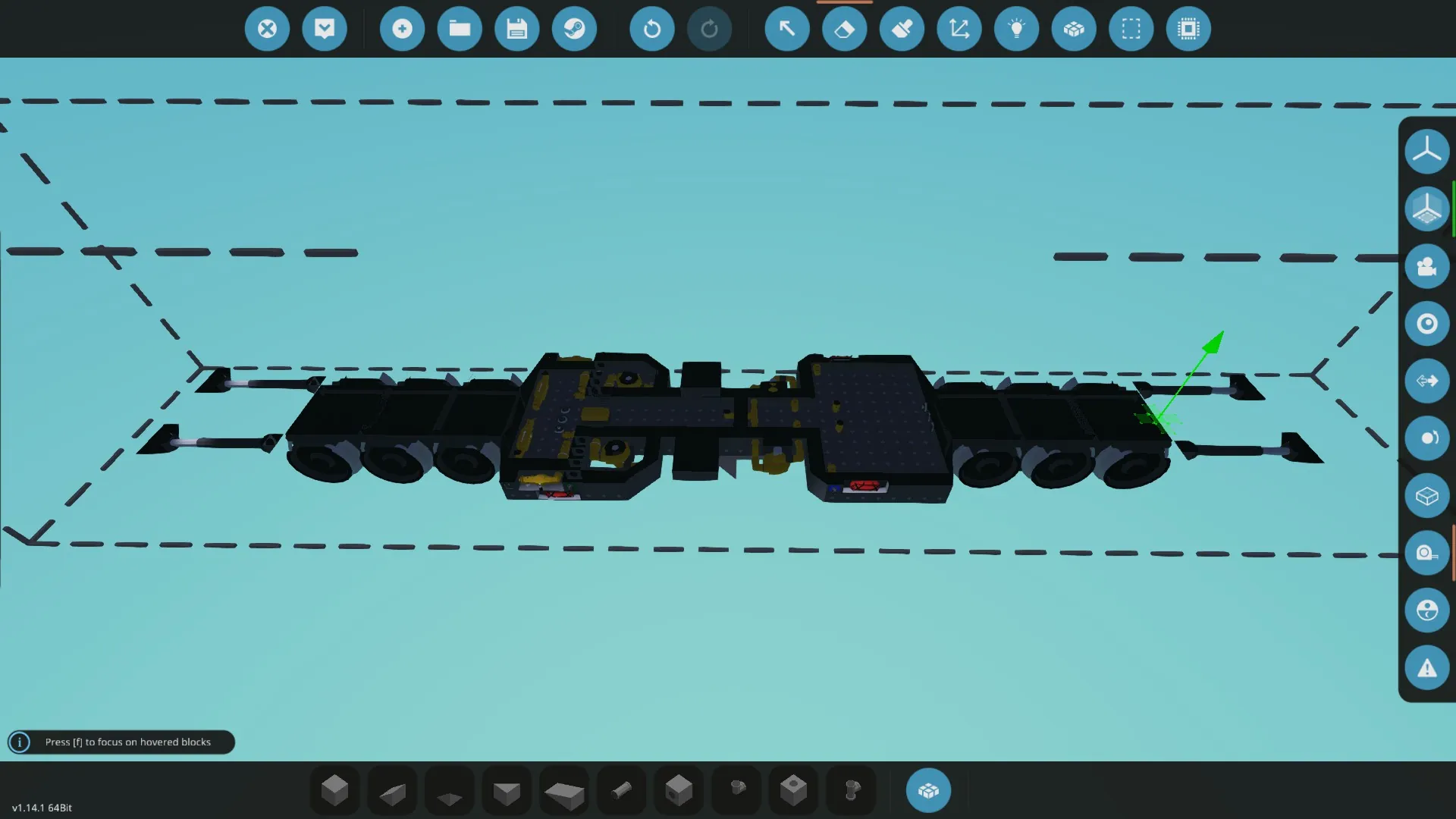
- 6 powered axles
- 80km/h top speed while pulling The Brick (in compliance with the original 13km/h/axle requirement)
- >200km/h top unladen speed
- Comprehensive suite of analog instruments on each cab.
- 2 tone horn
- 3 tone rail switch chime
- Pressure-controlled throttle valves with delay
- Anti-wheelslip blowoff valves (they rapidly decrease turbin inlet pressure at first instance of wheelslip)
- 2 bunk beds
- 1100L diesel fuel capacity
- time-activated interior/catwalk lights
- player sensor activated lights and backlights
- Independent battery pack for steam valves (Low charge on valves can really mess up a steam engine)