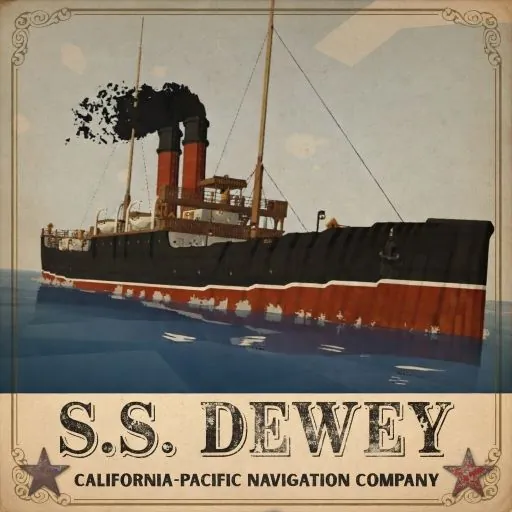
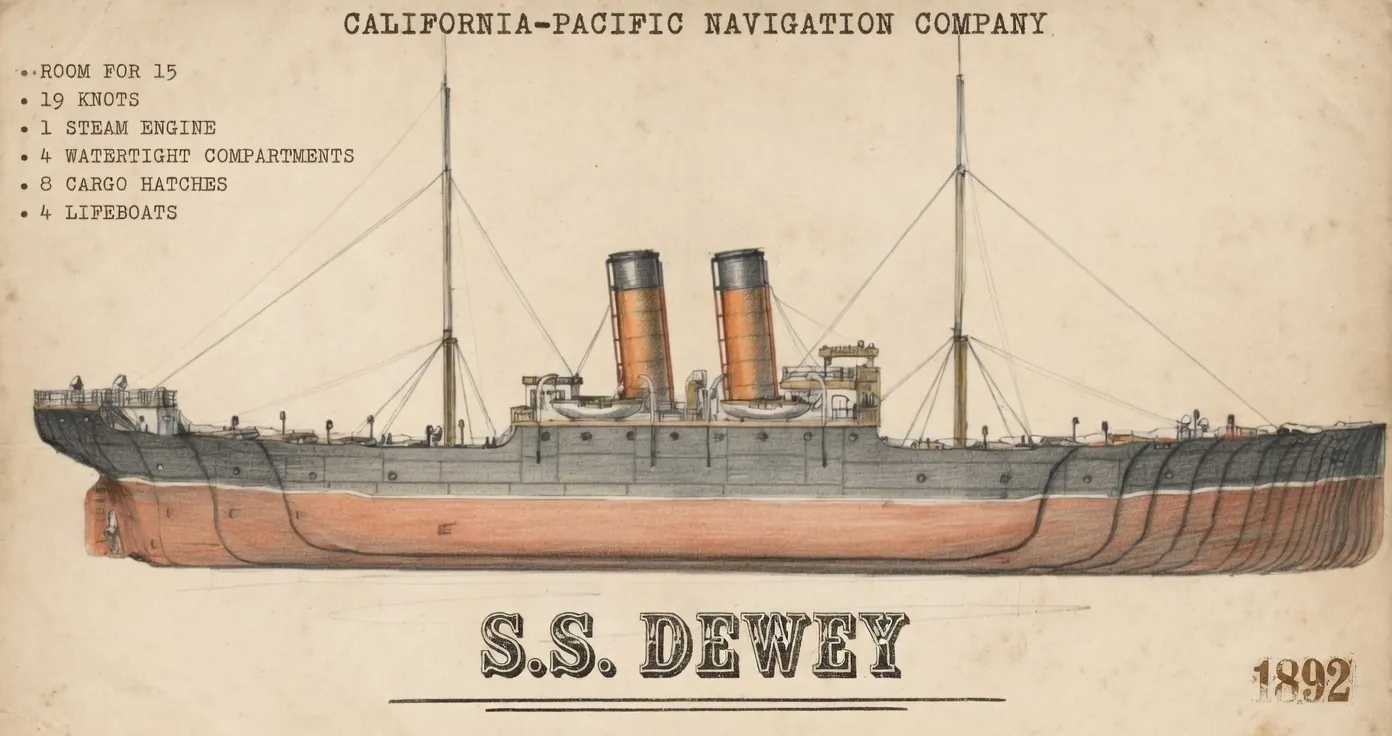
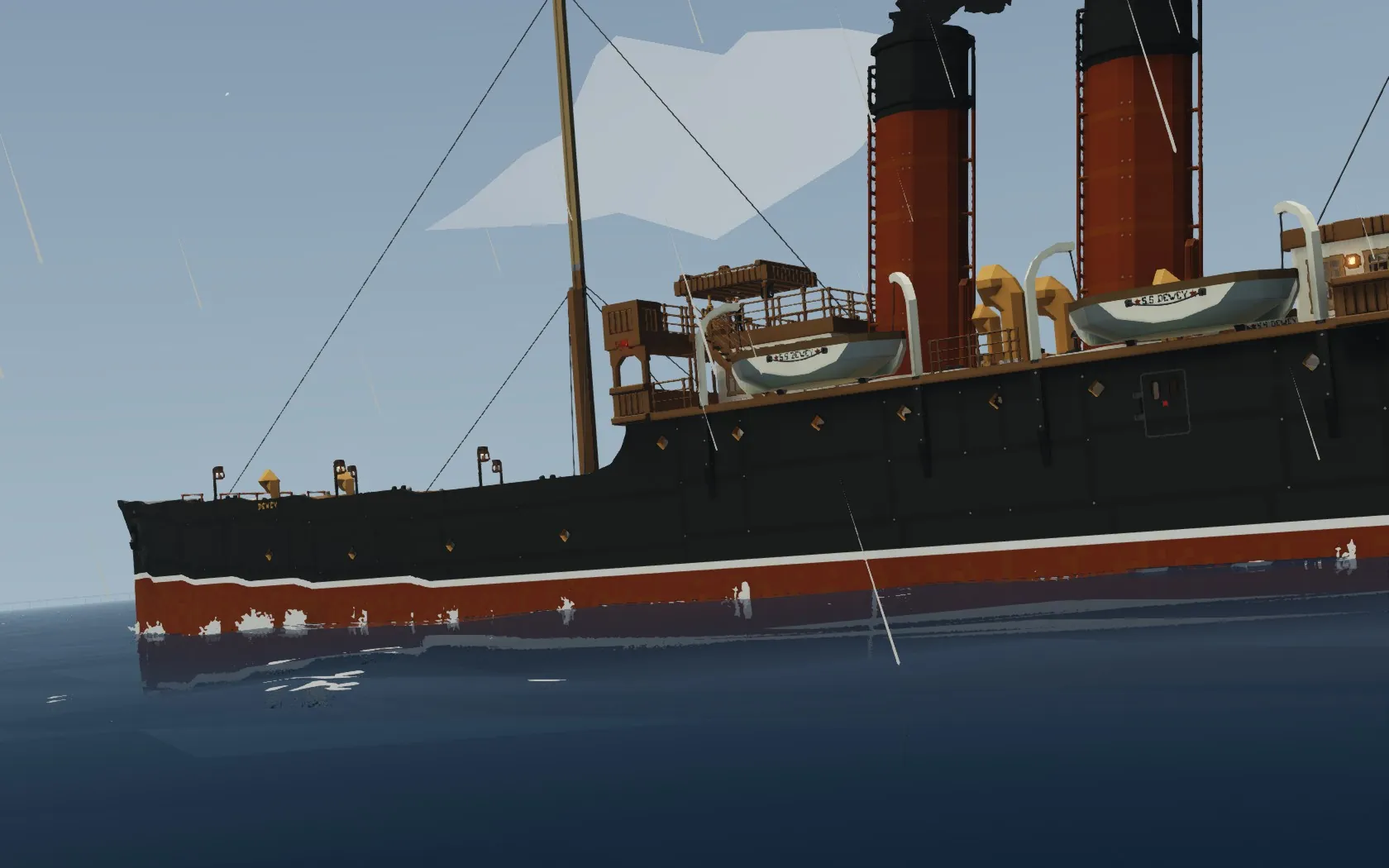
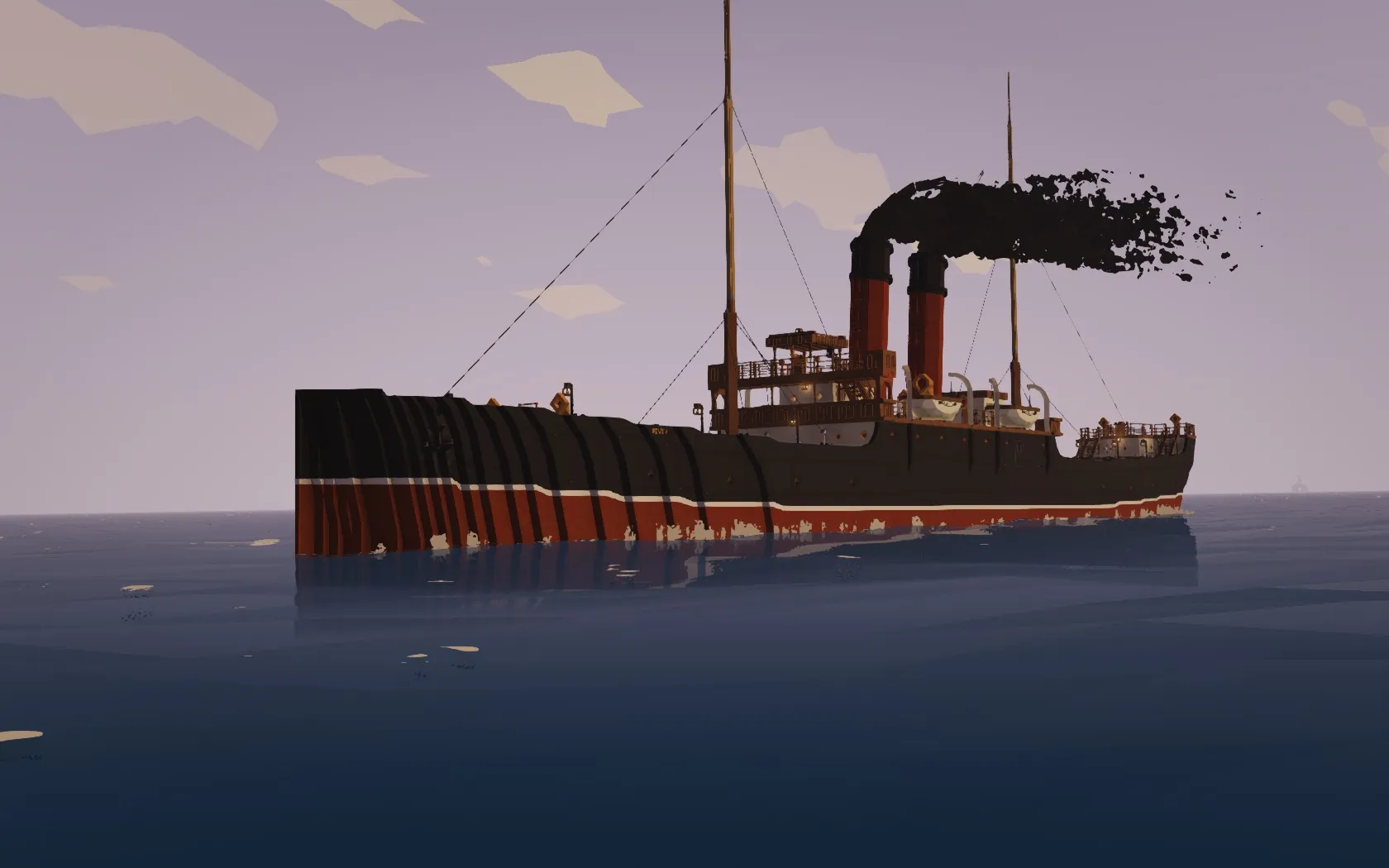
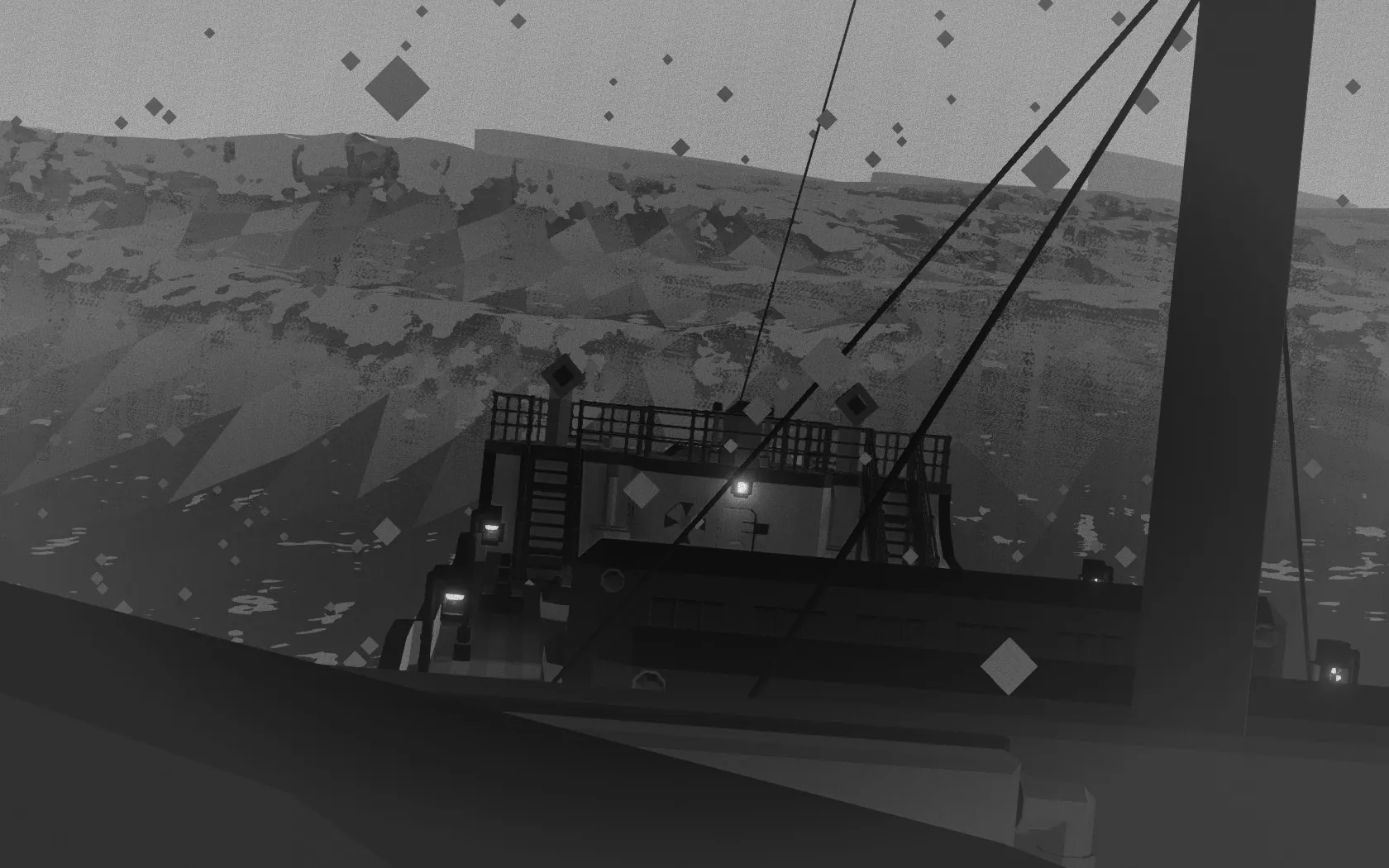
S.S. DEWEY DESCRIPTION:
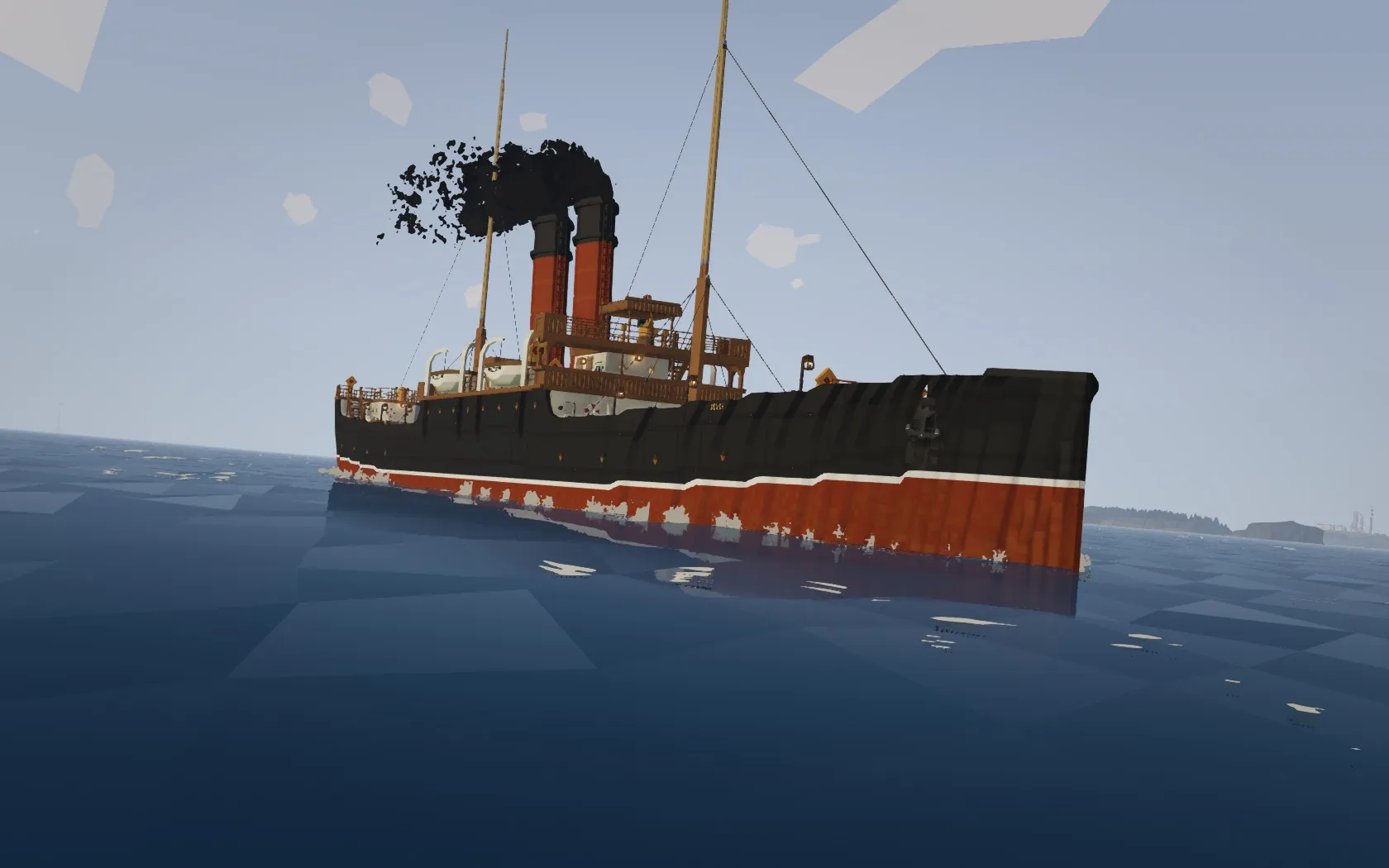
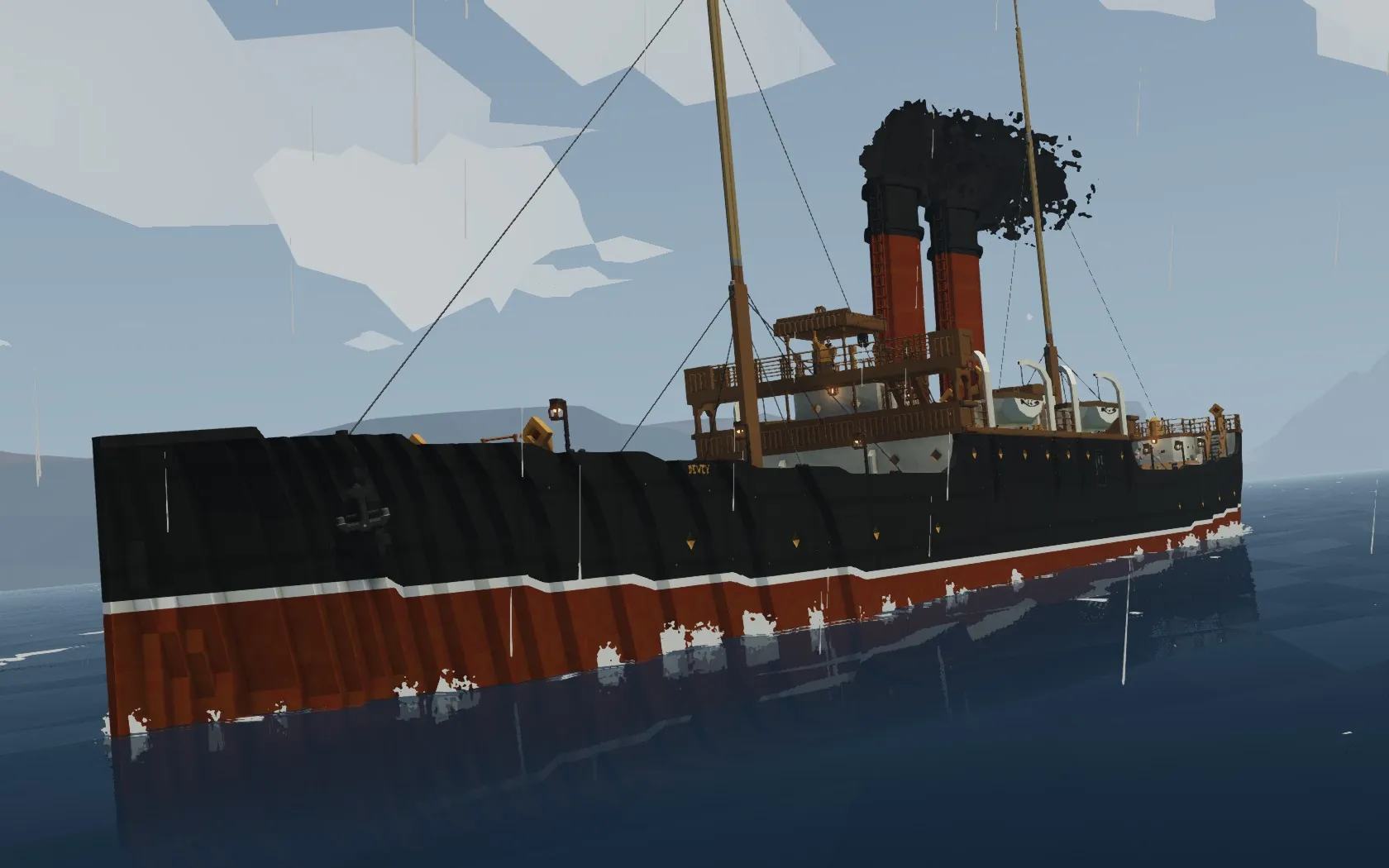
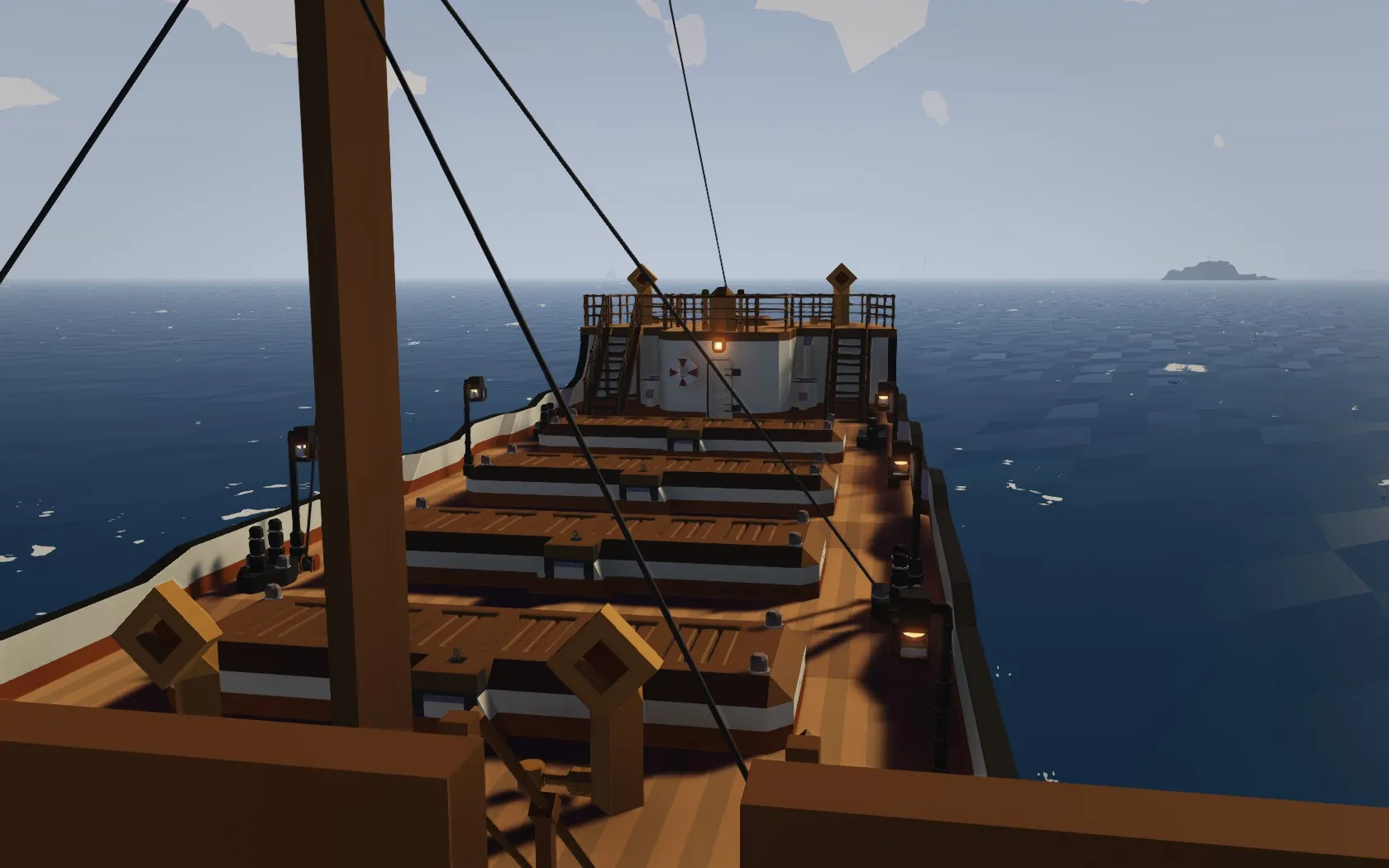
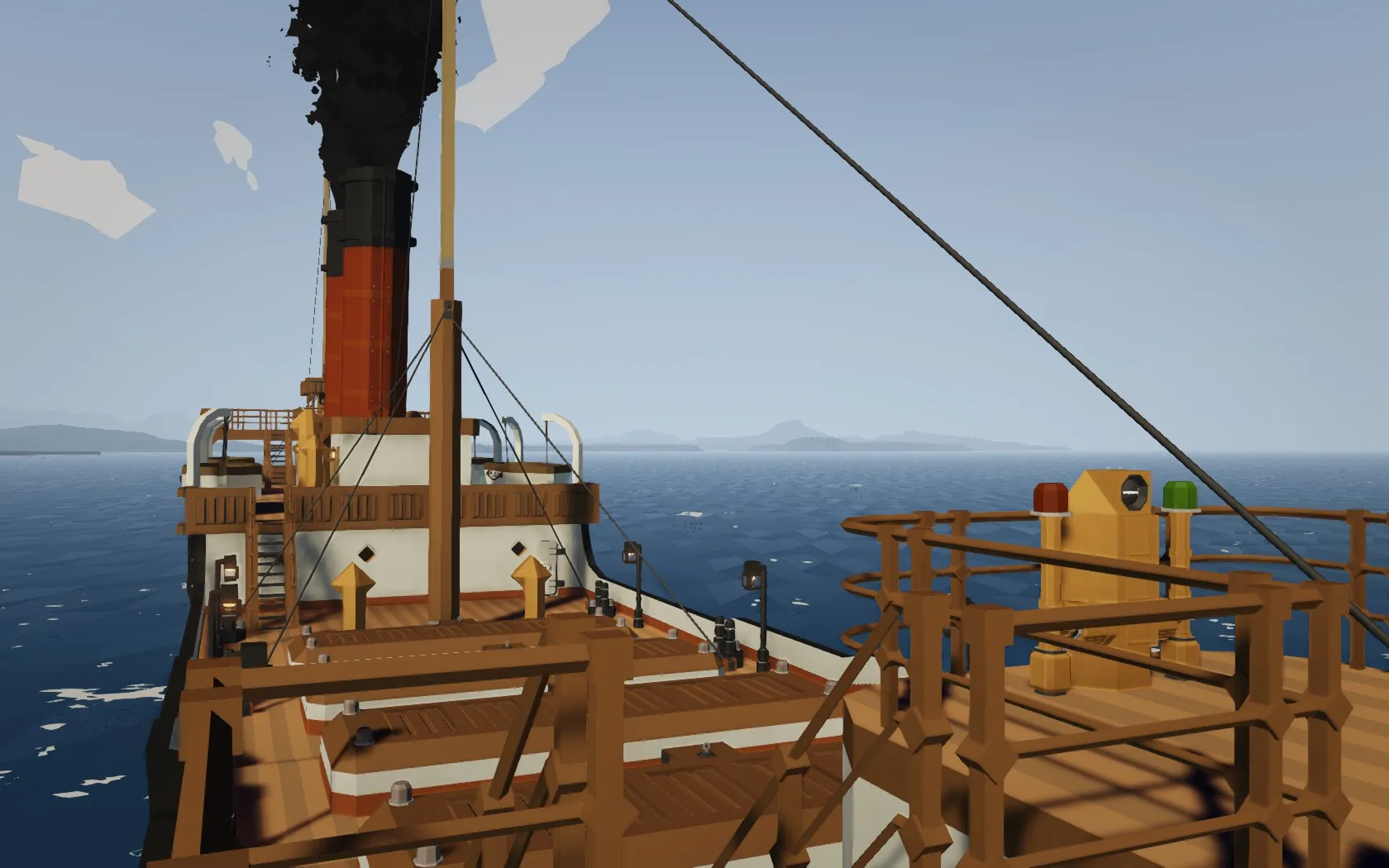
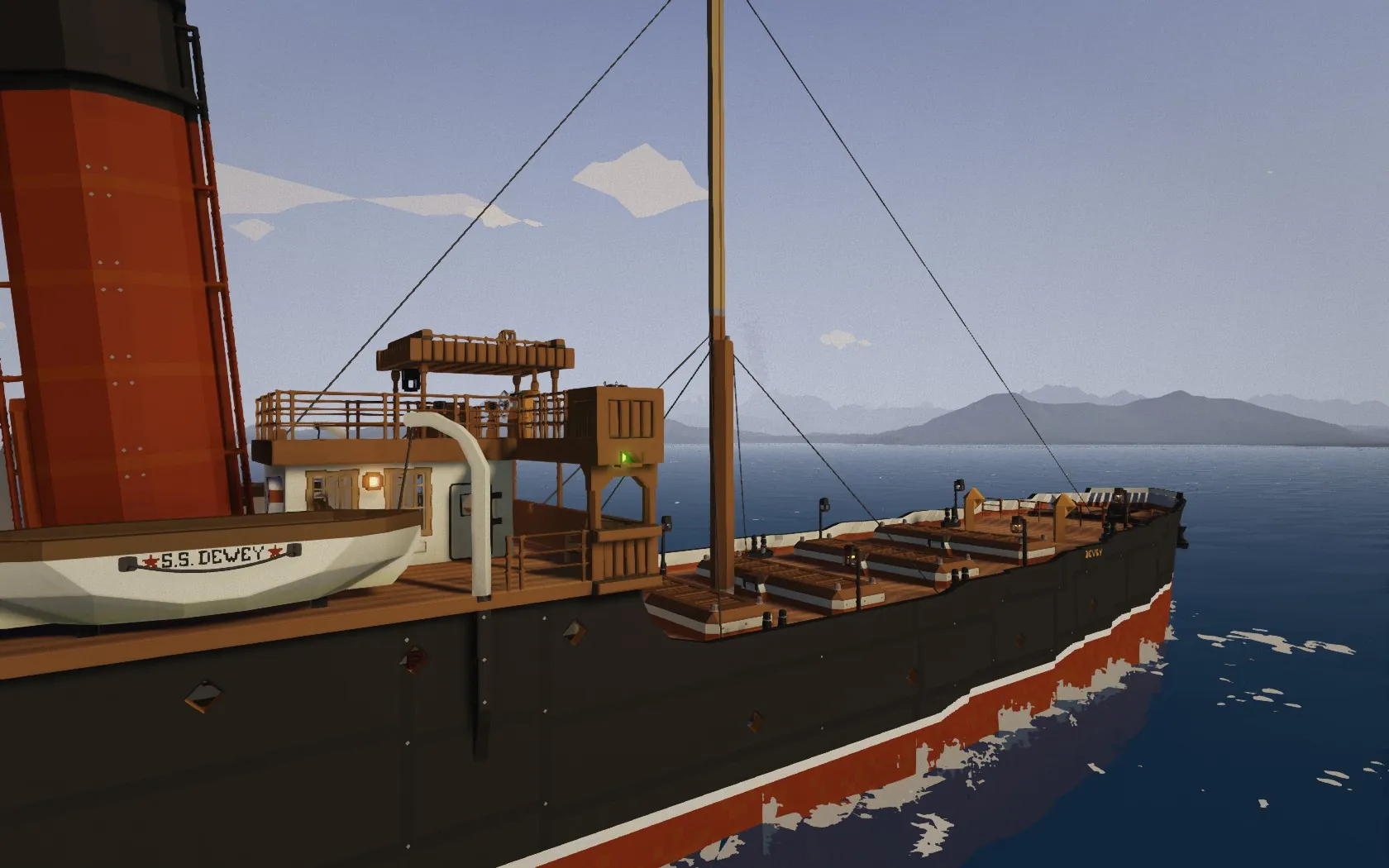
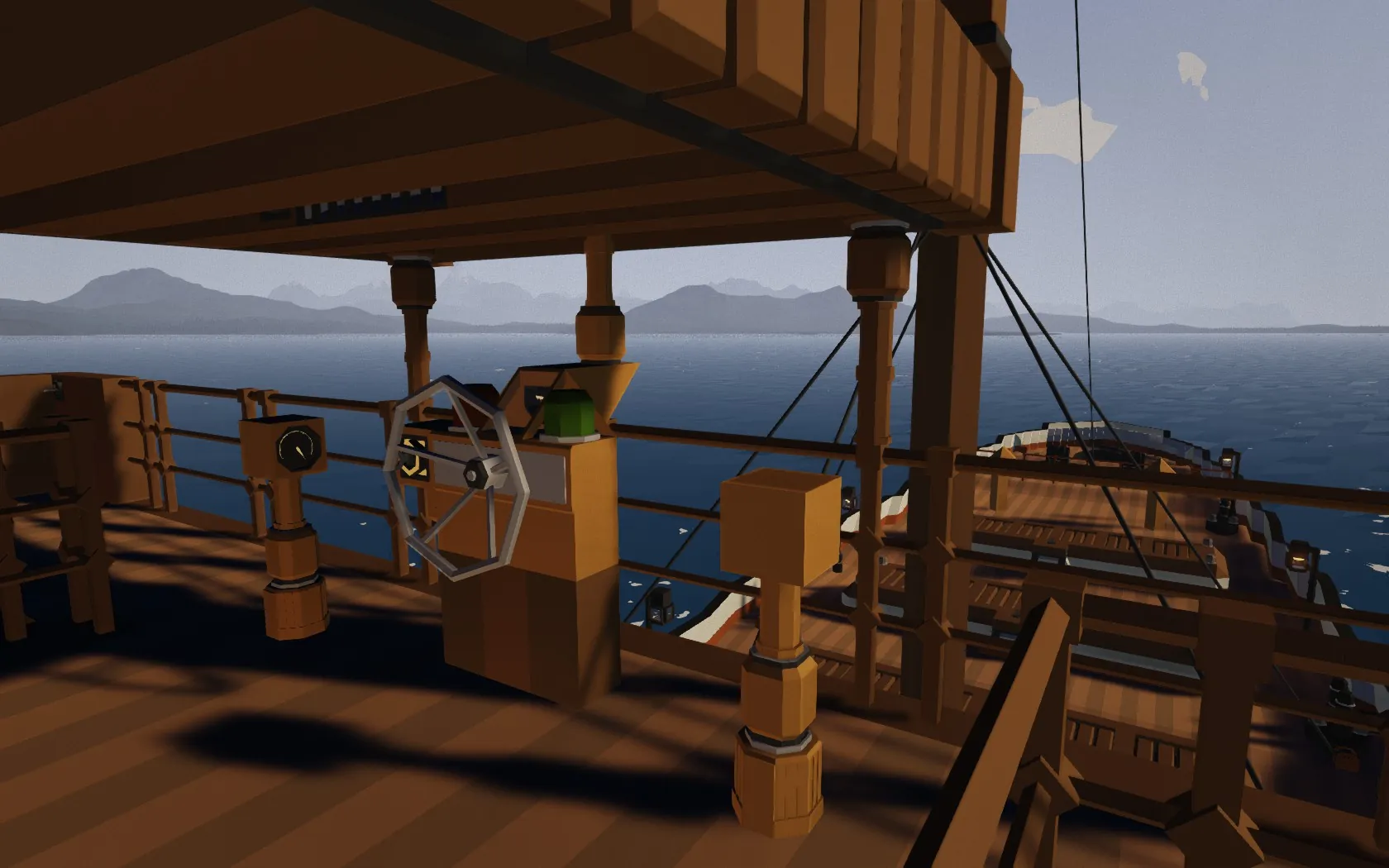
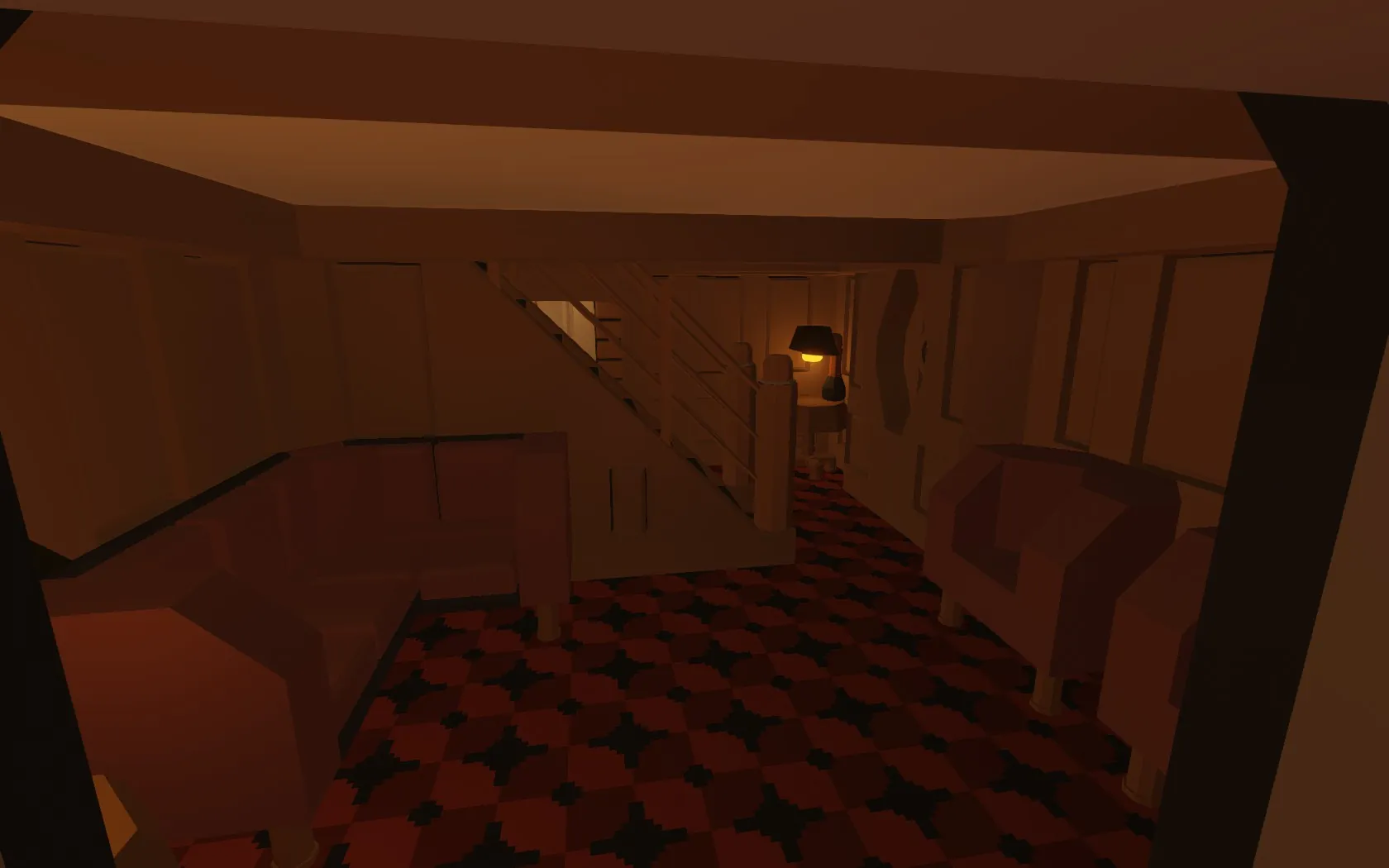
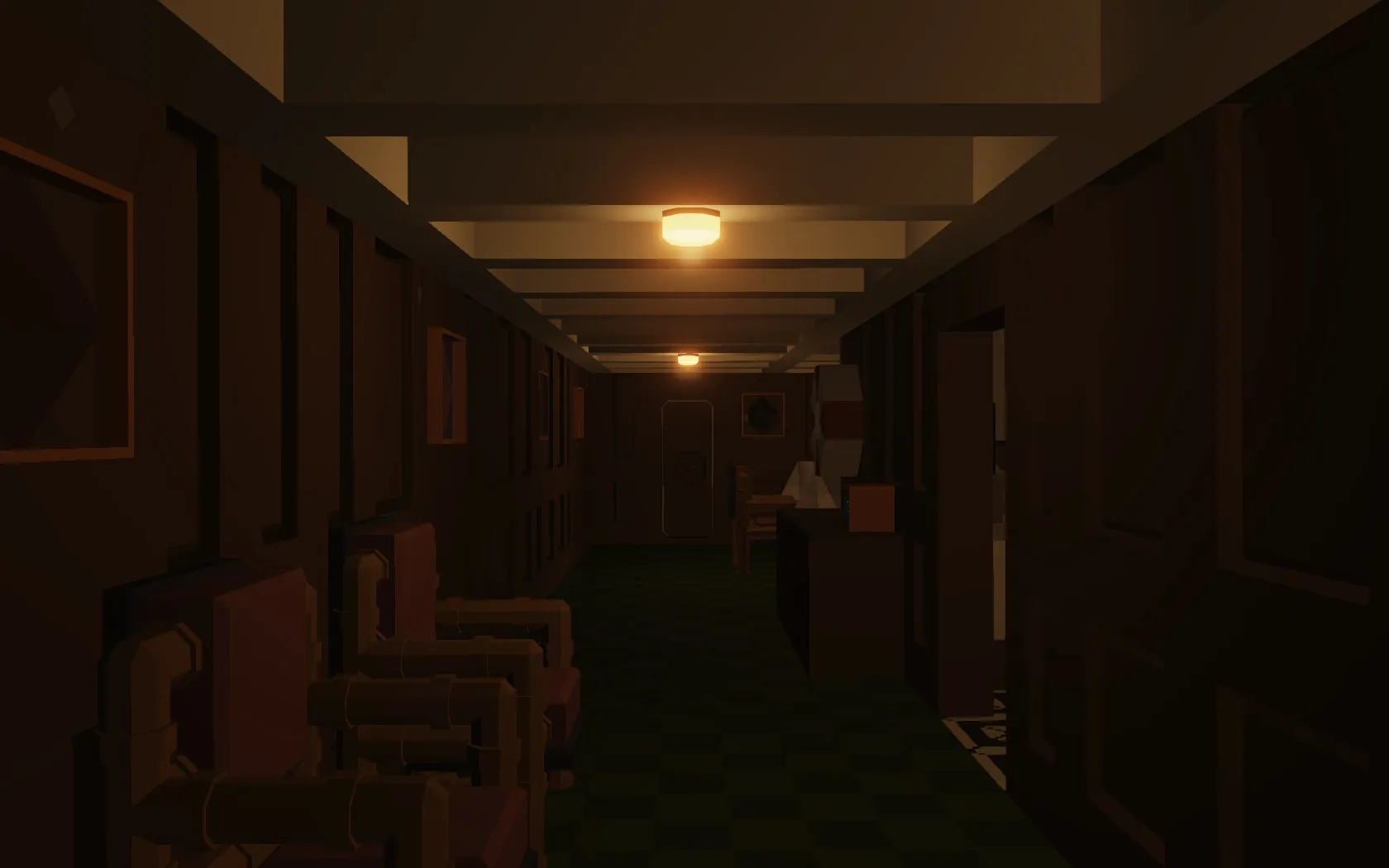
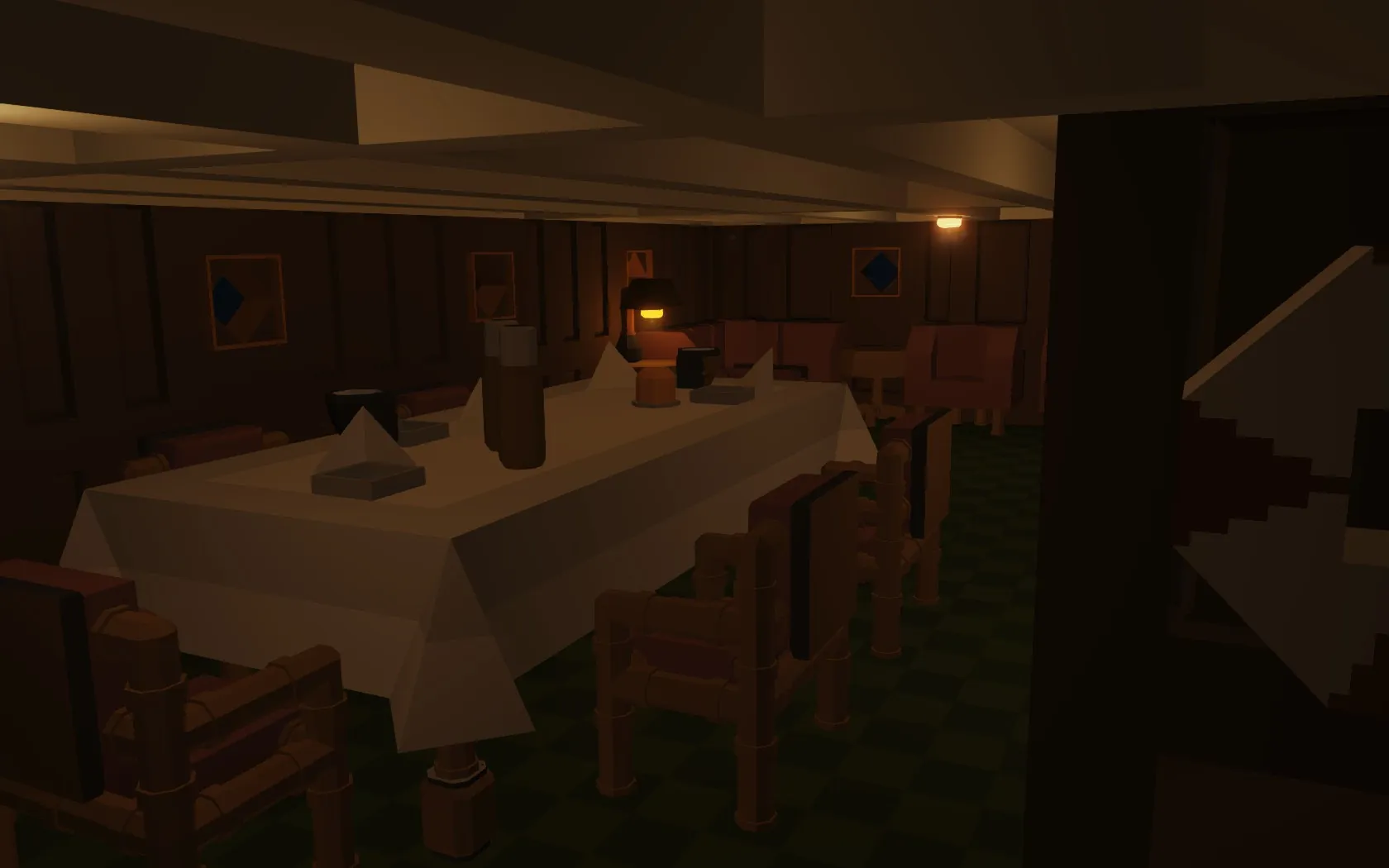
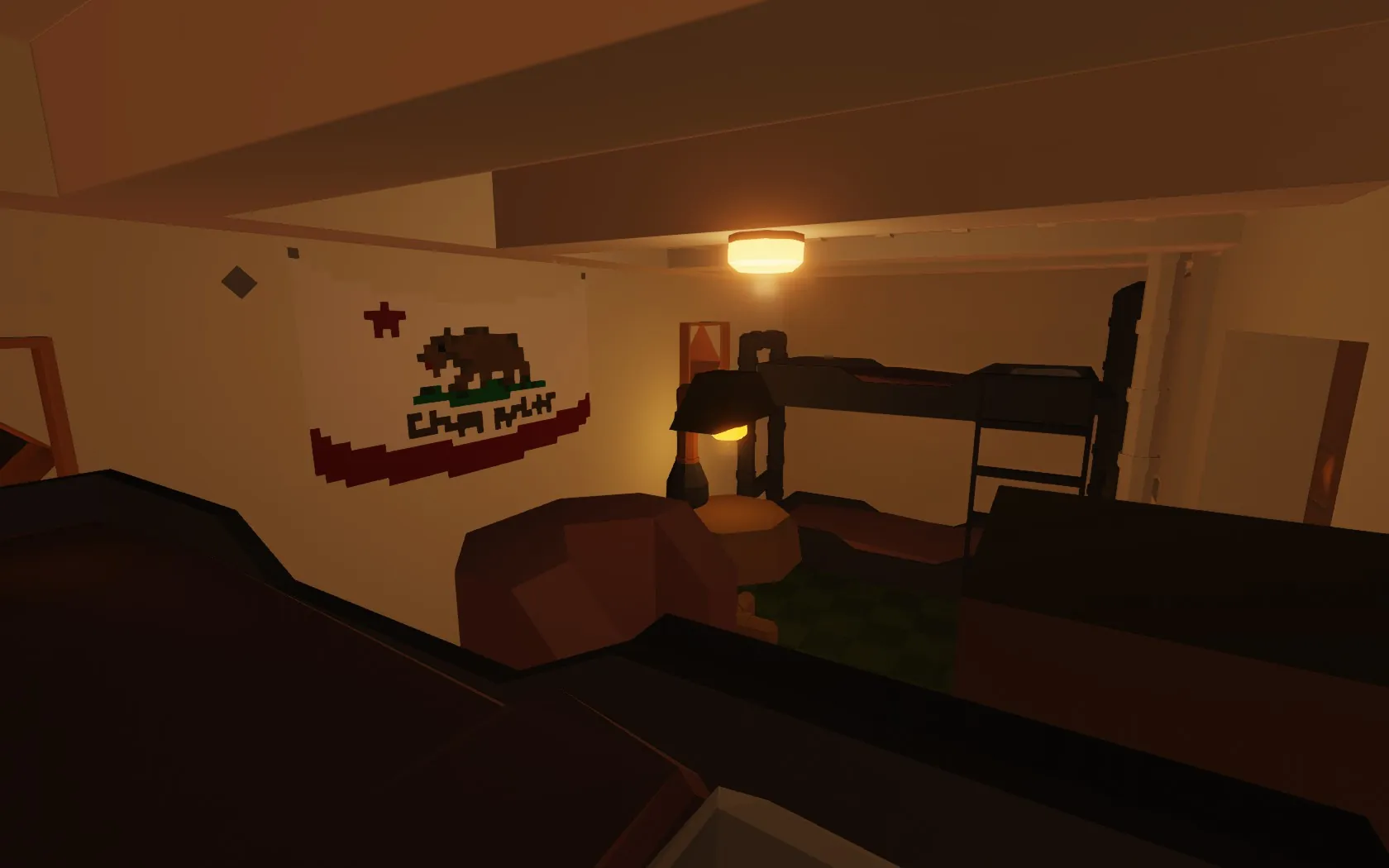
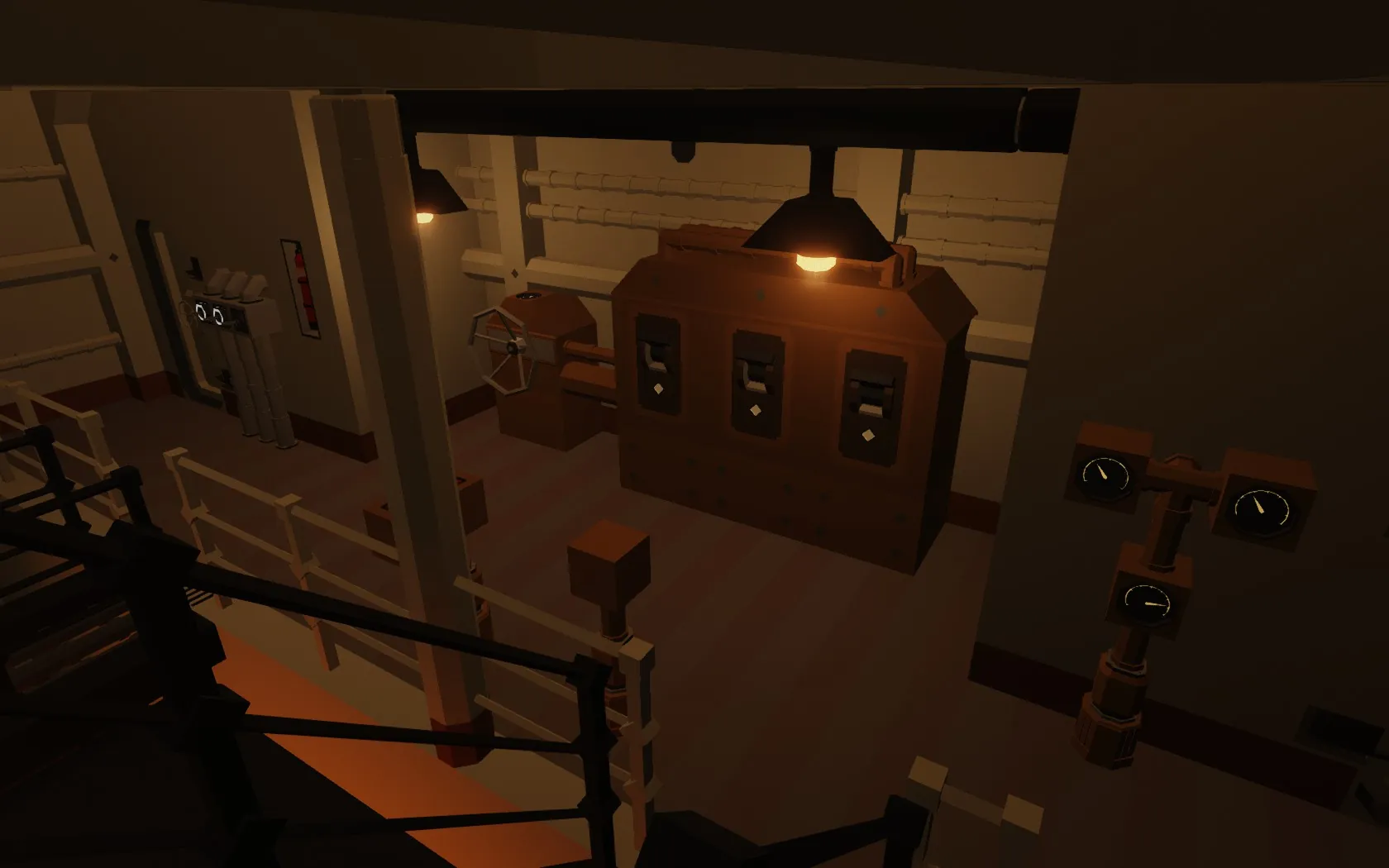
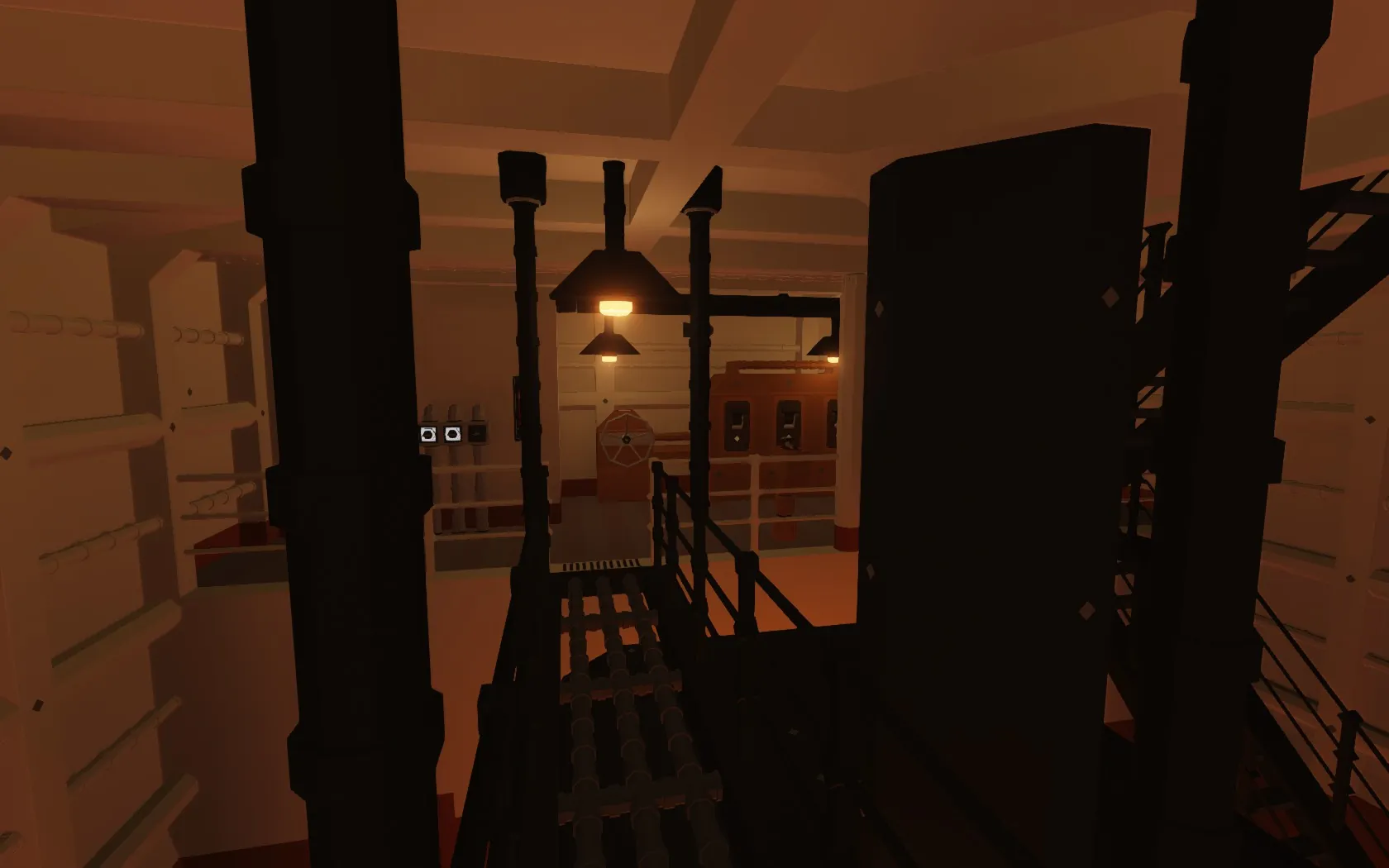
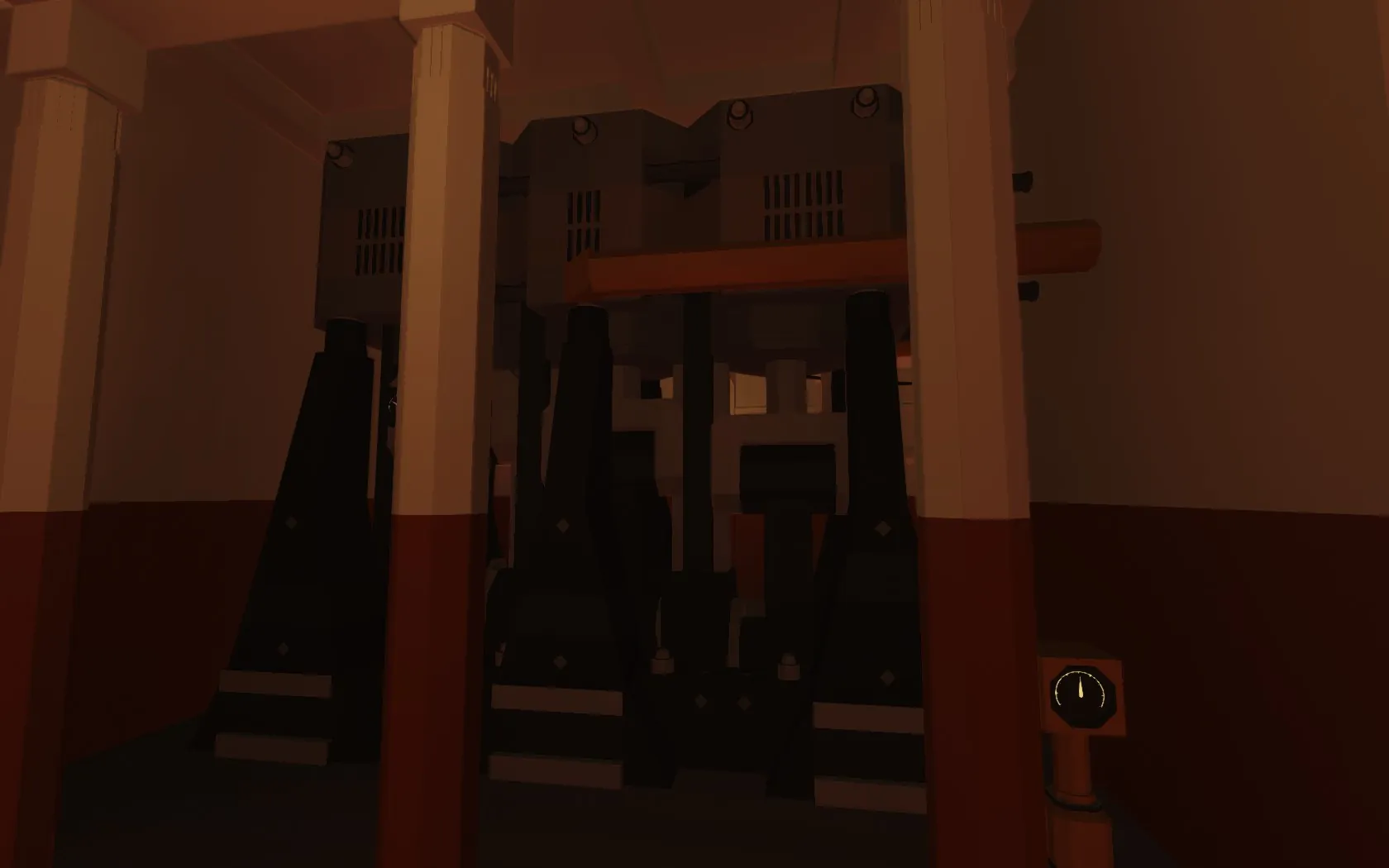
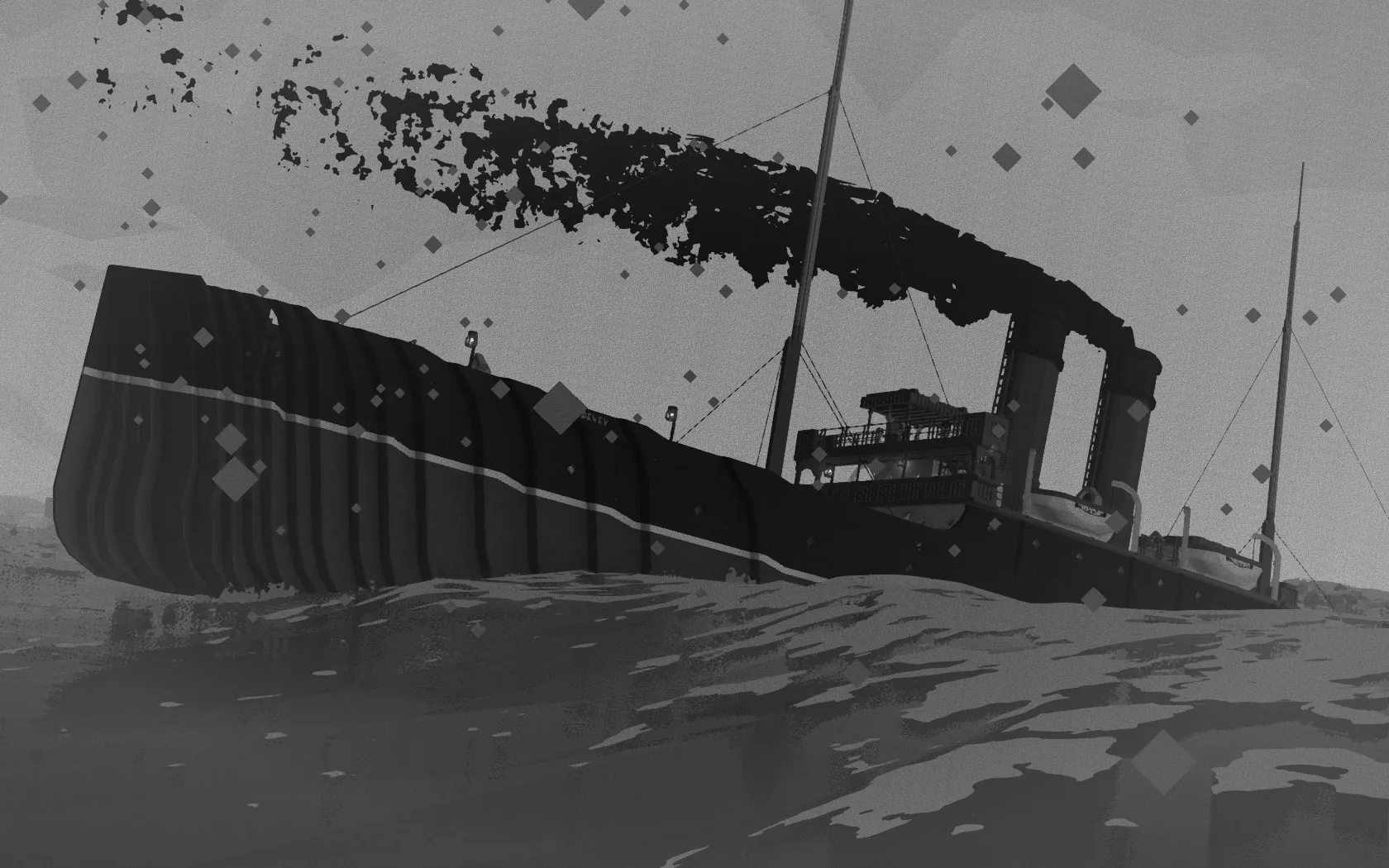
This is an American cargo vessel from the 1890s that is built with being multiplayer friendly in mind. It is a highly detailed and very functional steamship that is able to be sunk through a switch on the bridge.
STARTUP:
Switch the air intake on, light the boilers, and use the helm on the bridge do control speed.
OTHER REMARKS:
- The ship does NOT require infinite electricity or fuel, and its preferable to play without them.
- Must be spawned via the addon editor.
- No mods are required or were used in the making including any XML editing.
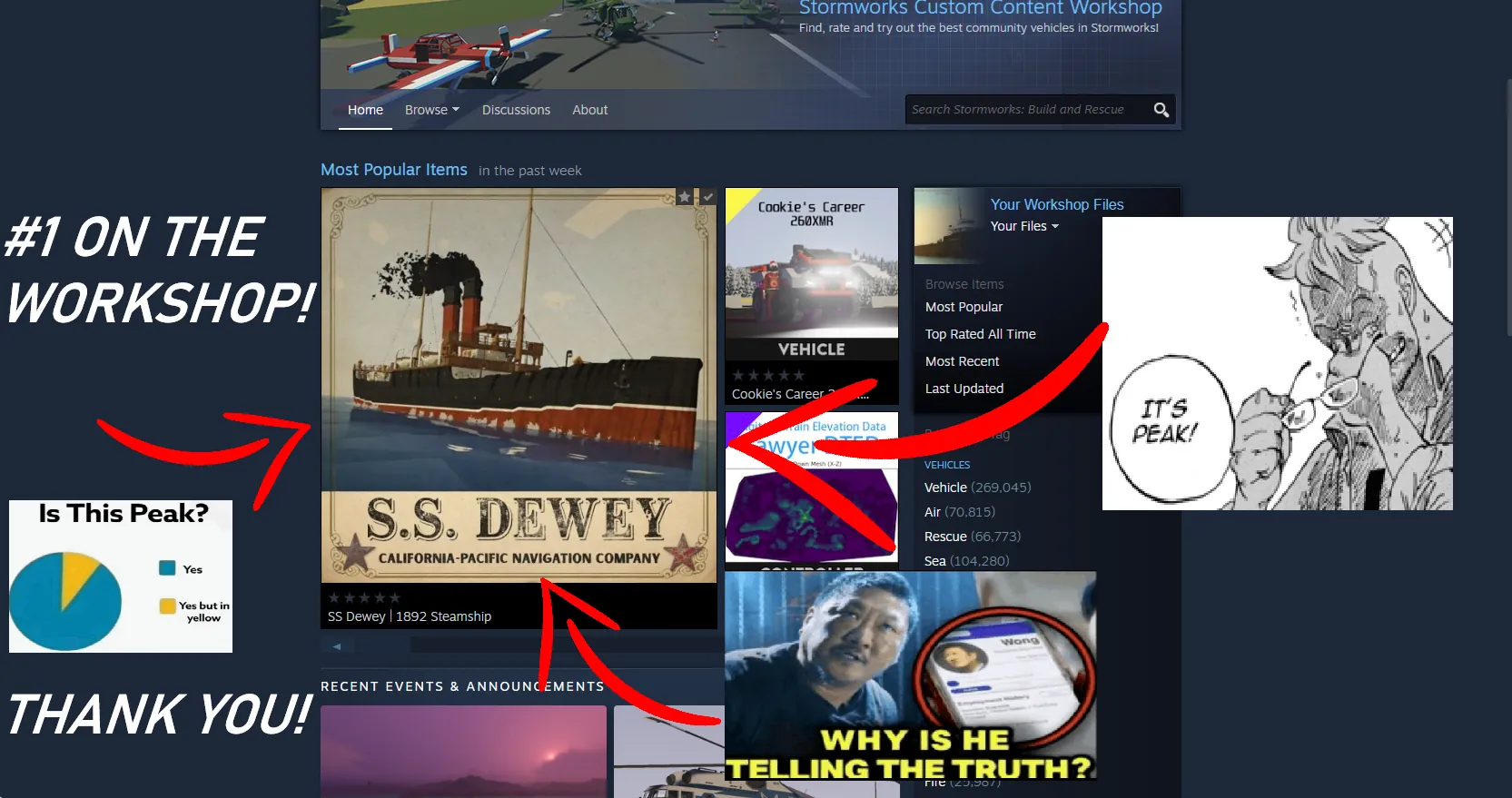
- THANK YOU! This ship was able to climb to #1 on the workshop thanks to the support of anybody who liked, downloaded, or even viewed the ship. Your support is greatly appreciated!
HISTORY:
It is almost the turn of the century. California's population is increasing rapidly as railways have granted settlers access to places along the Golden Coast. People flocked to California for endless opportunities and the Mediterranean Climate. Most of the population lived in Northern California. However, due to vessels such as the S.S. Dewey, and companies like the California-Pacific Navigation Company, southern California became arguably one of the most important areas in the United States by the turn of the century.
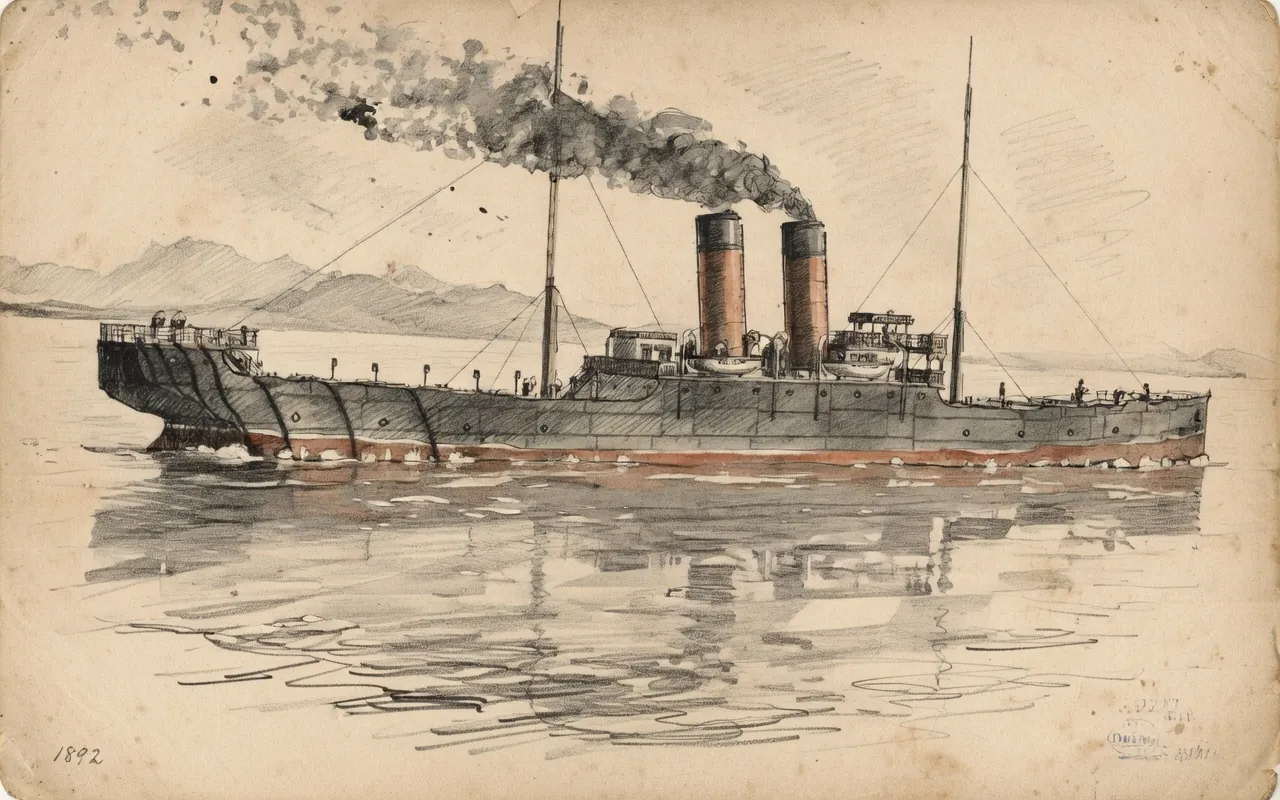
The California-Pacific Navigation Company was newly established in 1889, as a Cargo carrier based in San Francisco. However, competition was hard fought, as San Francisco was the United States' largest city on the West Coast. After much deliberation the company moved south to the growing city of Los Angeles, which every decade was doubling in population. The area was dry and needed imports for food, water, and goods from industrialized areas of the U.S. The California-Pacific Navigation Company capitalized on this need, and with the creation of the Long Wharf in Santa Monica, shipments could now come through sea rather than rail. The S.S. Dewey was one of three vessels in a class of ship meant for this role. It was designed as a cargo vessel while the other two vessels were designated as passenger vessels. While her sister ships mainly serviced the West Coast, the S.S. Dewey would service all throughout the Pacific. With the maiden voyage in 1892, it began a successful career for the Dewey.
After nearly a decade of trans-Pacific travel with little incident, the vessel began assisting the United States with the creation of the Panama Canal, servicing materials and resources for its construction. However, this arrangement only lasted for a year, before the S.S. Dewey was battered in a horrific unnamed Hurricane in 1907, while sailing off the coast of Baja California. The hurricane tore off lifeboats, severely bent the forward mast, and caused major denting and damage on the bow. Surprisingly, no sailors were killed or critically injured, though recounts of the event have mostly been lost to time.
After a brief time in drydock S.S. Dewey was back out on the Pacific. The ship was a workhorse, praised for its maneuverability and reliability. In 1908 the ship even picked up survivors of a fishing expedition when their resources ran dry off the coast of Japan. In 1912, the S.S. Dewey faced a second devastating storm in the Philippine Sea. This time however, the ship was damaged even worse by a category 3 typhoon (by todays standards of classification). The ship was damaged even worse this time and was assisted back to Los Angeles after being repaired in Japan. By 1912, the ship was the only one left out of its original trio. One of her sisters were scrapped while the other went missing. Though in remarkable condition, the California-Pacific Navigation Company found that it would cost too much money to fully repair the almost 25 year old ship. It was a miracle that the ship was even still floating. However, it was sold, then sold again, before being sold for parts in 1915. Throughout its career, Dewey transported hundreds of thousands of tons in resources and goods, and was part of the reason for the success of Southern California during the turn of the century.