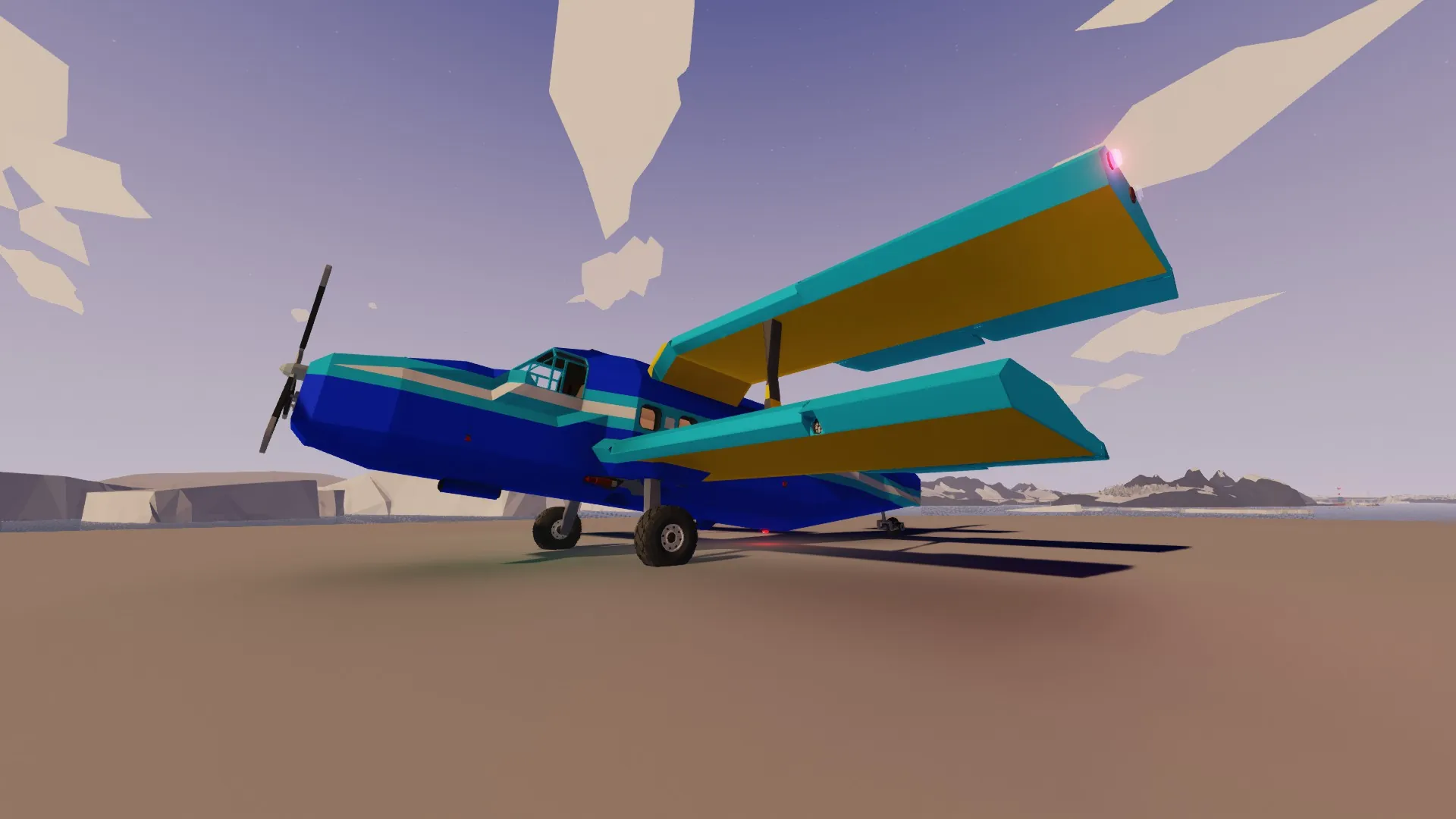
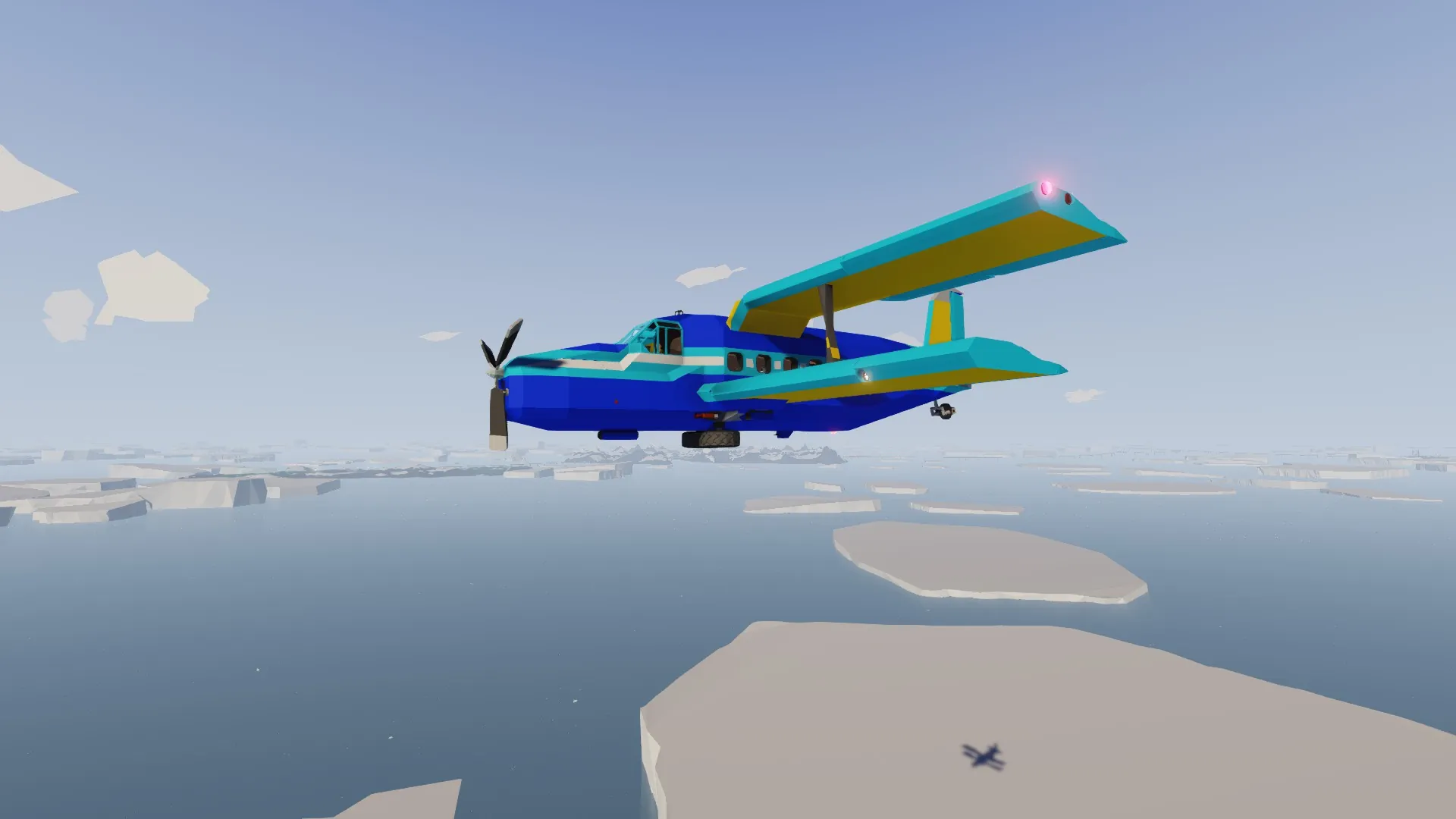
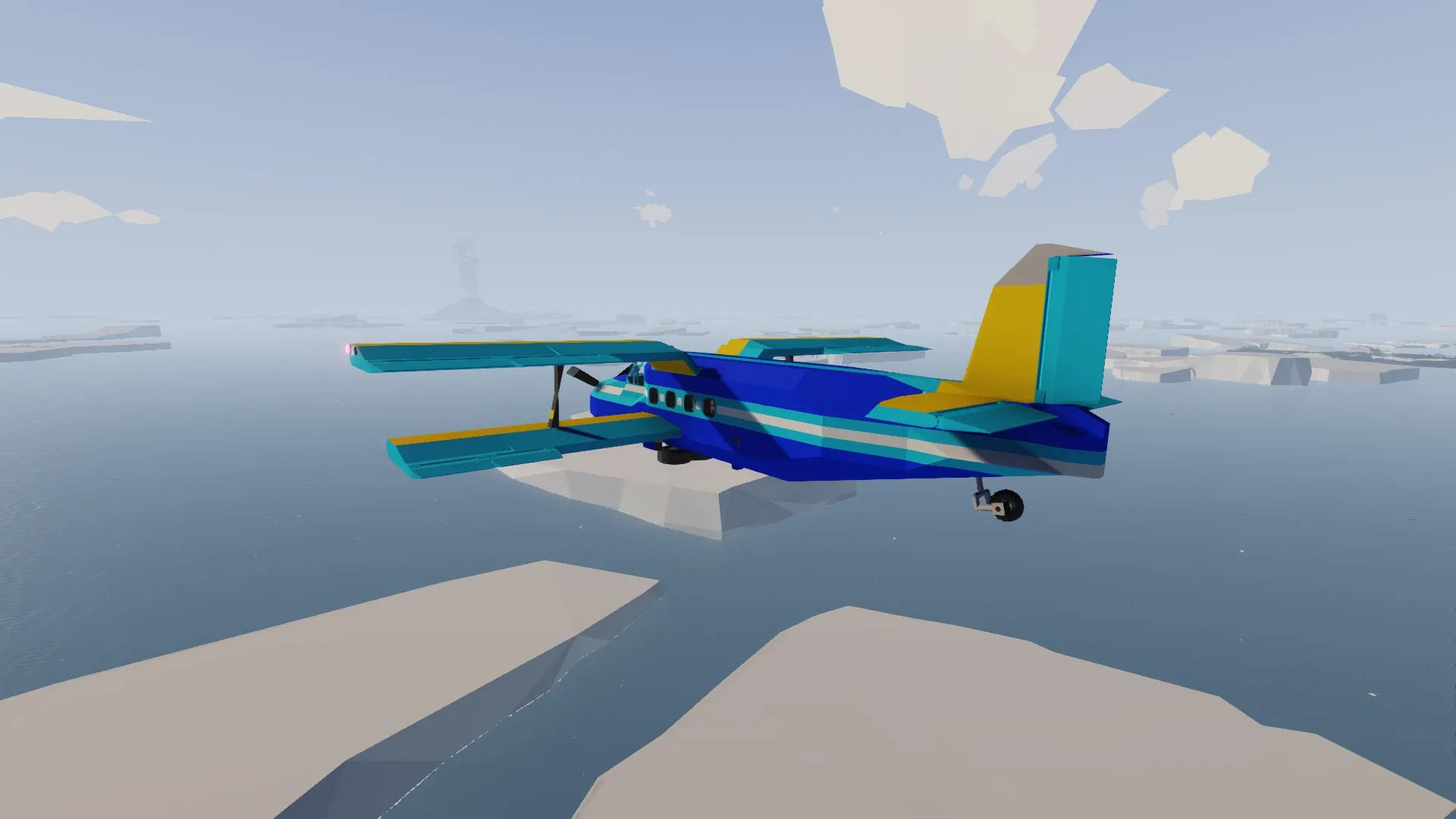
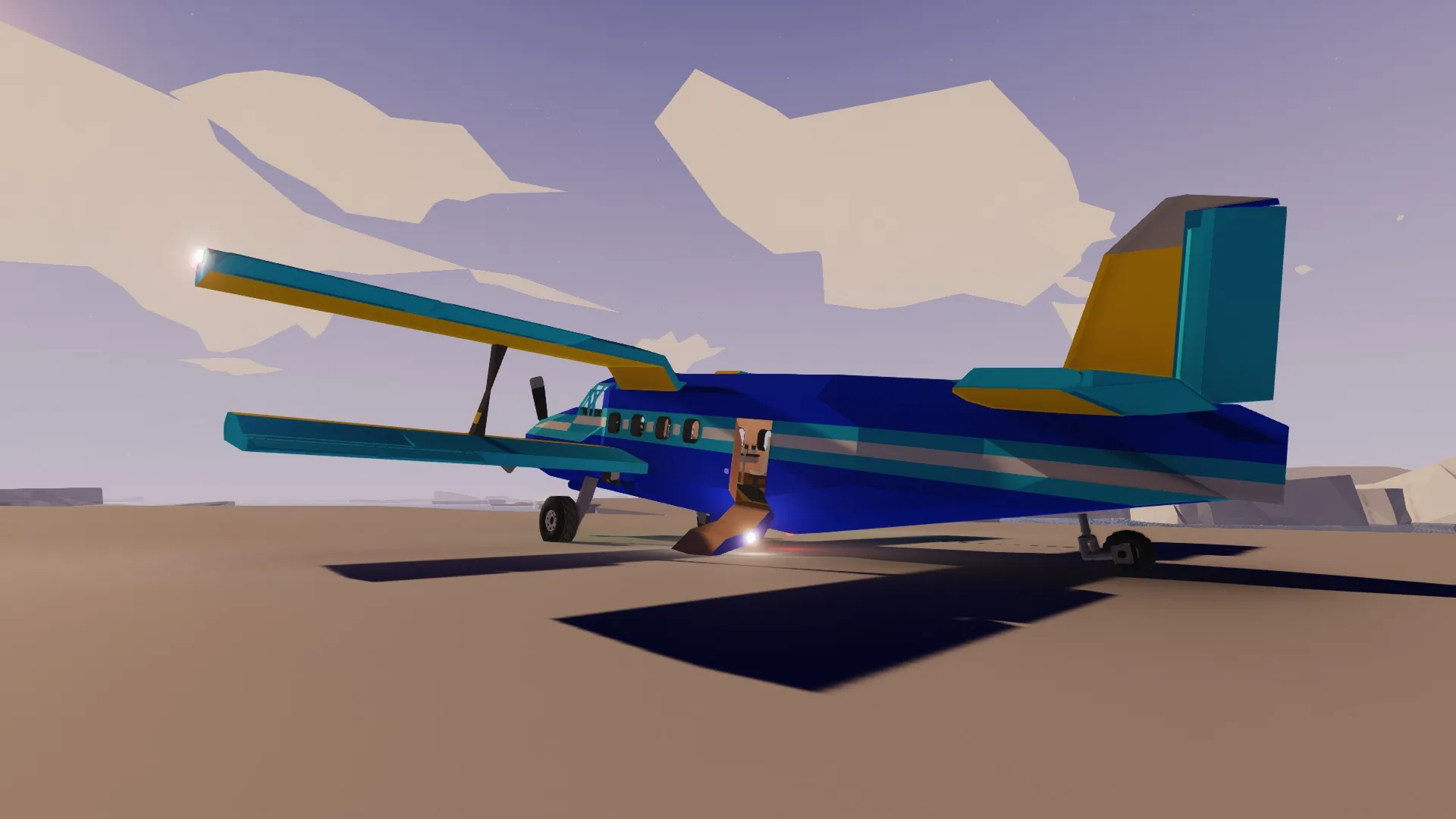
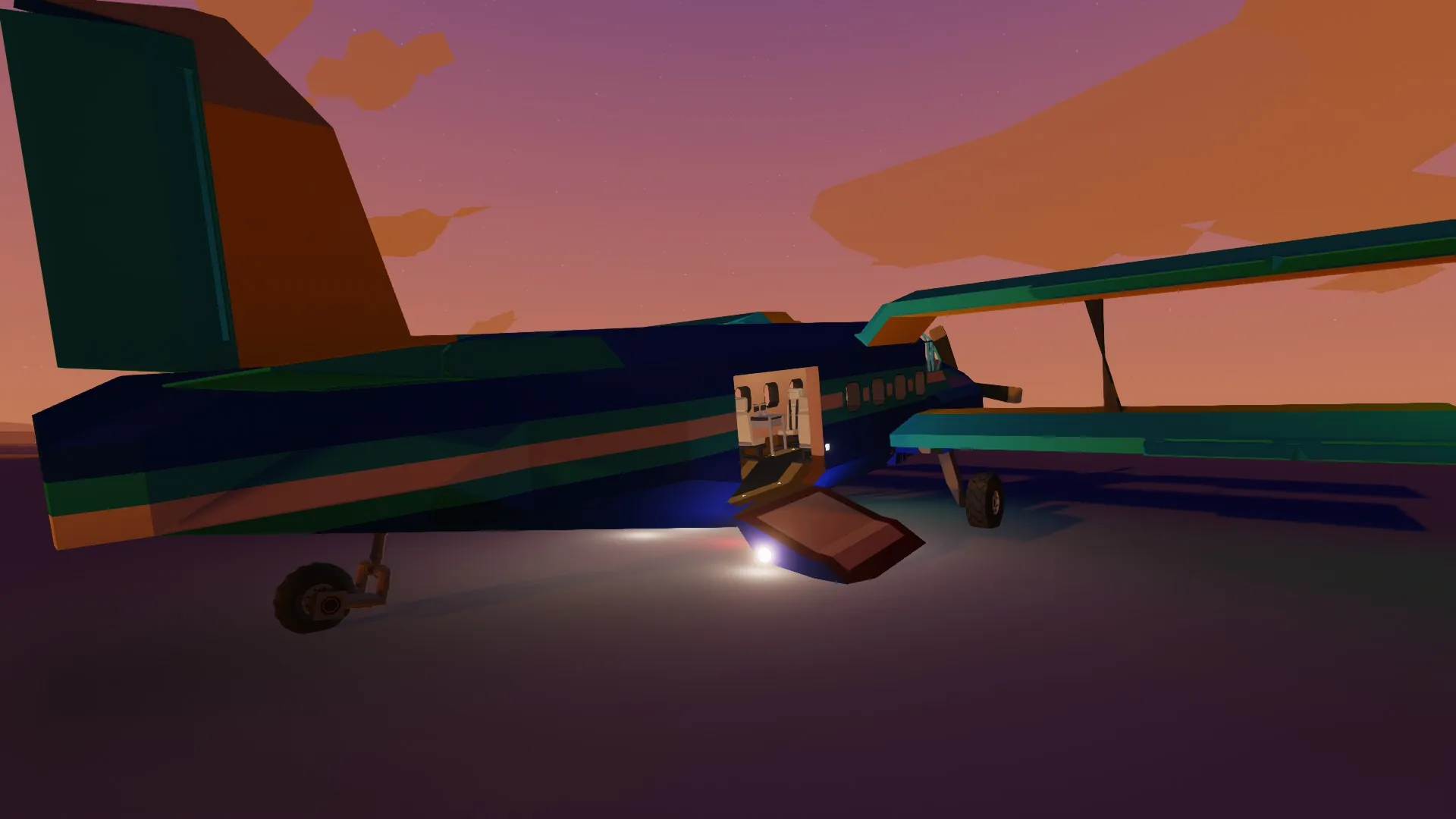
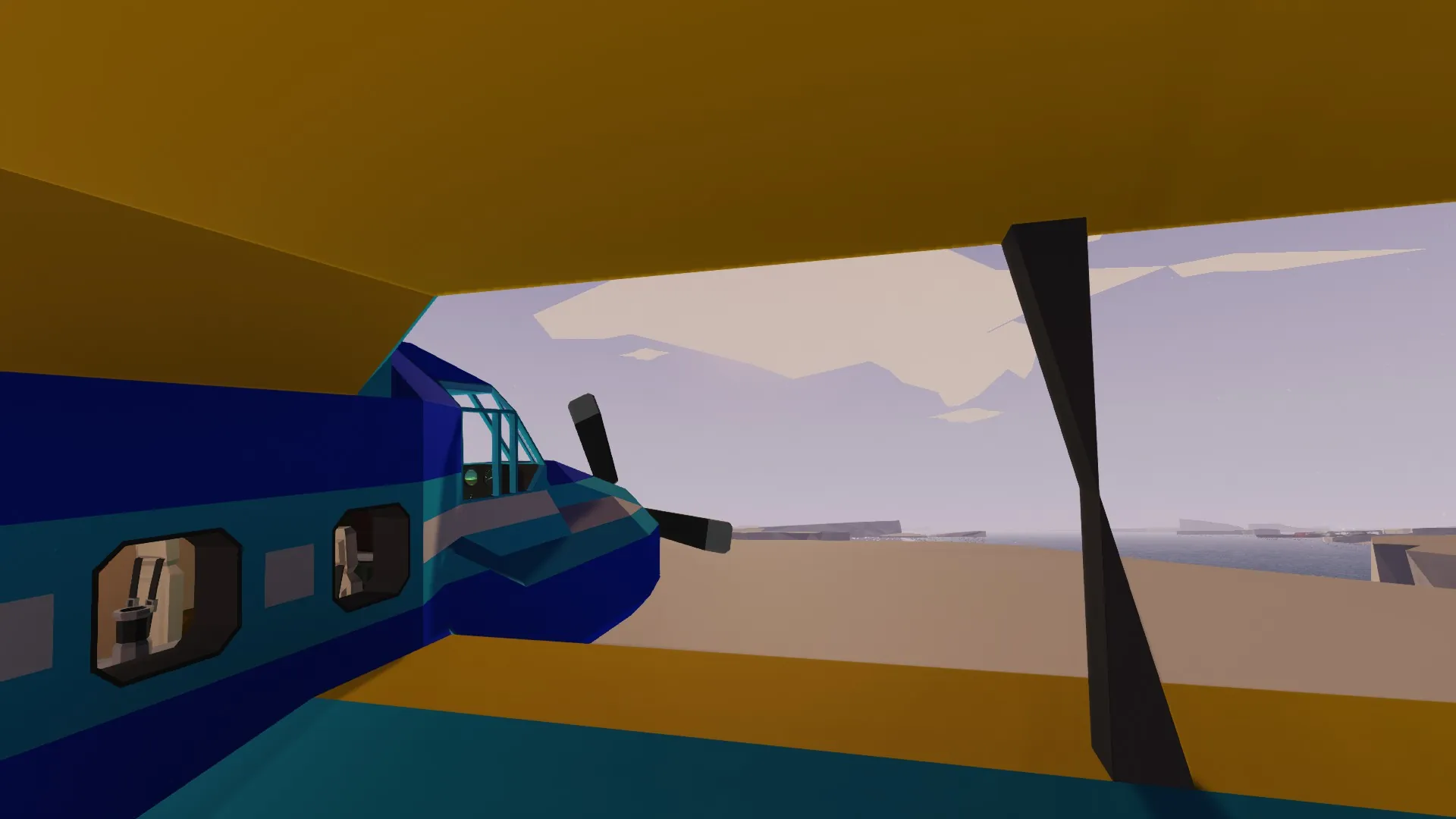
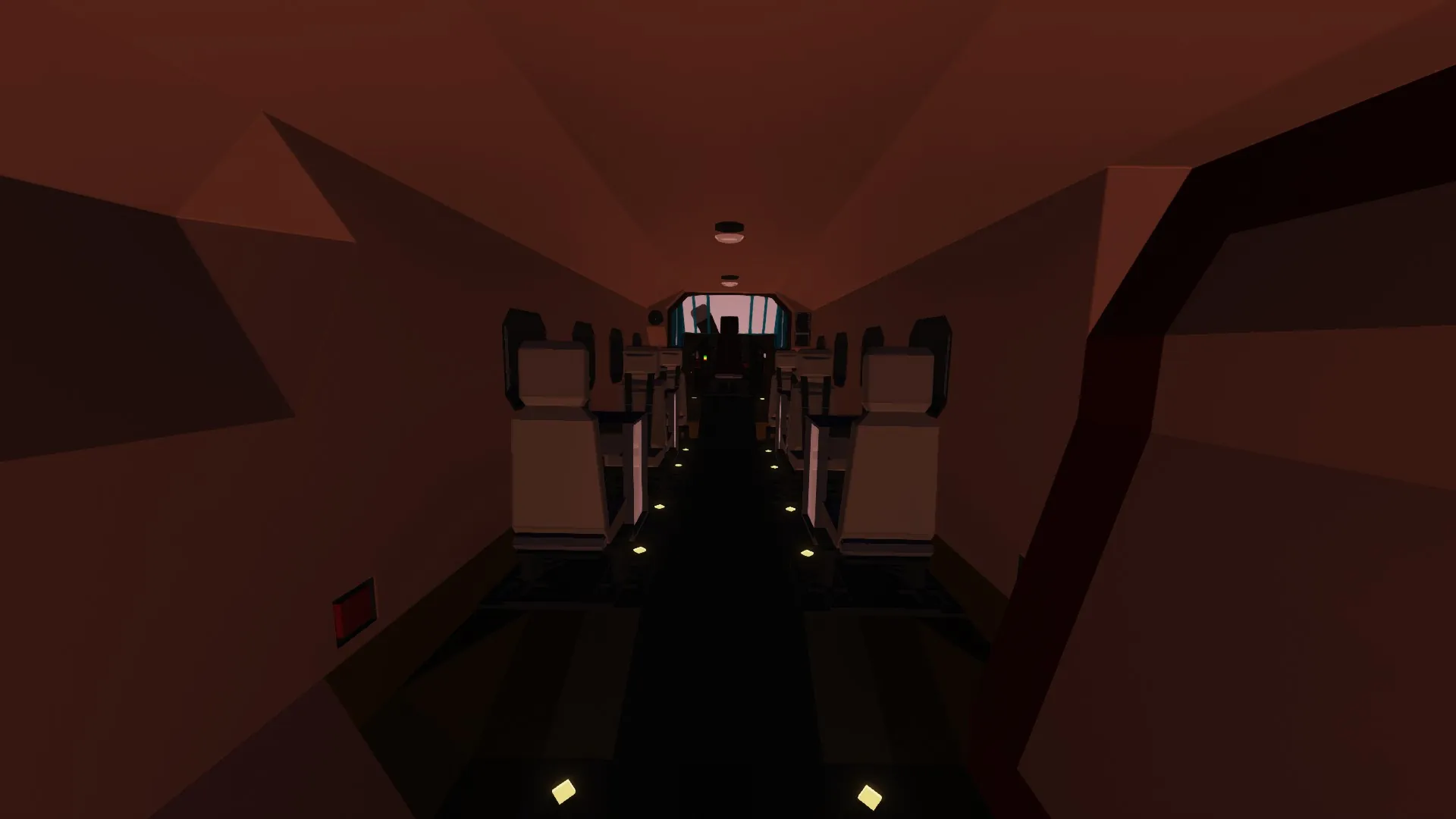
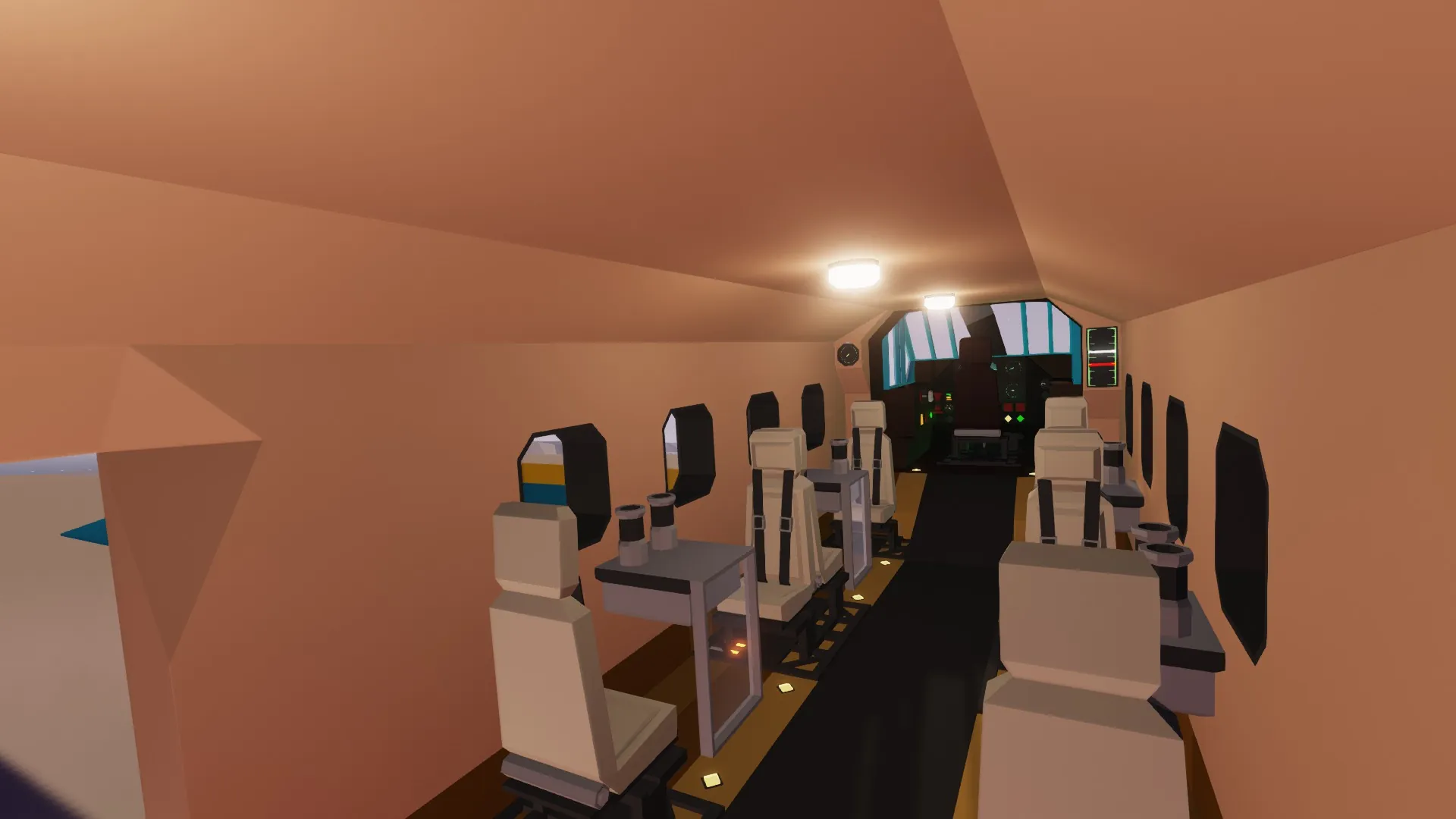
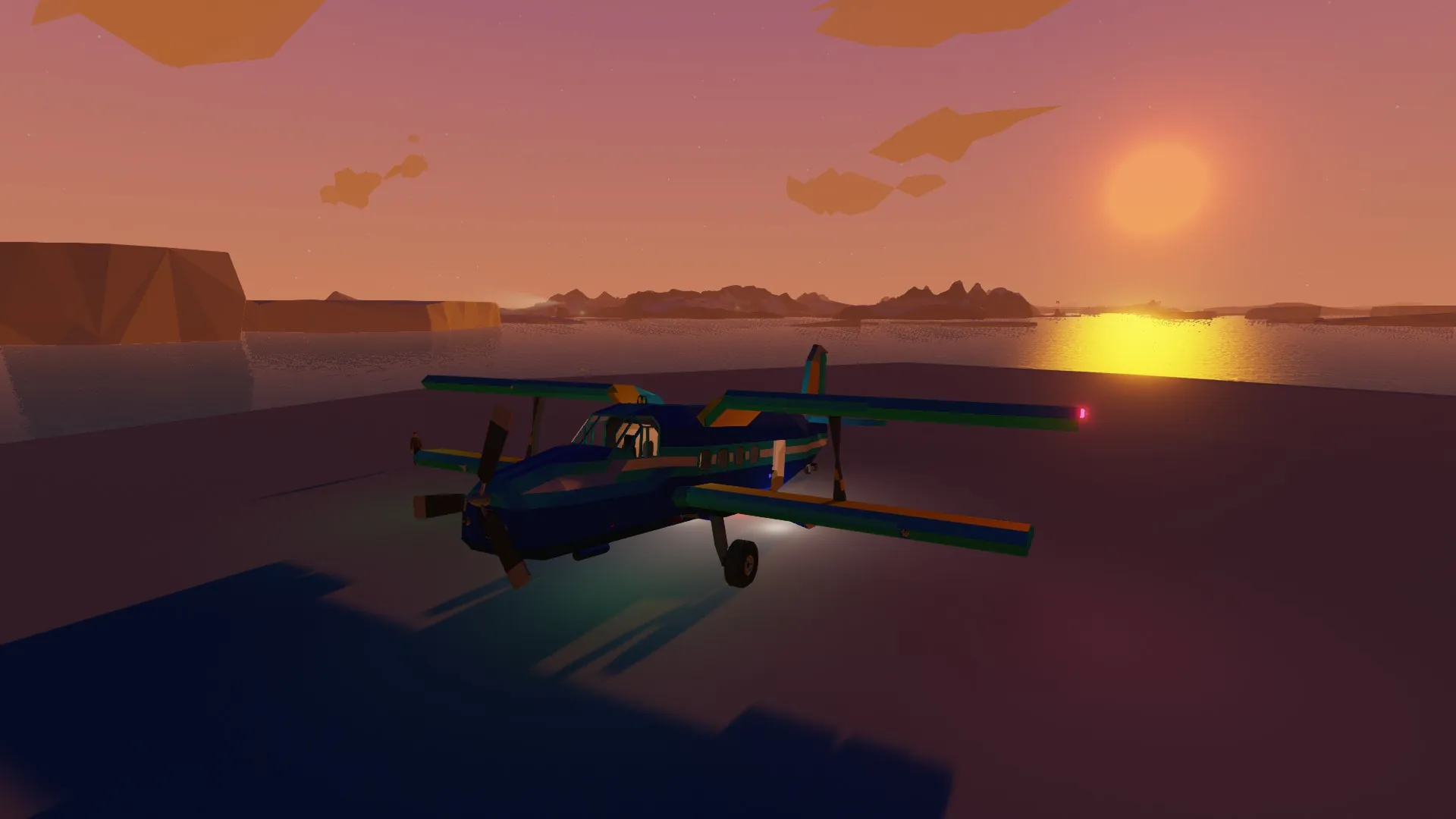
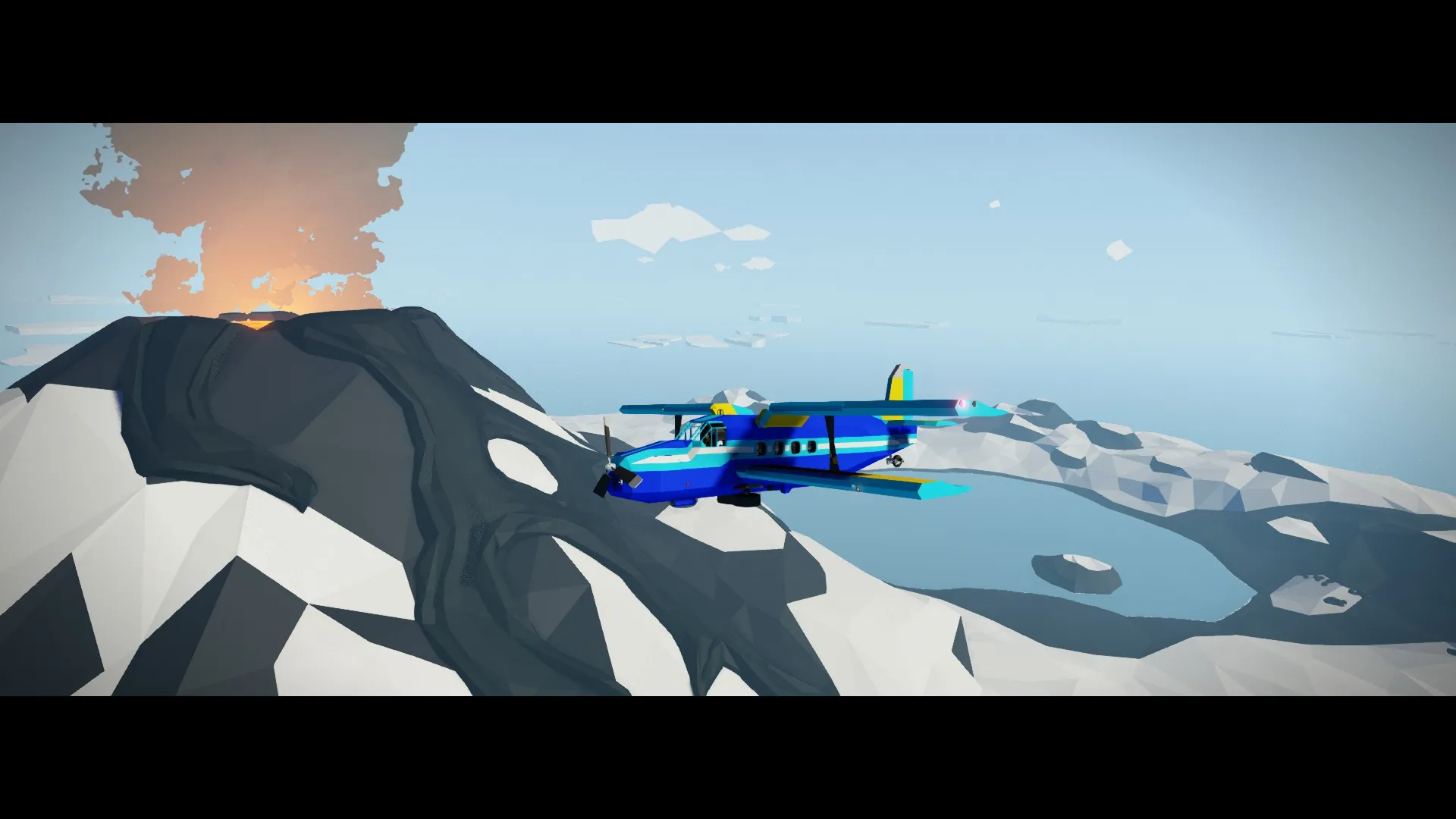
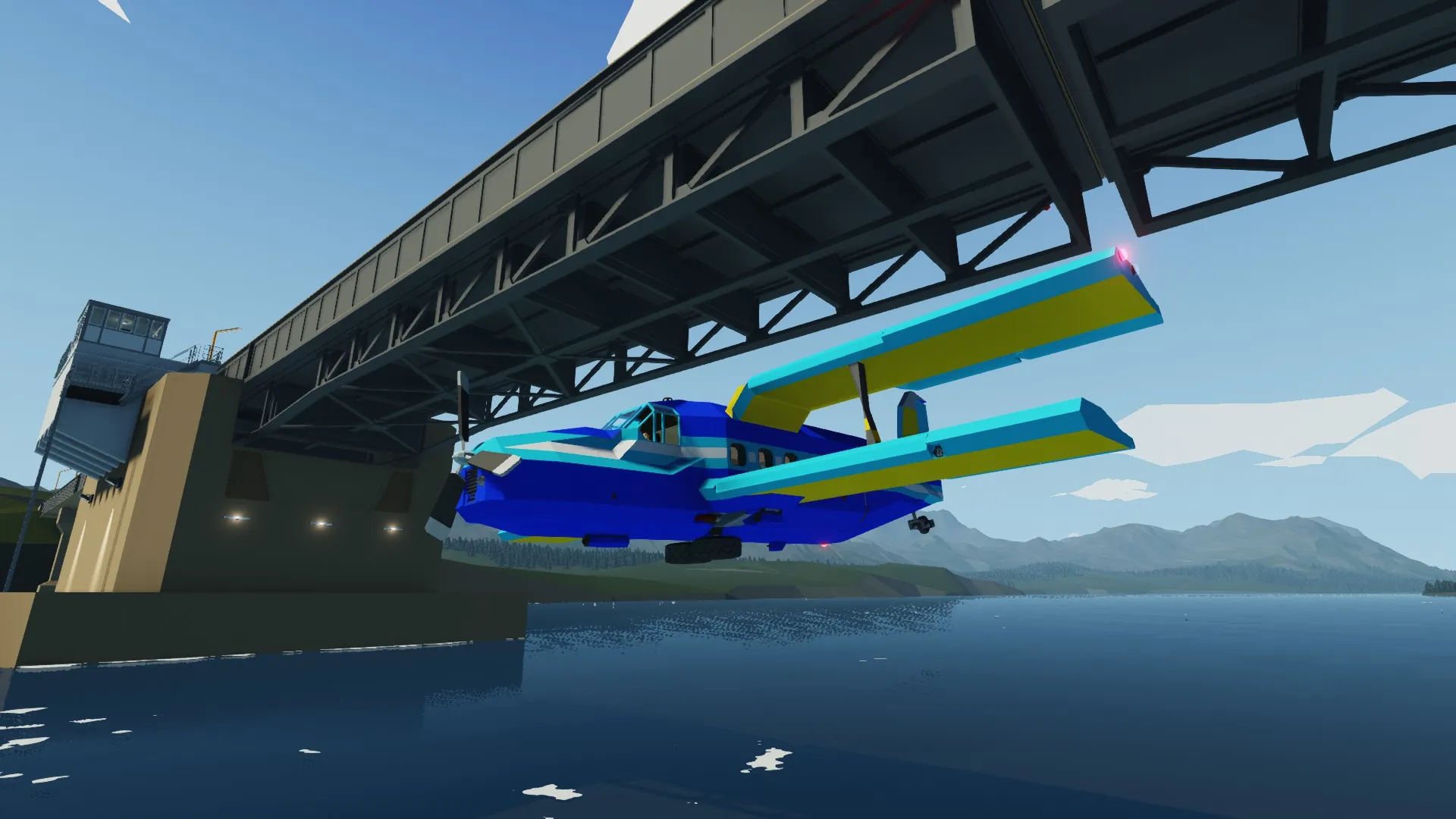
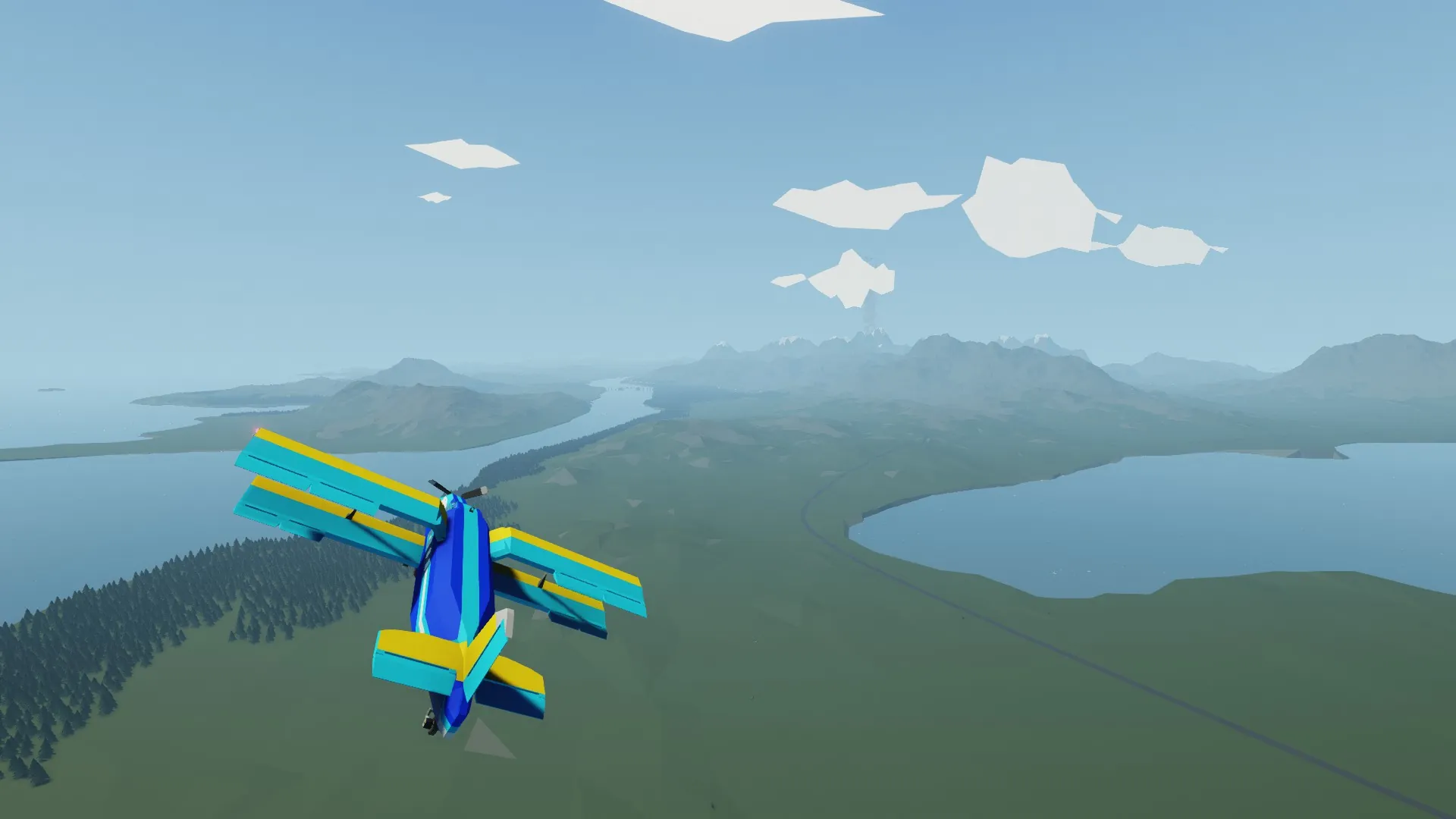
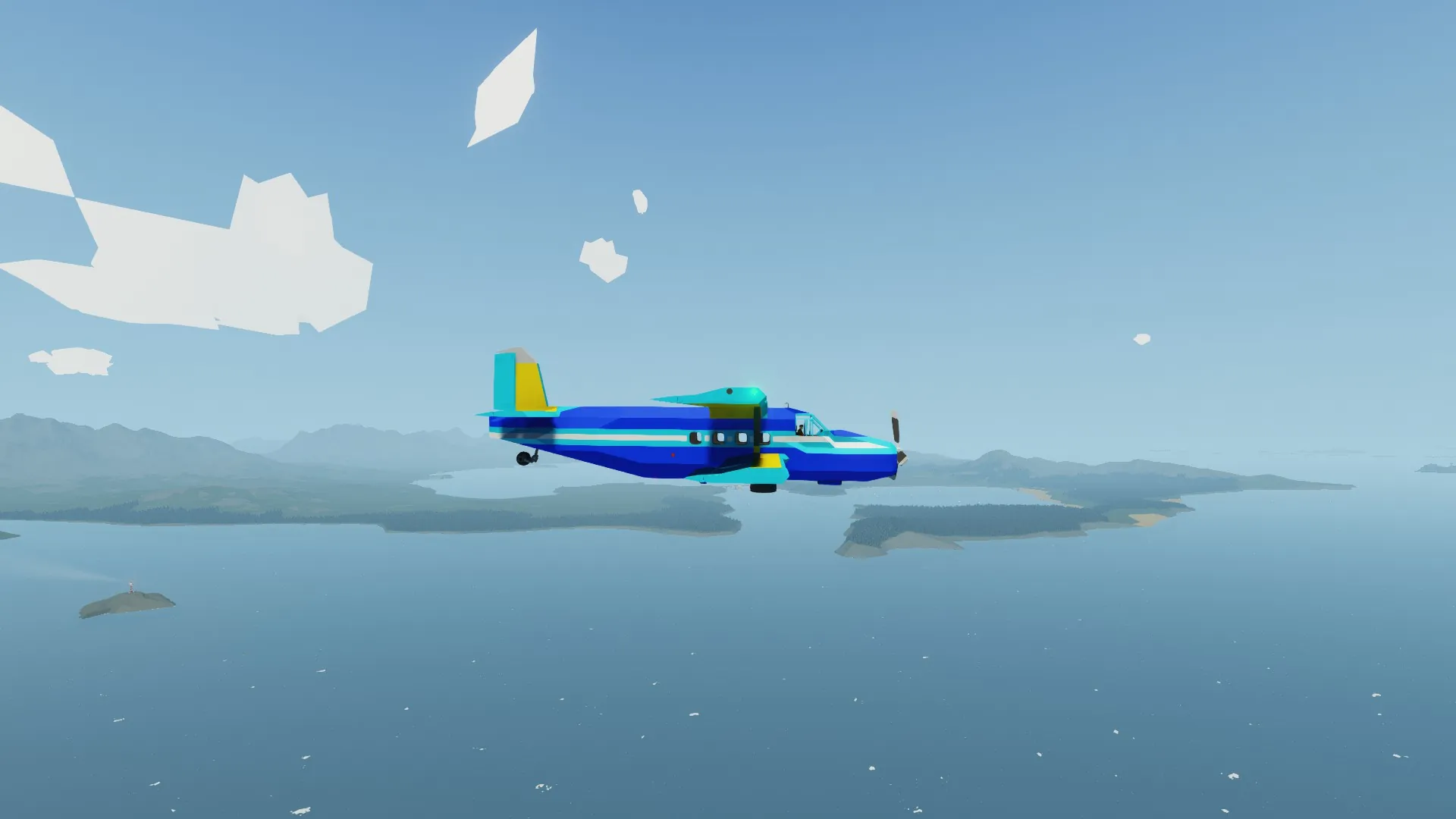
Biplane inspired by Ukrainian An-2 made for inter-island flights
During the Update of my first built and uploaded biplane, there were a few pleasant surprises.
Firstly, the low stall speed of ~55 knots (100 km/h), which is 30% less than most aircraft, also made some small innovations in the design of the instrument panel, which makes piloting much easier and more predictable. Of course, it handles smoothly and well, so I'm sharing it with you
Purpose - cargo/passenger
Cost - 36800$$
Stall speed - 55 knots (100 km/h)
Maximum speed 143 knots (264 km/h)
Flight range - 200 km
Altitude hold, Roll stabilisation
Short takeoff and landing (of course, with such a low stall speed)
Arctic ready
Useful equipment
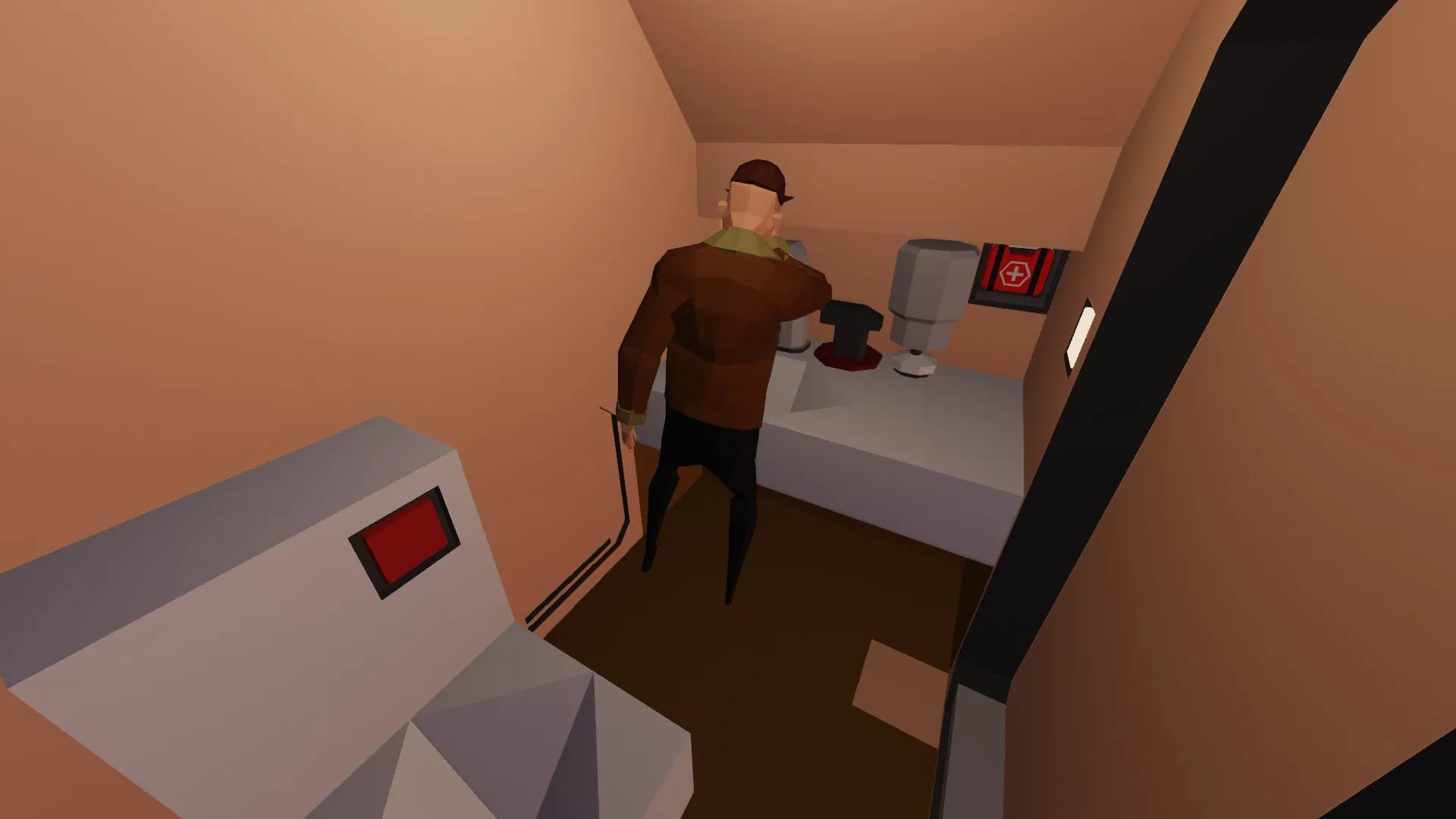
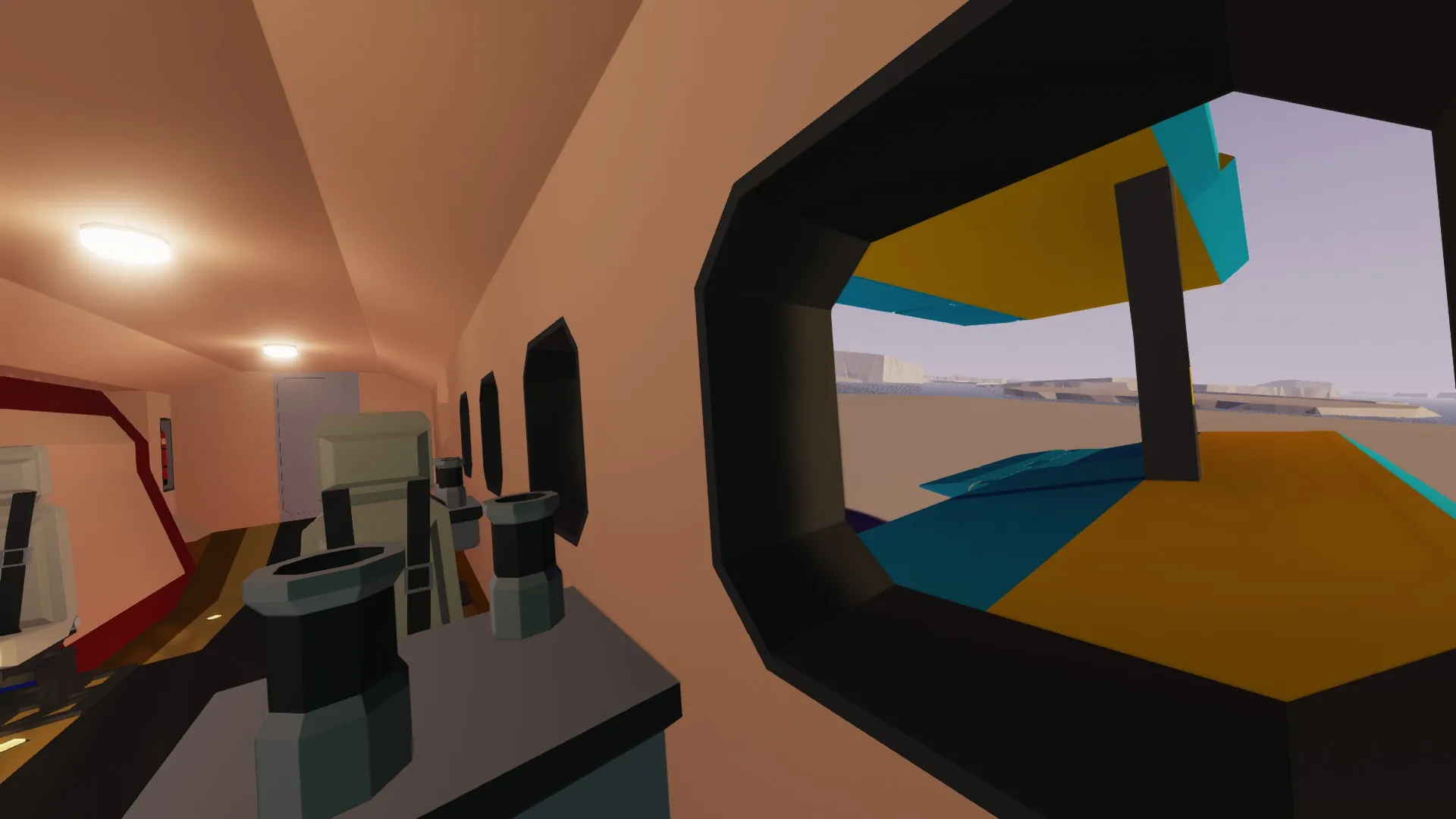
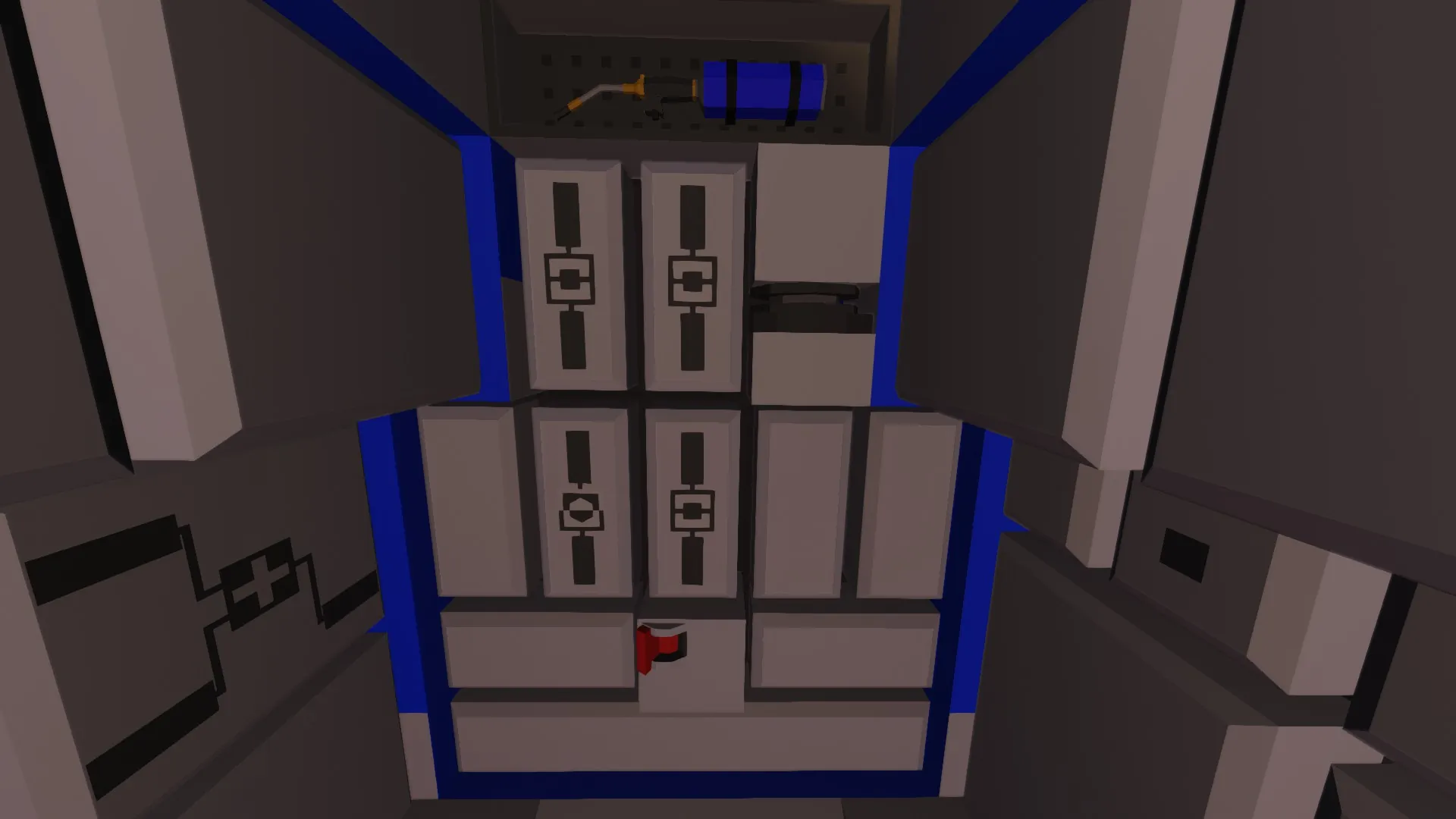
Access to all compartments of the aircraft so that everything can be repaired if necessary
Refuellable and rechargeable
==================== Checklist (start-up and flight manual) =================
- From the Pilot's Seat
1. Turn on the Main Power switch
2. Turn on the Engine Starter
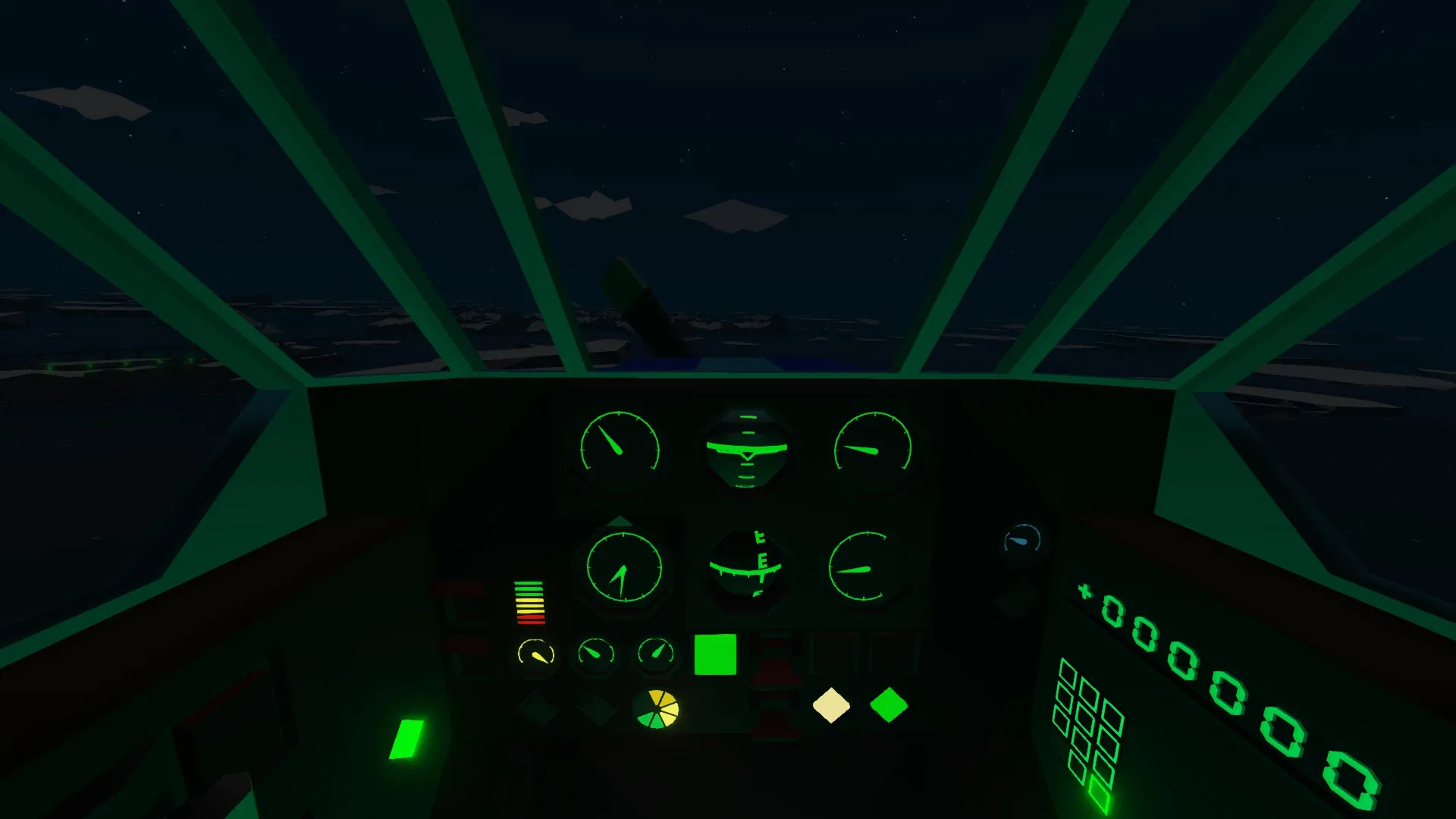
3. Adjust the lighting according to your needs
4. Release the Parking Brake (Button under the throttle)
5. Take off and fly.
6. Retract the Landing Gear
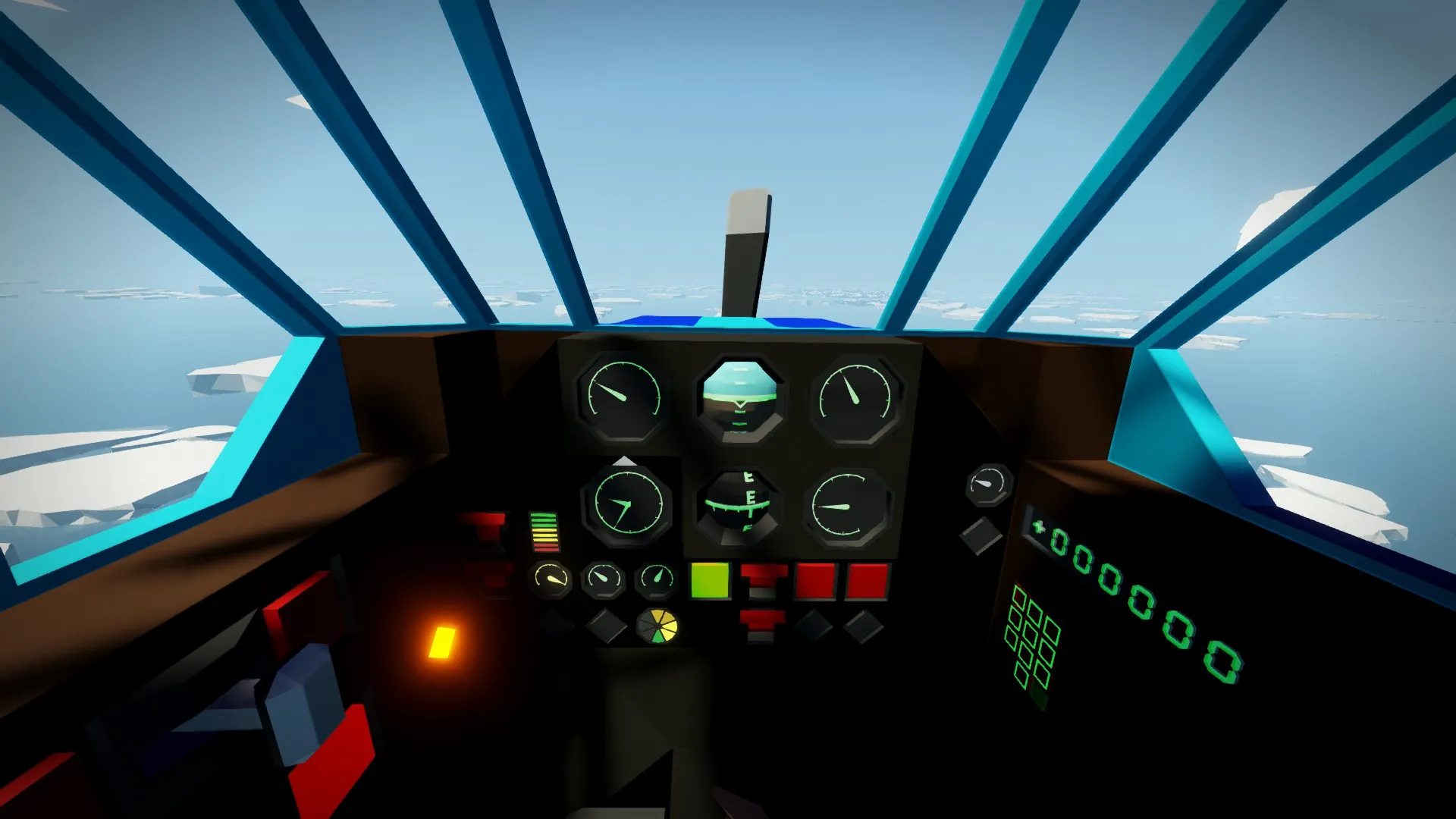
My Quality of Life on the instrument panel. Good to know
The minimum speed of the speedometer is set at the stall speed (55 knots), so if the "needle in the black", you do not have enough lift to fly, and when the needle touches the white zone - the wings are creating enough power for lift.
The radial 8-segment instrument displays the propeller speed. It is divided into two colors: Yellow and Green. As soon as the green light appears, your propeller is producing enough power, and the lift of your aircraft is slightly higher than the stall speed. If it is yellow, then not enough power is being created for lift.
Using these two data will make landing easier and more predictable, as well as piloting in general.