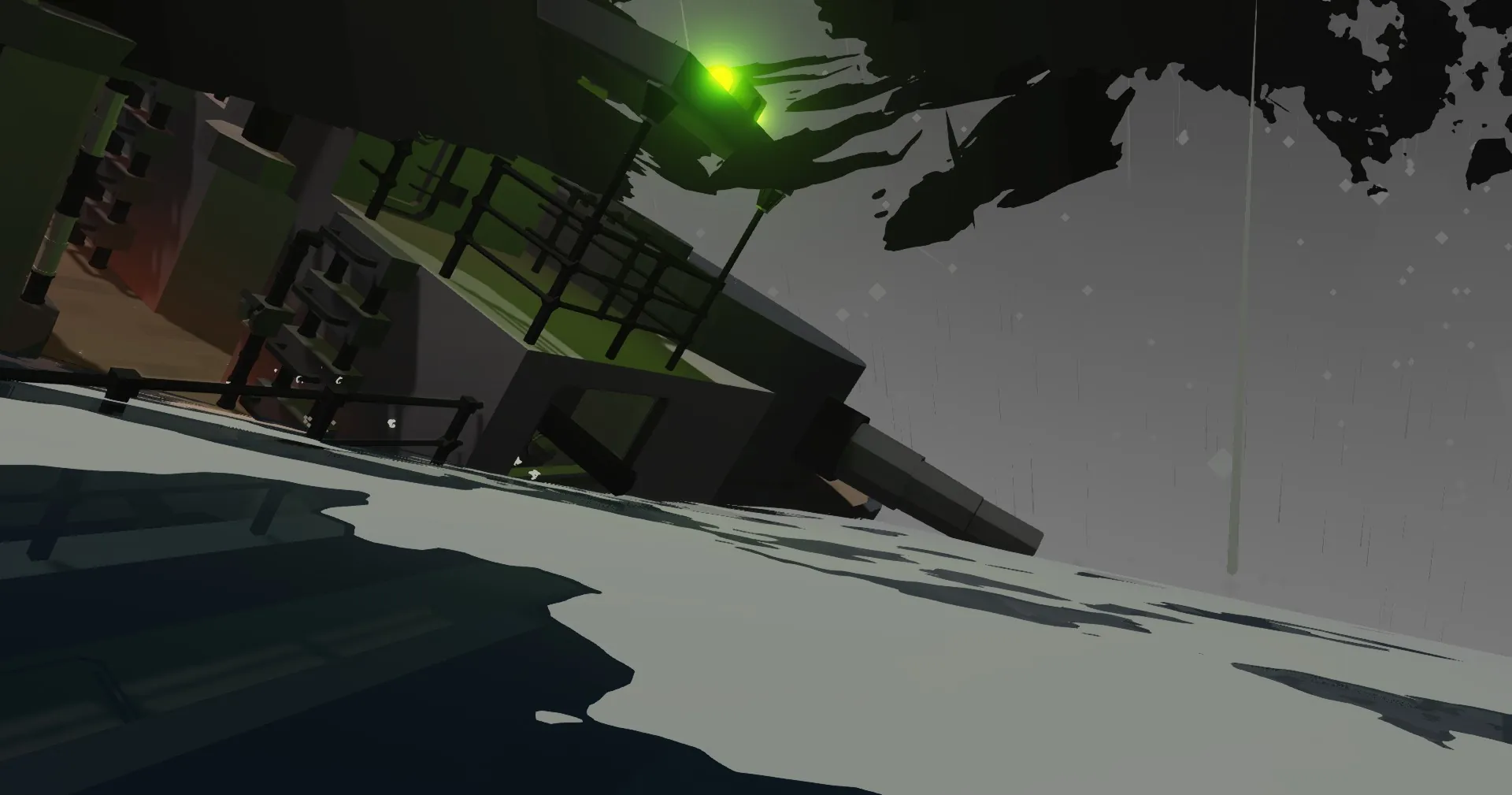
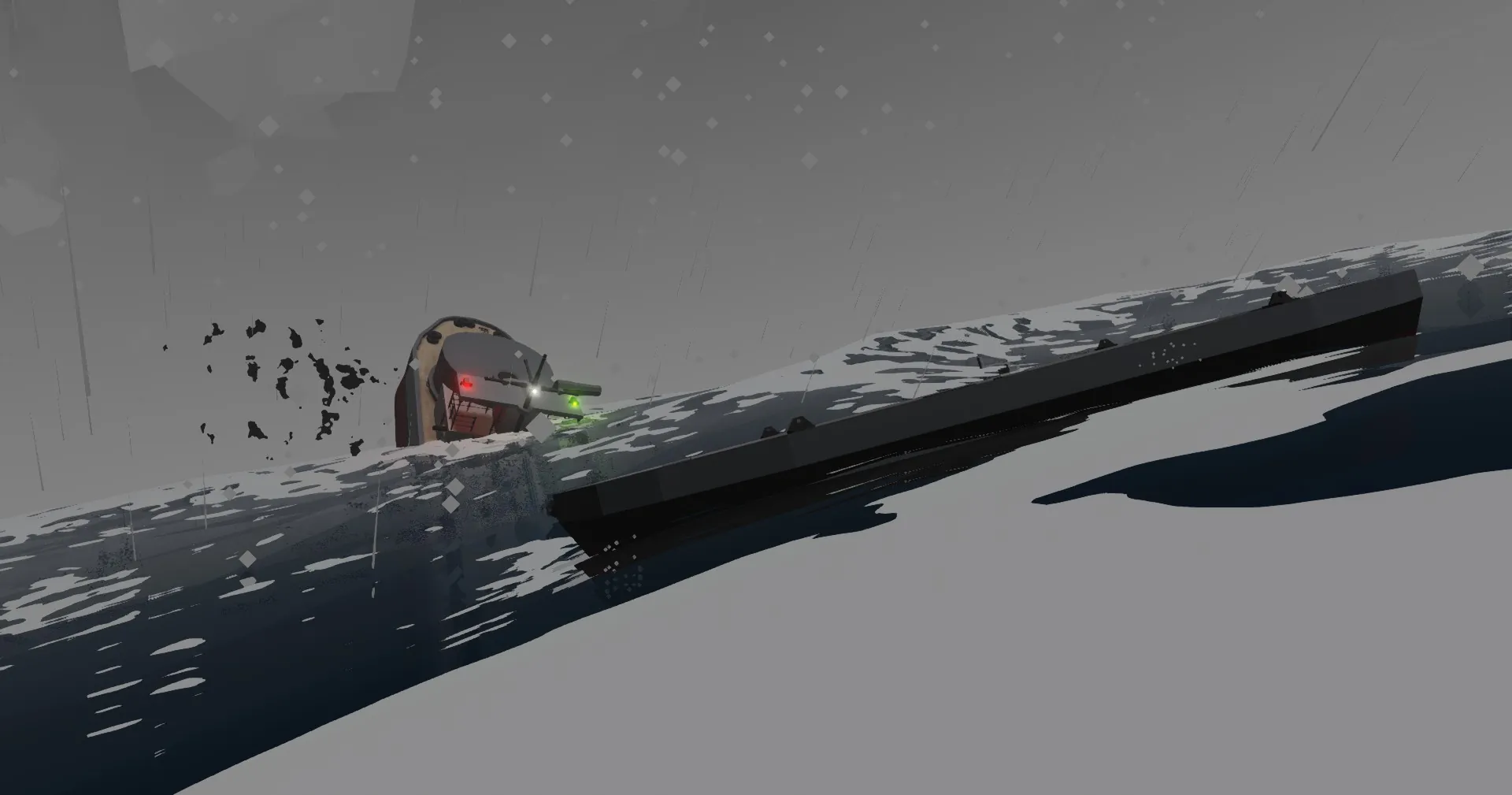
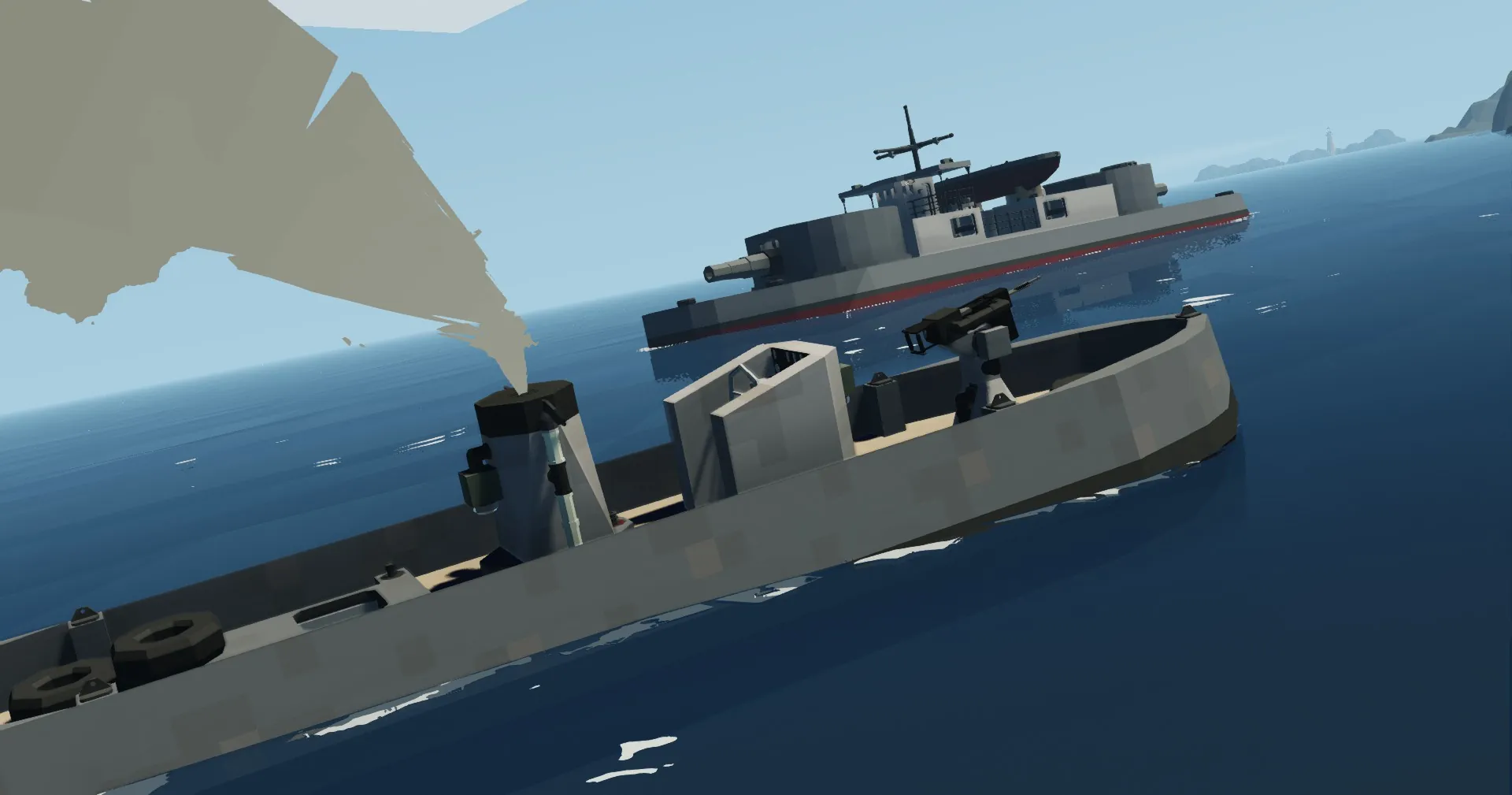
“The seals are failing, and water’s gushing in through the cracks and seams each time we turn and list. Y Turret’s gun keeps getting swamped. We’ve got rough seas ahead too, just to make things worse. The strait’s always rough.”
- the last entry in a diary recovered from the wreck of B.R.K.K. Vladimirovka, sistership of Korsakov, which foundered whilst on patrol near the Chastye Islands, 1915
Specifications
Builder: Vladivostok Shipyards
Laid Down: 31st May 1897
Launched: 6th October 1897
Commissioned: 5th April 1898
№ in Class: 1st
Total № in Class: 3
Propulsion: 1x Vladivostok-Werk 1O Coal-Fired Boiler
Top Speed: 13 Knots
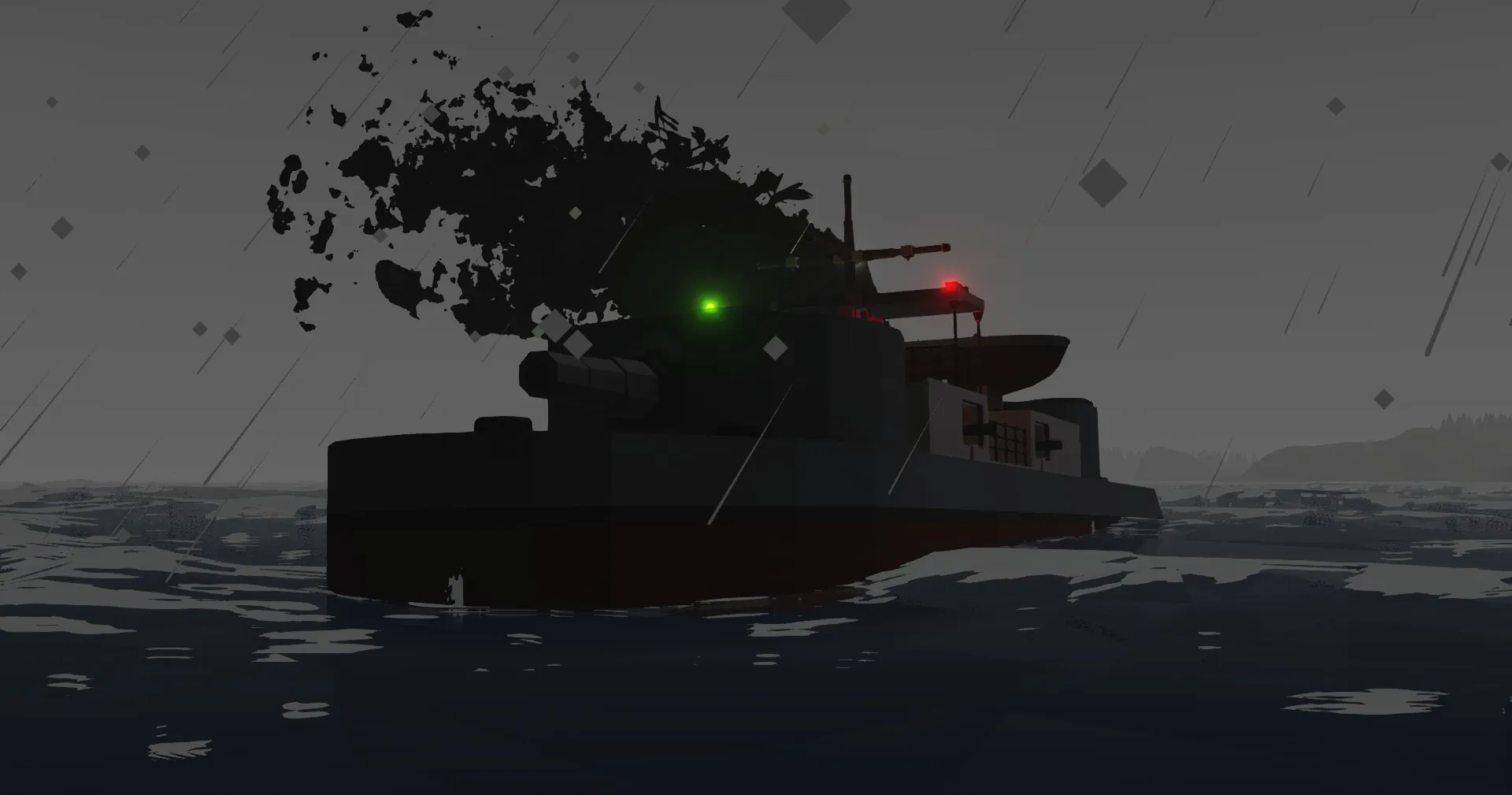
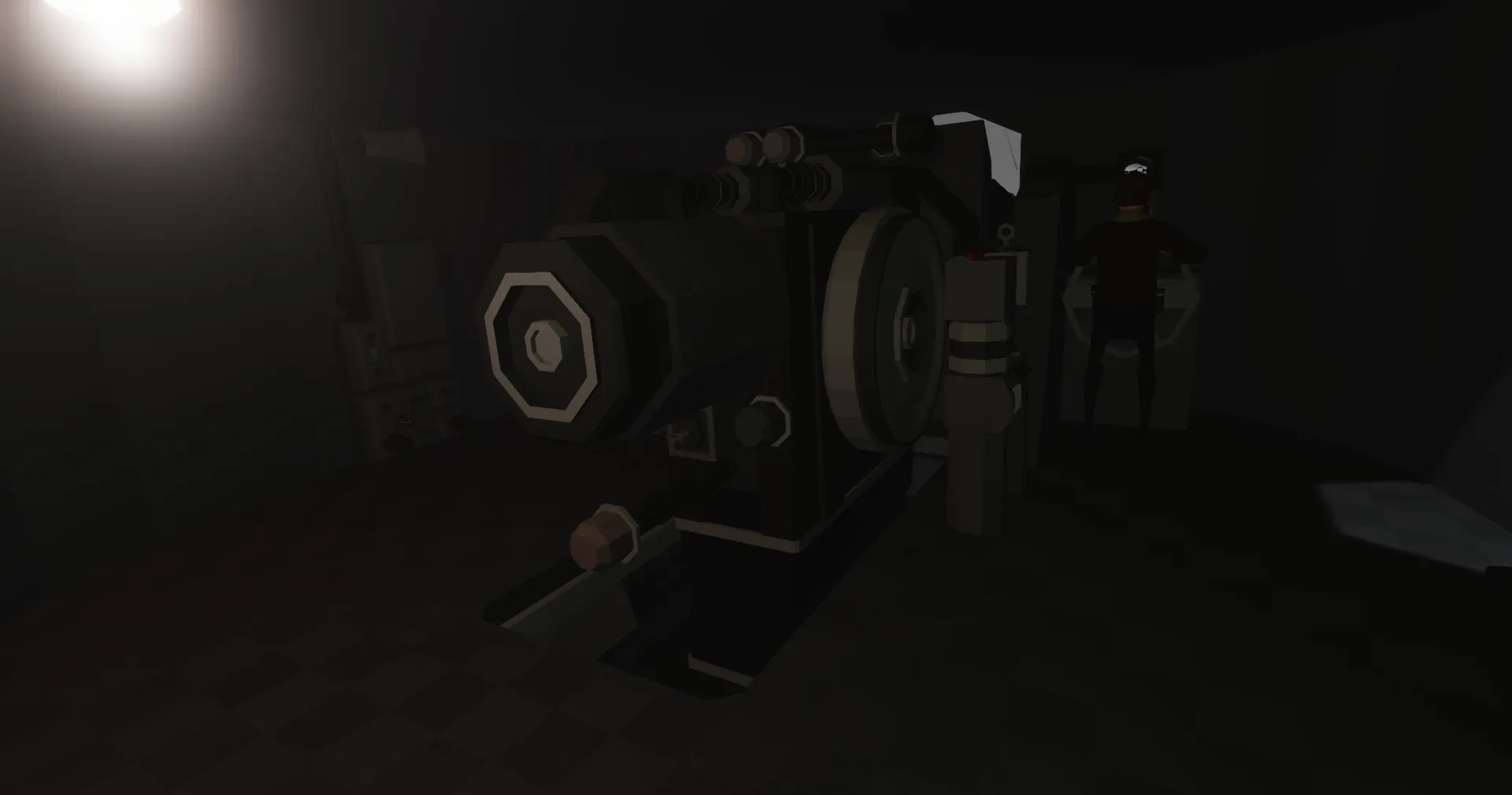
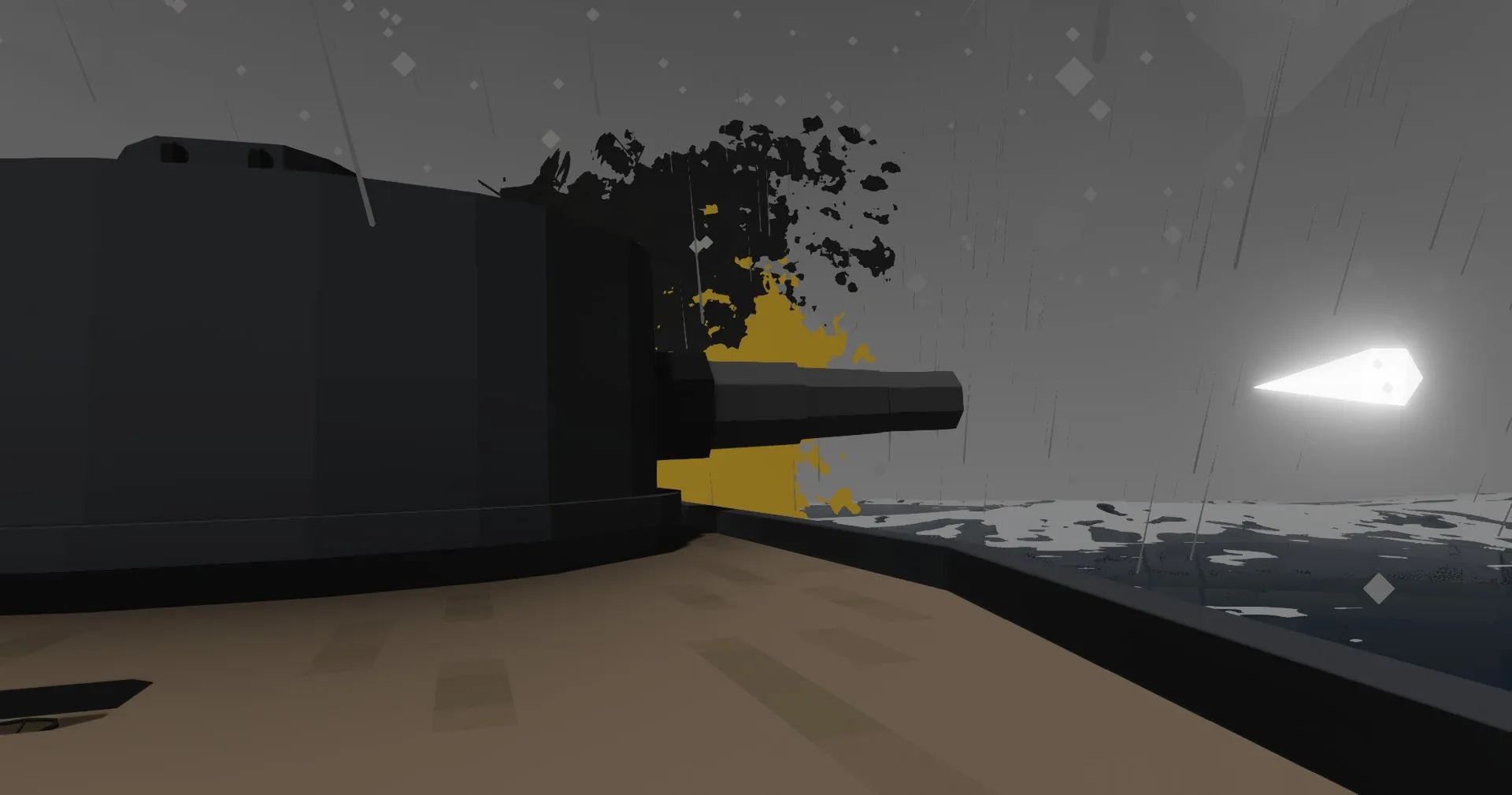
Armament(s): 2x Artura M1870 30.2cm Naval Mortars, 4x Oruz-Artura M1896 9.2cm Naval Guns
Description
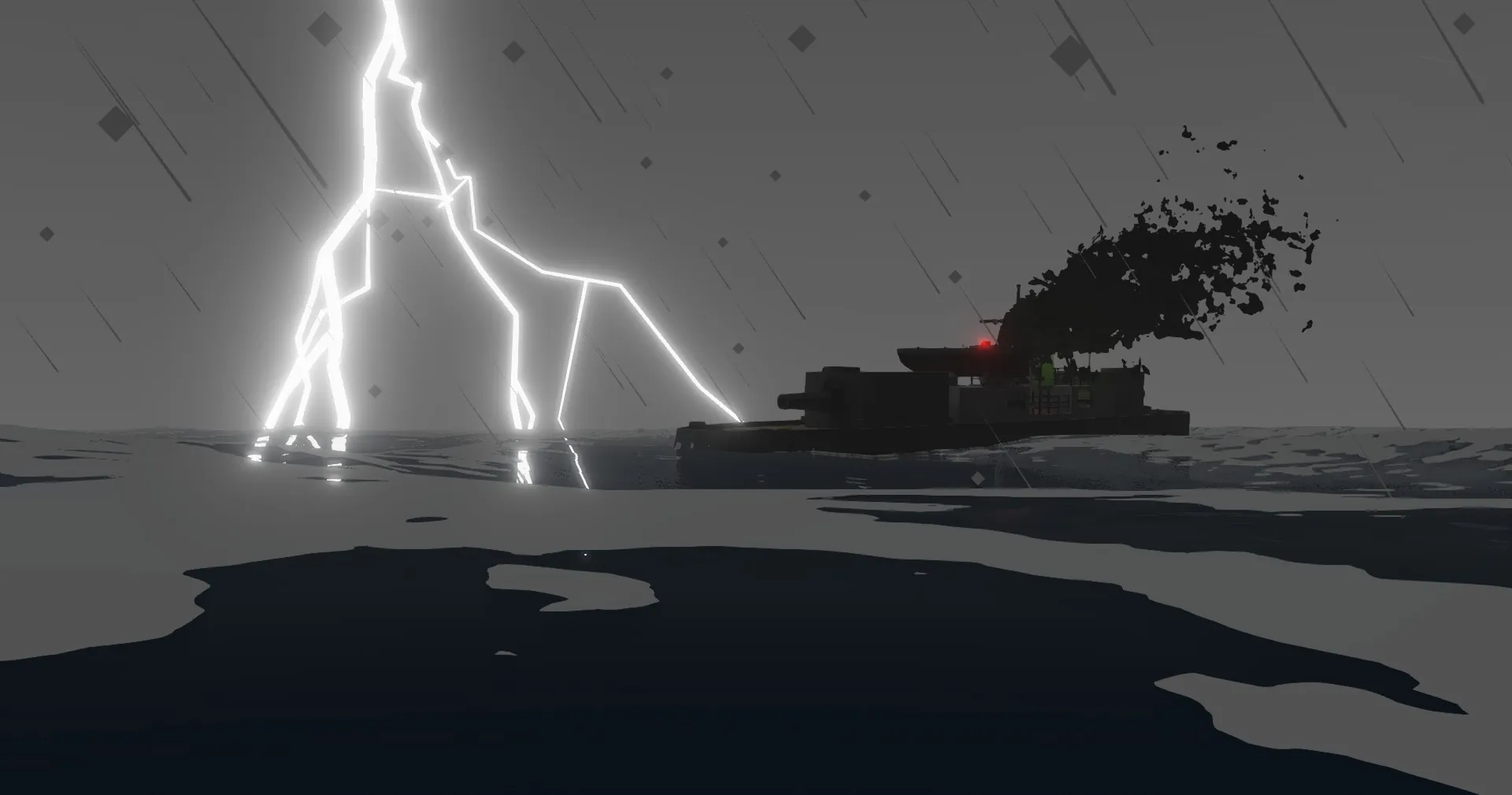
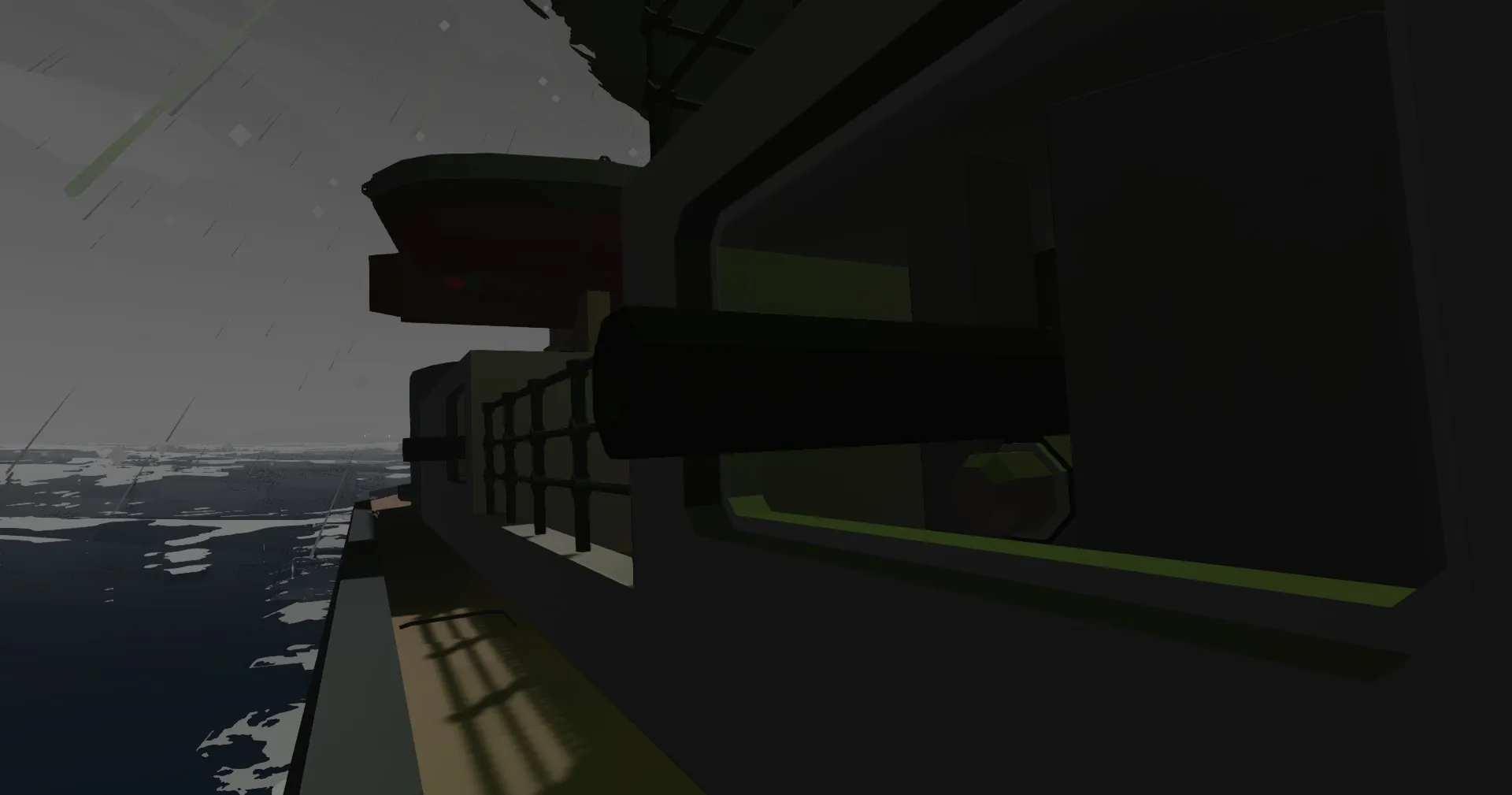
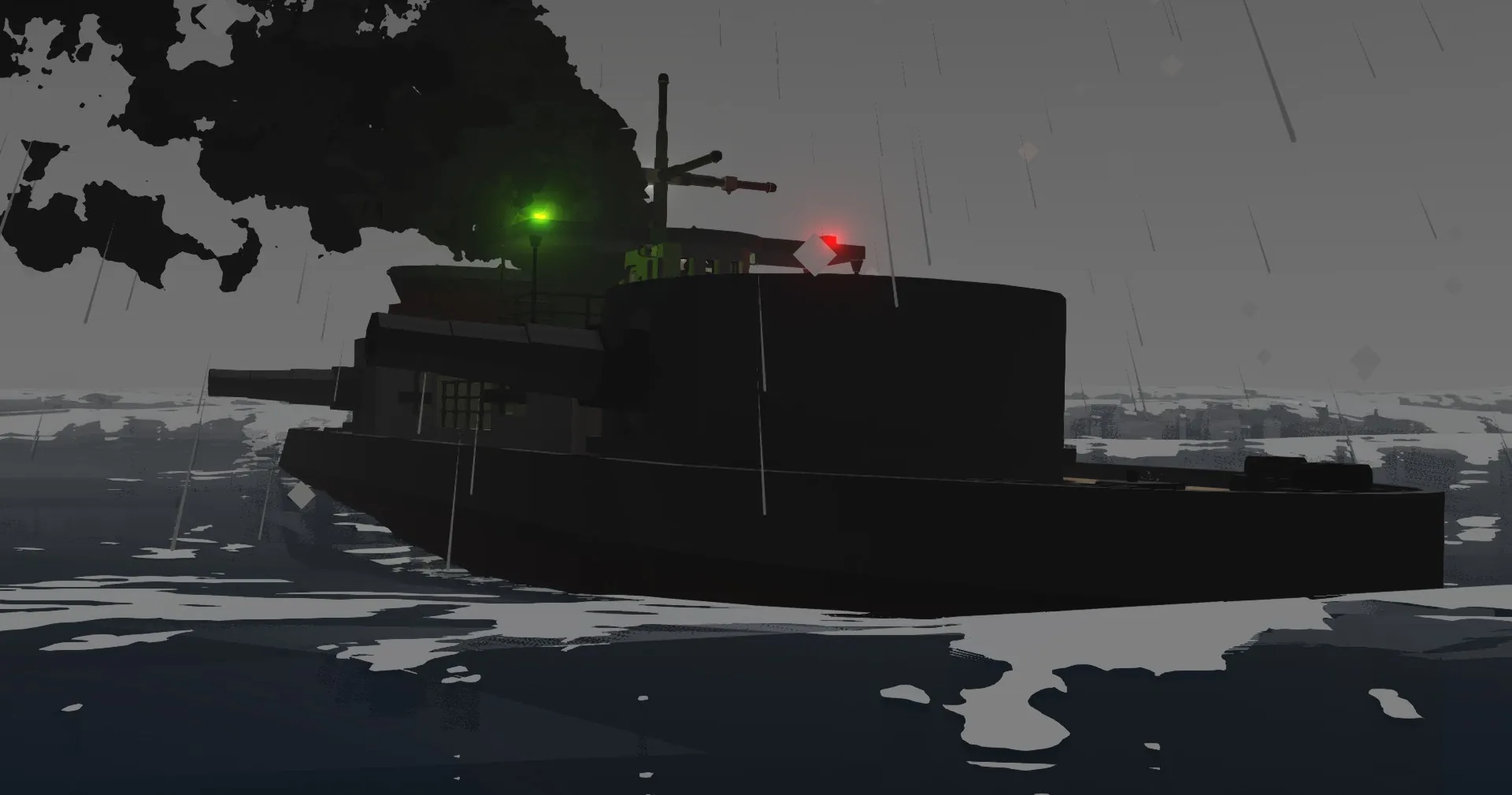
A small coastal monitor designed for tranquil waters; a ship which is powerful yet, if used incorrectly, quite easy to defeat. Meant to patrol smooth seas —- seas which, in northeast Asia, don’t really exist —- the massive turrets which house the gargantuan 30.2cm mortars are very vulnerable to flooding even due to simply a hard turn. When used correctly, however, the Korsakov can take on ships much more powerful than itself due to its small size and great armament.
History
Design and Production
One of Kamchatka’s first lines of defense at sea is the monitor fleet. Although the bluewater navy is split between the Pacific Fleet and Northern Fleet (made up of the Bering Fleet and the bitter, hardened Laptev Fleet), the monitors are of their own unit, being spread across Kamchatka’s wide coastline in one cohesive line. This line, known as the Guard Fleet, was made up primarily of ironclads and even sailships by the time of the Russo-Kamchat War; the resounding Russian victories at Anzhu and later Wrangel proved to Kamchatkan command that ironclads dating back to the sixties were not enough to hold back a modern foe. As such, after the abrupt end of the war in late 1896, multiple new types of vessels were drawn up including monitors of multiple sizes, the second smallest being dubbed Korsakov-class. The Naval Committee designed and ordered the first Korsakov into production in February of 1897 and the first ship, Korsakov itself, was laid down April 27th and commissioned April 5th of the following year. Without true testing of Korsakov, two more ships were laid down within the first few months of 1898 — these were Vladimirovka and Okha. All three were named for administrative cities in Sakhalin.
Deployment
Korsakov entered the service of the Kamchatkan Navy and was quickly found to be a rather temperamental ship, being prone to pitching and listing when sailing and turning. Korsakov soon earned a reputation among crew and other ships as being essentially a foundering waiting to happen; only a few months after its commissioning, the brand-new monitor nearly foundered just outside of its home port of Nakhodka. Once the vessel had acquired a crew experienced enough to properly handle the tricky sailing characteristics, Korsakov became a constant sight about the entirety of the Nakhodka - Port Arthur area, patrolling around the Korean peninsula and its surroundings almost constantly due to its longevity, namely the sheer amount of coal carried aboard. However, Korsakov saw no true combat until the outbreak of the Kamchat-Japanese War in 1904, as the monitor was en route to Port Arthur when Japanese shells began to fall upon the port.
Unaware of the attack on the port, Korsakov sailed within sight range of the port and is reported to have been seen roughly ten kilometers from the port, stopped. Korsakov continued sailing closer to the besieged port and was fired upon by smaller vessels as it went. The monitor began firing on the Japanese fleet from a distance of six kilometers before being bombarded by the Japanese rear guard; Korsakov began trying to back away from the Japanese line, evidently trying to escape — the final moments of the vessel are not exactly clear as they were recorded from eyewitness accounts taken from shoreline. A great ball of fire and a mushroom cloud of smoke were seen shooting into the sky a few moments later, assumed to be the explosion of the ammunition racks. Korsakov was sunk at the end of its first engagement, having crippled two Japanese armored cruisers and sunk a destroyer.
Korsakov itself was raised in 1919, the guns salvaged and the rest of the ship scrapped. The monitor’s sisterships, Vladimirovka (which foundered once in 1915 and again in 1917, raised both times) and Okha, were modernized once in 1920 and again in 1936.