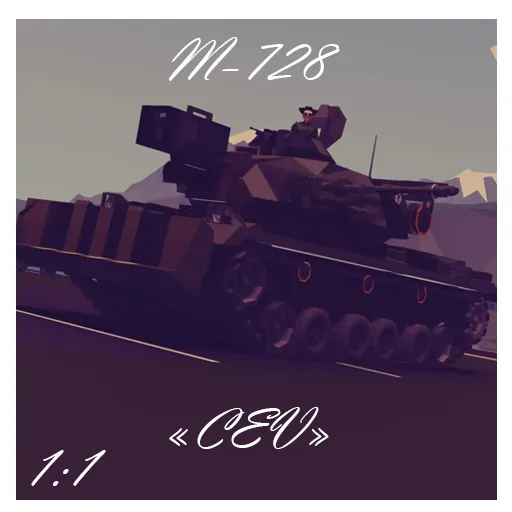
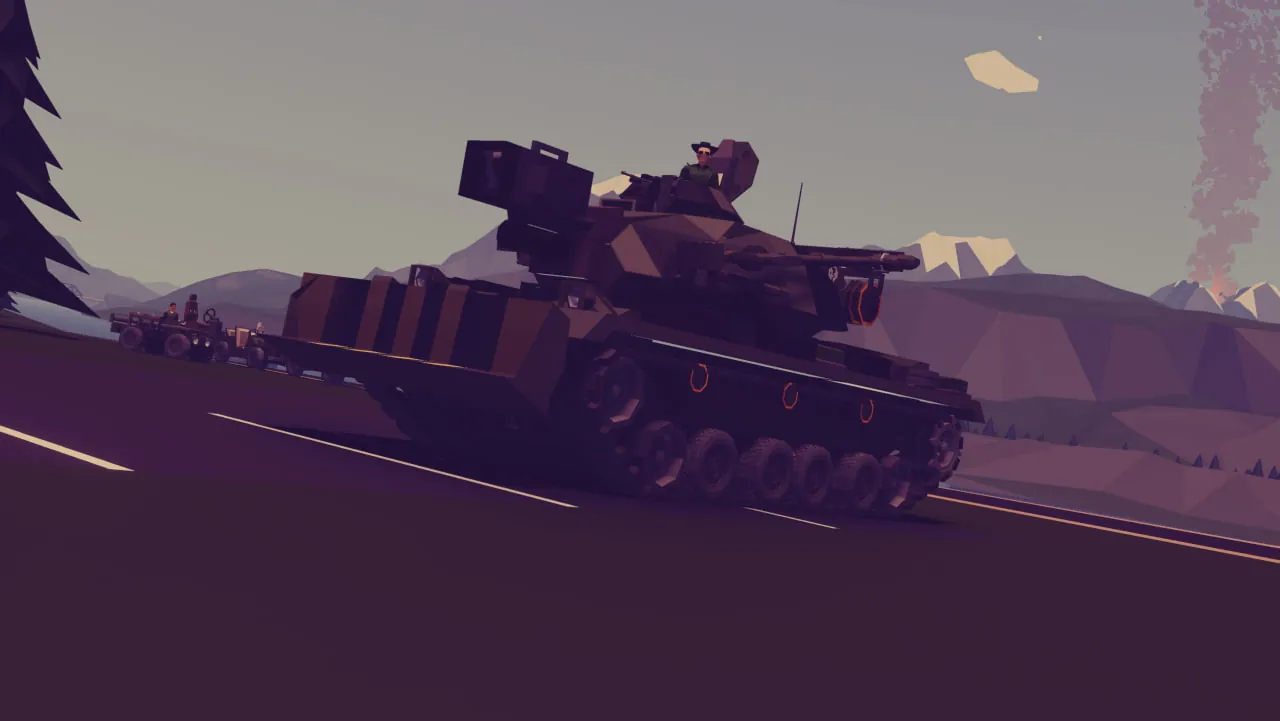
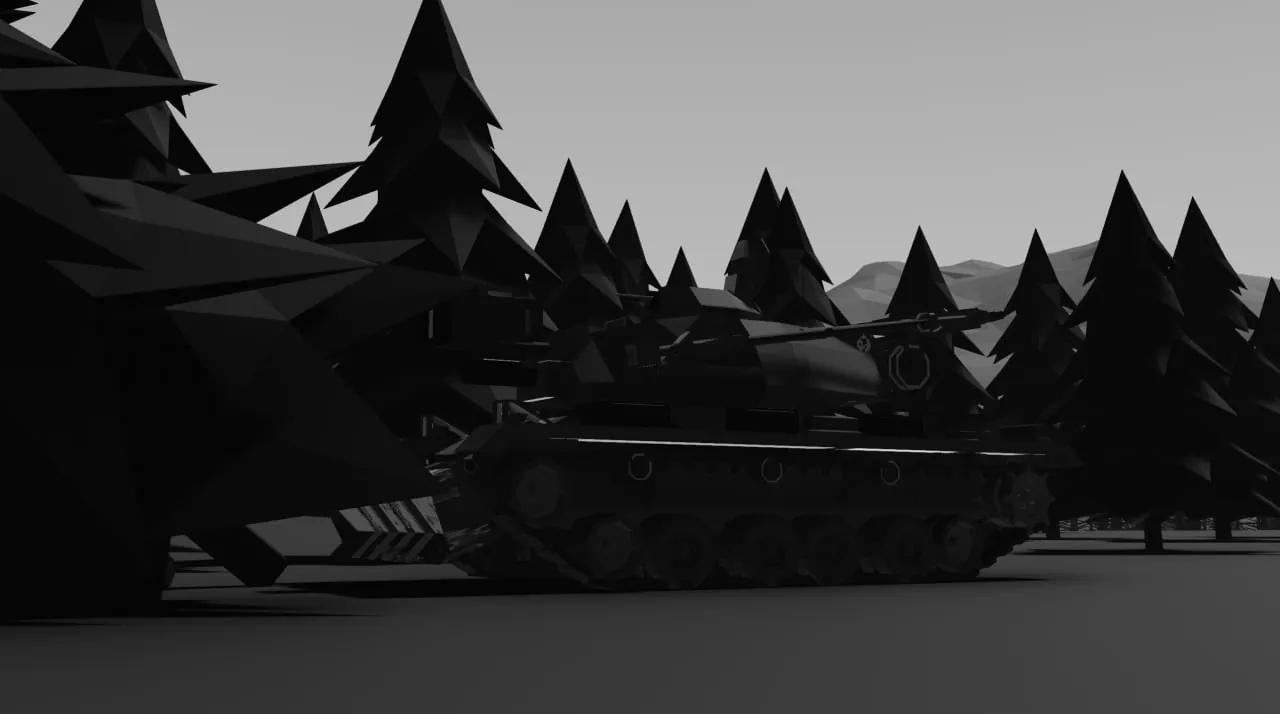
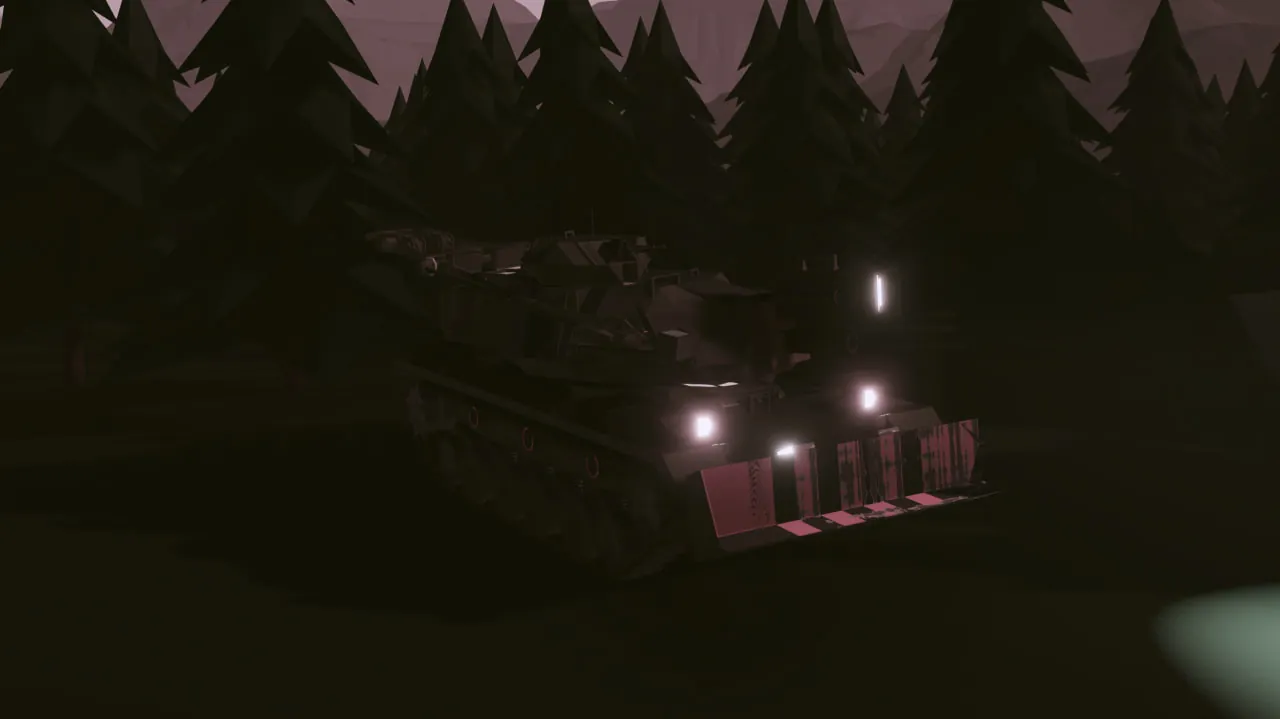
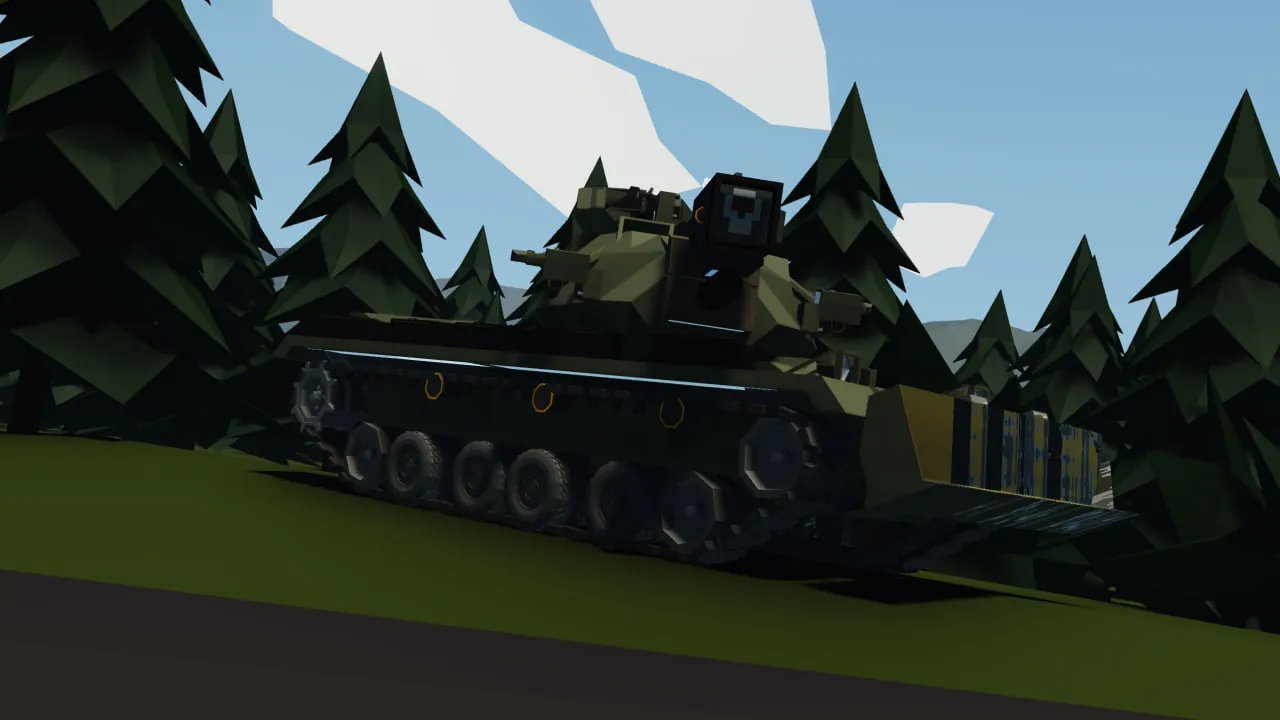
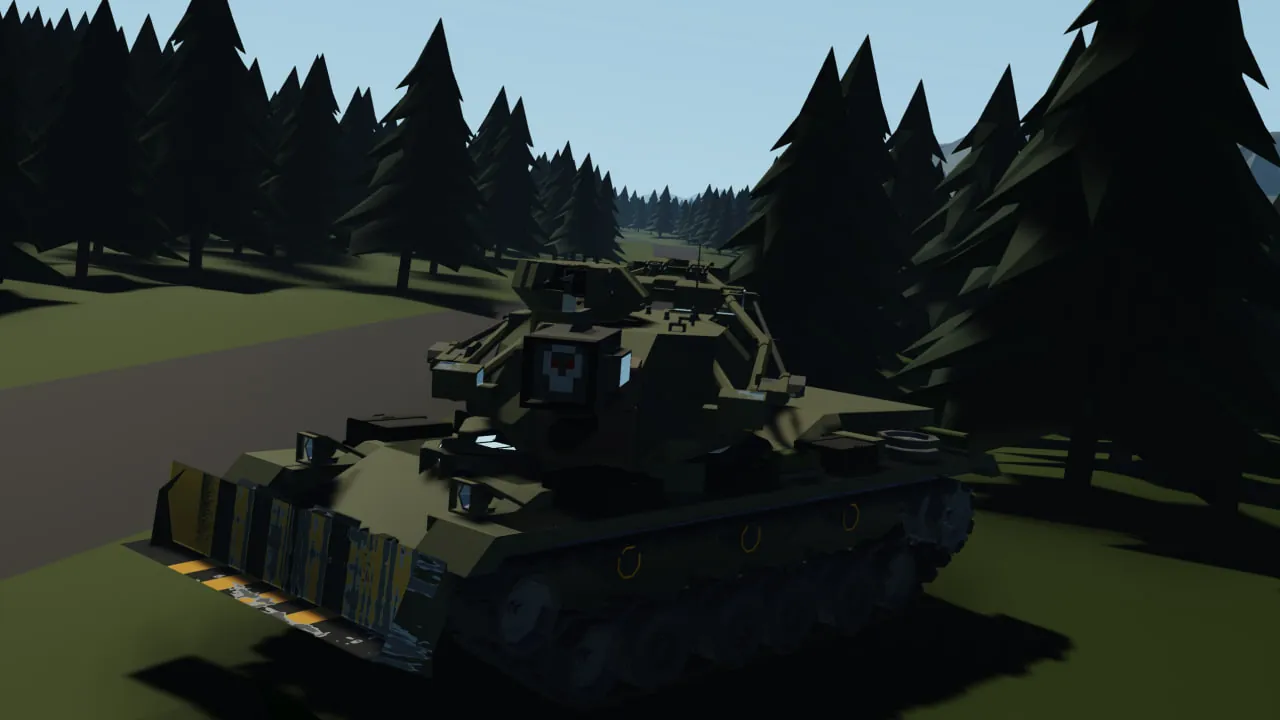
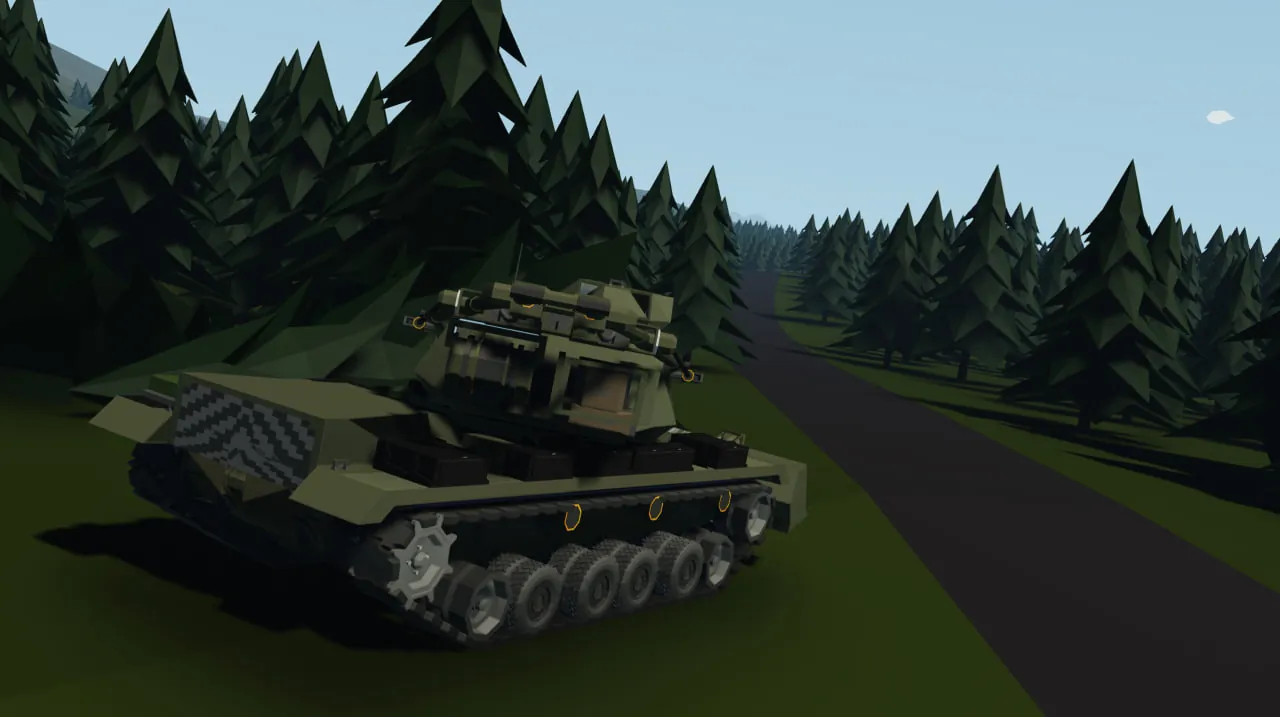
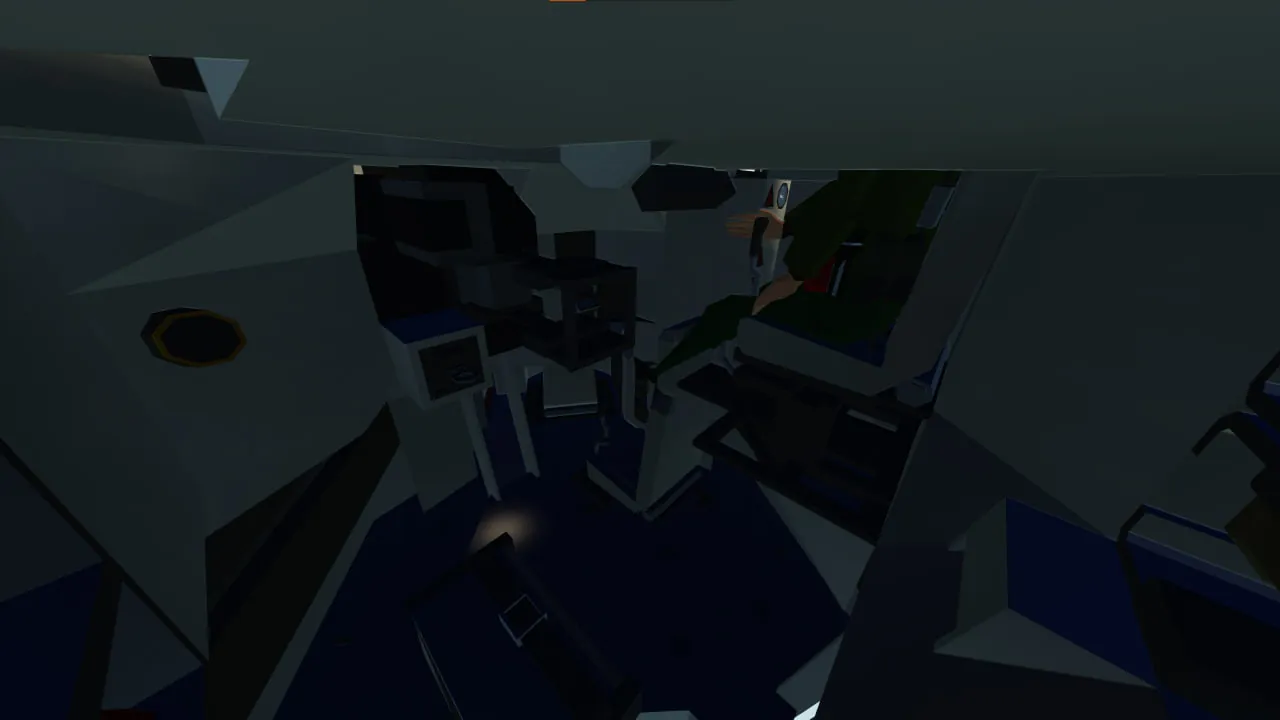
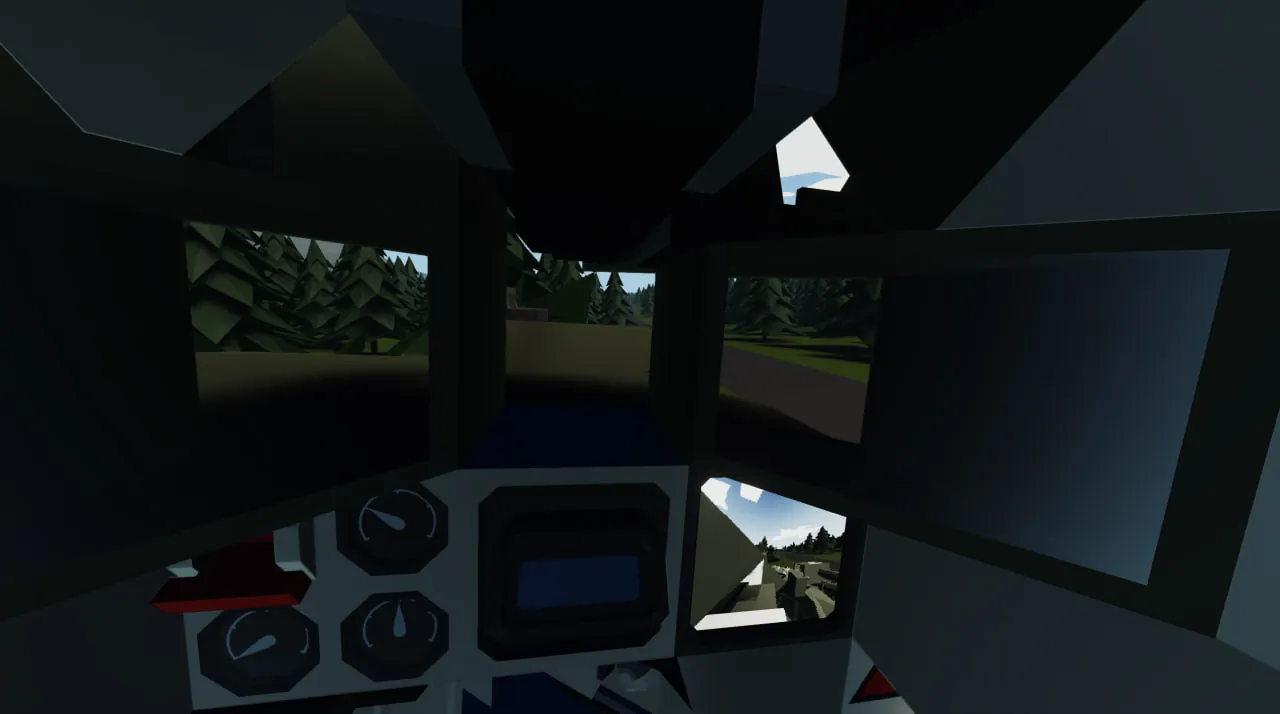
♛ M728 CEV | CAREER MODE COMPATIBLE ♛
TECHINCAL DATA:
- Total cost: 28716$
- 6 subgrids
- Mouse control (Battle cannon)
- Maximum speed of 48 km/h
- Working 3rd person view
- 3 variants of turret control
QUICK START:
- turn on cirquit breakers
- Active Fluid coolant
- Ignite Engine
if playing as a comander also active (commader full control)
CONTROL:
using mouse to control the turret, wasd to drive.
🕮 HISTORY 🕮
M728 COMBAT ENGINEER VEHICLE IN VIETNAM (1968-1972)
Urgent Need & Development: To counter the extensive, hardened fortifications of the Viet Cong and NVA, U.S. forces required a specialized armored vehicle capable of direct assault and obstacle reduction. The M728 Combat Engineer Vehicle (CEV), based on the M60A1 Patton tank chassis, was developed for this role. It entered service in the mid-1960s, trading the tank's main gun for a dedicated short-barreled 165mm demolition gun and incorporating a massive, hydraulically operated A-frame boom and dozer blade.

First Deployment: Arrived in Vietnam in 1968, primarily serving with engineer companies of armored cavalry regiments and separate engineer battalions.
Primary Roles:
Bunker Destruction: Its primary mission. The 165mm gun fired a 60-pound HEP (High-Explosive Plastic) round, designed to plaster explosive onto a concrete or earthen target before detonating, crushing the interior with spalling. It was the ultimate "bunker buster."
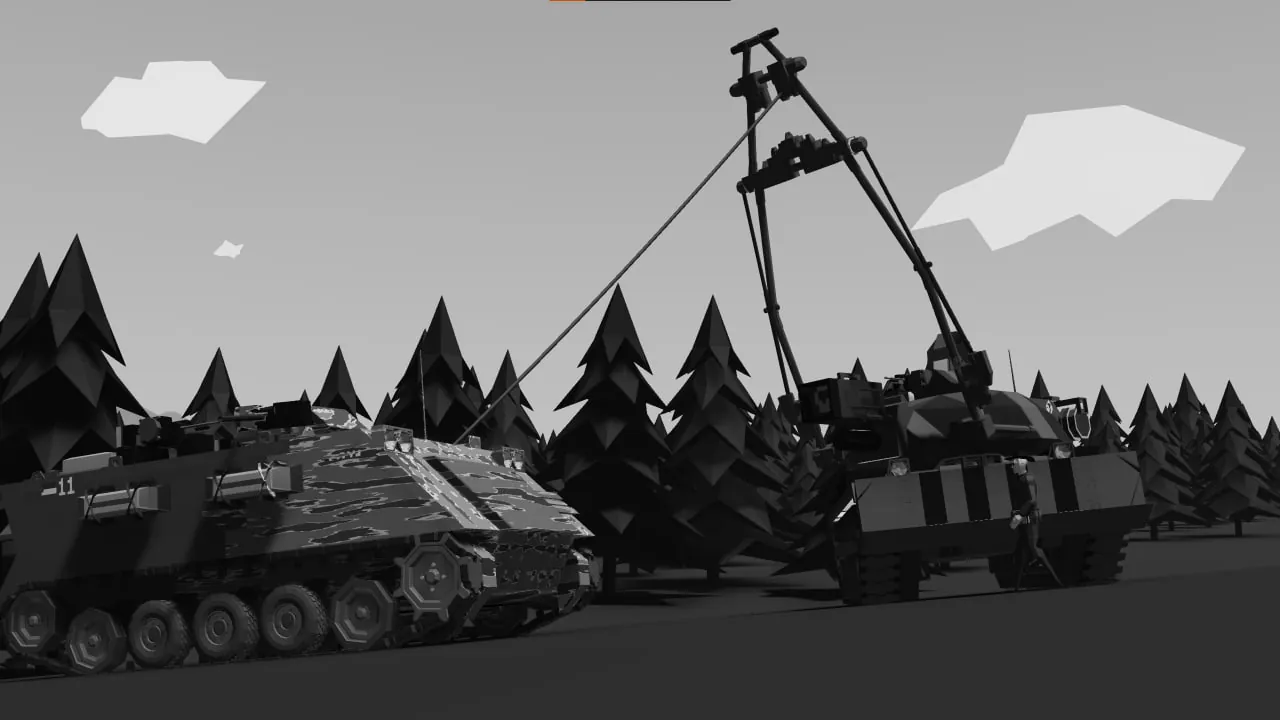
Obstacle Clearance: Using its dozer blade to clear rubble, fill trenches, and prepare firing positions. The A-frame boom (with a winch) could recover other vehicles or remove heavy obstacles.
Direct Fire Support: Provided devastating, pinpoint heavy fire support during assaults on fortified villages and base complexes.
Route Clearance & Fortification: Led convoys to suspect areas to probe for and detonate mines with its weight, and constructed defensive berms for firebases.

Impact & Advantages:
Unmatched Assault Power: The 165mm demolition gun was uniquely effective against field fortifications, a capability no standard tank or artillery piece could match with such immediacy.
Multifunctional Mobility: Combined the protection of a main battle tank with the practical tools of a bulldozer and crane, making it a versatile engineering asset on the battlefield.
Psychological & Physical Effect: The visual presence of a tank-sized vehicle dedicated to destroying fortifications had a demoralizing effect on enemy defenders. Its work physically denied the enemy the use of prepared positions.
Crew Protection: Offered full tank-level protection for its crew while performing dangerous tasks under fire.
Intensive Use & Limitations: The M728 was a rare and valuable asset, used heavily in major operations. Its limitations were inherent to its design: it was very heavy, limiting its mobility in soft rice paddies or dense jungle. The specialized 165mm ammunition had a short range and a slow rate of fire. As a "special tool," it was often a high-priority target for enemy RPG and recoilless rifle teams.
Legacy: The M728 CEV was not a flawed experiment but a highly successful, purpose-built tool. It proved the critical value of dedicated, armored engineer vehicles in combined arms warfare. Its performance in Vietnam demonstrated that reducing complex fortifications required direct, protected firepower and engineering capability in one package. The M728 served as the U.S. Army's premier CEV for decades, its design philosophy continuing in the subsequent M60-based and later M1-based engineer vehicles.

In essence: The M728 CEV was deployed to Vietnam as a specialized armored "sledgehammer." It provided ground forces with an irreplaceable combination of brute-force engineering and overwhelming direct firepower against fortifications. It was a decisive asset in siege and assault operations, respected by allies and feared by enemies, cementing the enduring role of the combat engineer vehicle on the modern battlefield.
CREDITS:
– Original base hull model by Dio https://steamcommunity.com/profiles/76561198982488346
– Full construction and design by ℙℯ ℛ $ĬD