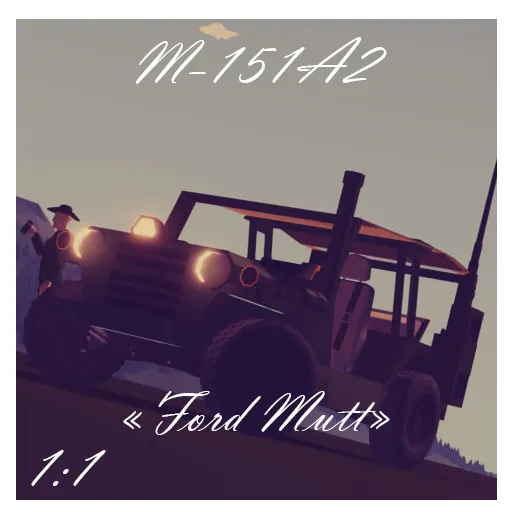
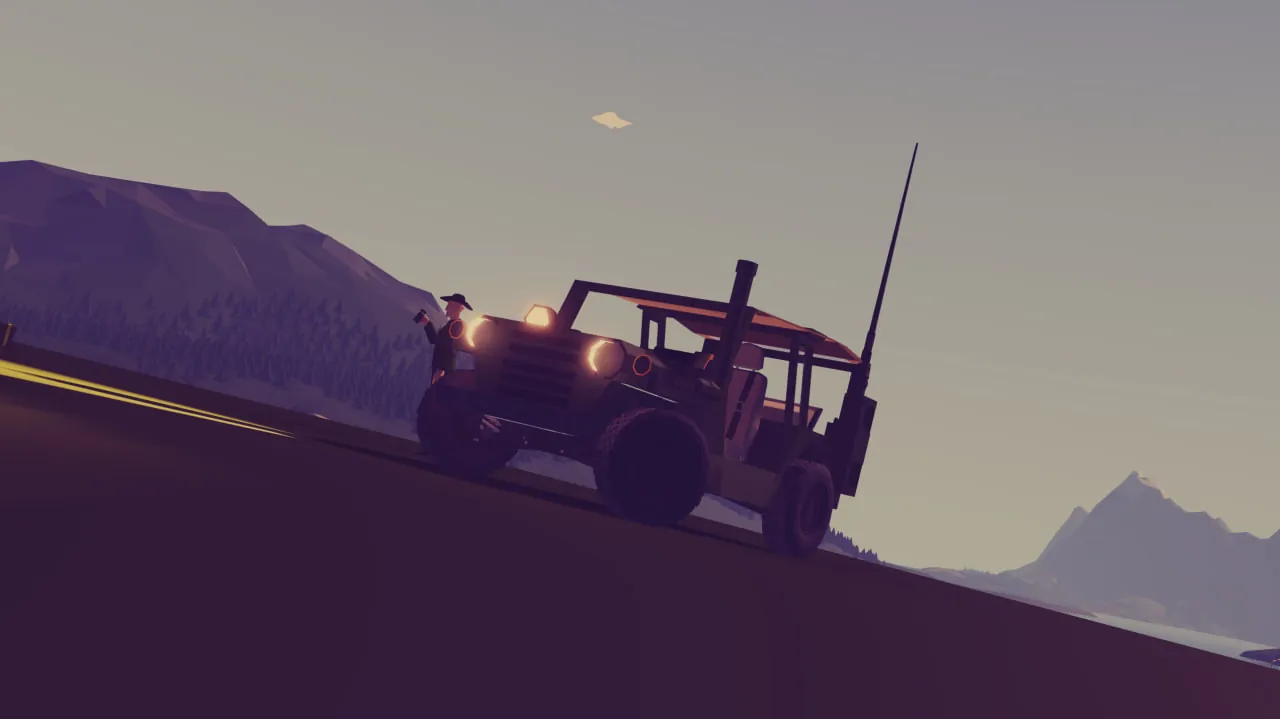
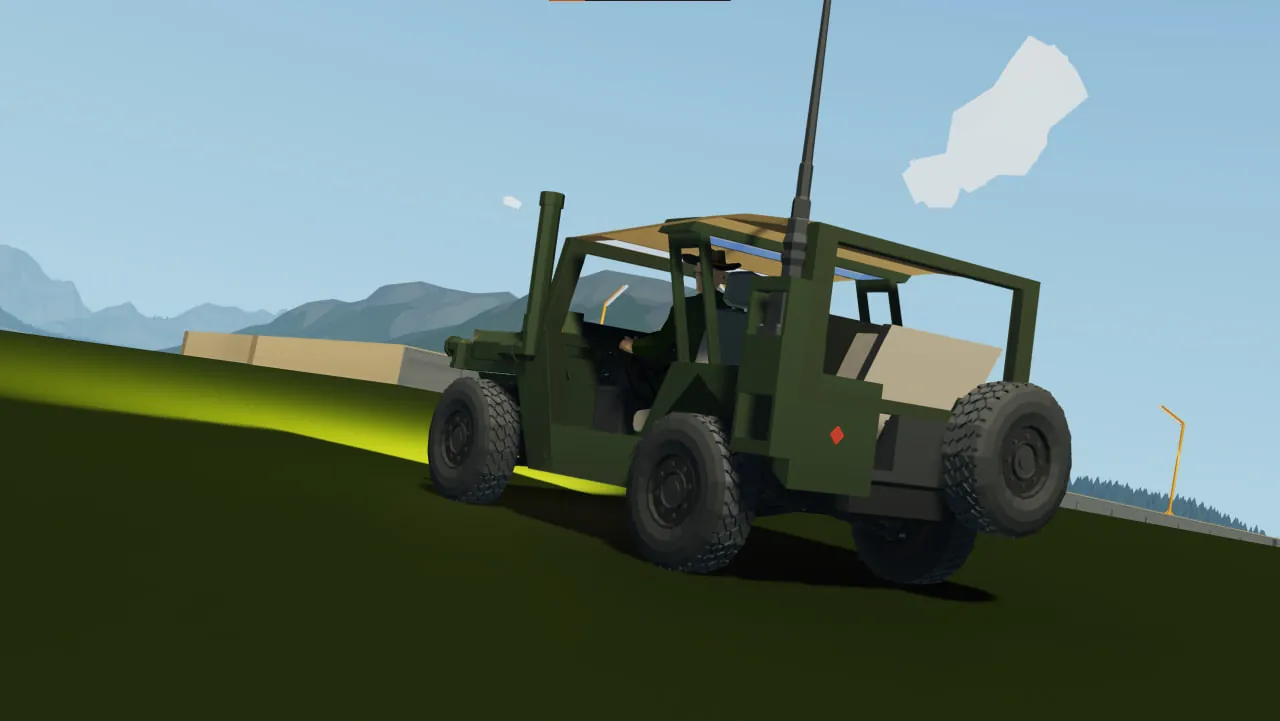
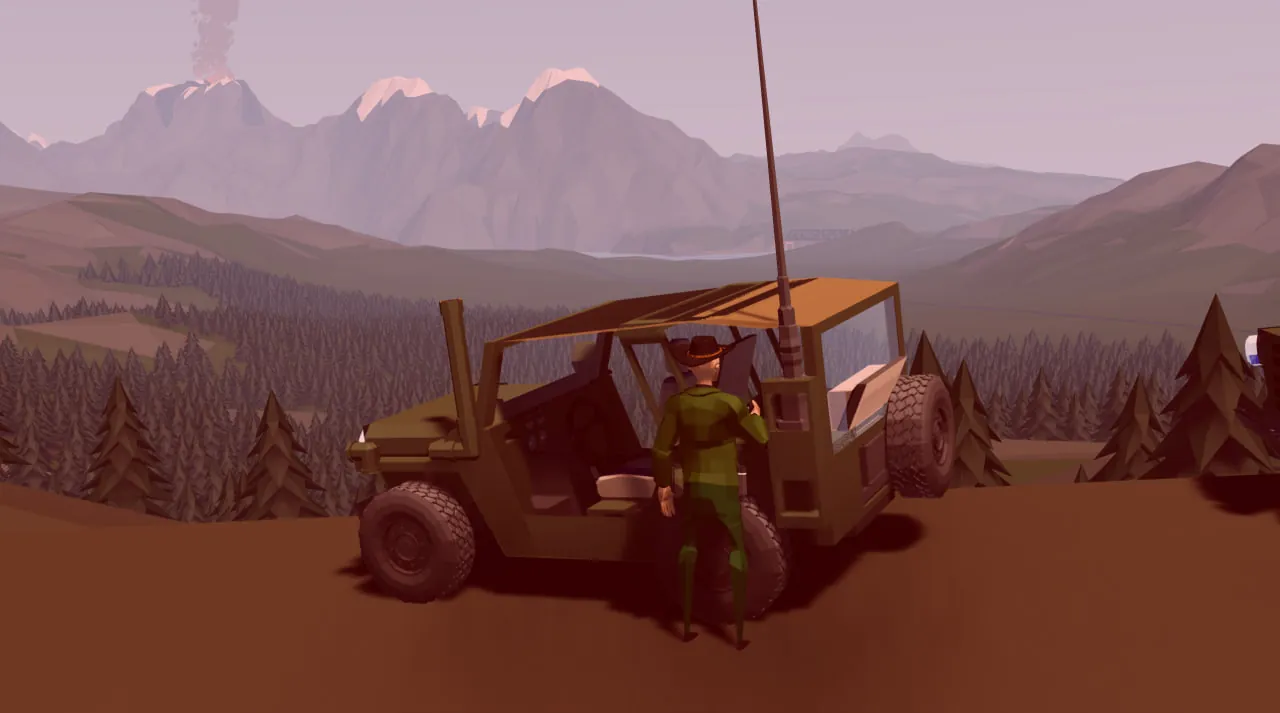
♛ Ford Mutt M151A2 | CAREER MODE COMPATIBLE ♛
TECHINCAL DATA:
- Total cost: 6192$
- 1 grid
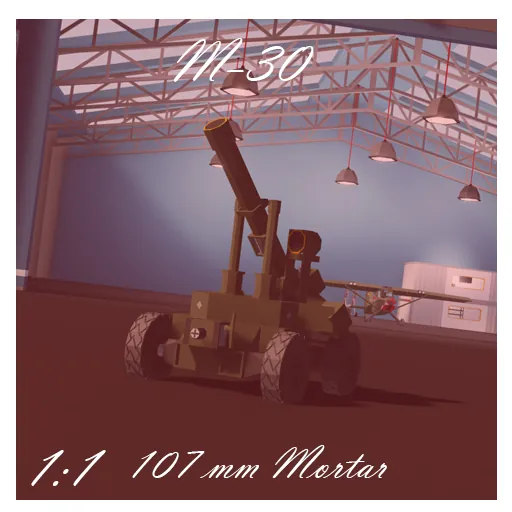
QUICK GUIDE TO USE M30 Artillery:
- Firstly place mortar together with the vehicle
- make a mark on the map and copy/paste coordinates in the keypad "Artillery Barage call"
- press once button "4"
-wait some time to calculate distance properly
- press once "trigger" button. once u've done u can press it again. artillery will stop firing.
🕮 HISTORY 🕮
FORD MUTT M151 IN VIETNAM (1961-1973)
Urgent Need & Development: To replace the aging, heavy, and overly complex M38 and M38A1 jeeps, the U.S. Army sought a new, lightweight, quarter-ton 4x4 utility truck. Developed in the late 1950s by Ford, the M151 (nicknamed "MUTT" - Military Utility Tactical Truck) featured a revolutionary monocoque/unibody construction with no separate frame, independent suspension on all four wheels, and a lower, more stable profile. It entered full-scale service in 1961, becoming the primary light vehicle for all U.S. military branches.
First Deployment: Arrived in Vietnam with the first major U.S. advisory and combat units in the early 1960s and was used ubiquitously until the end of U.S. involvement.

Primary Roles:
Command & Reconnaissance Vehicle: Transporting officers, scouts, and radio operators. Its speed and agility made it ideal for moving command elements quickly.
General Utility & Logistics: The workhorse for moving personnel, ammunition, and supplies along firebases, camps, and secure roads.
Weapons Platform: Often fitted with a pintle mount for an M60 machine gun, and less commonly with a recoilless rifle or serving as a fast attack and patrol vehicle.
Ambulance & Courier: Used in the M151A1C ambulance variant and for urgent dispatch runs.
Impact & Advantages:
Superior Mobility & Handling: Its independent suspension and low center of gravity provided exceptional off-road and on-road handling compared to its predecessors, crucial for Vietnam's varied terrain.
Lightweight & Air-Deployable: Easily transportable by cargo planes and slung under helicopters, allowing rapid deployment to remote areas.
Mechanical Simplicity & Reliability: Relatively easy to maintain with a robust 4-cylinder engine and standard automotive components, a welcome trait in the harsh field conditions.
Ubiquity & Versatility: Served in countless configurations, becoming as symbolic of the U.S. presence as the Huey helicopter.

Intensive Use & Deadly Flaw: Tens of thousands of M151s served in Vietnam. Its greatest strength became its most fatal weakness. The sophisticated independent suspension, if improperly overloaded or driven aggressively (especially during sharp turns or over rough terrain at high speed), could lead to a sudden, uncontrollable wheel tuck-under, causing the vehicle to violently roll over. This design flaw resulted in numerous serious injuries and fatalities off the battlefield, earning it a fearsome reputation among troops. Its light aluminum body offered no protection from mines, small arms, or ambushes.
Legacy: The M151 MUTT was a revolutionary yet tragically flawed design. It proved the concept of a modern, high-mobility tactical truck but at a terrible human cost due to its rollover propensity. Its experience in Vietnam directly led to a major recall and redesign (the M151A2 with a modified suspension) and underscored the critical importance of vehicle stability testing. The M151 series served as the U.S. military's primary jeep into the 1990s, but its story is forever marked by its dual identity in Vietnam: an indispensable workhorse and a notorious "widowmaker."

In essence: The Ford M151 MUTT was deployed to Vietnam as the modern successor to the WWII jeep. It provided unprecedented mobility and became the backbone of light transport and patrol duties, but its revolutionary suspension design harbored a deadly handling flaw that claimed as many lives off the road as enemy action did on it, leaving a complex and cautionary legacy in military vehicle history.