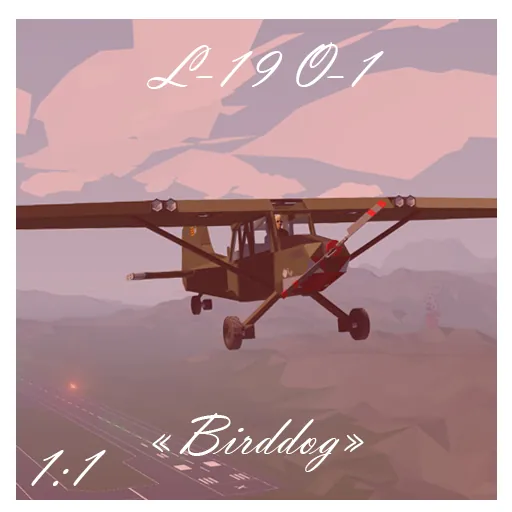
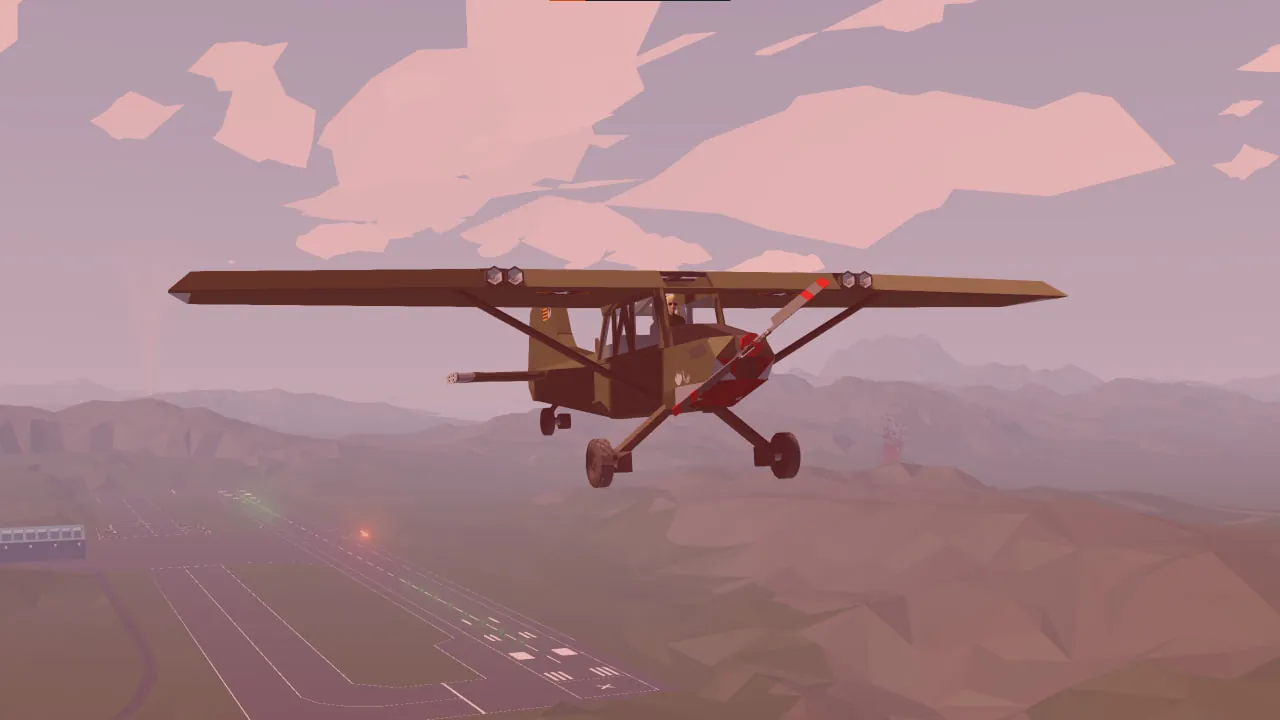
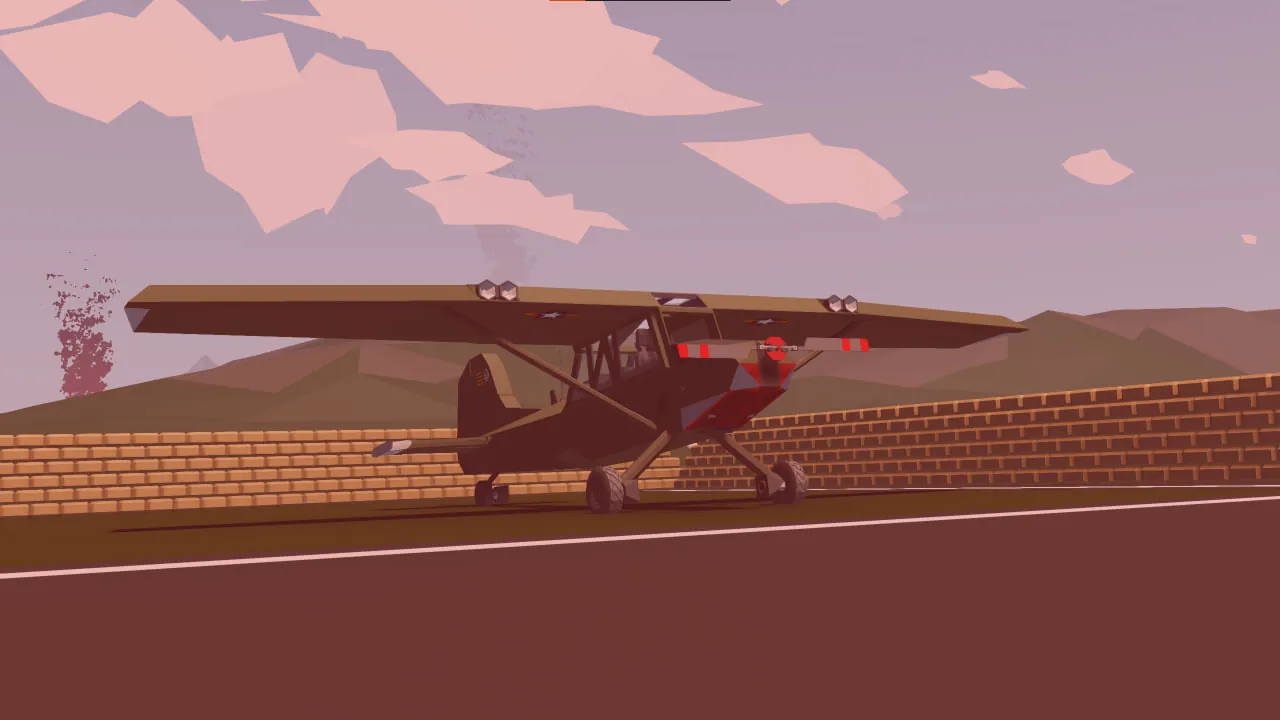
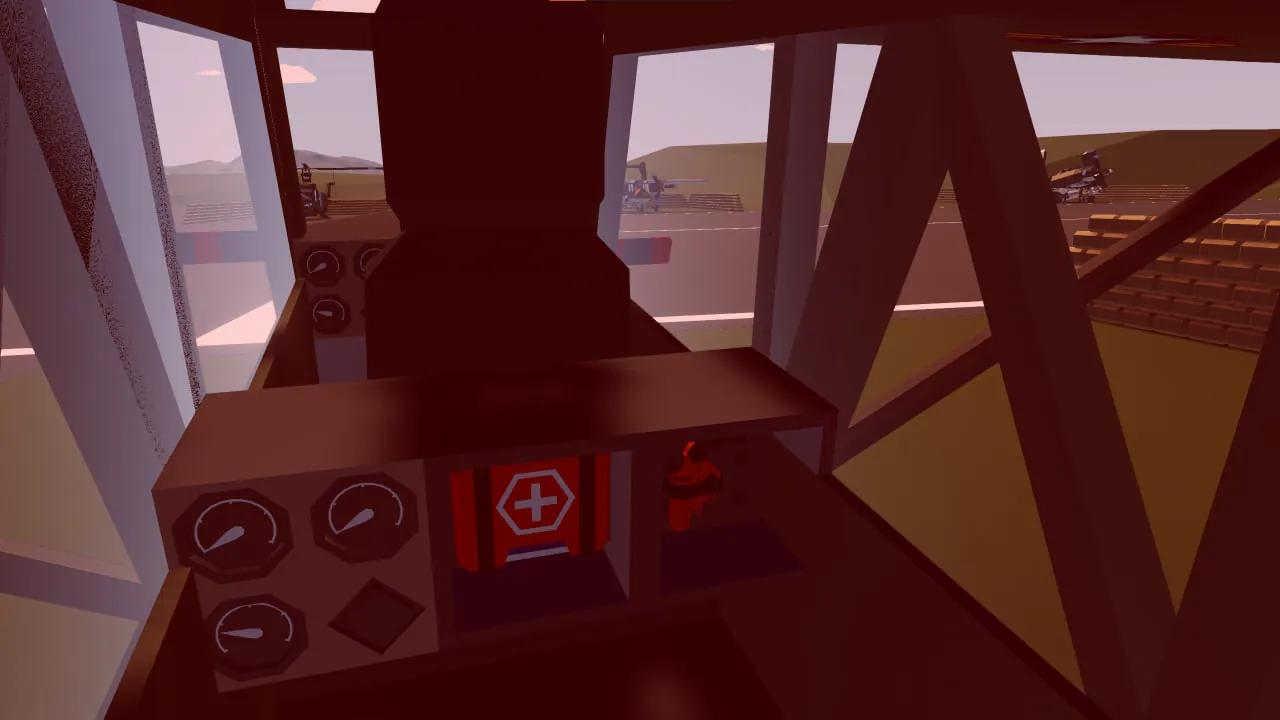
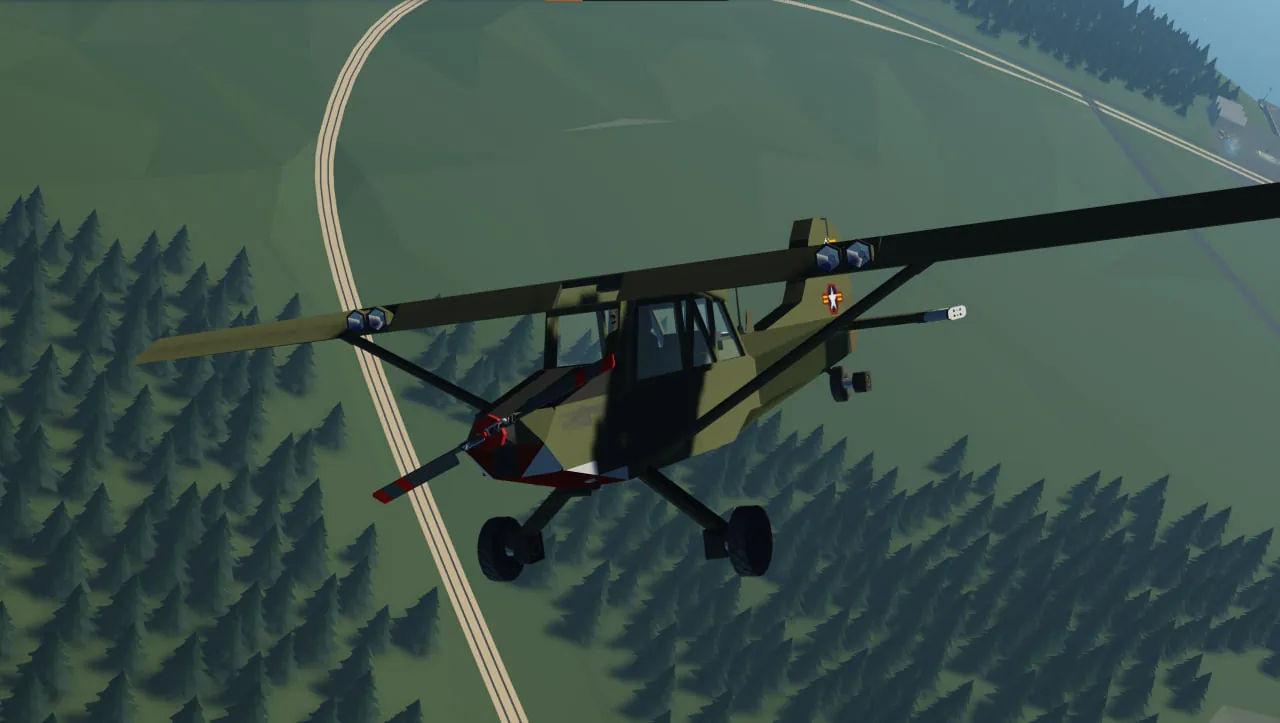
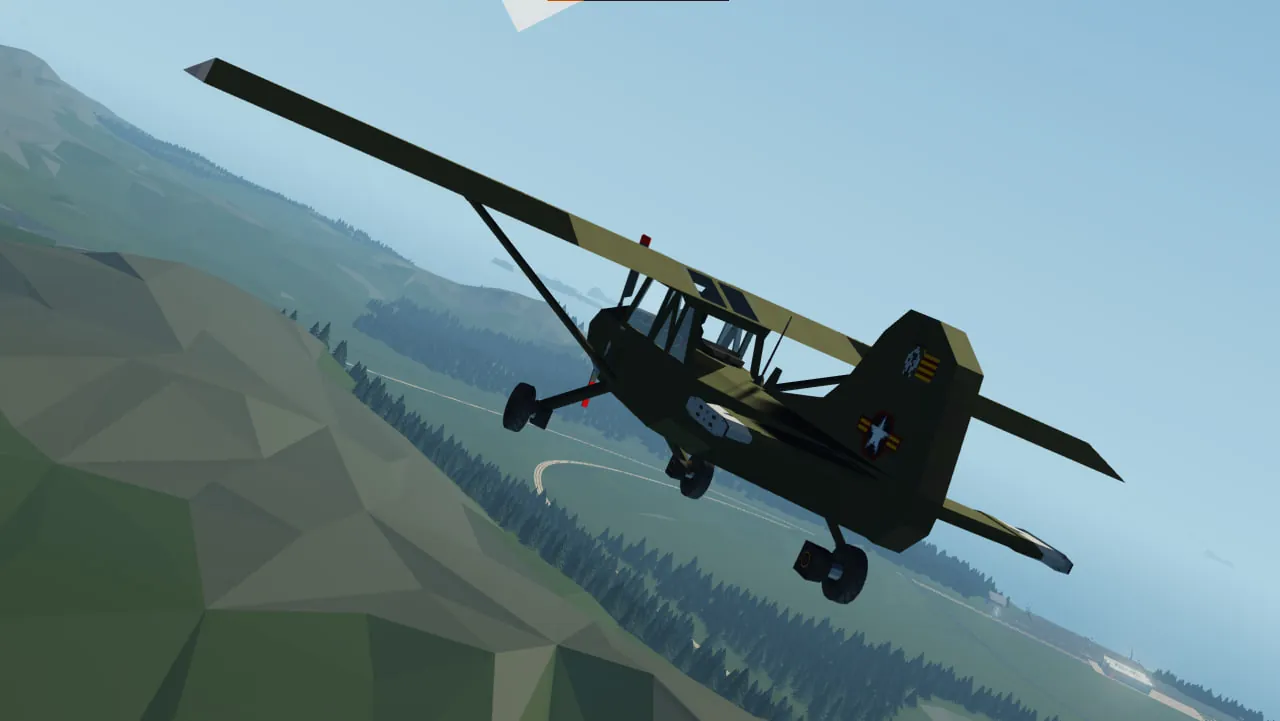
♛ Birddog L-19 O-1 (ARVN) ♛
TECHINCAL DATA:
- Total cost: 13176$
- 1 grid
- maximum speed of 320 km/h
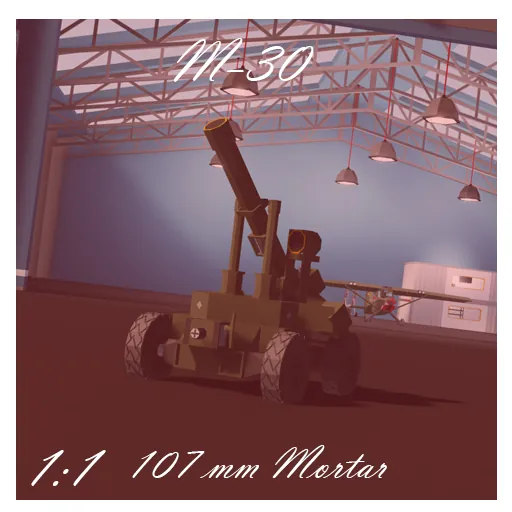
-Now can call artillery barage (mortars)
QUICK GUIDE TO USE M30 Artillery:
-Before using mortars fire radius can be selected from 0 to 25 m.
- place mortar together with the plane
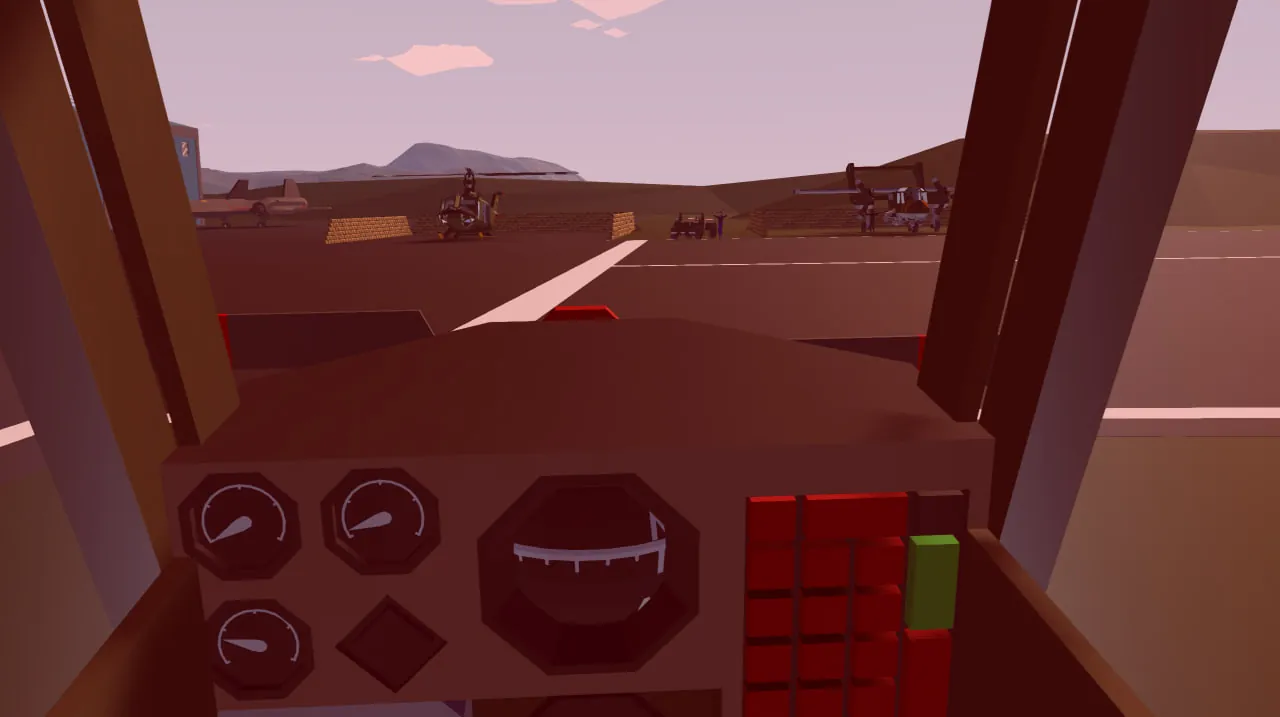
- make a mark on the map and copy/paste coordinates in the keypad "Artillery Barage call" Note, that dial will be active if you put mark in the available range
- press once button "3"
-wait some time to calculate distance properly
- press once "trigger" button. once u've done u can press it again. artillery will stop firing.
NOTE:
Approx. range of the mortar is 2.4-2.5 km Calling distance around ~20 km
🕮 HISTORY 🕮
**CESSNA L-19/O-1 BIRD DOG IN VIETNAM (1954-1975)
Urgent Need & Development: With ground forces in Vietnam operating in dense, roadless jungle, the U.S. Military required a simple, rugged aircraft for a critical new role: the eyes of the army. The Cessna L-19 (later designated O-1) Bird Dog, a militarized version of the civilian Cessna 170, was chosen. It was a fabric-covered, high-wing monoplane with astonishing short takeoff and landing (STOL) capabilities, a robust steel-tube frame, and excellent low-speed handling. It entered service in the early 1950s, designed for artillery spotting, reconnaissance, and liaison.
First Deployment & Primary User: While used by U.S. forces from the beginning, the Bird Dog found its most iconic and numerous service with the Republic of Vietnam Air Force (VNAF), part of the Armed Forces of the Republic of Vietnam (ARVN). It became the foundational aircraft of the VNAF's fledgling light observation fleet, supplied in large numbers through U.S. military aid programs.

Primary Roles:
Forward Air Control (FAC) & Artillery Spotting: The Bird Dog's most vital mission. A pilot and observer would loiter over contested areas for hours, identifying targets with smoke rockets and directing devastating strikes from fighter-bombers and artillery batteries. It was the indispensable link between ground commanders and firepower.
Visual Reconnaissance: Flying low and slow, its crews mapped enemy troop movements, supply routes, and fortifications, providing intelligence no high-altitude photo could match.
Liaison & Light Transport: Carrying orders, personnel, and critical supplies to remote outposts and Special Forces camps inaccessible by road.
Psychological Warfare & Leaflet Dropping: Used to broadcast messages and drop propaganda leaflets over Viet Cong-controlled areas.
Impact & Advantages:
The "Eyes of the ARVN": For the South Vietnamese army, the Bird Dog was often the only immediate, organic air support they could rely on. It symbolized the close-air partnership crucial to their tactics.
Unmatched Slow-Speed Agility & Survivability: Its ability to fly at near-stall speeds (under 60 mph) and land on dirt strips shorter than a football field made it perfect for the Vietnamese theatre. Its simple construction could absorb small-arms fire and keep flying.
Psychological Presence: The distinct, lazy buzz of its engine over a battlefield was a morale booster for allied troops and a sign of impending doom for enemy forces caught in the open.
Pilot Maker: It served as the primary trainer for generations of VNAF pilots, forging the first line of South Vietnam's indigenous air power.
Intensive Use & Limitations: Bird Dogs were flown relentlessly, often unarmed except for marking rockets. They were constantly exposed to ground fire, earning them the grim nickname "flying coffins" among some crews. Their light construction offered no real protection, and a single rifle bullet in the wrong place could be fatal. They were completely vulnerable to any enemy aircraft or dedicated anti-aircraft weapons.
Legacy: The O-1 Bird Dog was not a weapon, but a force multiplier. It proved that in counter-insurgency warfare, a cheap, simple, and slow observation plane could be more valuable than a squadron of jets. Its service with the VNAF is a testament to its role as a true partner aircraft, integral to the development of South Vietnam's independent military capacity. The Bird Dog's direct legacy continued with the O-2 Skymaster and the legendary OV-10 Bronco, but it remains the humble, courageous pioneer that defined the modern FAC mission.
In essence: The Cessna L-19/O-1 Bird Dog was deployed to Vietnam as the essential aerial observer. For the U.S. Army, it was a vital tool. For the Republic of Vietnam Air Force, it was a cornerstone of their air arm, providing the critical visual link that guided firepower across the jungles and rice paddies, embodying the gritty, relentless nature of the air war at its most tactical level.