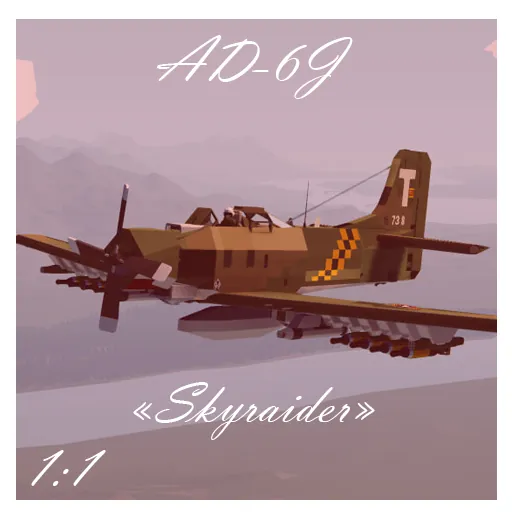
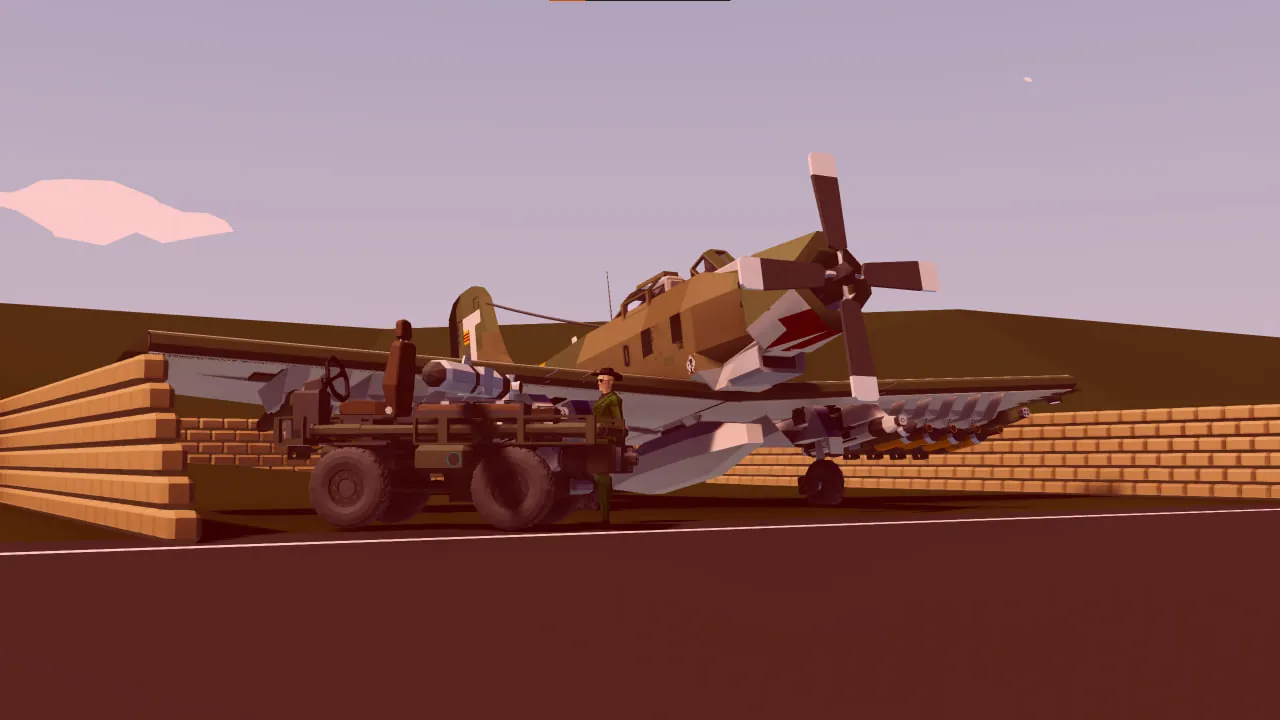
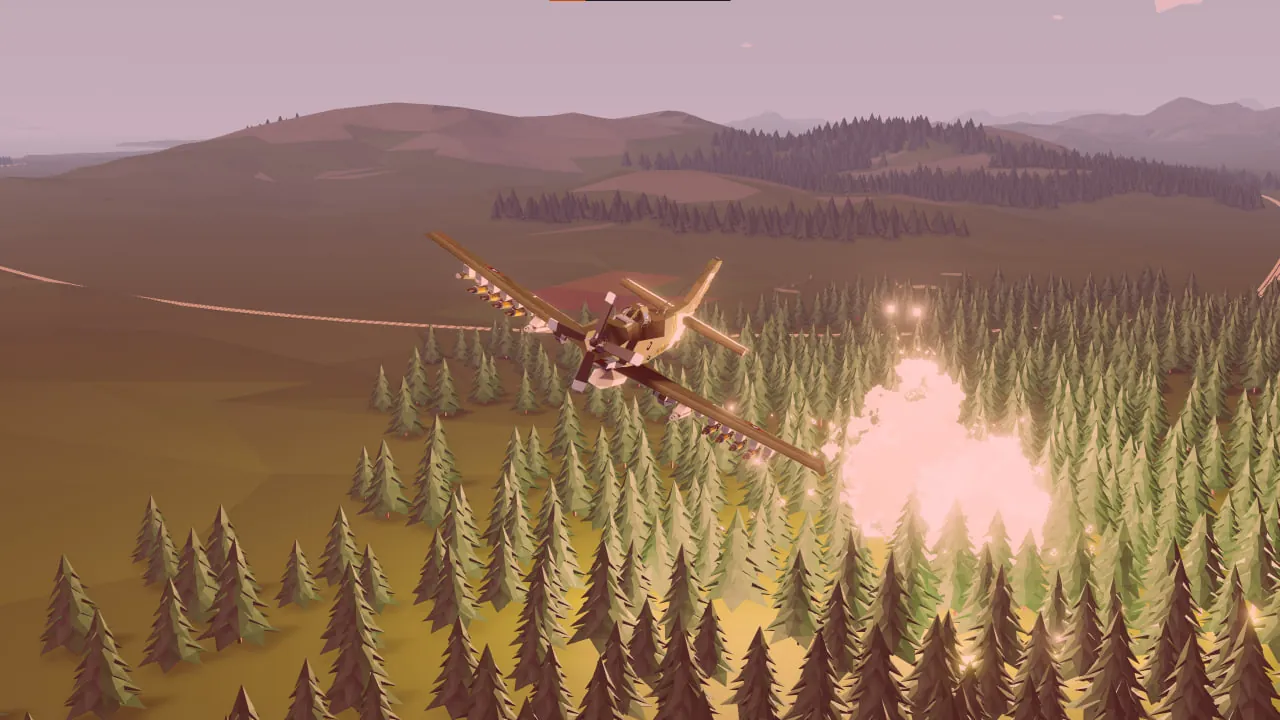
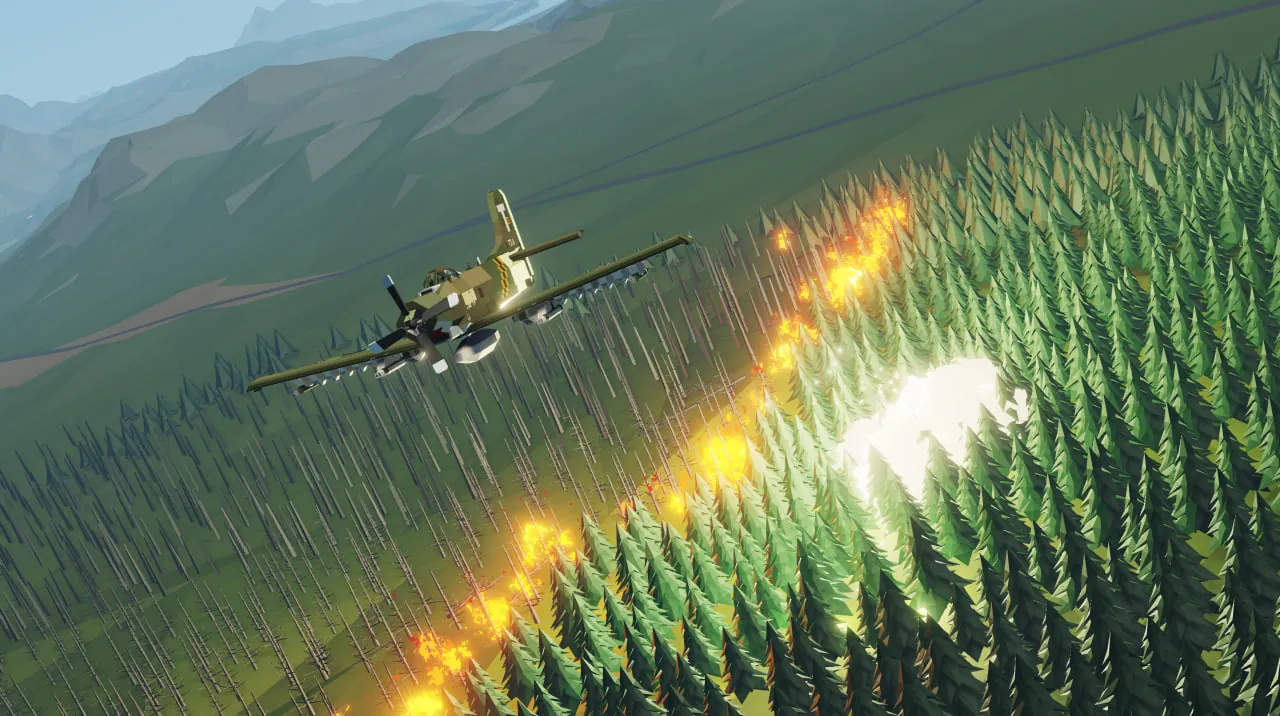
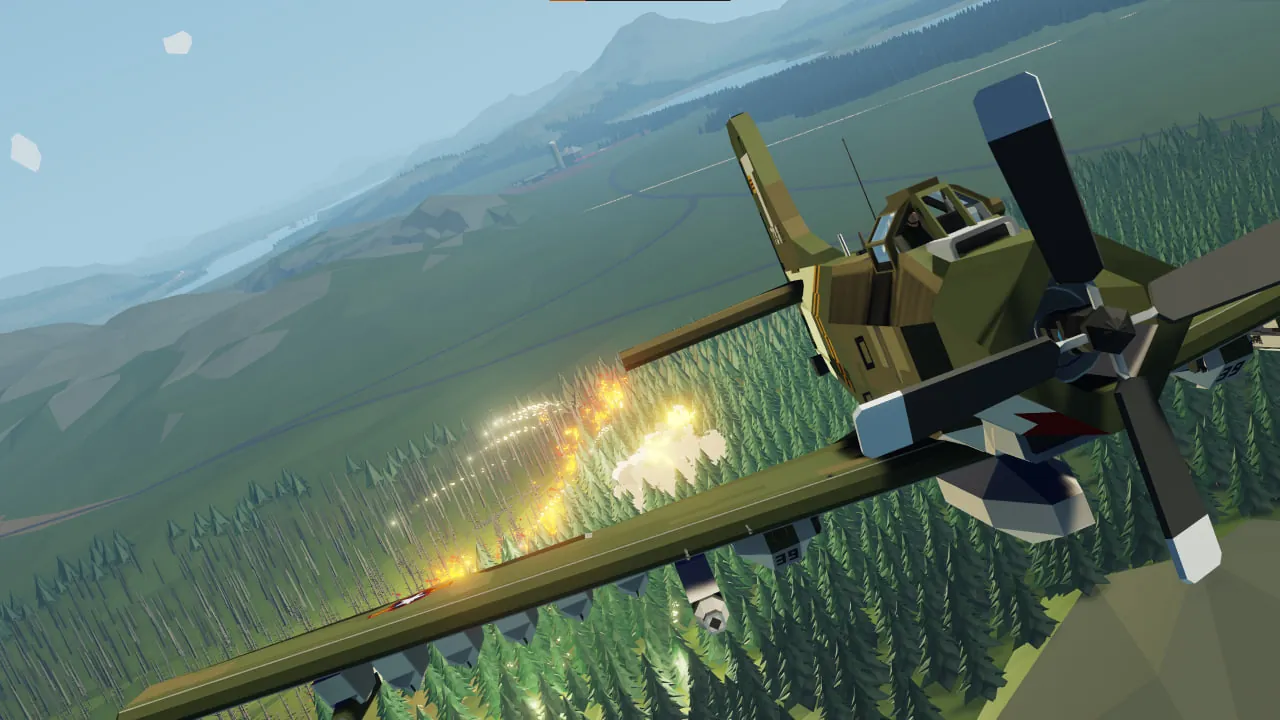
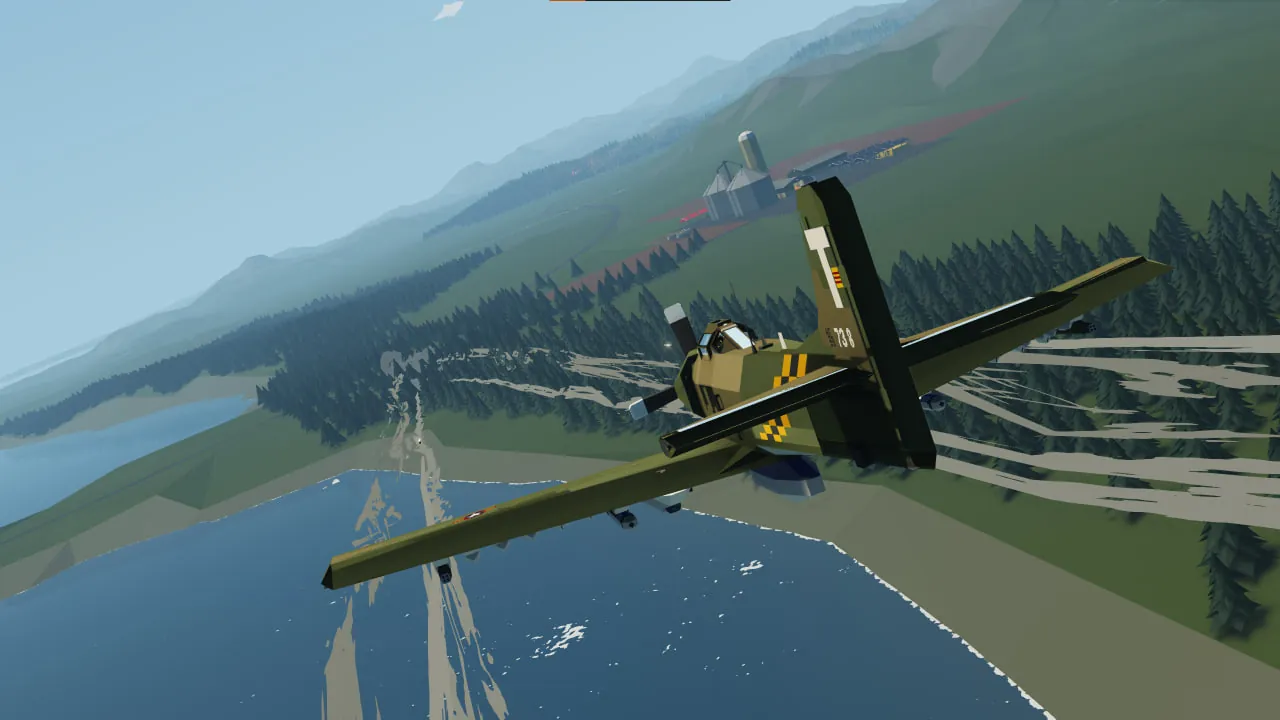
♛ [i]AD-6J Skyraider (ARVN) [/i] ♛
[b] [i] TECHINCAL DATA: [/i] [/b]
- Total cost: 22949$
- 4 subgrids (excluding external hardpoints with weapon)
- maximum speed of 472 km/h
-Has a big choice of weapons.
[hr]
[b] [i] QUICK START: [/i] [/b]
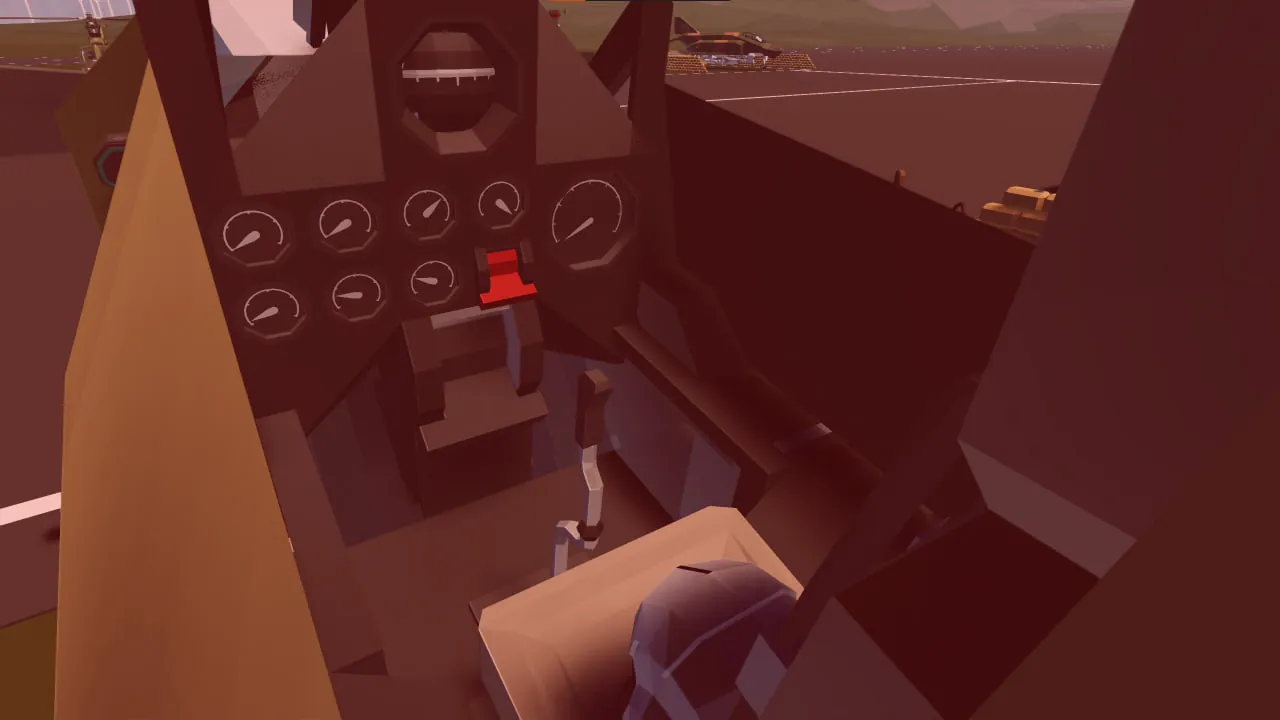
-Activate cirquit breaker.
-Ignite engine with button "1"
[b] [i] CONTROL: [/i] [/b]
WASD to pitch/roll, Uparrow/DownArrow - throttle and Collective control
[hr]
[b] [i] NOTE [/i] [/b]
whenever you ready to take of - note that the first that will get from the ground - is rear wheel. so to compensate it, remember to push (S) button so you won't brake the rotors.
[hr]
🕮 [i] HISTORY [/i]🕮
[b]DOUGLAS AD-6 (A-1H) SKYRAIDER IN VIETNAM (1960-1975)[/b]
Urgent Need & Development: As the conflict in South Vietnam intensified, the Republic of Vietnam Air Force (VNAF) needed a powerful, multi-role attack aircraft that could operate from its primitive airfields and provide direct, responsive support to besieged ARVN ground troops. The solution was the Douglas AD-6 (redesignated A-1H in 1962) Skyraider, a piston-engine, single-seat anachronism in the jet age. A rugged, long-ranged, and massively armed holdover from the Korean War, it was chosen for its ability to carry a greater bomb load than a WWII B-17, loiter over the battlefield for hours, and absorb tremendous punishment.
First Deployment & Primary User: The Skyraider entered VNAF service in 1960 under the U.S. Military Assistance Program. While the U.S. Navy and later the U.S. Air Force used it with great effect, the A-1 became the backbone and symbol of the VNAF's strike capability. It was the most potent weapon in South Vietnam's indigenous arsenal, flown by and for South Vietnamese pilots in defense of their homeland.
Primary Roles:
Close Air Support (CAS): Its paramount mission. Responding to urgent calls from ARVN units in contact, Skyraiders delivered pinpoint strikes with bombs, napalm, rockets, and cannon fire just meters from friendly lines. They were the "flying artillery" for ground commanders.
Armed Reconnaissance & Interdiction: Patrolling known infiltration routes and suspected enemy base areas, A-1s hunted truck convoys on the Ho Chi Minh Trail, attacked sampans on waterways, and struck supply depots and troop concentrations deep in enemy territory.
Combat Search and Rescue (CSAR) Escort: The heavily armed and long-enduring Skyraider was the ideal escort for vulnerable rescue helicopters. Its presence was often the deciding factor in successful rescues of downed U.S. and VNAF aircrews, suppressing enemy fire around crash sites.
"Skyraider Alert:" A-1s were kept on constant alert at key airbases like Da Nang and Bien Hoa, ready to launch within minutes to support troops in desperate situations, most famously during the sieges of Special Forces camps.
Impact & Advantages:
The "Flying Artillery" of the ARVN: For South Vietnamese soldiers, the sight and sound of a lumbering, prop-driven Skyraider arriving overhead was a profound morale boost. It represented tangible, powerful, and immediate support from their own nation's air force.
Unmatched Payload & Loiter Time: It could carry over 8,000 lbs of ordnance on 15 hardpoints and remain on station for 5-6 hours, providing persistent coverage that fast jets could not.
Legendary Ruggedness & Survivability: Its radial engine was resistant to damage, and its airframe could withstand horrific levels of small-arms and automatic weapons fire, allowing pilots to complete missions and return home with aircraft shredded by flak.
Symbol of Sovereignty: The VNAF Skyraider force was a point of national pride, representing a growing, capable, and independent air arm dedicated to the Republic of Vietnam's survival.
Intensive Use & Limitations: VNAF Skyraiders flew thousands of sorties under punishing conditions. They were vulnerable to modern anti-aircraft artillery and surface-to-air missiles, especially over the North. As the war progressed, losses mounted. The aircraft demanded highly skilled pilots to manage its complex weapons systems and handle its heavy, low-speed flight characteristics, creating a challenging training pipeline. The attrition of experienced VNAF pilots became a critical weakness.
Legacy: The AD-6/A-1H Skyraider was the ultimate expression of piston-engine attack aviation. For the VNAF, it was more than an aircraft; it was the primary instrument of their offensive air power and a symbol of their tenacious fight. It proved that will, courage, and a seemingly obsolete airplane could have a devastating impact on a modern battlefield. The Skyraider's role was gradually assumed by jet aircraft like the A-37 Dragonfly, but none matched its unique combination of presence, persistence, and payload.
In essence: The Douglas AD-6 Skyraider was deployed to Vietnam as a multi-role attack platform of unmatched resilience. For the U.S., it was a proven and potent tool. For the Republic of Vietnam Air Force, it was the very heart of their combat strength—a flying tank that provided the ARVN with its own organic, heavy-hitting fist, embodying the brutal, grinding, and fiercely independent nature of South Vietnam's air war from the Mekong Delta to the DMZ.