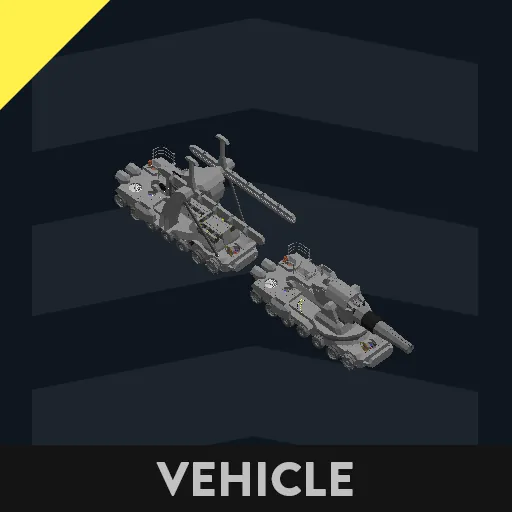
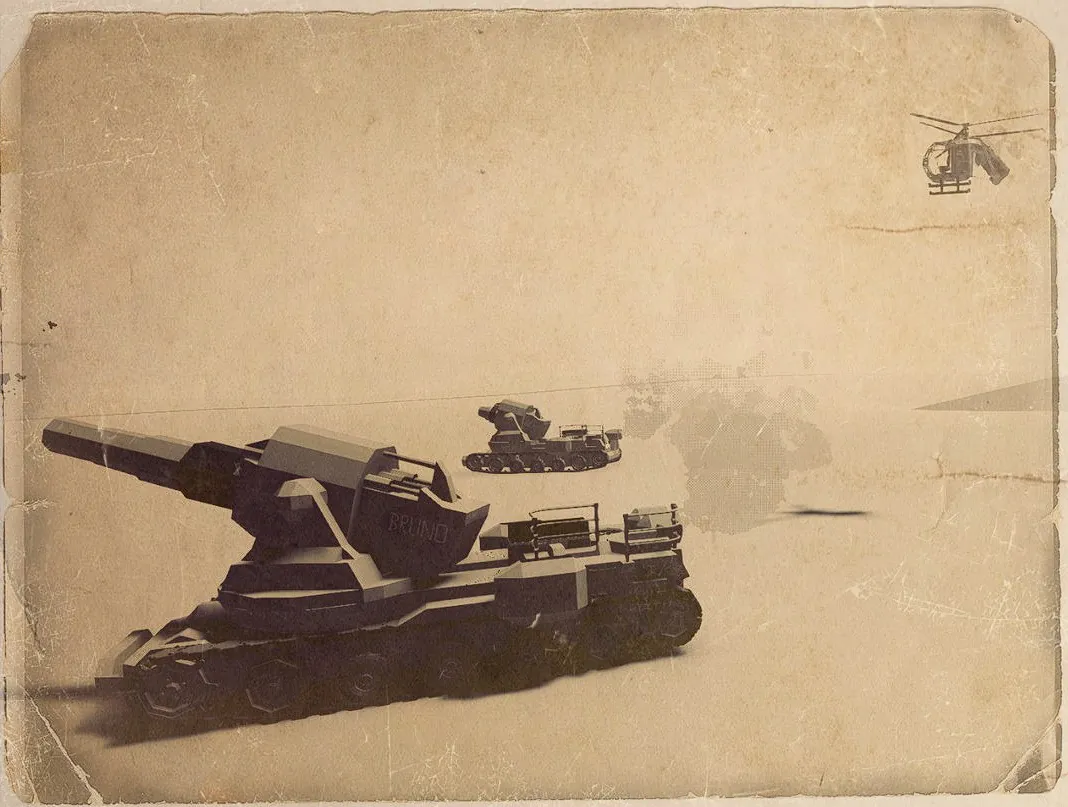
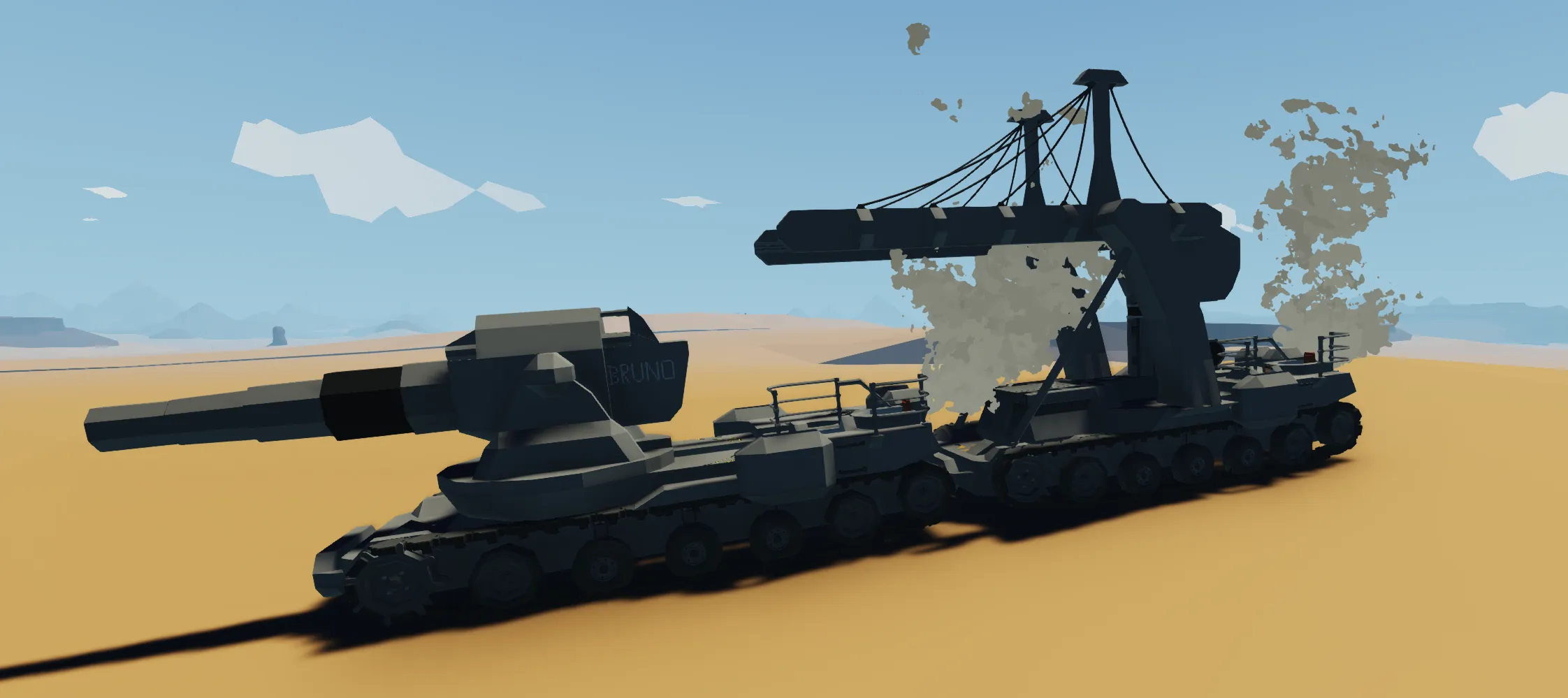
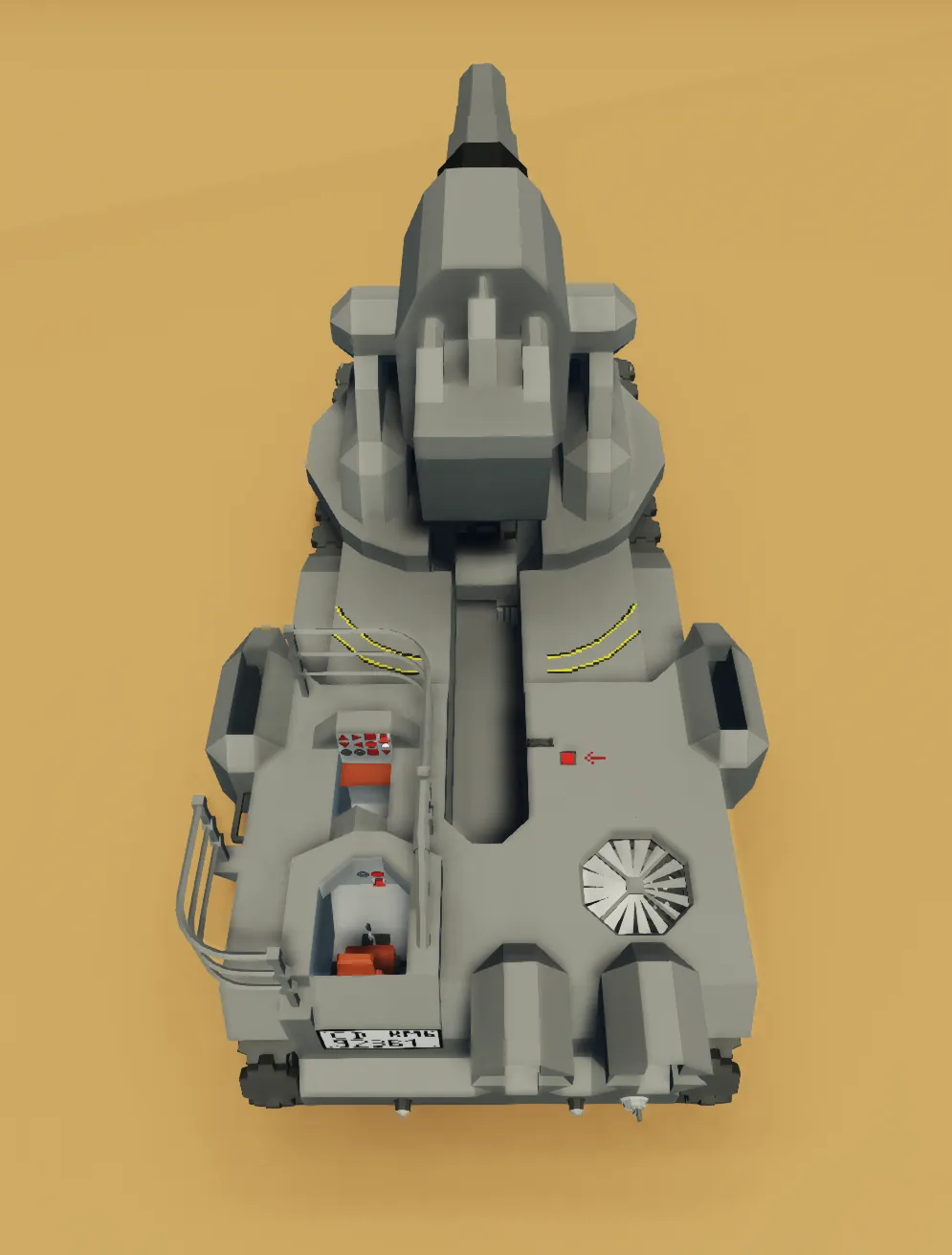
Specifications:
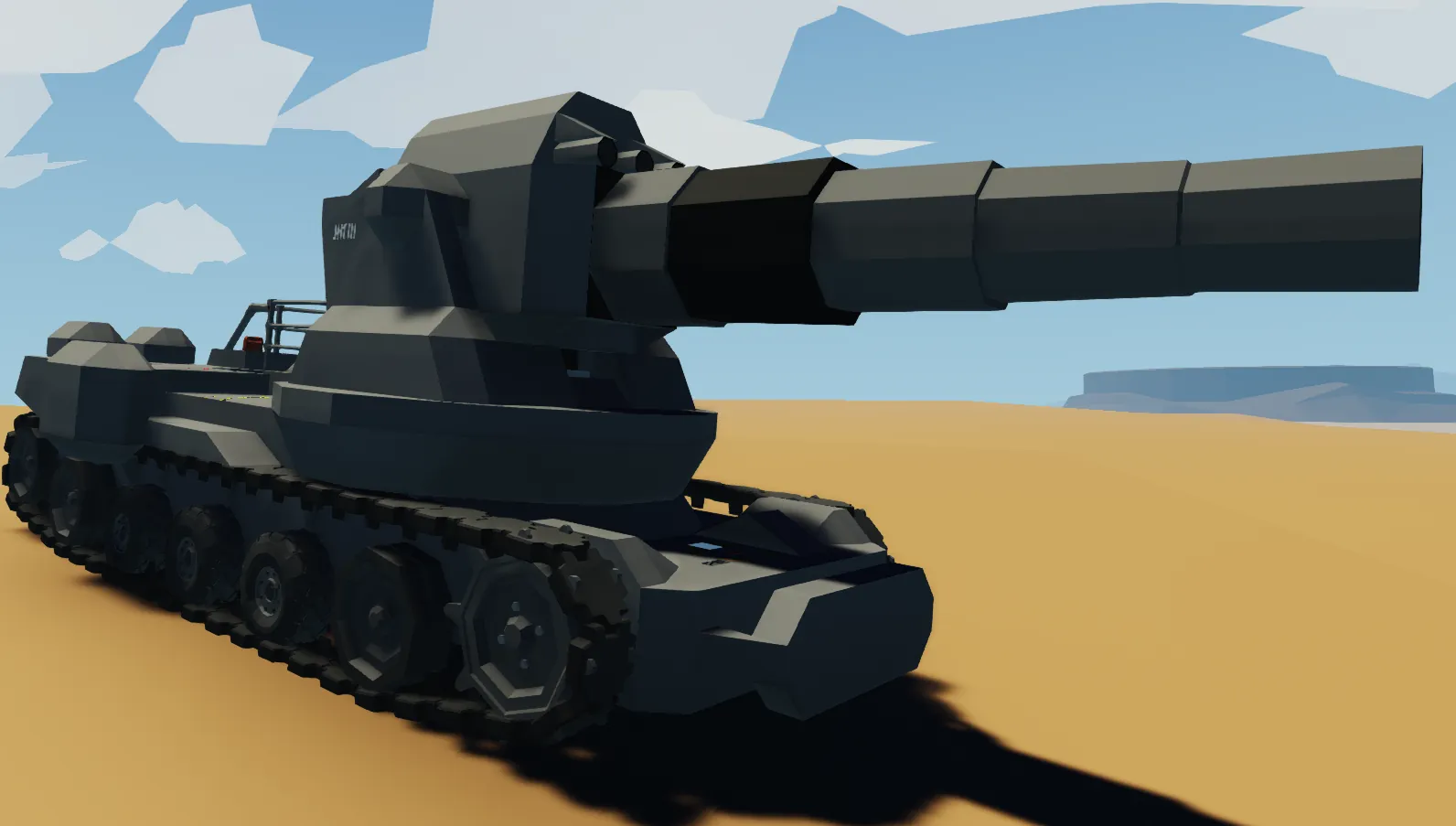
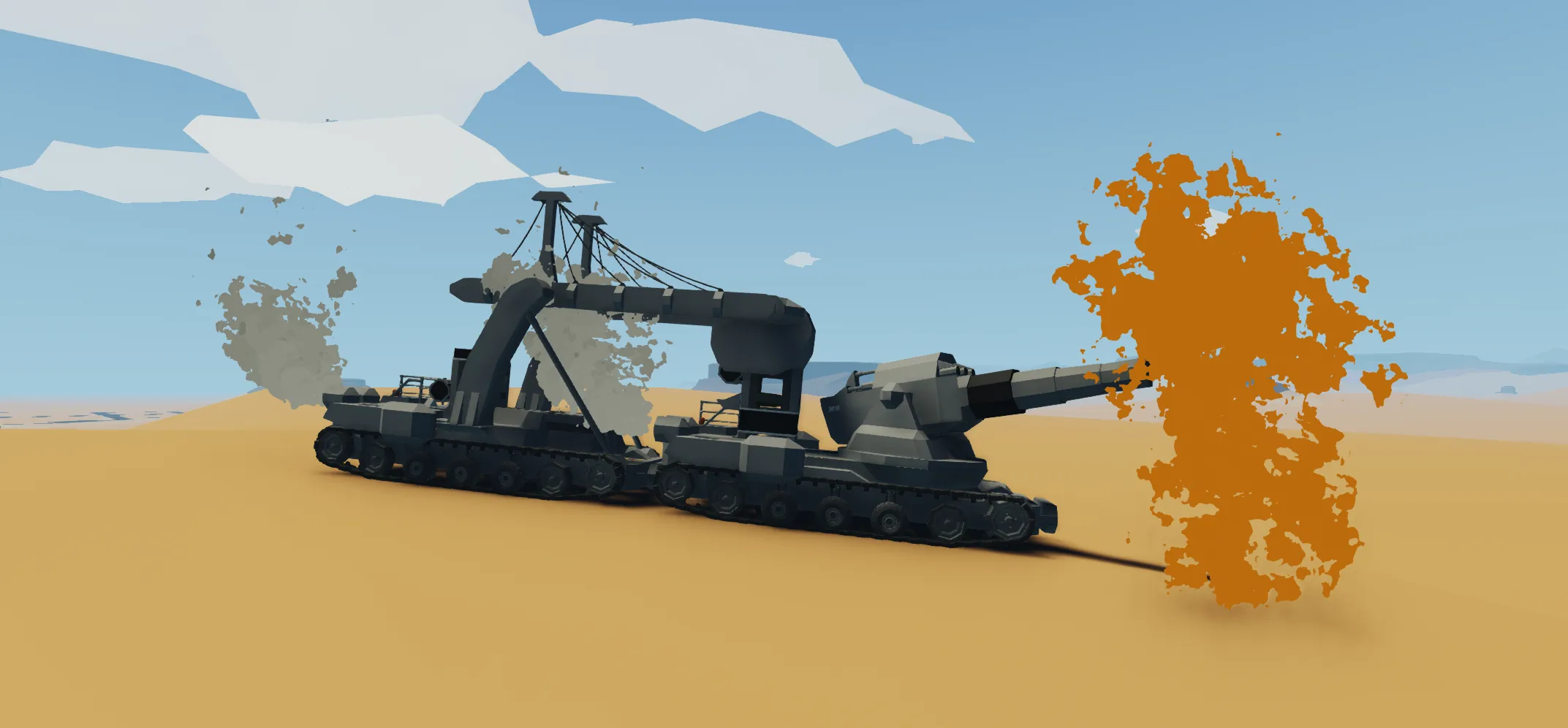
Firepower: 260mm "Bertha" Cannon
Mobility: 21km/h
Crew : One (1) Driver, One (1) Gunner, Two (2) Engineers, Three (3) Scout / Aiming Party. Total: Seven (7).
Range: Untested
Ammunition Supply: Three (3) Shells, Bruno. Fourteen (14) Shells, Anna.
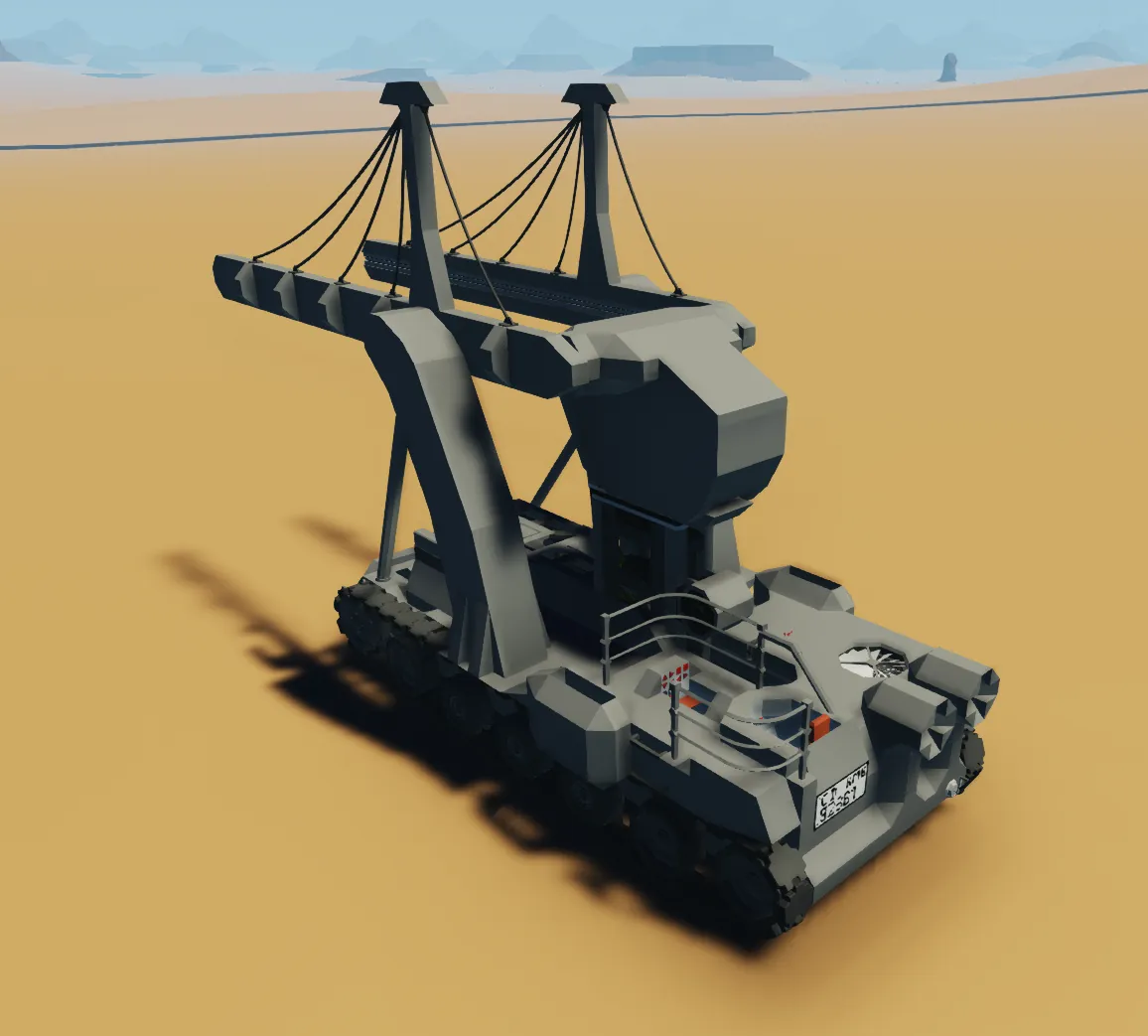
Armour: Open Topped, little to no crew protection, lightly armoured hull.
ROF: Rapid fire of 35s per round is capable for 3 rounds. Sustained fire rate of 1m 35s per round there after.
History:
1928-1931:
Kreux Machinenbau is approached by foreign dignitaries to begin development of a super heavy siege cannon, which will come to be named the Schwere Belagerungskanone.
Initial Specification:
Calibre: 240mm (later expanded to 260mm)
Range: ≥ 30km
Propulsion: Self-Propelled
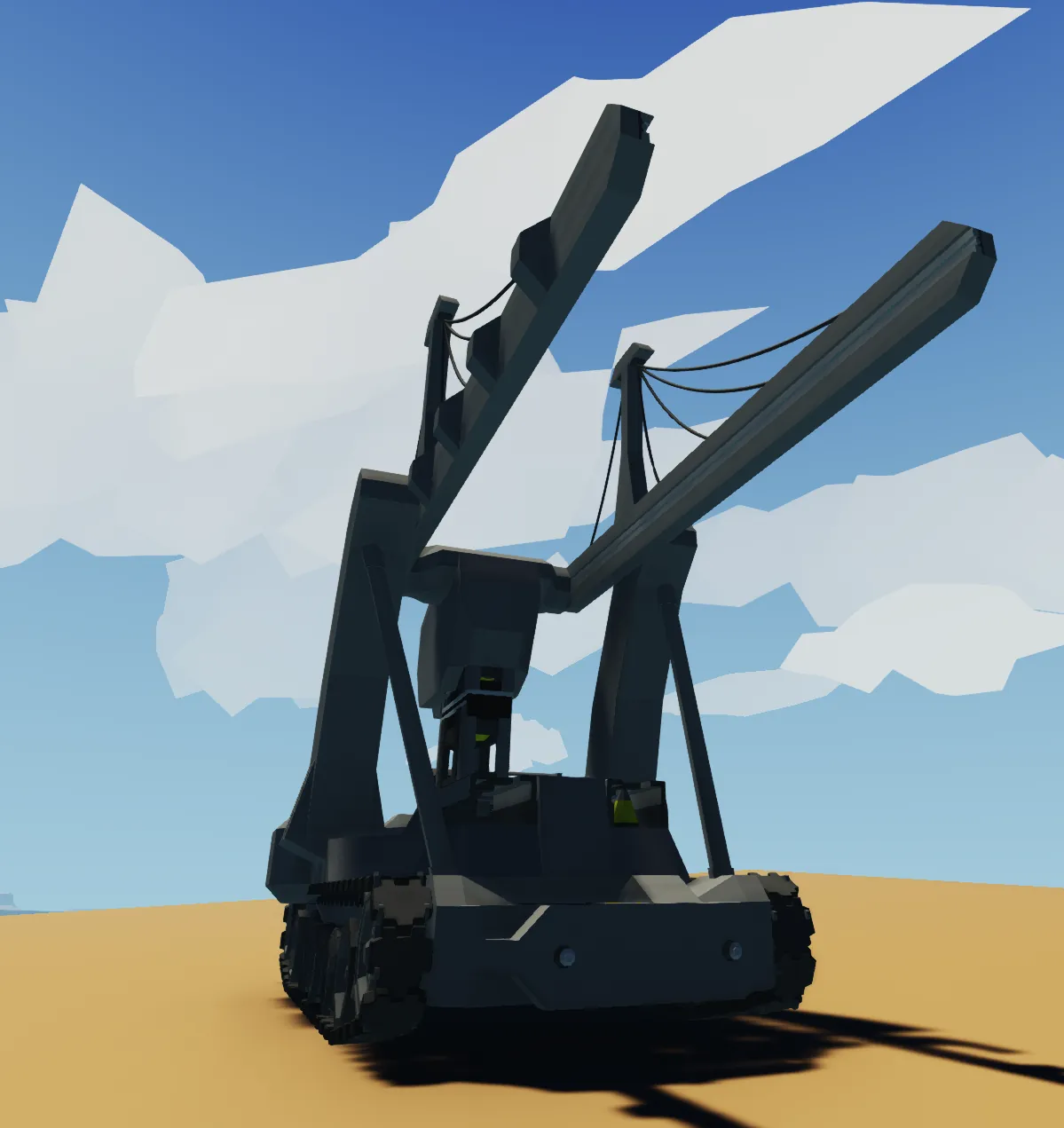
Recoil System: Rope pulley return and recoil system
Chassis: To be utilised for both Cannon and Ammunition carrier.
1931-1933:
First Prototype (SBk-V1 "Elektro-Kanone"):
Petrol-electric Drive (V8 Petrol Engine + Electric Motors)
Suffered severe overheating under sustained operation
Recoil system: Rope pulleys proved inadequate for repeated firing
Second Prototype (SBk-V2):
Alternative propulsion: Boxer 10-cylinder engine
Hydraulic recoil pistons installed to replace rope system after successful testing
1934-1935:
Finalised chassis SBk-V3, henceforth designated as KMb Schwere Belagerungskanone M1934
Issues Identified:
Extreme weight (≈85 tonnes) caused frequent track, transmission and suspension failures
Engine prone to overheating if over-stressed or utilised in desert environments
Frequent failures in gun traversal hydraulic system
1936-Onwards:
Re-designated as KMb Schwere Belagerungskanone M1934/36 after the upgrade of transmission, suspension and cooling systems.
Issues continually identified in various hydraulic systems installed
Approved for overseas sales