This description was translated by AI.
Modernization Update (2026/04/19)
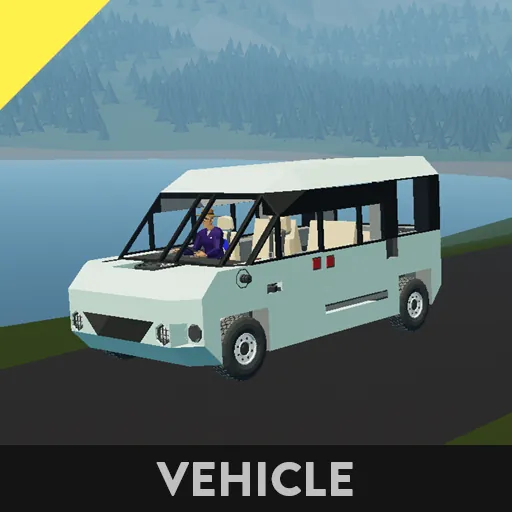
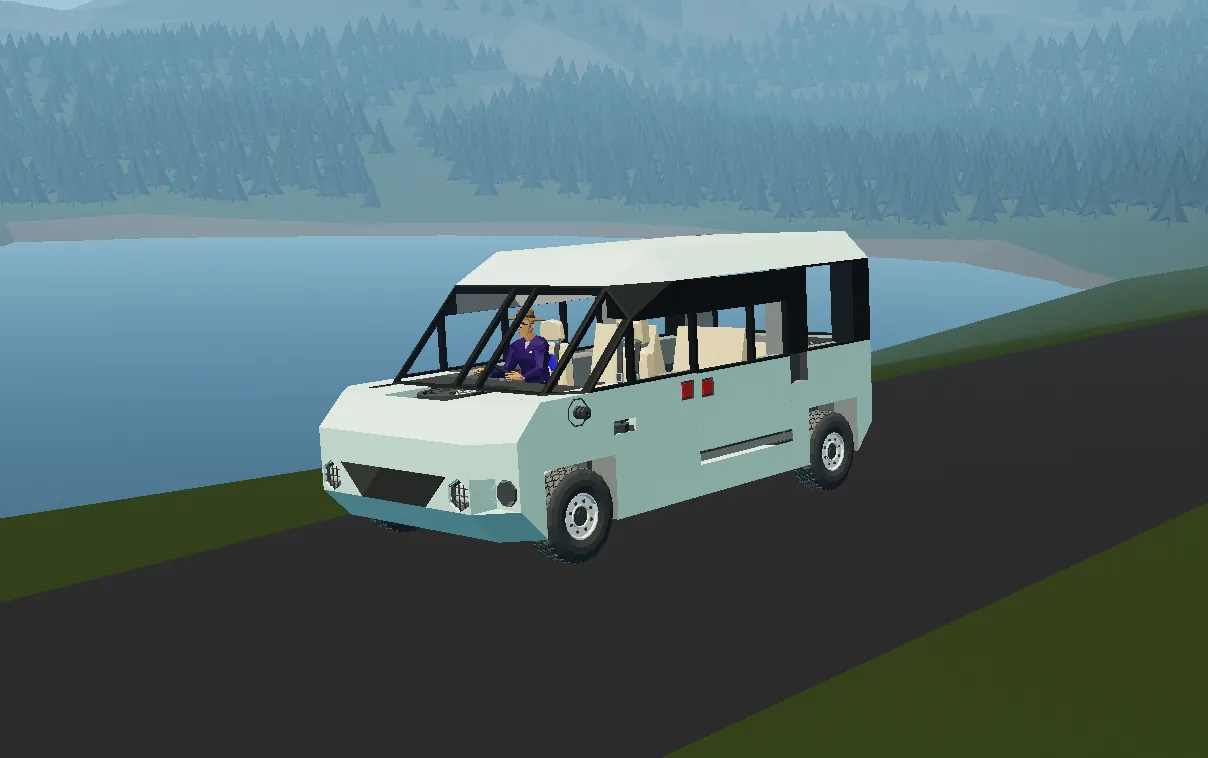
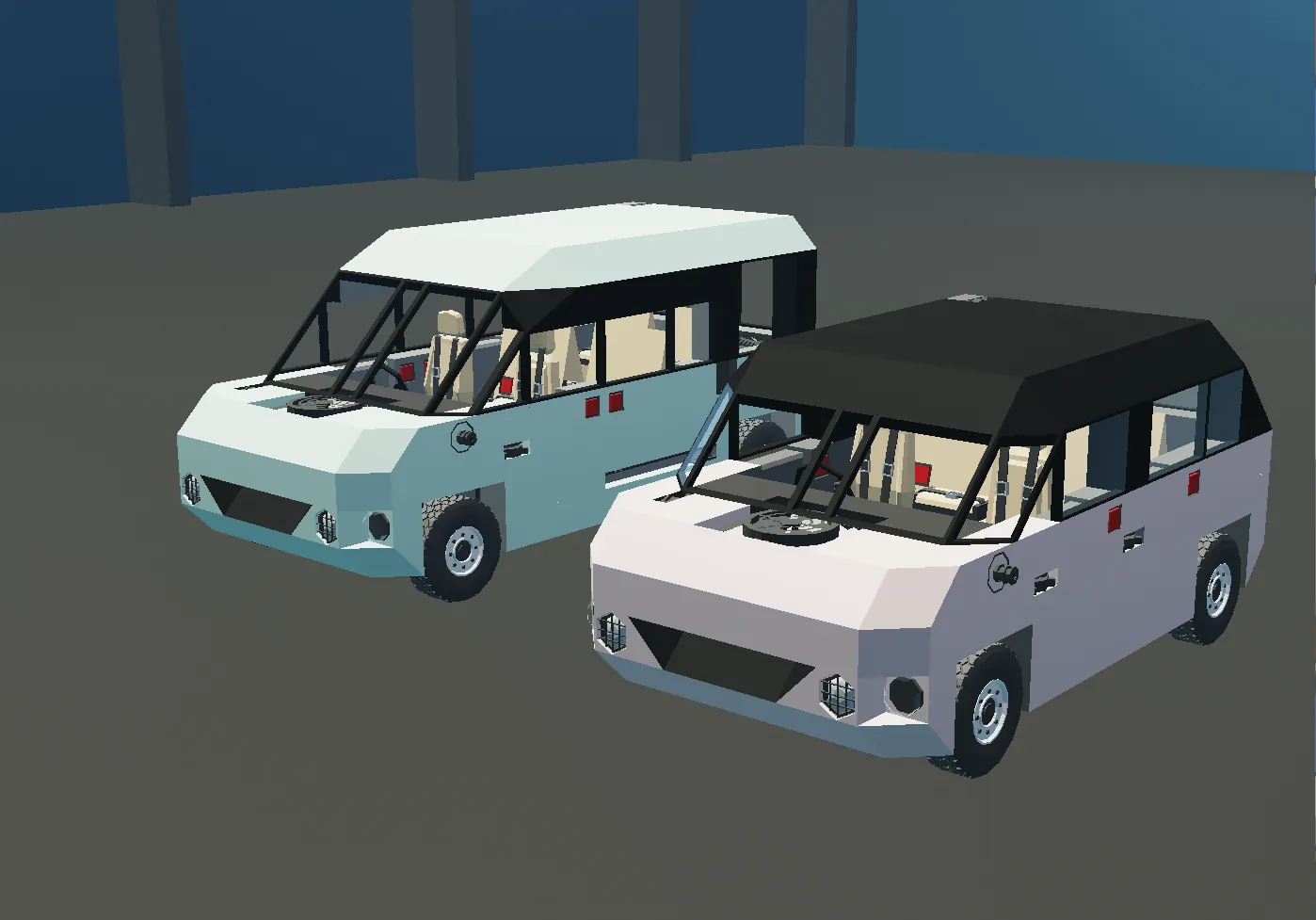
This vehicle has been modernized alongside the development of the van model.
4WD version → https://steamcommunity.com/sharedfiles/filedetails/?id=3711408781
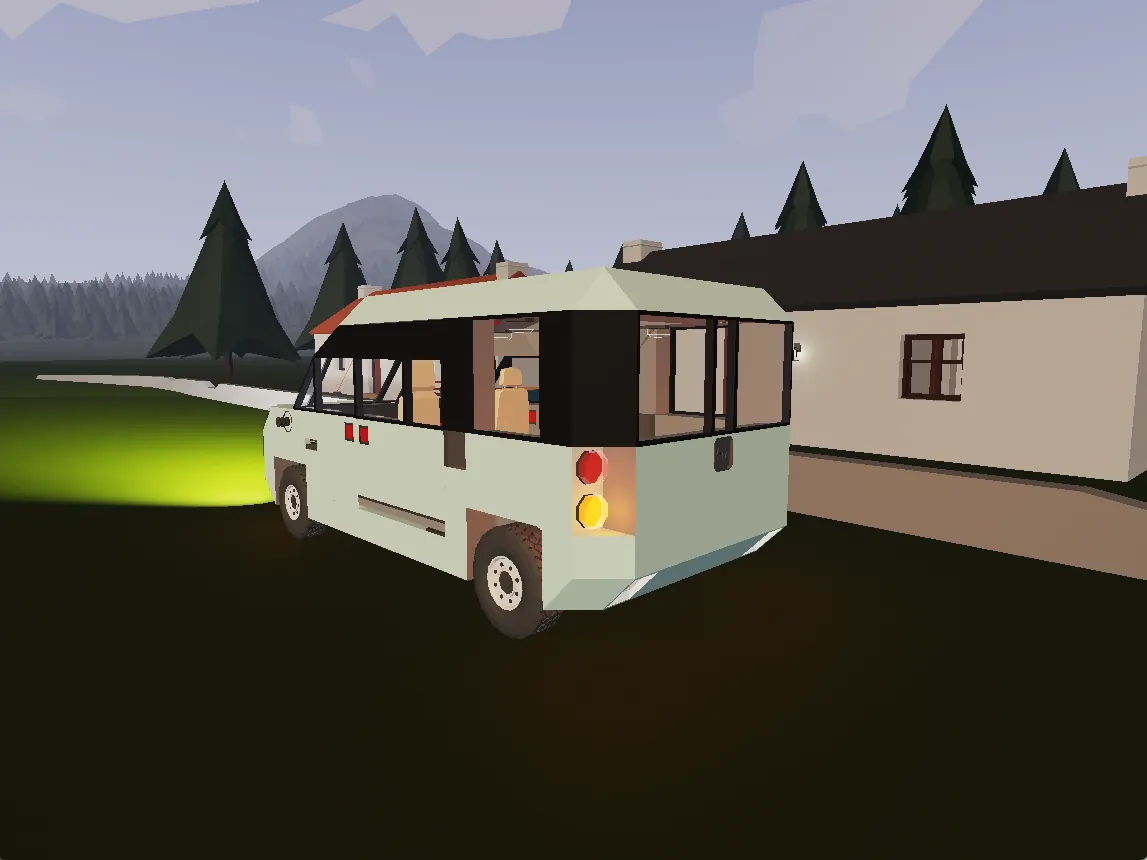
Minivan – Overview
Drivetrain: FF
Body Type: Minivan
Dimensions: 2.25 m wide / 5.0 m long
Powertrain: Series hybrid with a turbocharged inline‑4 generator engine + single drive motor
Generator Output: 66 SW
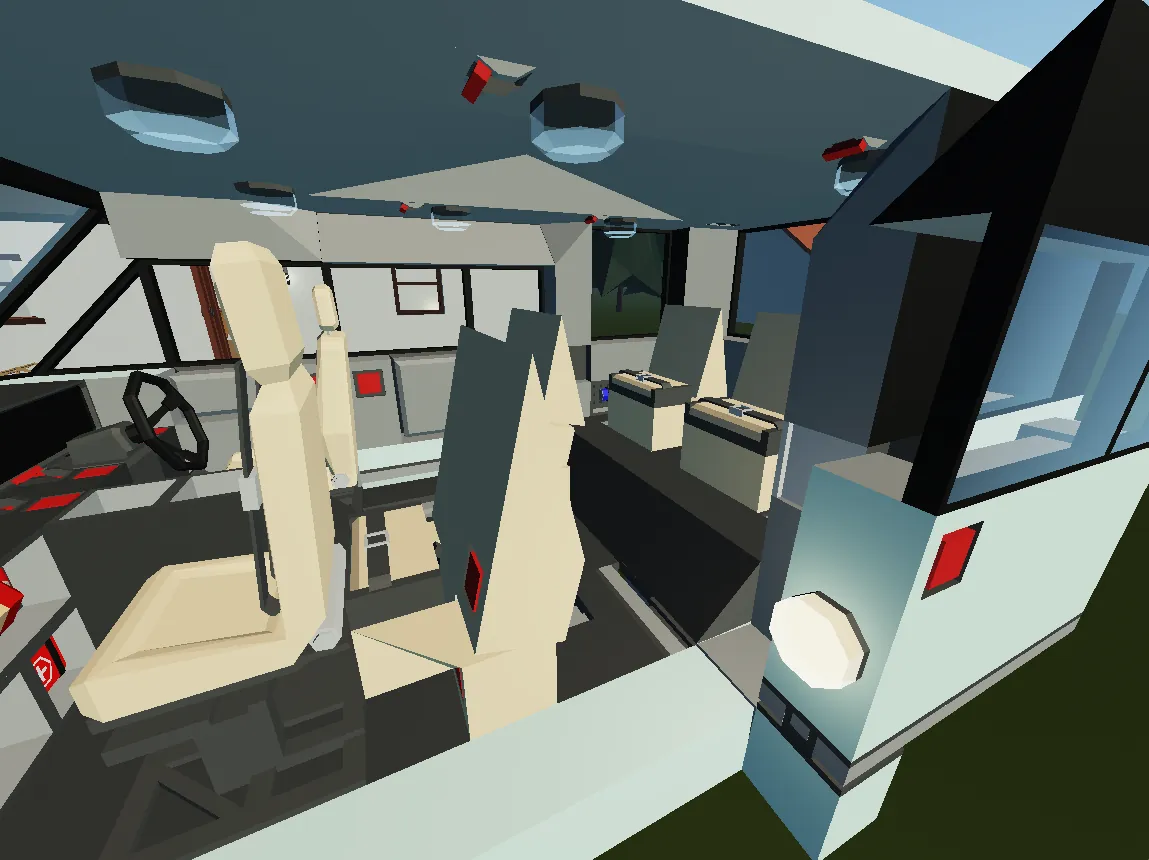
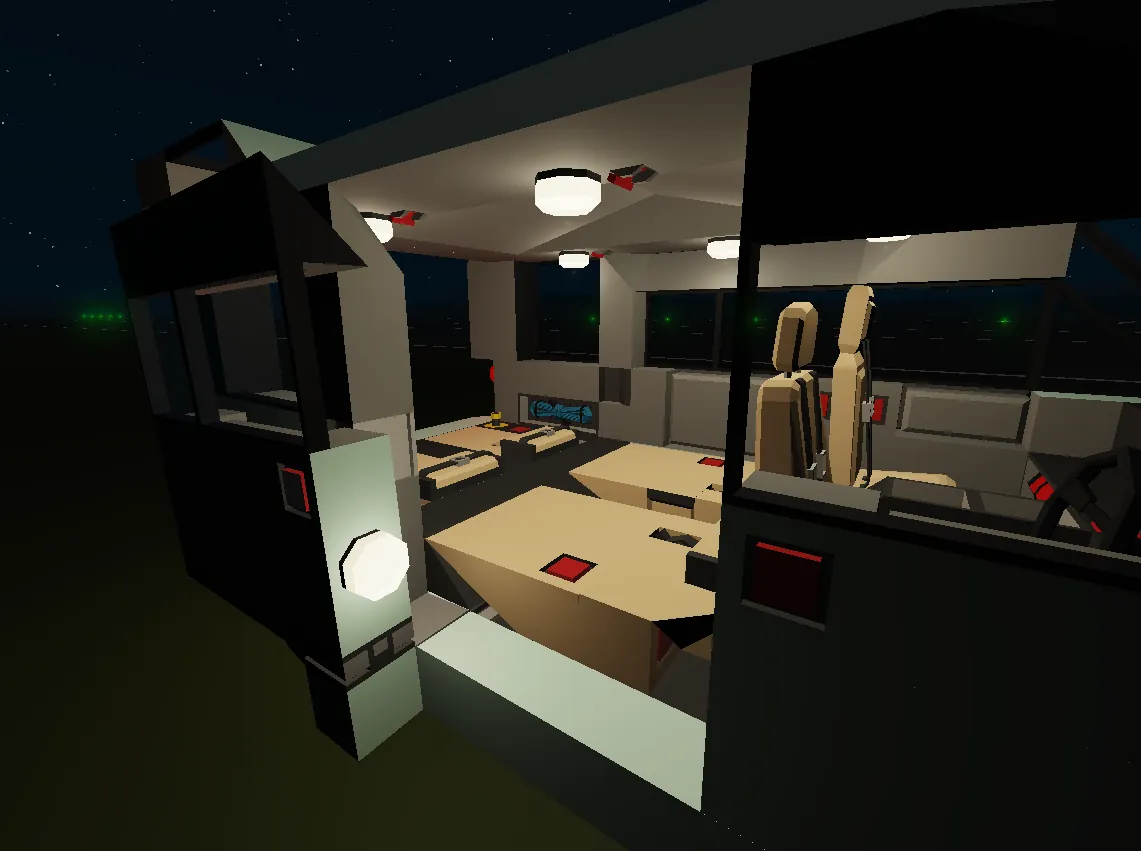
Seats: 6
Fuel Economy: From 2.33 km/L in ECO mode
Fuel Tank: 93.75 L
Drive Battery: Small × 6
Key Features
Fully motor‑driven for smooth and quiet operation.
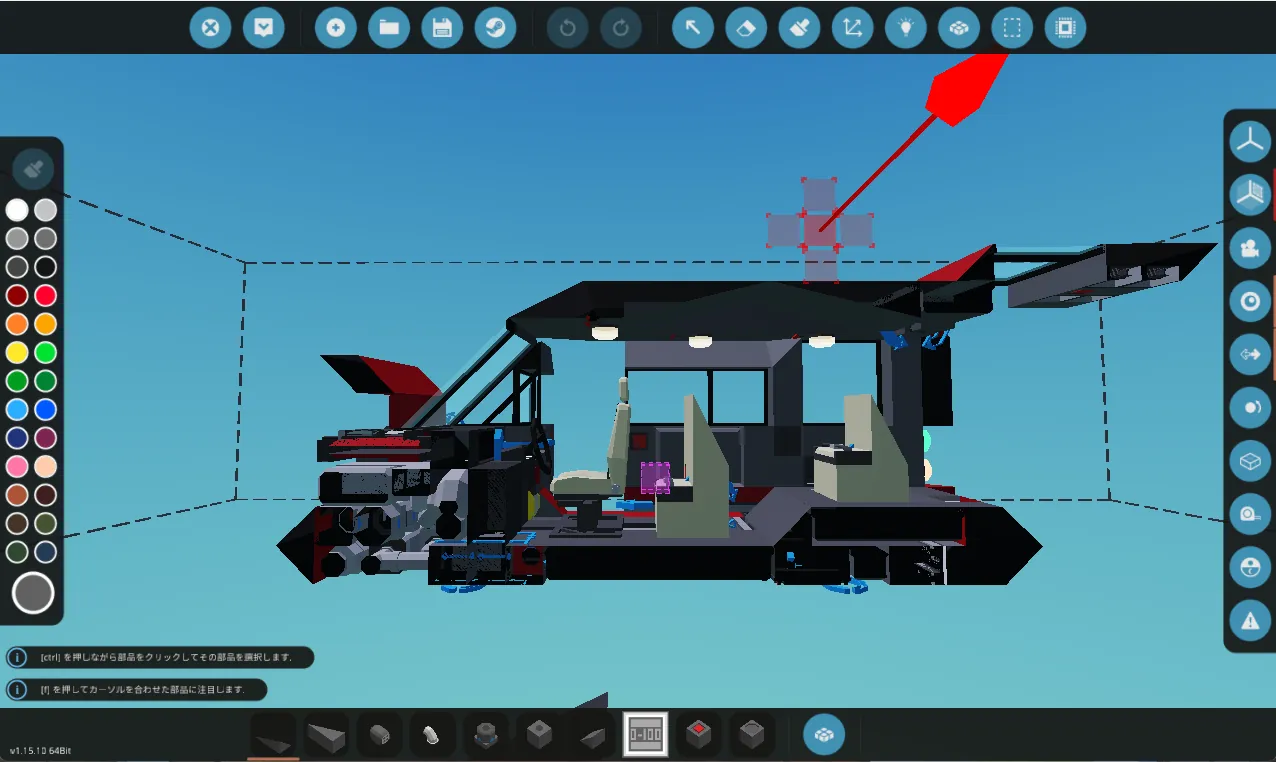
Second and third‑row seats fold flat to create a large, level cargo floor.
Dual power sliding doors.
Three driving modes: Eco / Normal / Power.
Silent Mode can be enabled at the same time to keep the engine off.
Power‑supply mode (High/Low) available while stopped.
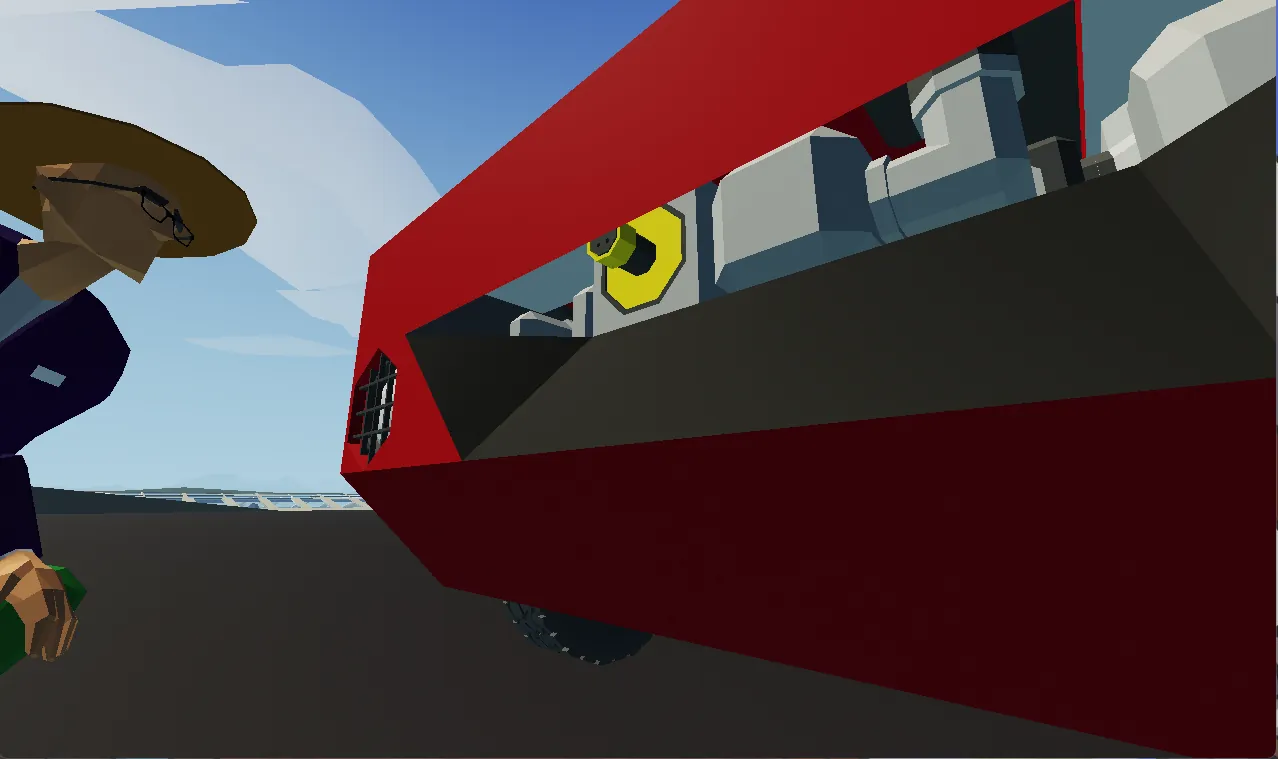
Charging/power ports are accessible through the grille.
Cruise control available from 30 to 170 km/h.
TCS works with slope detection and reverse gear (can be disabled).
Front differential improves turning performance at low to medium speeds.
Display Information
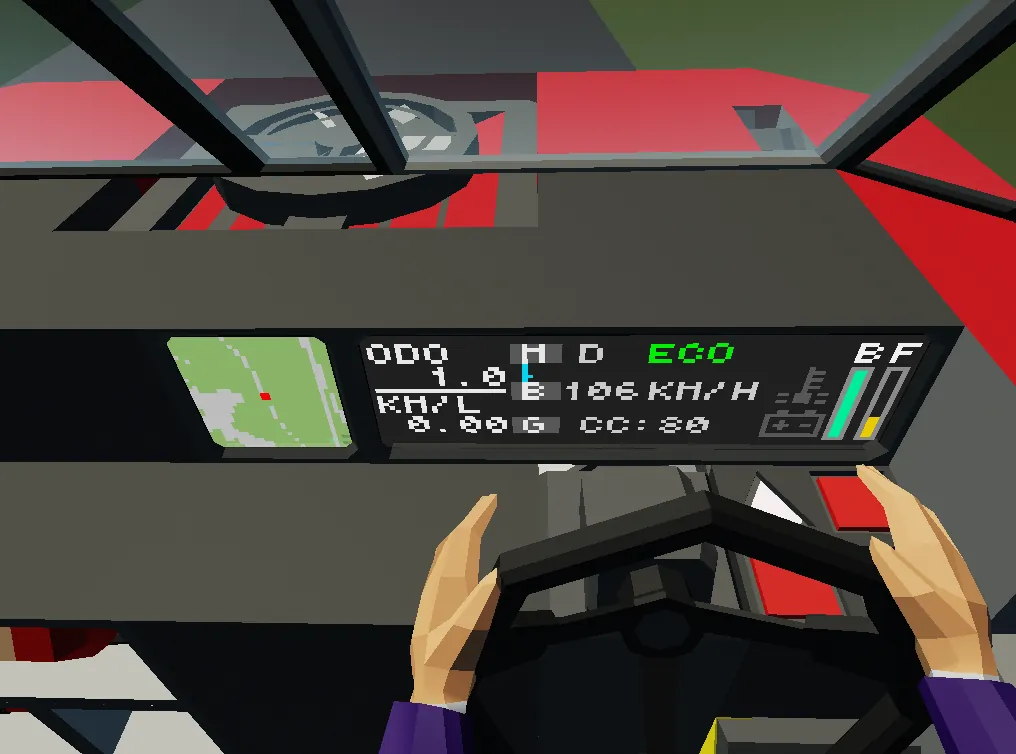
ODO: Total distance traveled
km/L: Current average fuel economy
(Displays 0 until the engine runs at least once)
Control Logic
The engine automatically turns on/off to keep the drive battery at 85% or higher.
Normally runs only at its most efficient RPM, but will shift to a lower gear ratio and higher RPM when battery charge is low.
GH Mode (High): Engine revs up to the cooling limit for maximum power generation.
GL Mode (Low): Engine maintains its most efficient RPM.
Notes
If the auxiliary battery becomes depleted, switch on the emergency circuit located at the lower right of the driver’s seat to connect it to the drive battery.
When powering external devices, there may be a short delay before the engine starts (waiting for boost pressure).
Even in Silent Mode, the engine will start if battery charge becomes critically low.
If the battery warning light turns on, activate the emergency circuit to share power from the drive battery.
Fuel used during power‑supply mode is excluded from fuel‑economy calculations.
Other Information
Modding, disassembly, using parts, and redistribution without credit are all allowed.
Hatchback Model Here!
https://steamcommunity.com/sharedfiles/filedetails/?id=3673234654