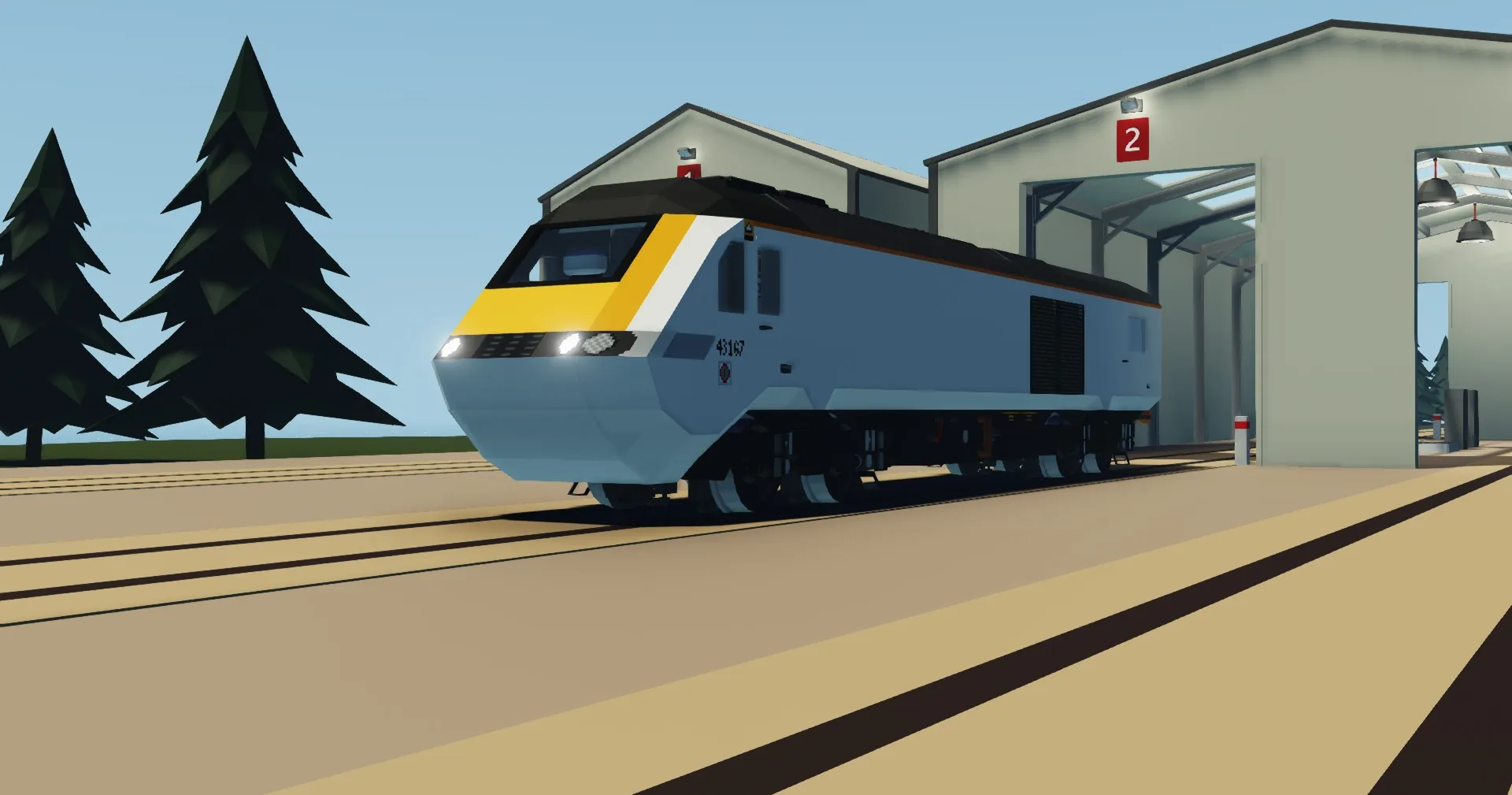
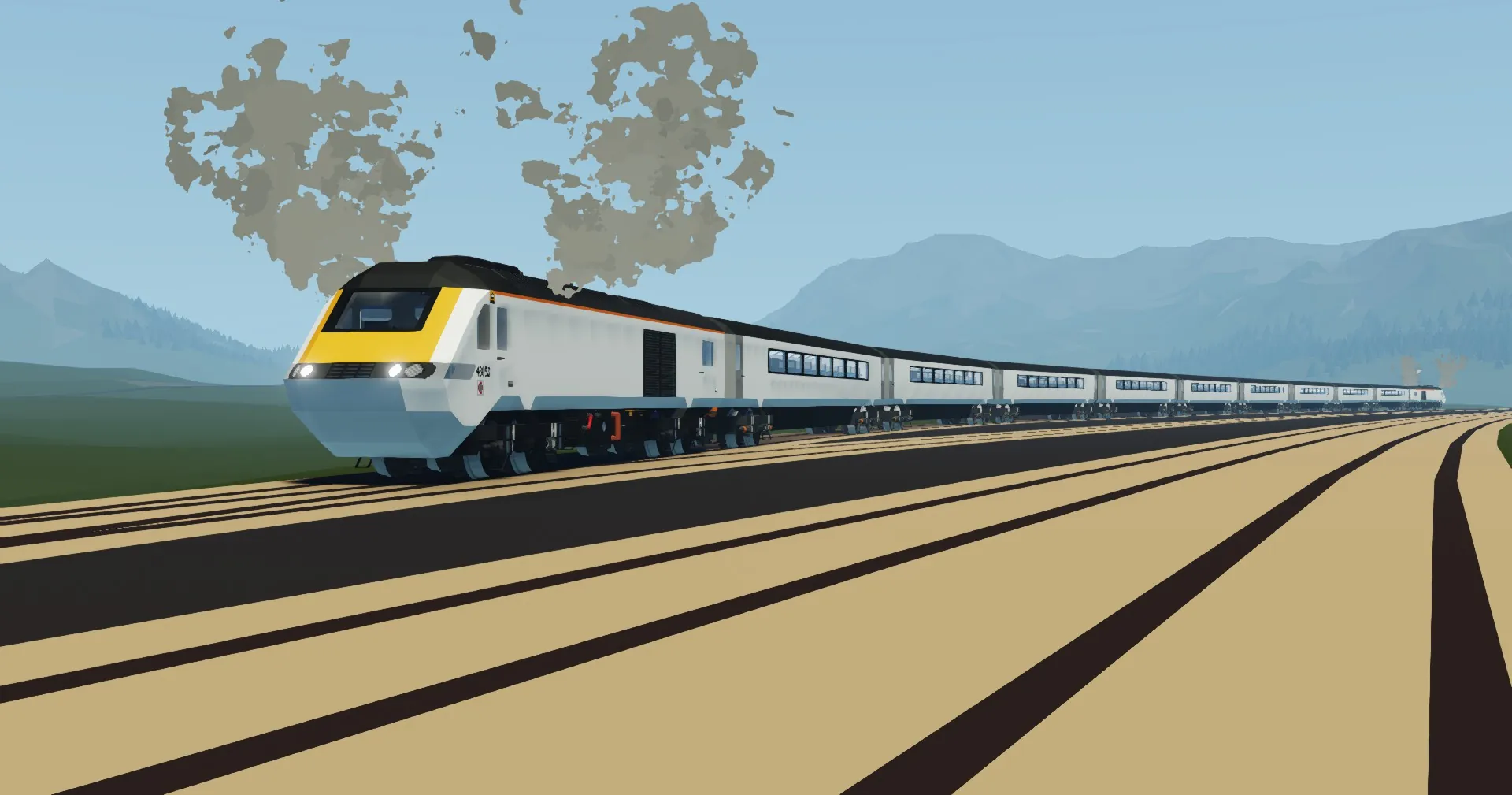
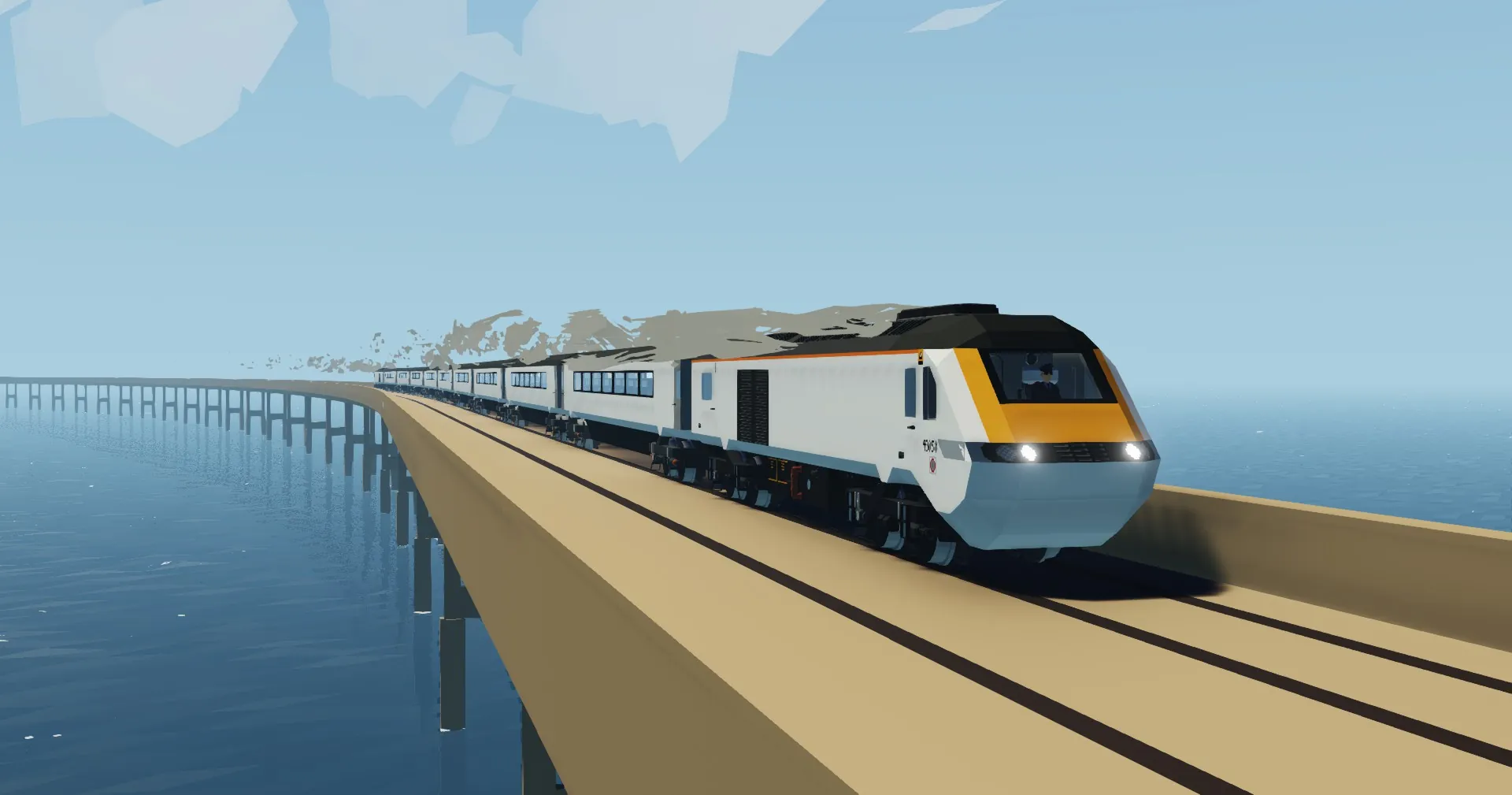
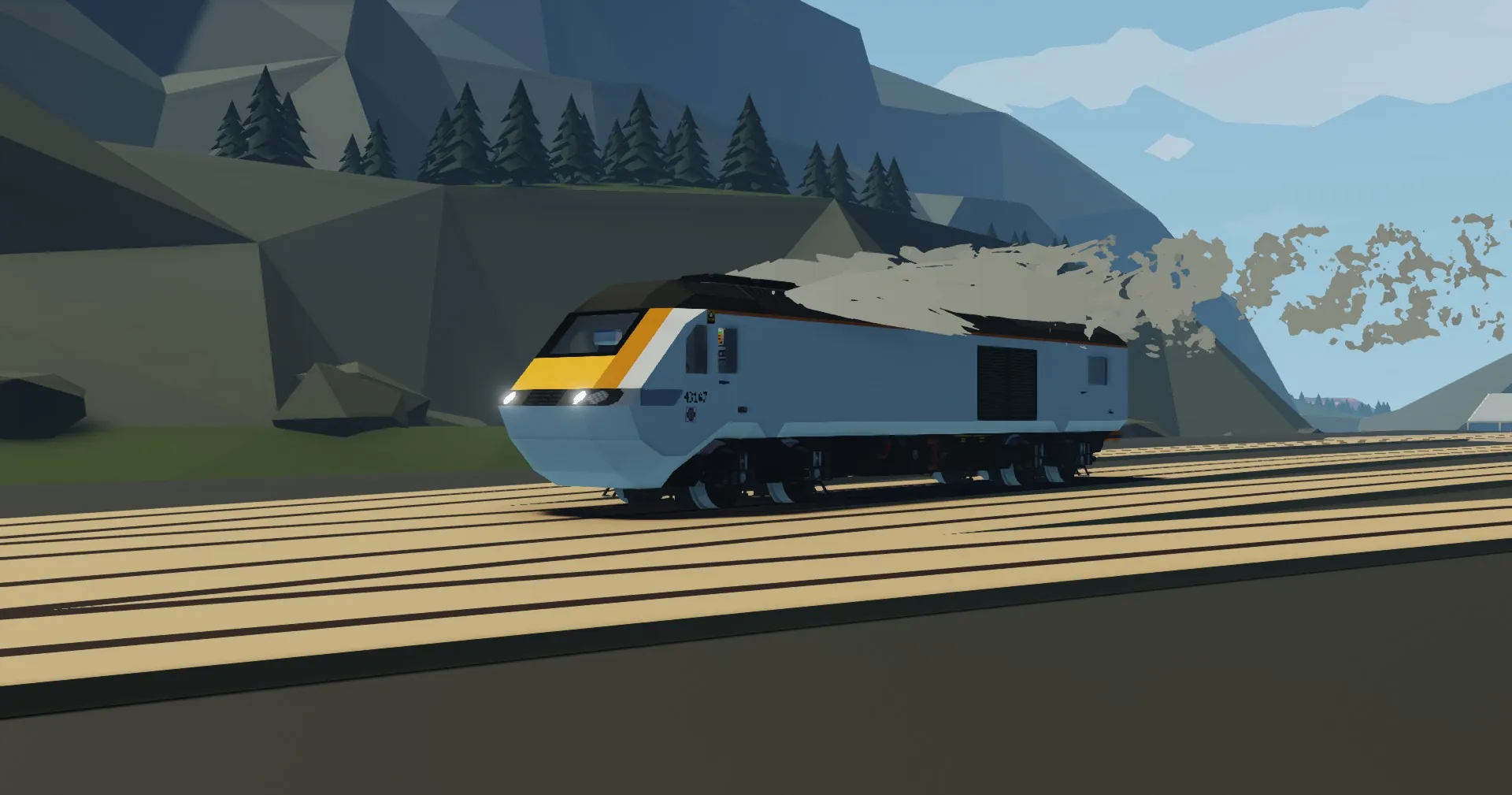
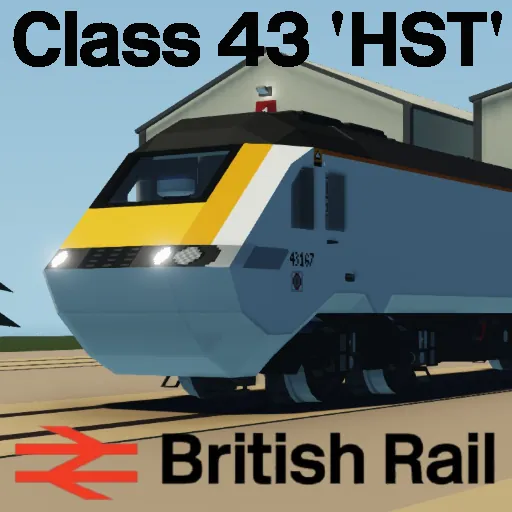
The British Rail Class 43, better known as the High Speed Train (HST), is one of the most important diesel locomotives in British railway history. It was developed in the early 1970s as part of British Rail’s InterCity 125 project. At the time, the railway was losing passengers to cars and planes, and there was a need for faster and more reliable trains to bring people back to the railways.
The Class 43 was built to lead a new kind of high-speed train. It was powered by a Paxman Valenta diesel engine and could reach speeds of up to 125 miles per hour, which made it the fastest diesel-powered train in the world when it entered service in 1976. These locomotives were placed at both ends of a set of passenger coaches, creating a powerful and efficient train that was quicker and more comfortable than older services.
The arrival of the HST made a big difference. It cut travel times significantly. For example, trips from London to Bristol became much shorter. This helped bring passengers back to the railway and showed that rail travel could still be modern and competitive.
Over the years, the Class 43 power cars were updated with new engines, including the MTU 16V4000, which helped them stay in service longer. While new trains like the electric and hybrid Class 800 have started to replace them, many Class 43s stayed in use well into the 2020s.
Even though they are now being retired, the Class 43 is still remembered fondly. Some have been preserved and are still running on special services. These locomotives remain a symbol of a time when British Rail found new life through smart design and high-speed travel.
SPECIFICATION
Top Speed: 220MPH
Mass: 7653
Cost: $66538
Length:74 Blocks
Width: 11 Blocks
Fuel Capacity: 4100 Litres
Diesel Electric