INTRODUCTION
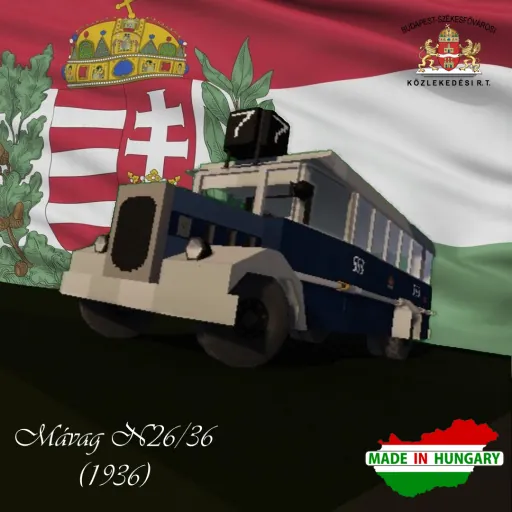
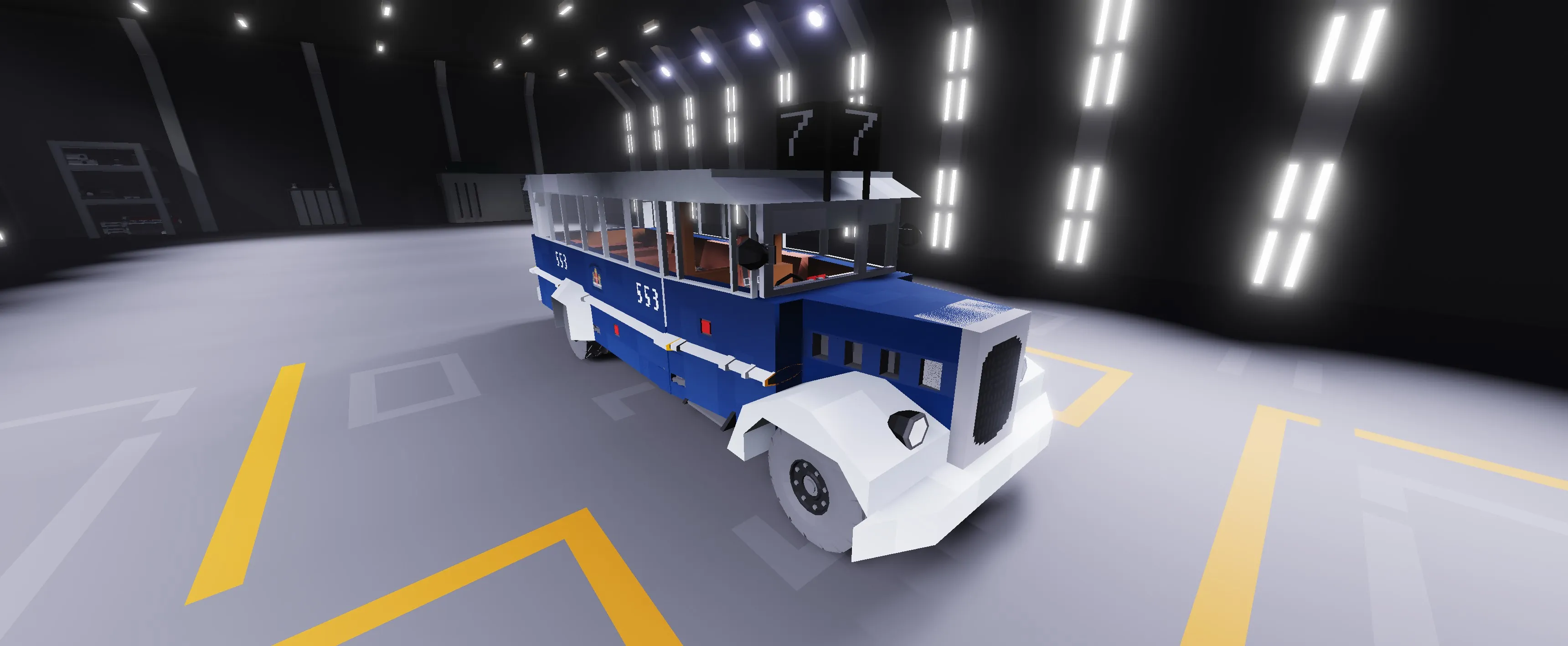
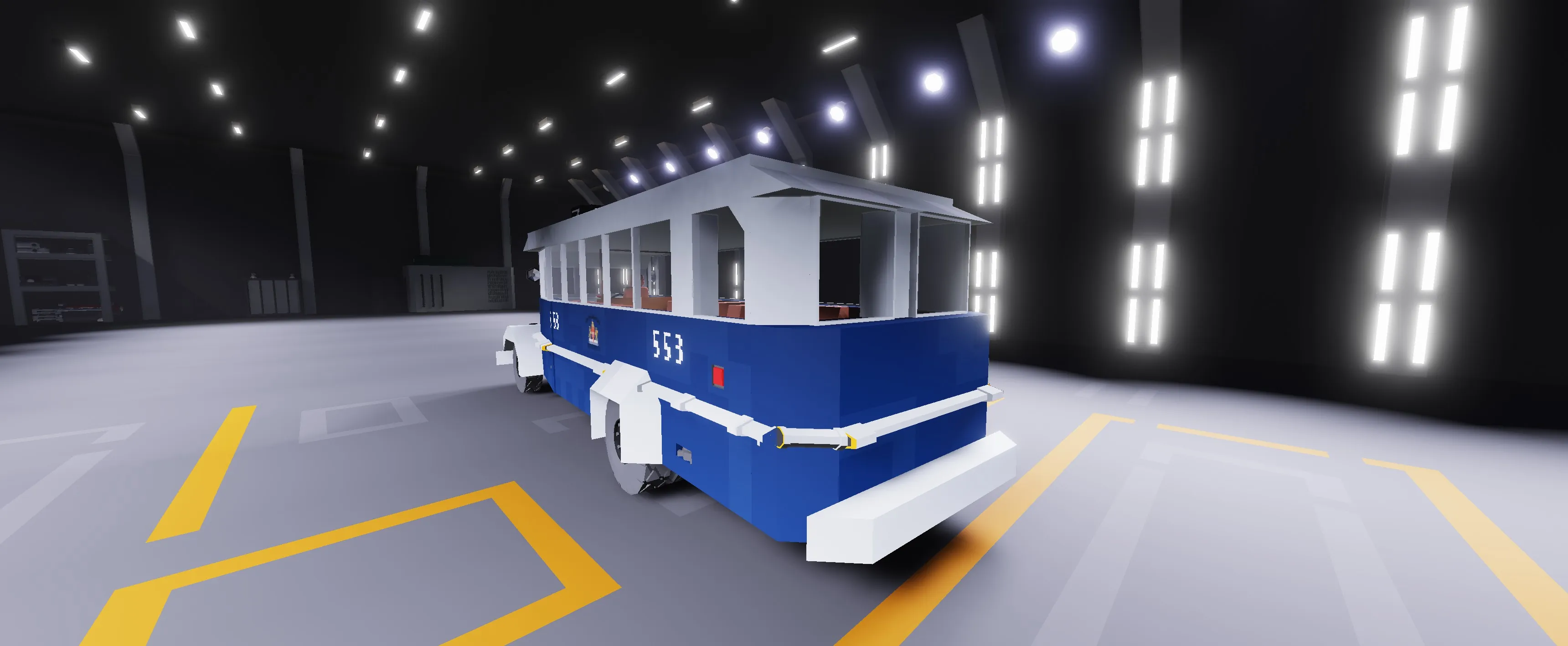
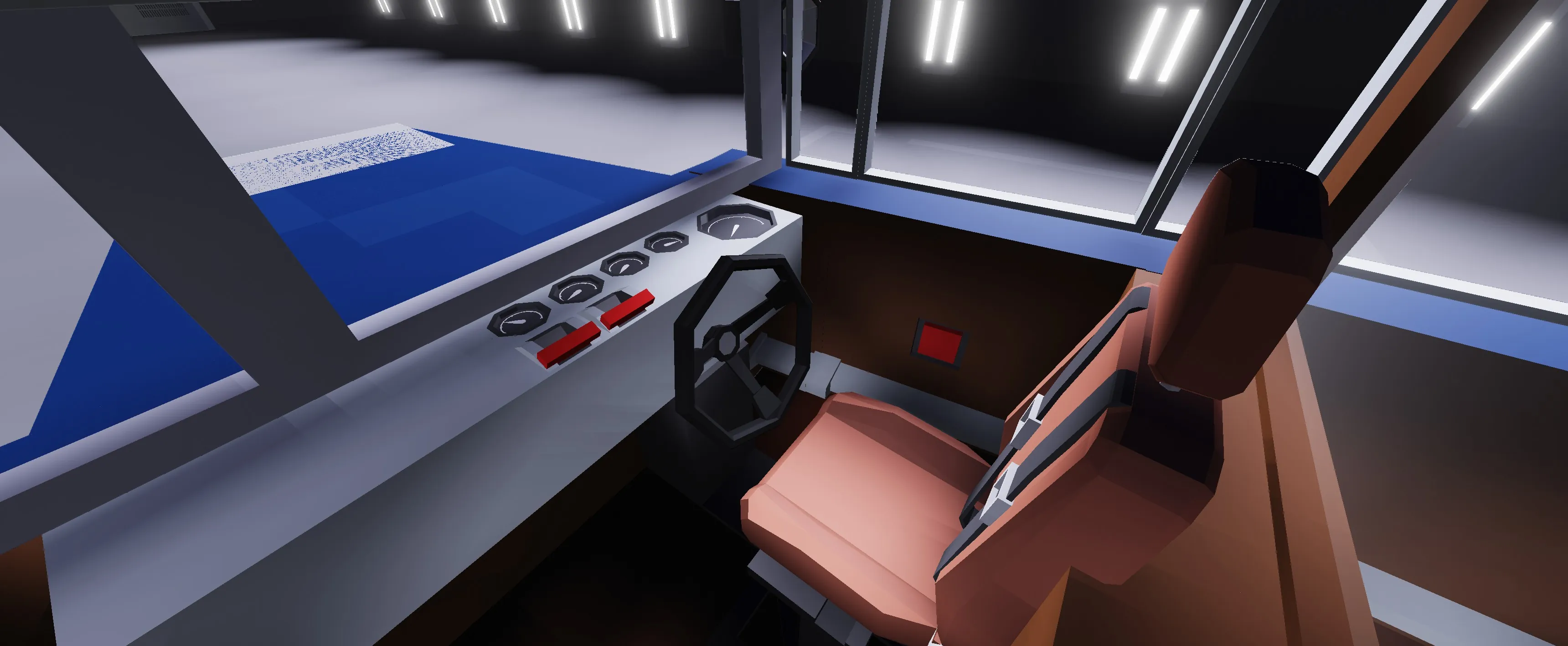
So, this is my first ever bus like this, and it's basically a newer variant of the Mávag-Mercedes Benz N2, which is basically a hungarian bus from 1929 that has it's engine in it's own compartment in the front
[img]https://i.postimg.cc/1XyNBHhj/wmremove-transformed-8.jpg[/img]
HISTORY
During the tests, one of the Mercedes models was found to be the most suitable, so MÁVAG's attention turned to Mercedes-Benz from then on. The NAG license agreement, which was already expiring, was not extended for this reason, although the capital city purchased four NAG-MÁVAG 204s in 1927.
After the agreement concluded in 1928, trucks and minibuses with various body types (flatbed, closed, ambulance) were manufactured under the name MÁVAG-Mercedes. It was not long before the first serious order was received; after the aforementioned tests were completed, the capital city placed an order with MÁVAG for one hundred and five new buses: twenty-five N2h type small, mountain-designed buses, ten N2 type small, flat-land-designed buses, forty-five N26 type medium-sized buses, and twenty-five NI56 type three-axle buses were in use in the capital city. The chassis of the buses was manufactured by MÁVAG, the petrol engine was supplied by MÁG, and the bodywork was made in a uniform design but at different locations.
In the middle of the decade, another order came from BSZKRT: fifty-five N26/36 type buses were purchased, these were the first factory-made iron-framed vehicles in the capital. Two years later, another one hundred and forty-six N26s were purchased, these cars were already made in the wide-nosed version. The buses were colloquially called “Harcsa” because of the moustache-shaped radiator grille pattern running along the front.
The first type to be factory-fitted with a diesel engine was the MÁVAG N26/36, which operated in Budapest between 1936 and 1953. The capital acquired 56 of the model, and the Zurich blue-painted buses represented a significant step forward in terms of performance. The Láng OML 67 type, 7140 cubic centimeter engines could already deliver 90 horsepower. Interestingly, one of the predecessors of BKV, the BSzKRt., was the first in Europe to complete the dieselization of its entire bus fleet in 1937.
The last (known) bus of this type was scrapped in 2006 at the same place and time of the last Mávag M5 (although, there is/was a 1939 version of it in the former B.P. Ikarus factory property in the first half of the 2000s, but it's fate is unknown)
[img]https://i.postimg.cc/ncDMbBdS/ganz-archiv-mavag2.jpg[/img]
^ the irl vehicle this is based on
SPECIFICATIONS
[list]
[*] weight: 1153 swKG
[*] price: $10407
[*] max speed: 76 km/h
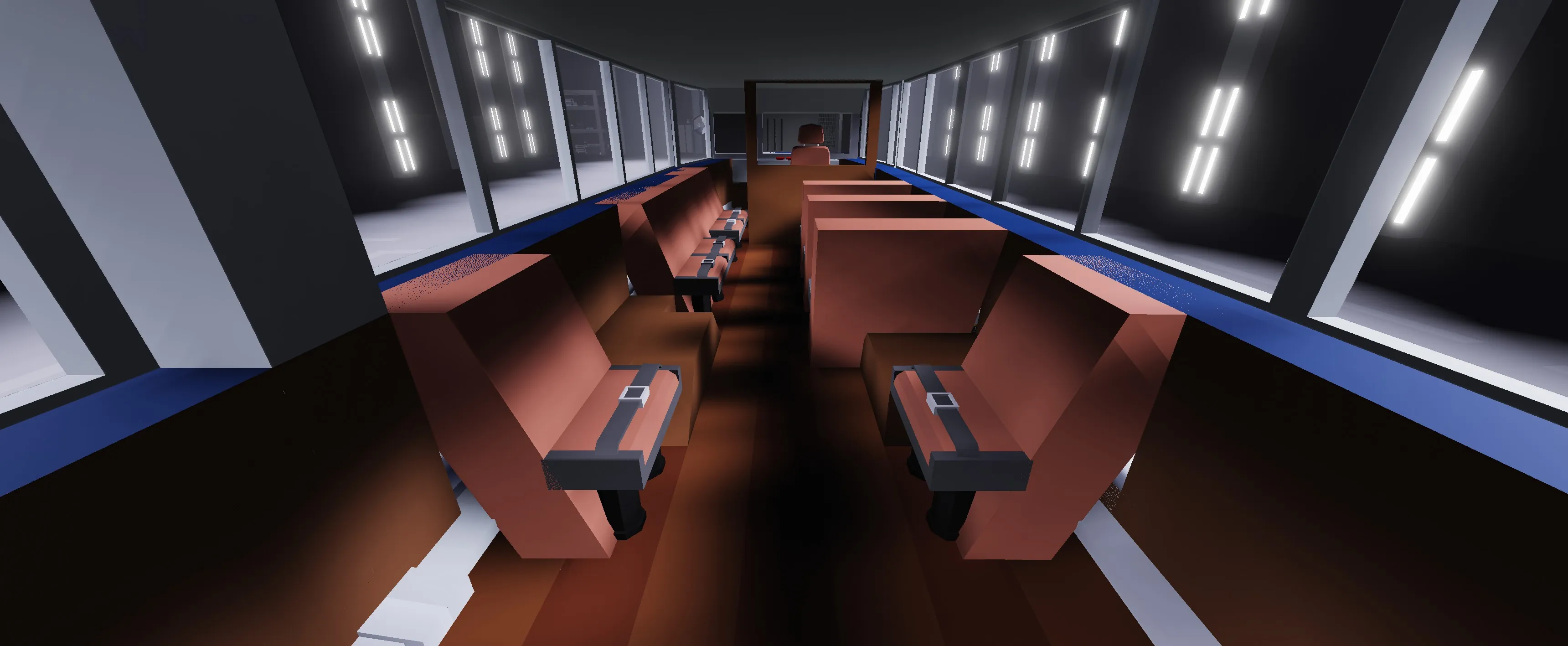
[*] max capacity 9+1 (14+1 if the seats are replaced with modded 1.5 width seats)
[*] engine type: F6 (flat-six) modular engine with clutch rps of 7.5 and limiter rps of 8.5
[*] fuel tanks: 2x medium preset
[*] grip: xml-edited 10x grip
[*] wheels: 4x 2.0 radius + all round 3x3 suspension
[*] transmission: 5+1 manual
[/list]
[url=https://steamcommunity.com/sharedfiles/filedetails/?id=2392851331][img]https://i.imgur.com/2mkbOGB.jpg[/img][/url]
IMPORTANT INFO
don't take sharp turns at high speeds because it could spin out and flip
don't reupload this without permission
credits
ECU (Engine Control Unit) - [url=https://steamcommunity.com/sharedfiles/filedetails/?id=2780010656]https://steamcommunity.com/sharedfiles/filedetails/?id=2780010656[/url]
Transmission - [url=https://steamcommunity.com/sharedfiles/filedetails/?id=2198587664]https://steamcommunity.com/sharedfiles/filedetails/?id=2198587664[/url]
Instrument Panel - [url=https://steamcommunity.com/sharedfiles/filedetails/?id=2917157340]https://steamcommunity.com/sharedfiles/filedetails/?id=2917157340[/url]