Please like the vehicle if you enjoy it so more people can see it!
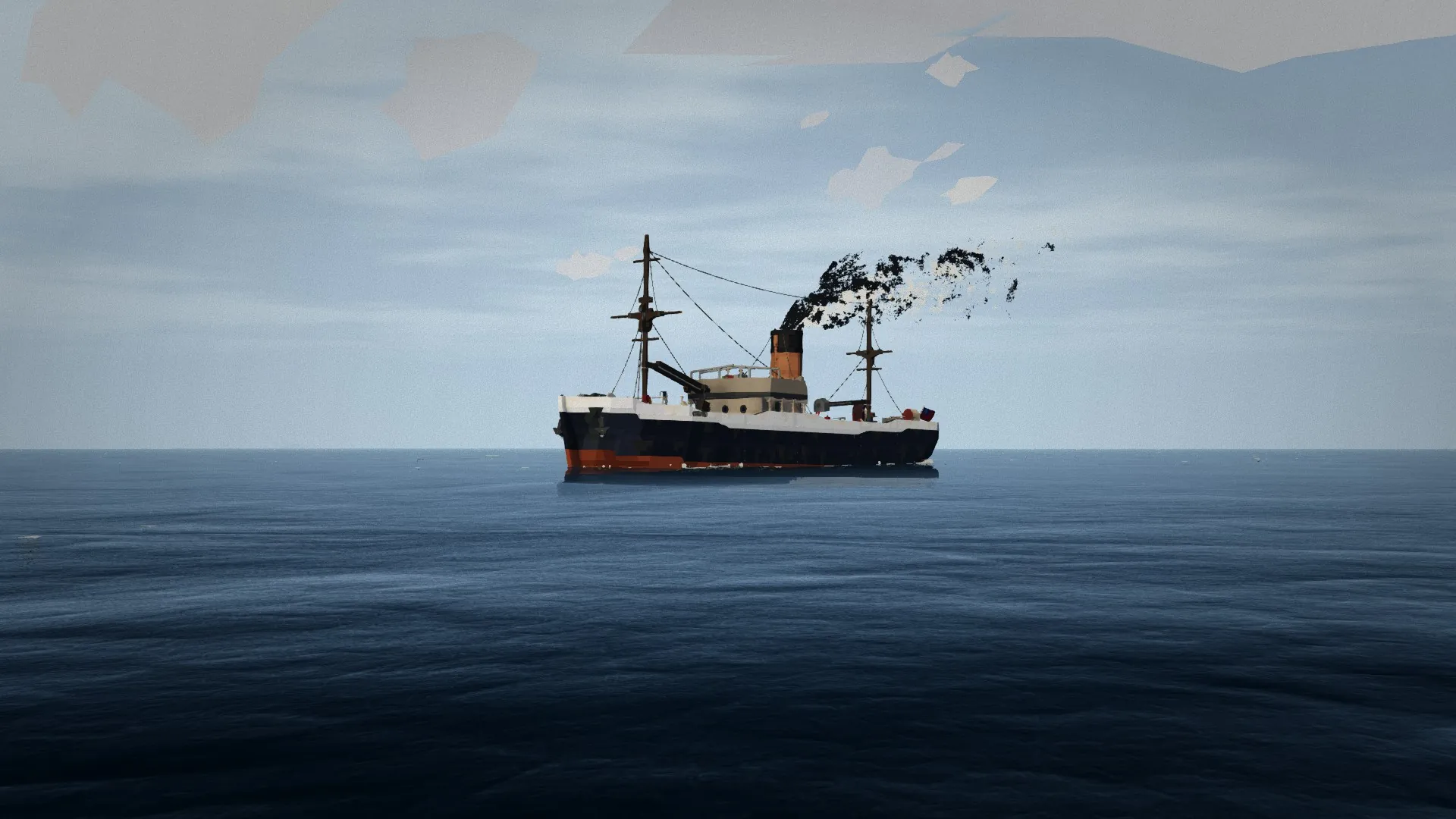
What is this ship?
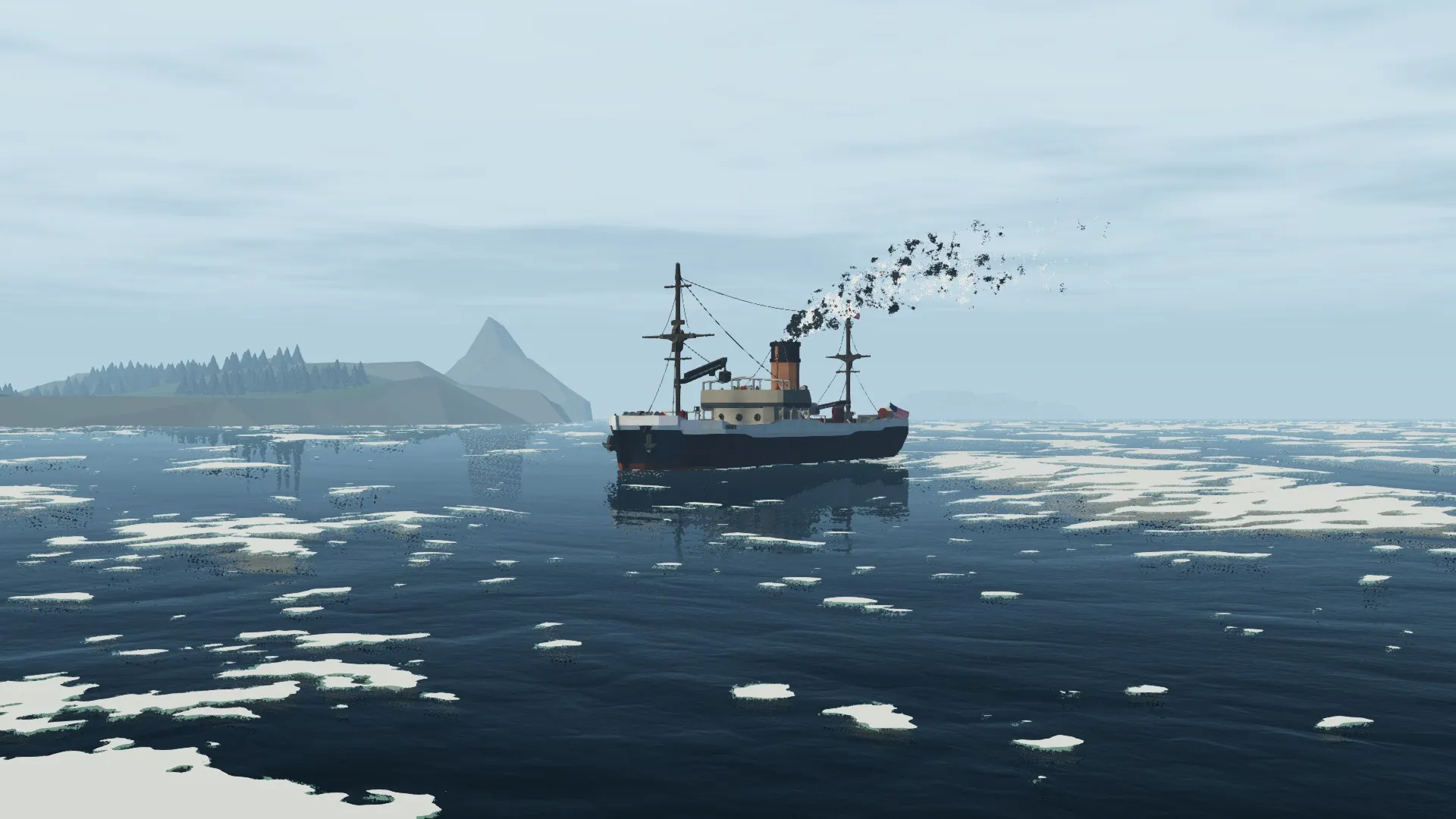
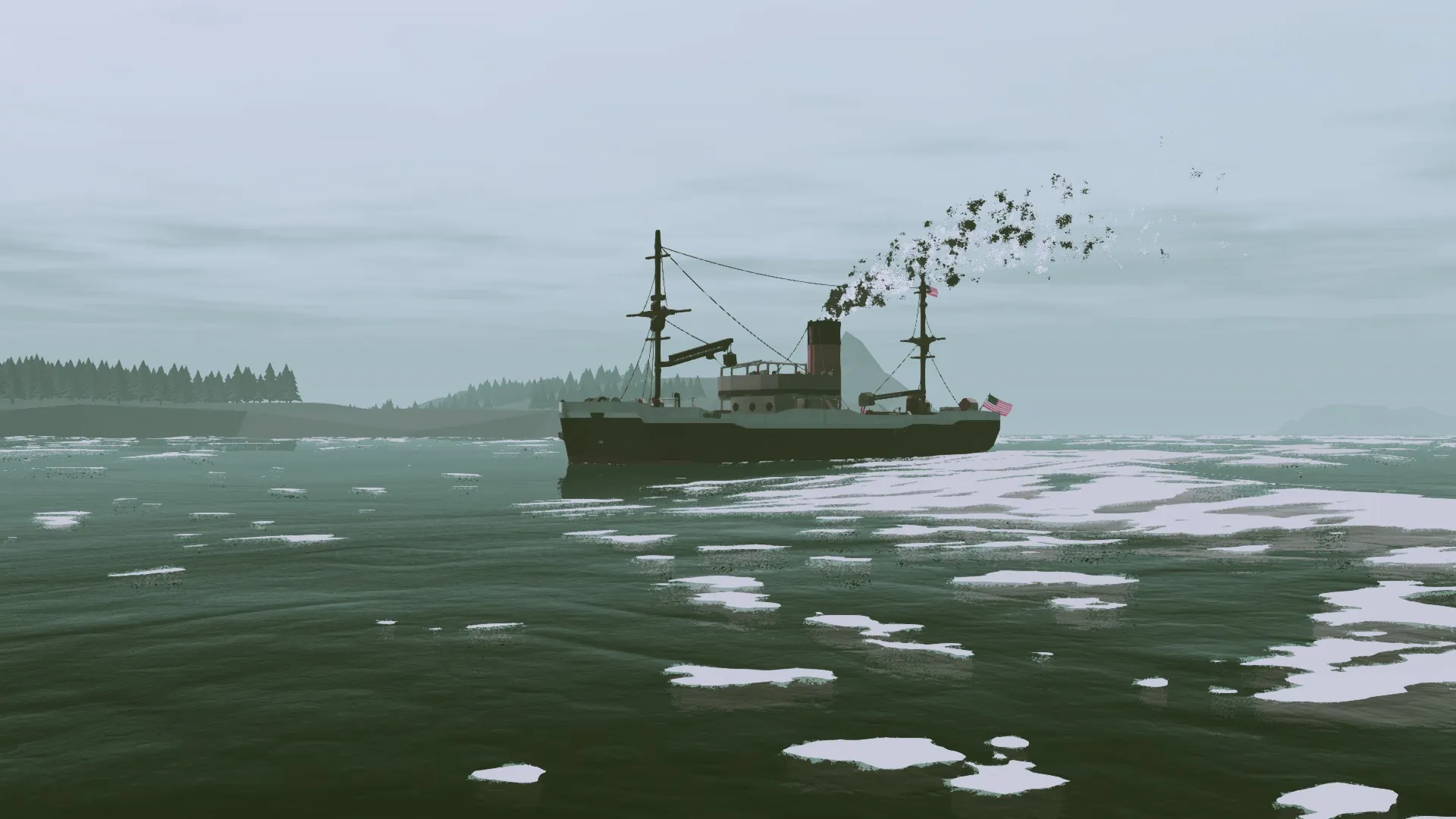
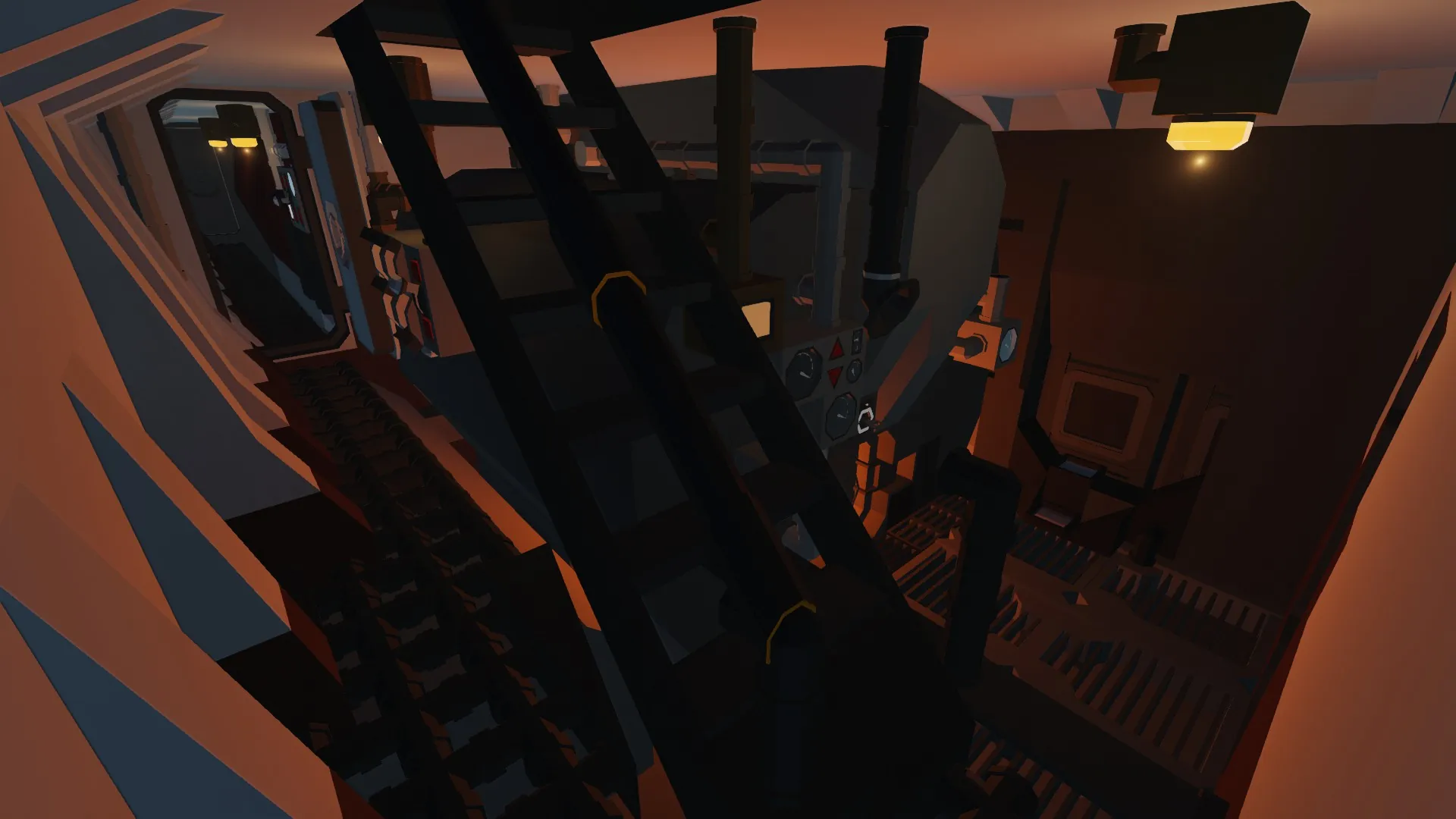
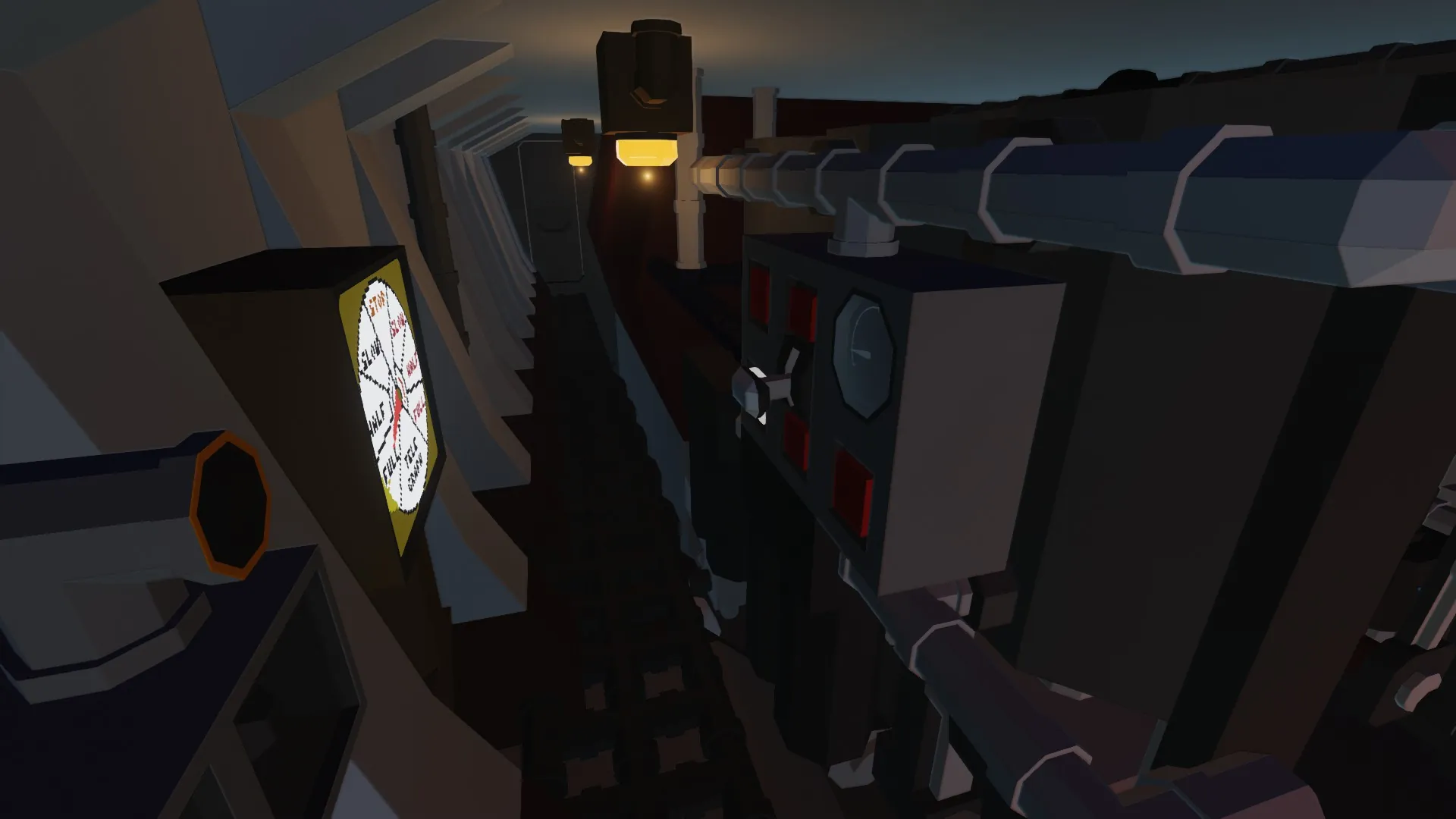
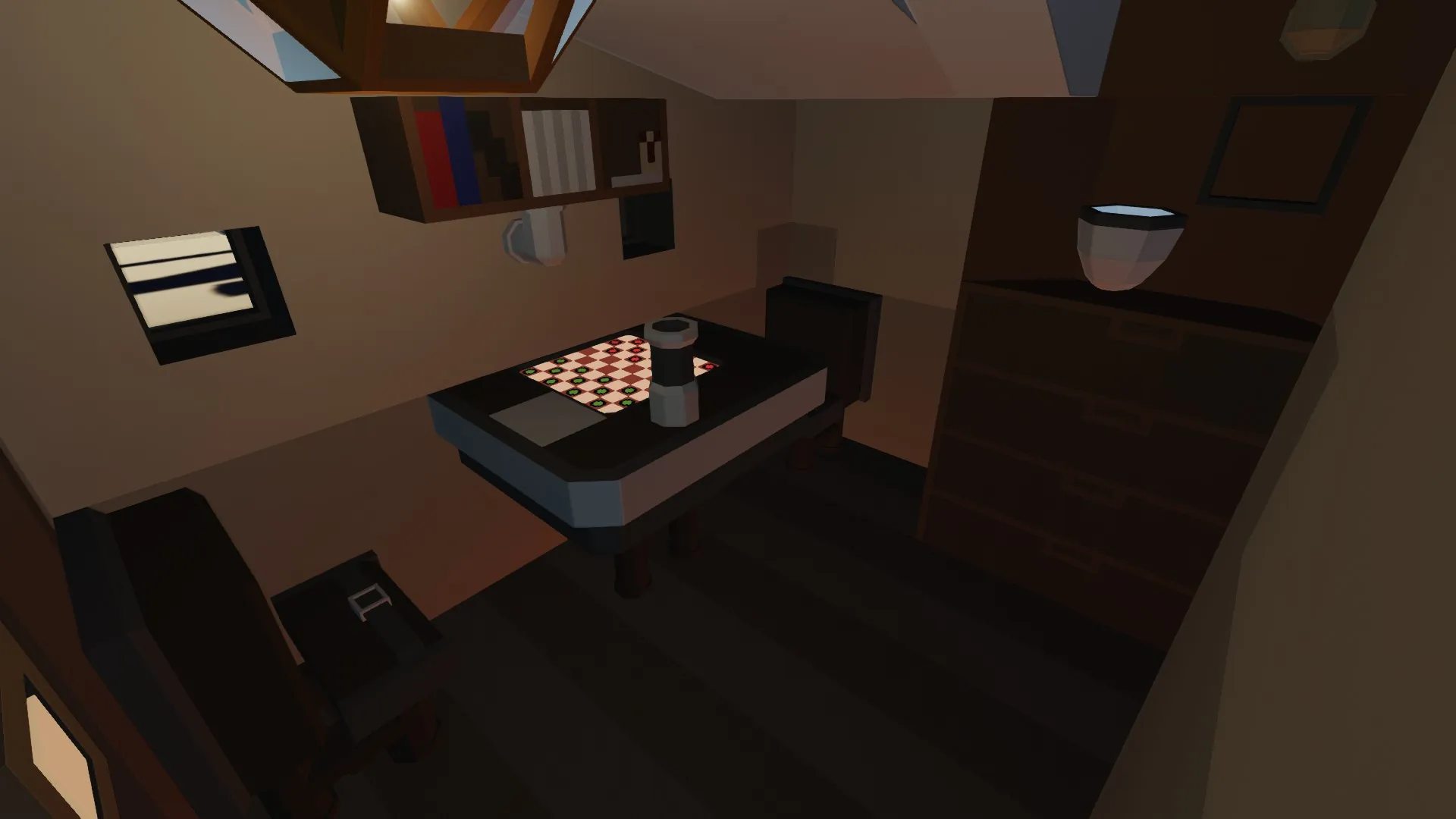
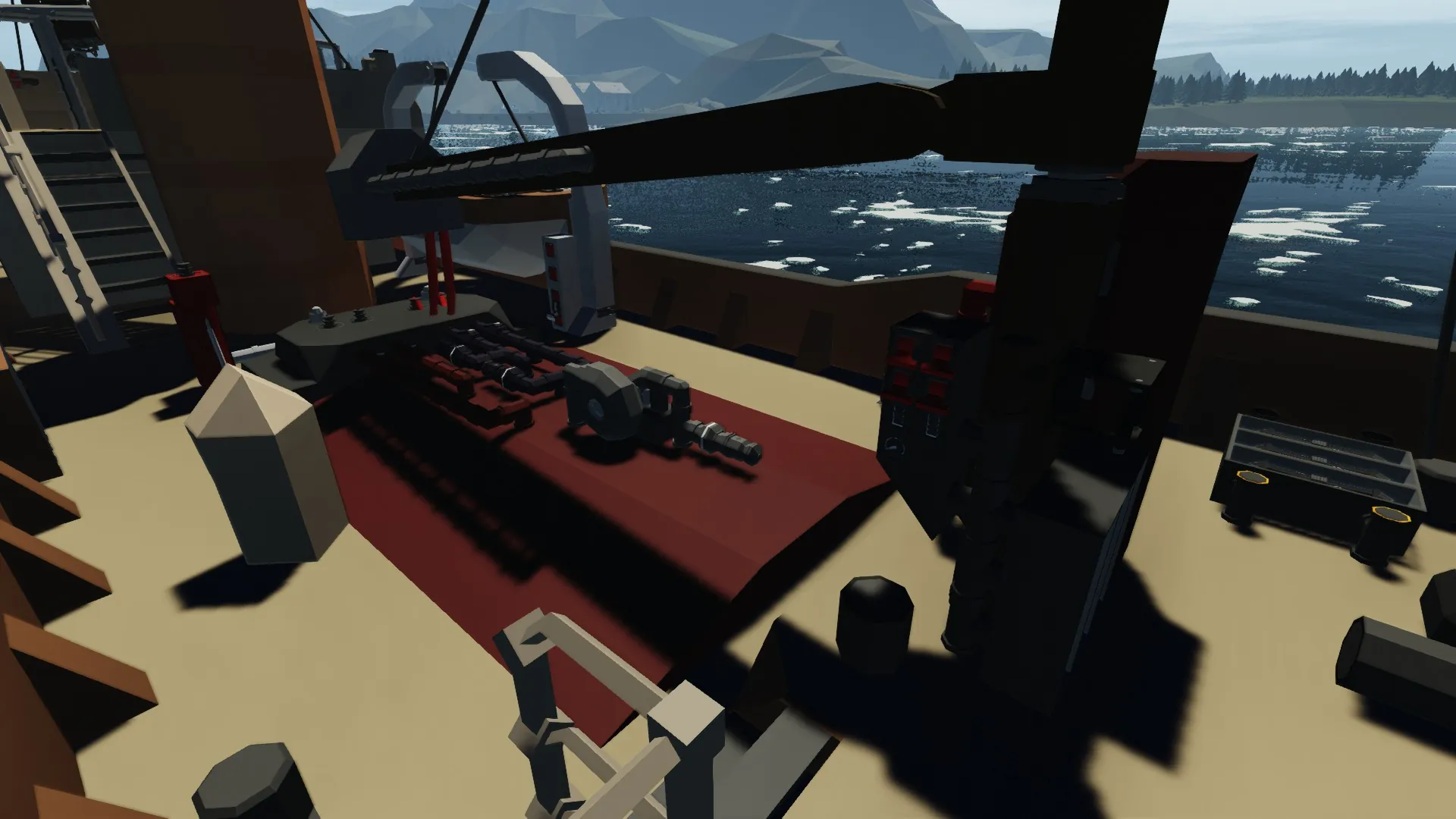
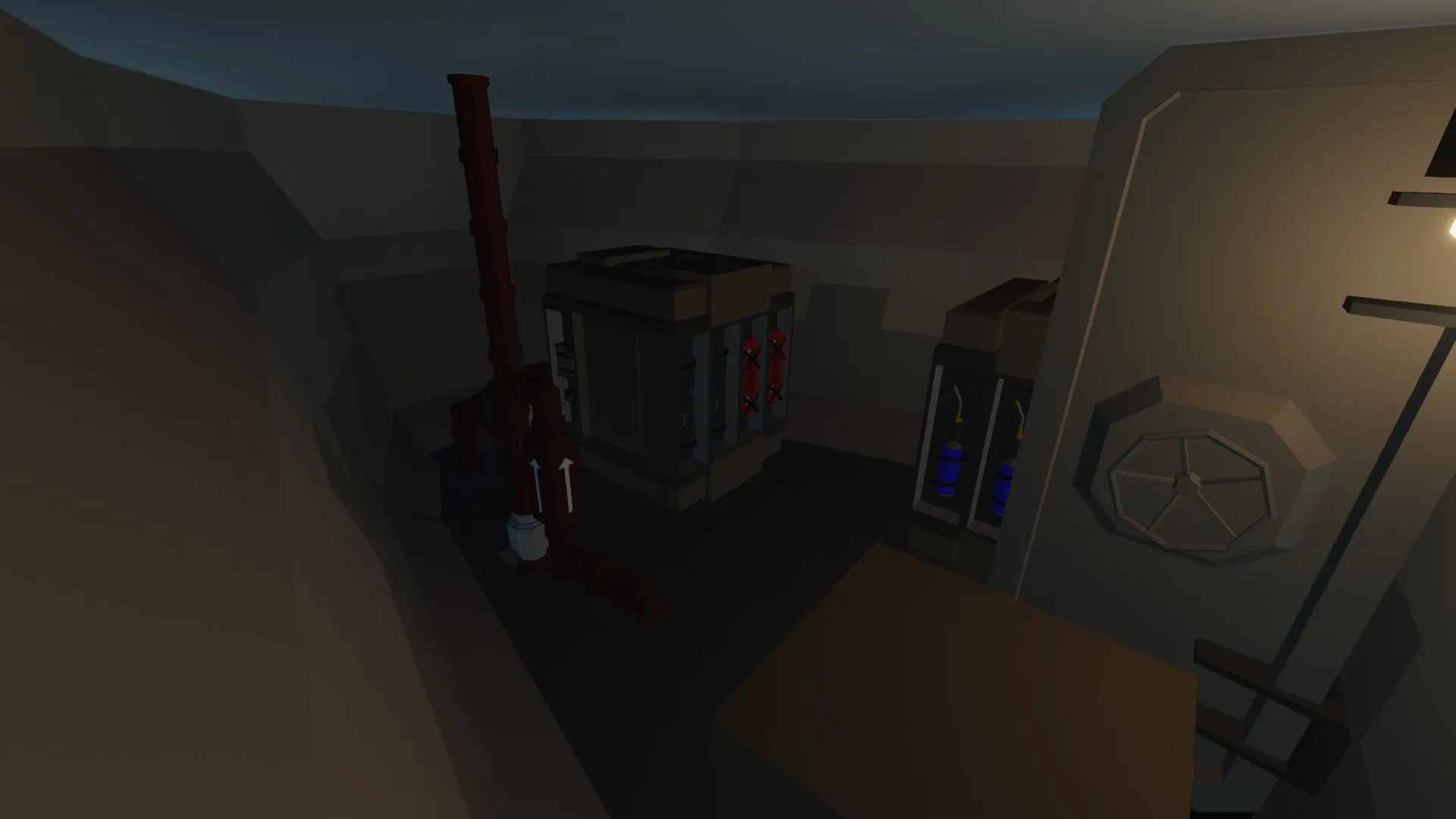
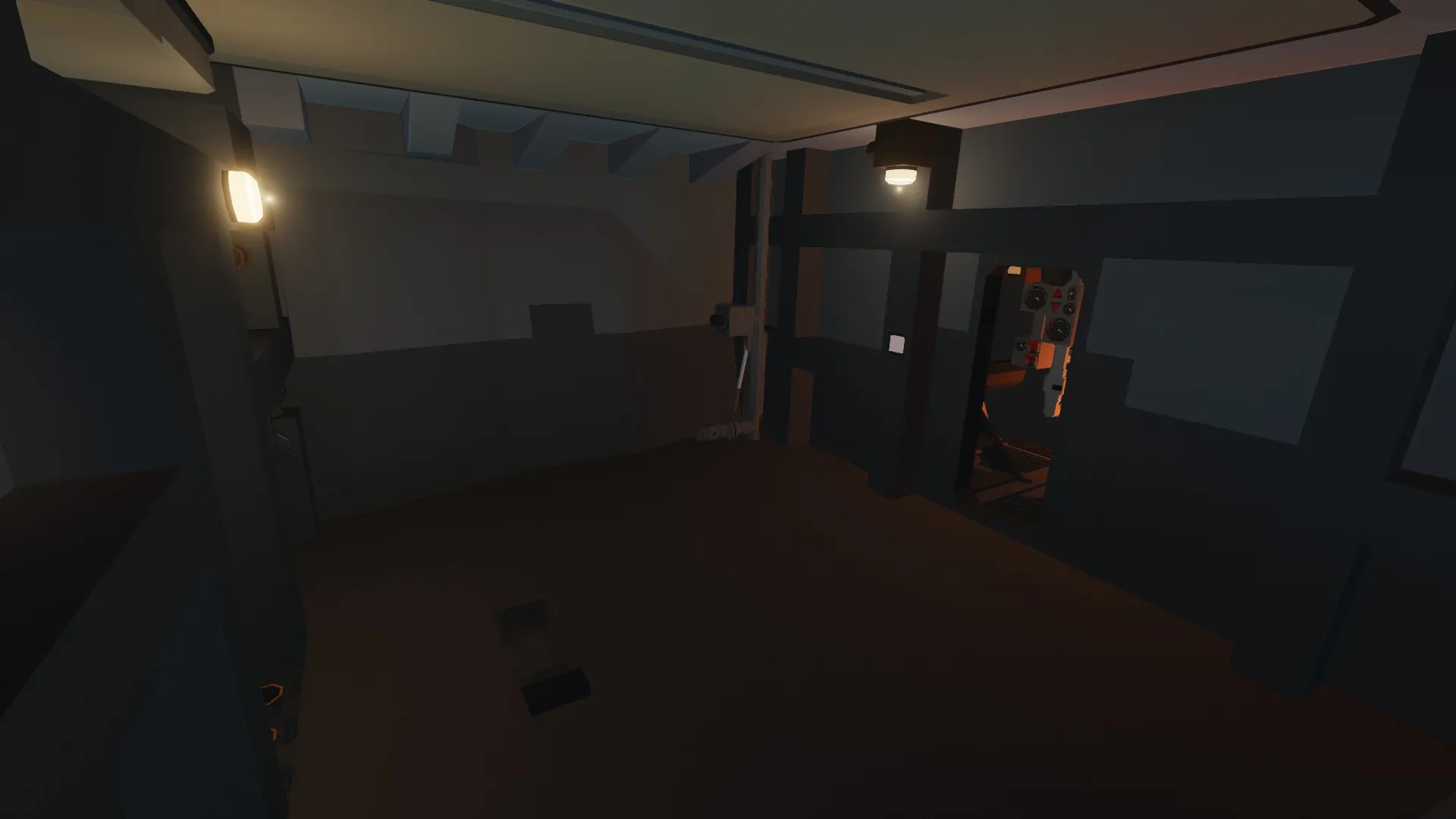
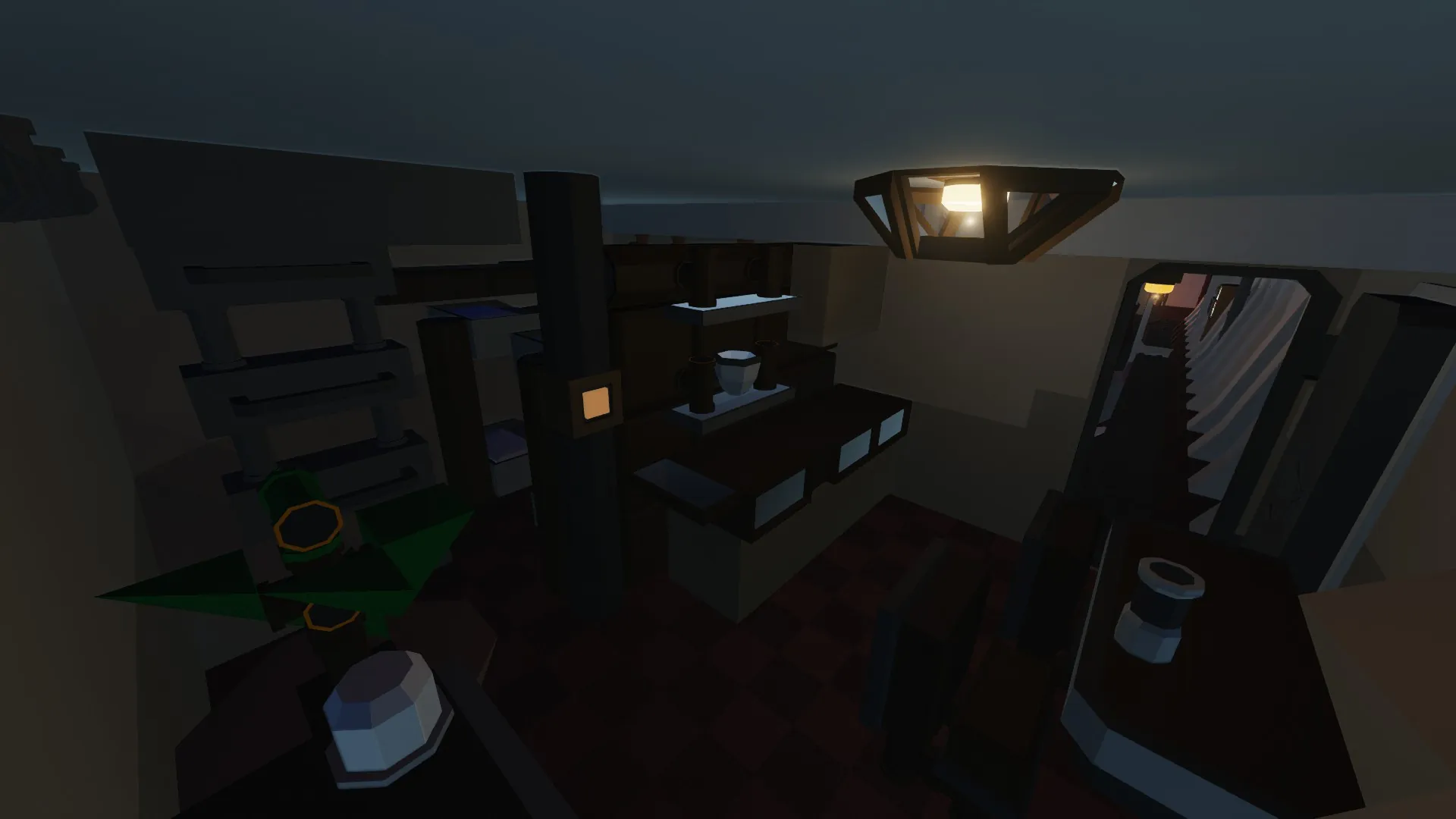
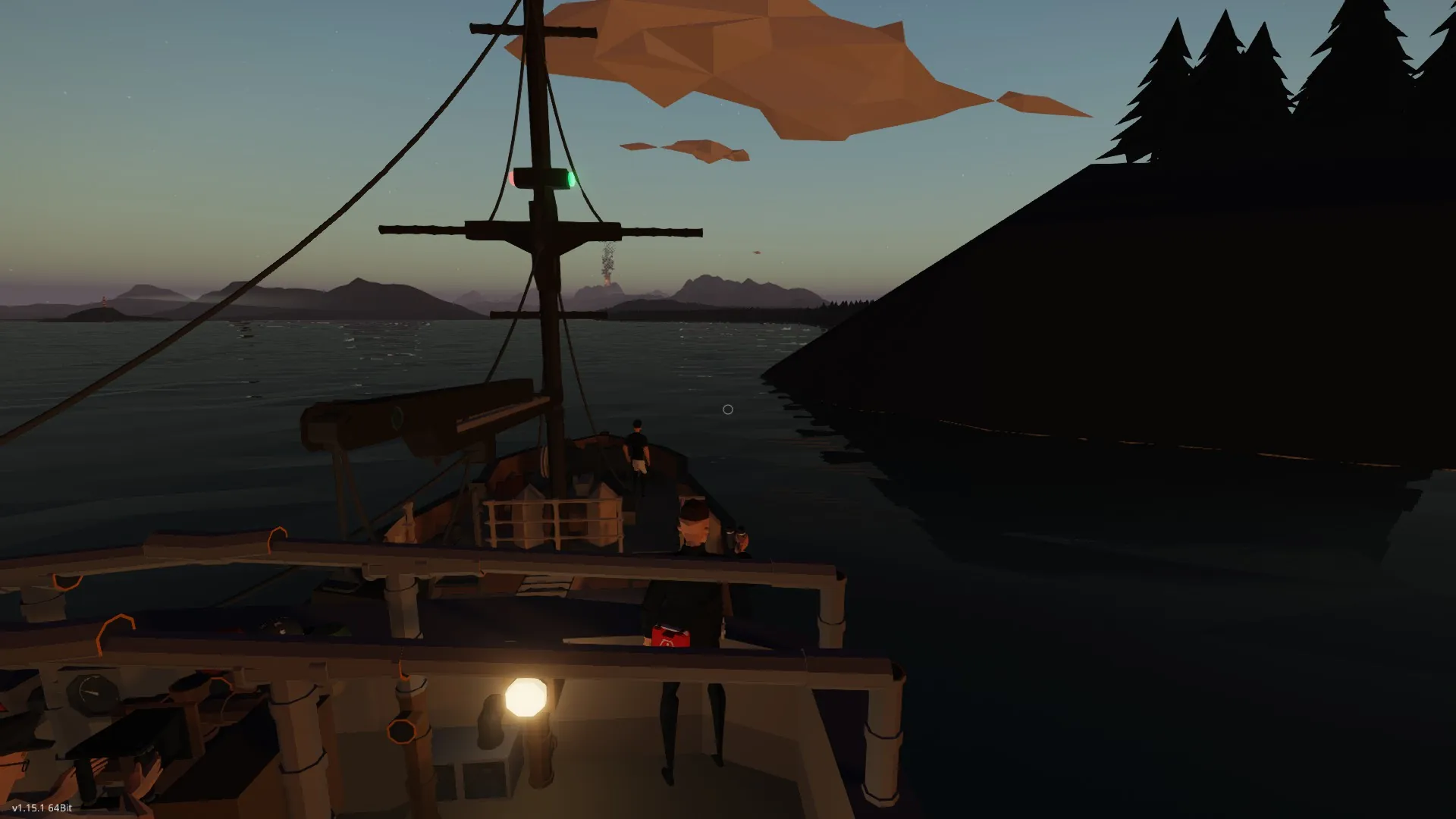
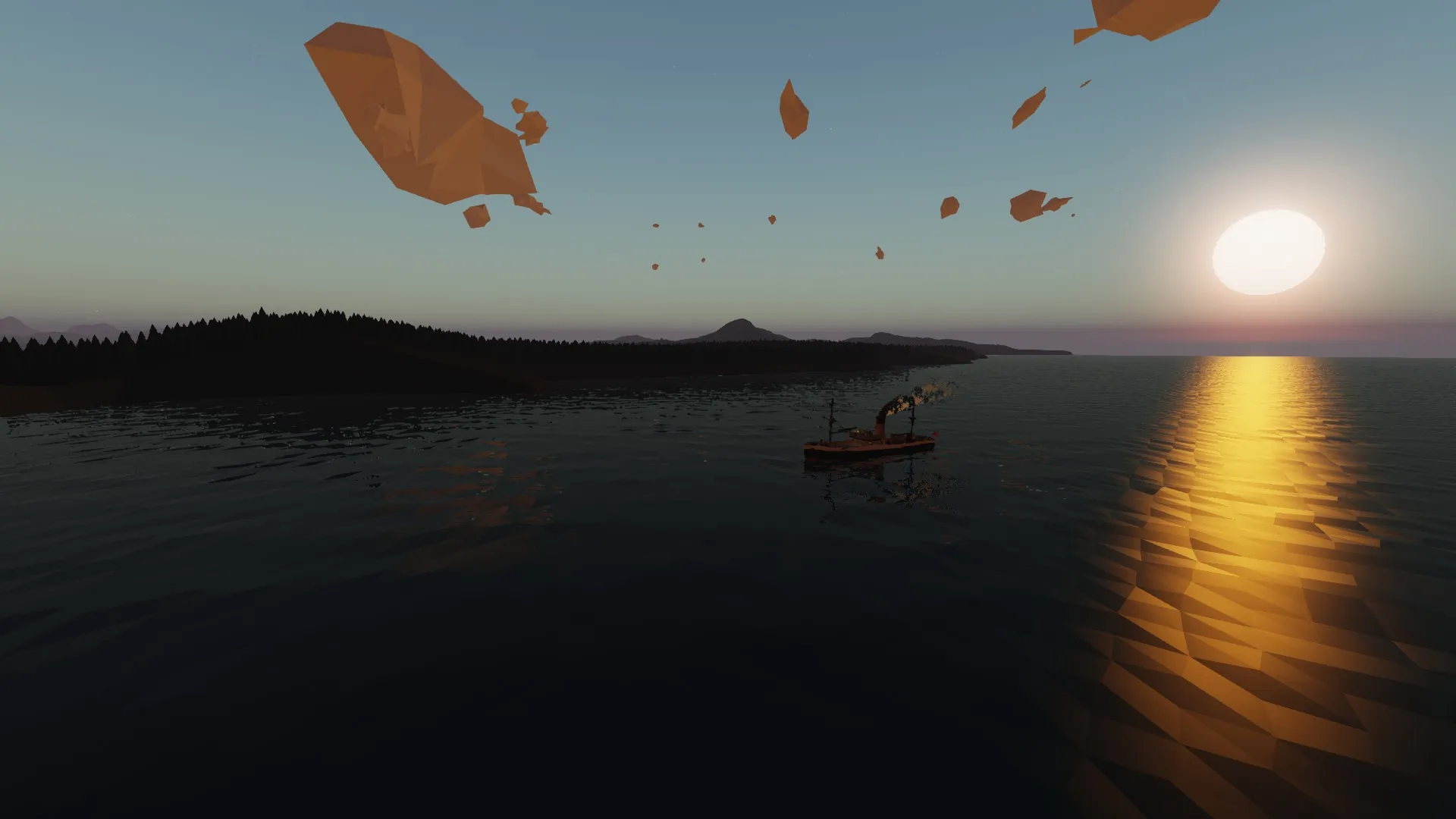
The Vermilion is a small merchant ship I built for a RP group. It's design is more tailored towards functionality than realism, as shown by the little crew space it has. It has a small(ish) cargo hold with a crane in the bow, and an oil tank in the rear of the ship. There is a boiler in the middle of the ship and must be hand fed periodically. The engine room is just aft of the boiler room and is for controlling the engine, as the vessel uses manual telegraph orders to change speed.
Lore
Since I have school this lore isn't going to be very long or in-depth.
The Vermilion, originally launched in August 1906, was met with intense competition from other merchant lines. Due to this, Donkk National shipping set it's maiden voyage as early as possible, skipping over multiple necessary systems in the process. On her maiden voyage, Vermilion was loaded fully with multiple crates of supplies and mail, as well as nearly 8000 kilos of oil for around a 400 mile trip along the US east coast. Nearing the end of this trip, however, Vermilion struck a rock on her port bow. The damage to the hull wasn't very extensive, but since the voyage was ahead of schedule, the bilge pumps had never been added to that section of the ship. Vermilion soon had to shut he boiler down due to flooding, but managed to be towed to a nearby port by 2 tugs. The Vermilion stayed in port repairing for almost 3 years, re-launching in April of 1909.
(the lore is based off the first little voyage i had in the ship, where the entire bow of the ship flooded after we hit a bridge pillar, but was towed back to the Donkk islands.)
How to sail
To begin moving,
1. Switch the main systems and water pump breakers on
2. Fully open the air valve and ignite the boiler
3. Once the boiler temperature passes ~80 degrees, enable the water distillers and boiler water pump
4. Once steam pressure builds, set dynamo to around 0.8
5. Set air valve to around 0.6 for optimal efficiency
6. Maintain coal levels in firebox as needed
Manage the throttle in the engine room
Steer and manage telegraph orders at the bridge