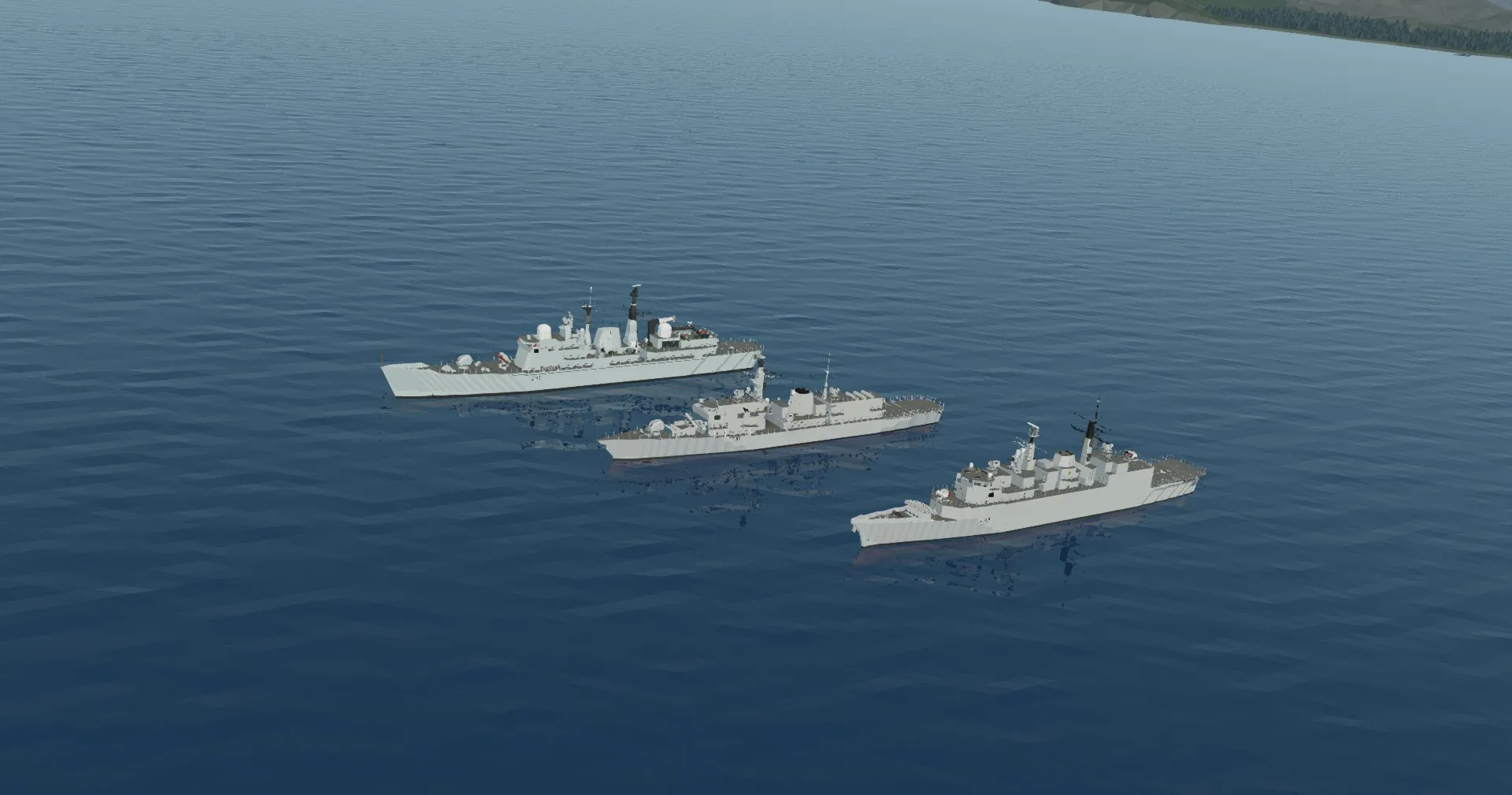
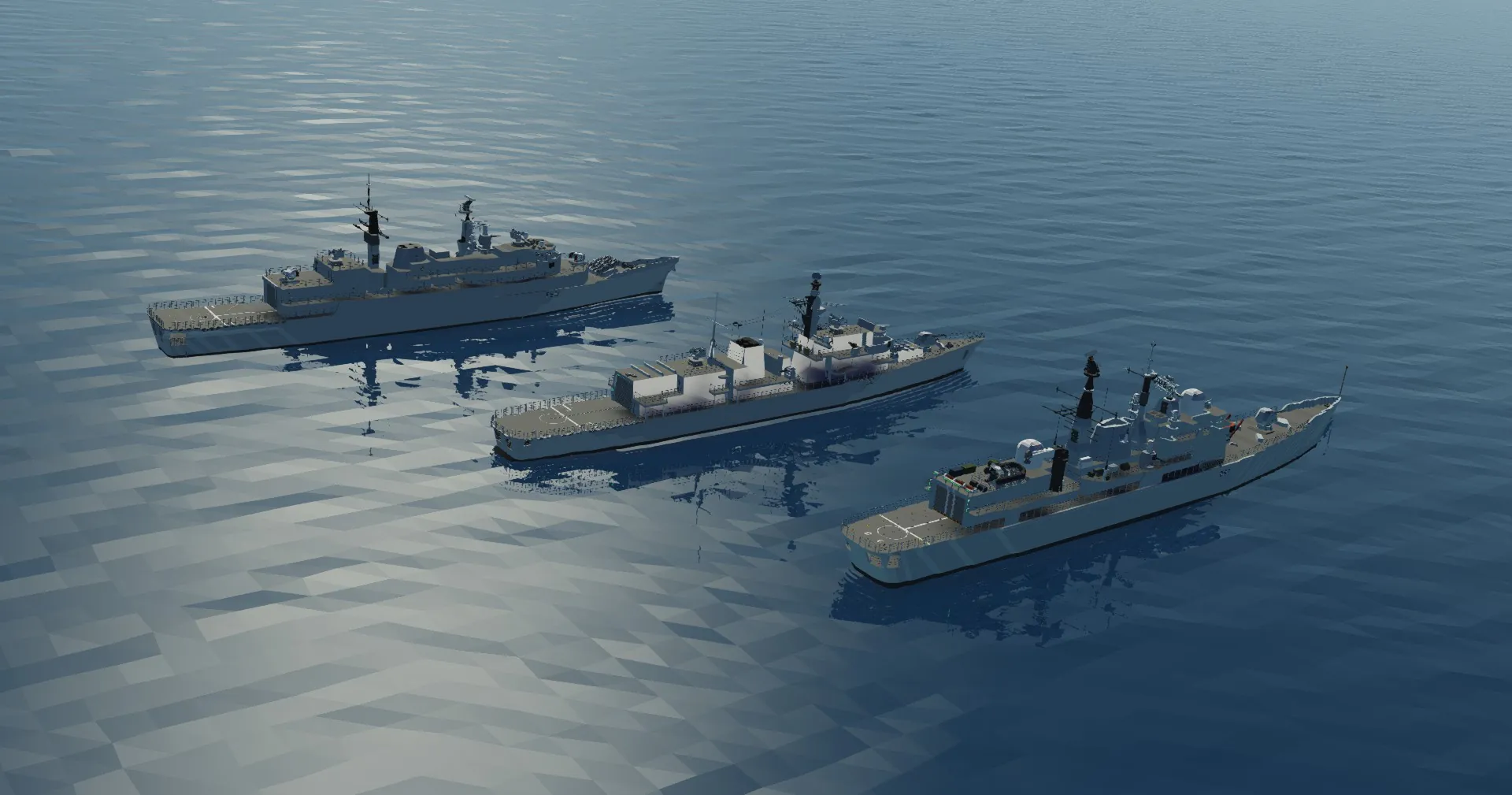
The Royal Navy's Type 23 Frigate (Duke Class)
Overview
The Type 23 frigate, also known as the Duke-class, is a versatile and highly successful class of frigates that has formed the core of the Royal Navy's surface fleet for over three decades. Originally designed in the 1980s as a dedicated anti-submarine warfare (ASW) platform to counter the growing Soviet submarine threat in the North Atlantic, the Type 23 has since evolved into a highly adaptable multi-role warship. They were named after British dukedoms, earning them their popular name. While initially conceived as a cost-effective, specialized vessel, their long service life has seen them undergo numerous upgrades to remain relevant, and they are now being replaced by the next-generation Type 26 and Type 31 frigates.
Design and Specifications
The Type 23 was designed to be quiet and efficient. It has a displacement of around 4,900 tonnes and a length of 133 meters. Its hull was shaped to improve seakeeping in the harsh North Atlantic.
Propulsion: The ships utilize a Combined Diesel-Electric and Gas (CODLAG) propulsion system, which was a key innovation. This allows for quiet, slow-speed operation on electric motors (ideal for anti-submarine hunting) while also having powerful gas turbines for high-speed "sprints" when needed. This system gives them a top speed of over 28 knots and a long range of approximately 7,800 nautical miles.
Stealth: The frigates were among the first in the Royal Navy to incorporate stealth features to reduce their radar signature, with a sleek hull and a simplified superstructure.
Complement: The ships operate with a crew of around 185 personnel, with additional space for embarked forces.
Weapons and Sensors
The Type 23 has been continually modernized to keep pace with evolving threats, giving it a flexible suite of weapons and sensors.
Anti-Submarine Warfare: Its primary role is ASW, centered on the Type 2087 towed array sonar, one of the world's most advanced systems for detecting submarines at long ranges. The frigates also have a hangar and flight deck to operate a Merlin or Wildcat helicopter, which can deploy torpedoes and depth charges. The ships themselves are also armed with Sting Ray lightweight torpedoes.
Missiles: For anti-air defense, the original Sea Wolf missile system has been replaced with the modern Sea Ceptor system, which uses the Common Anti-air Modular Missile (CAMM) and can defend an area of over 500 square miles. For anti-ship warfare, they are armed with Harpoon missiles.
Guns: The main gun is a single 4.5-inch Mark 8 naval gun, which is used for both surface engagements and naval gunfire support. For close-in defense, they have two 30mm automated guns and are often fitted with Phalanx CIWS.