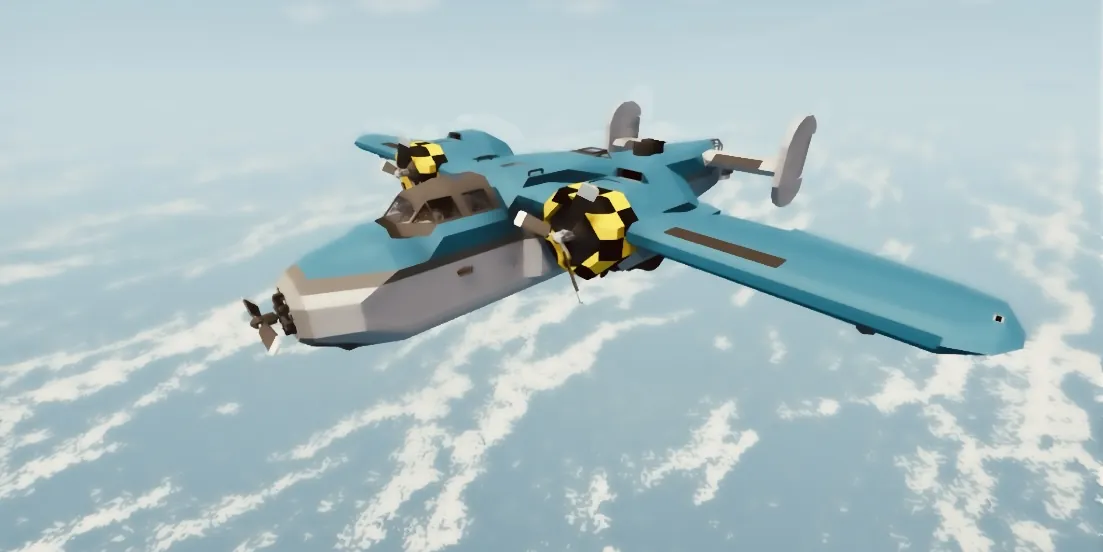
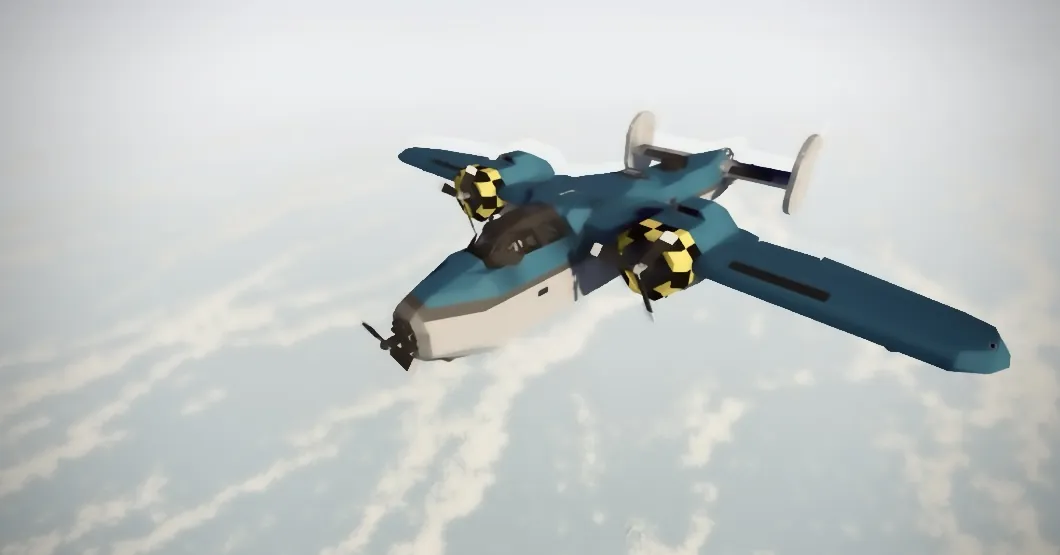
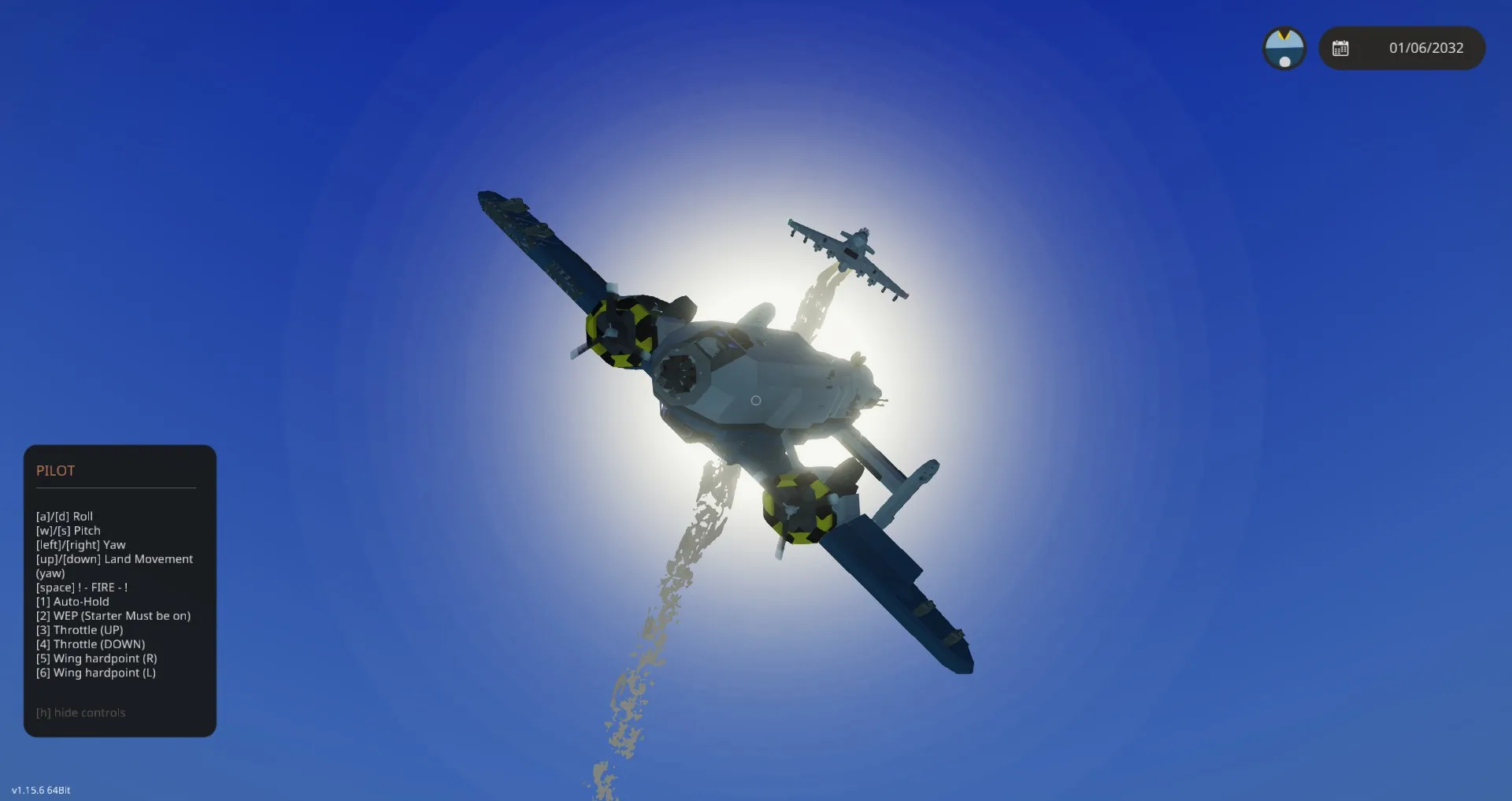
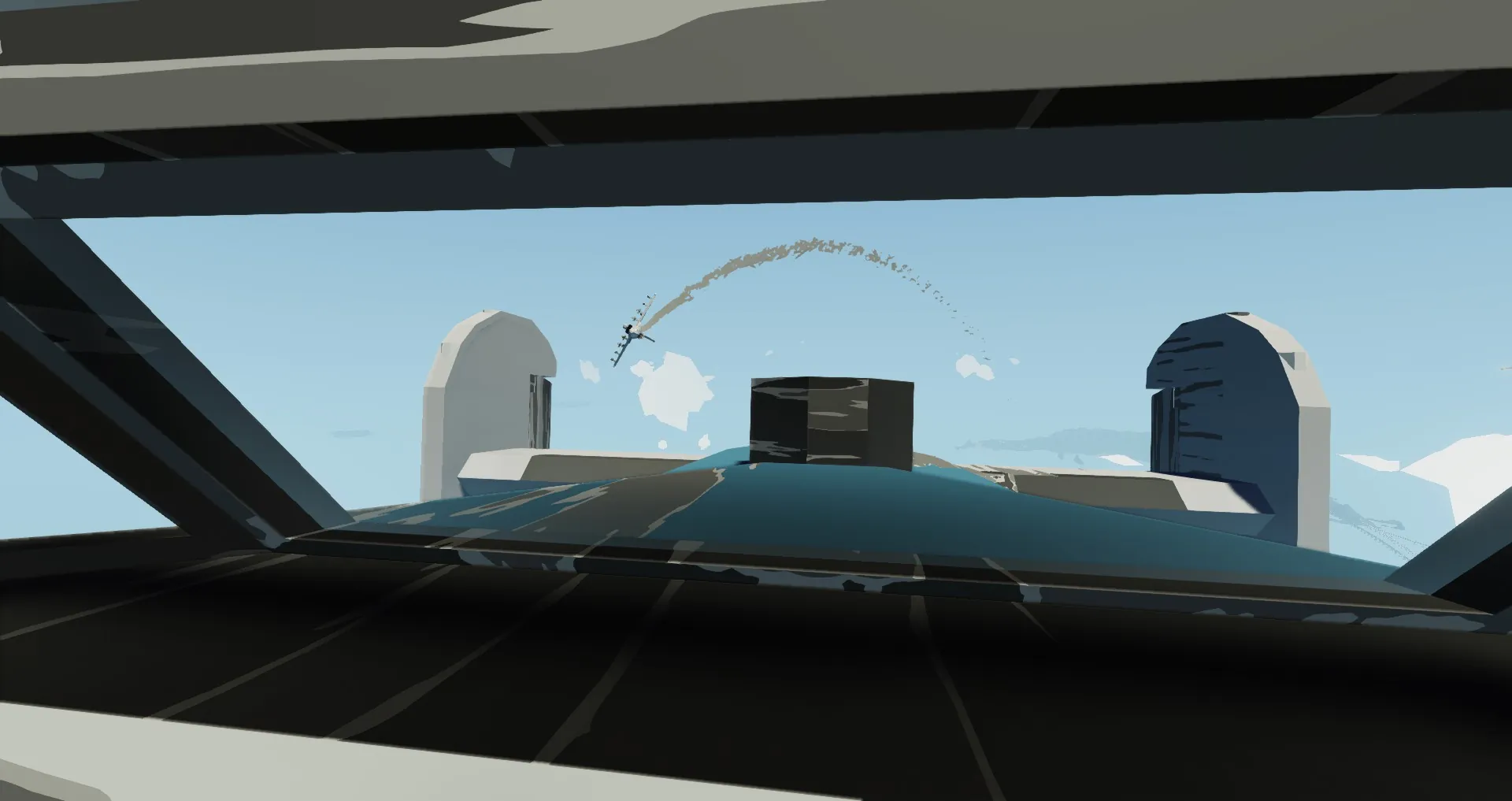
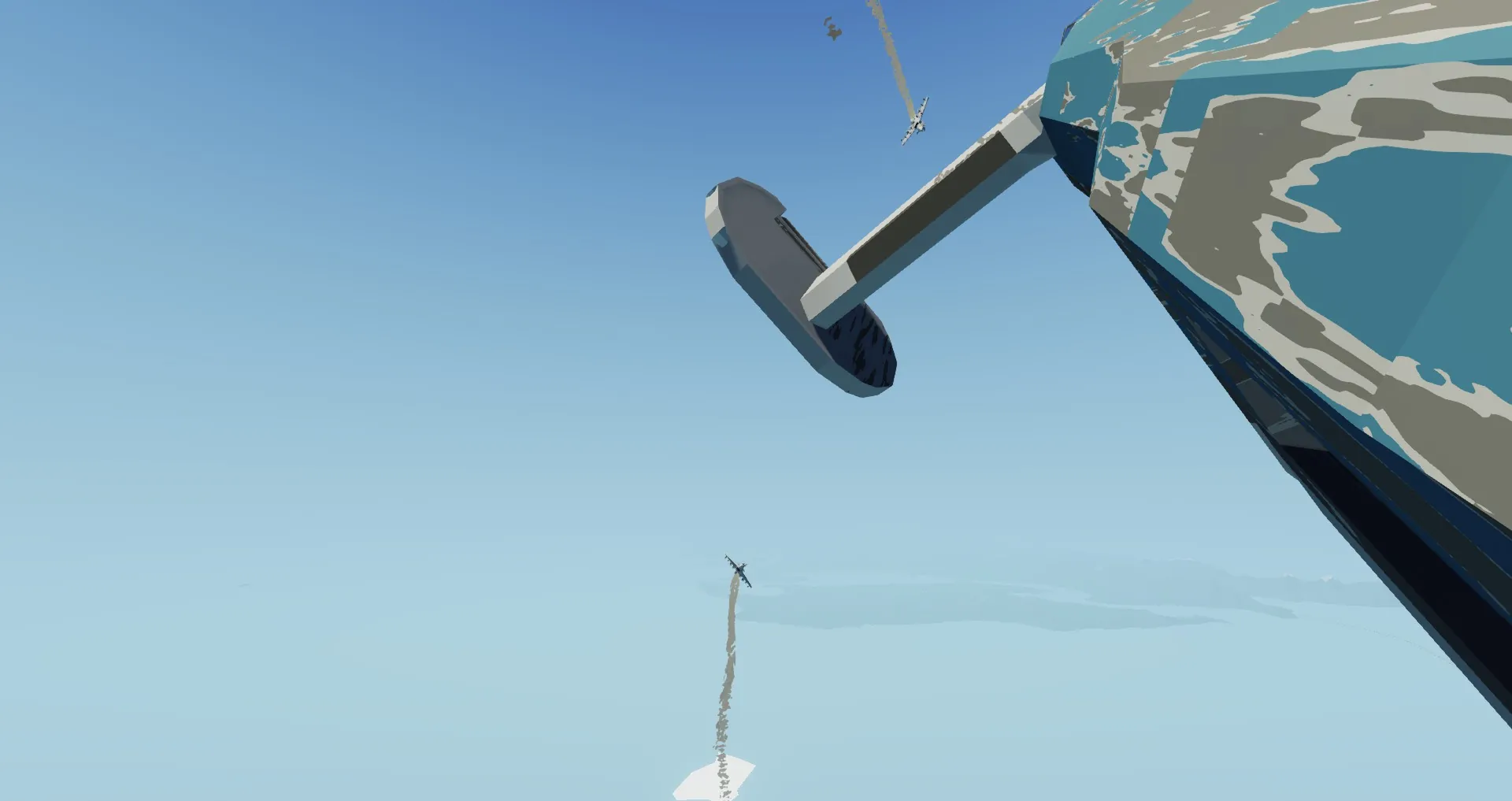
Forged in the new age of strategic bombing, the Mini mariner was designed chiefly to outpace enemy air forces, and deliver a lethal payload of high explosives upon the enemy's, armies, and naval assets.
The bomber was designed around it's monstrous engines, built to propel it beyond the flight ceiling and range of even the most hardy enemy interceptors, bringing destruction across the seas at over 12000 Meters (39000FT)
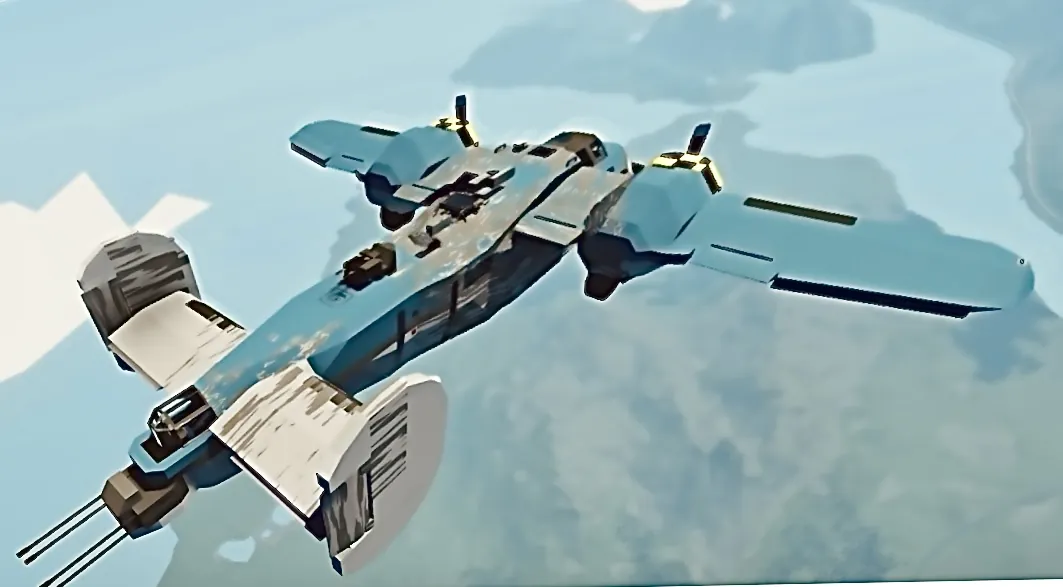
Even when ambushed, the Mini mariner was built to hold it's ground with robust, redundant systems and a healthy dose of good ol' AUTO-CANONS 5 guns total, to ward of all but the most hostile enemy pilots.
-

Startup Procedure
Move all Master Engine Levers in Cockpit to full
Move all 2 Magneto keys on left Panel to ON
Hold each starter Button until the corresponding Engine reaches 3 on the tachometer
Remove Parking Brake
Taxi to Runway
Apply Full Power
Take off at 90 knots
Crew and Stations
The Aircraft is divided into four basic compartments, the Nose, the Fore-section, the Bomb Bay, and Gunnery.
Gunnery
In this compartment, a total of 3 .45 Caliber Machine guns ports and 2 FULL auto canons are utilized to ward off enemy attacks from all angles. Turrets include: Dorsal turret, two waist ports,a hatch for underneath access and a tail turret,
All Turrets are Activated using 1 from their Control Handles
The cab is fully pressurized (unless the doors are open)
Systems and Damage Control
Oxygen
The Oxygen system controls heaters around the plane, the loss of which disallow high altitude combat
Oxygen is highly “flammable”, So take care of any O2 fires
Engines
When an engine loses power, shut it down before moving to repair it, then restart afterwards
Engine access panels are available for all engines, be sure to shut them ON when repairs are complete
Flight engineer should adjust throttles of other engines when one is lost to compensate
Use engineer rudder trim to counteract turning force from loss of an engine
Consider feathering an opposite engine to quickly counteract a spin
Fuel
Fuel cutoffs are all controlled by the pilot
Monitor fuel pressure and quantity constantly, sudden jumps may indicate leaks or damage
Refueling can be done from the top wing hatch.
And that’s about it for this aircraft. :)