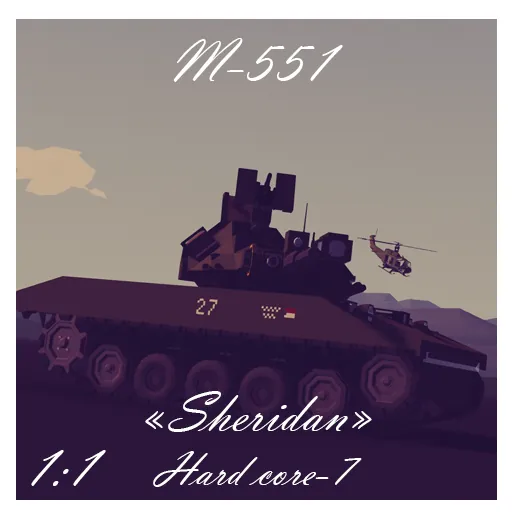
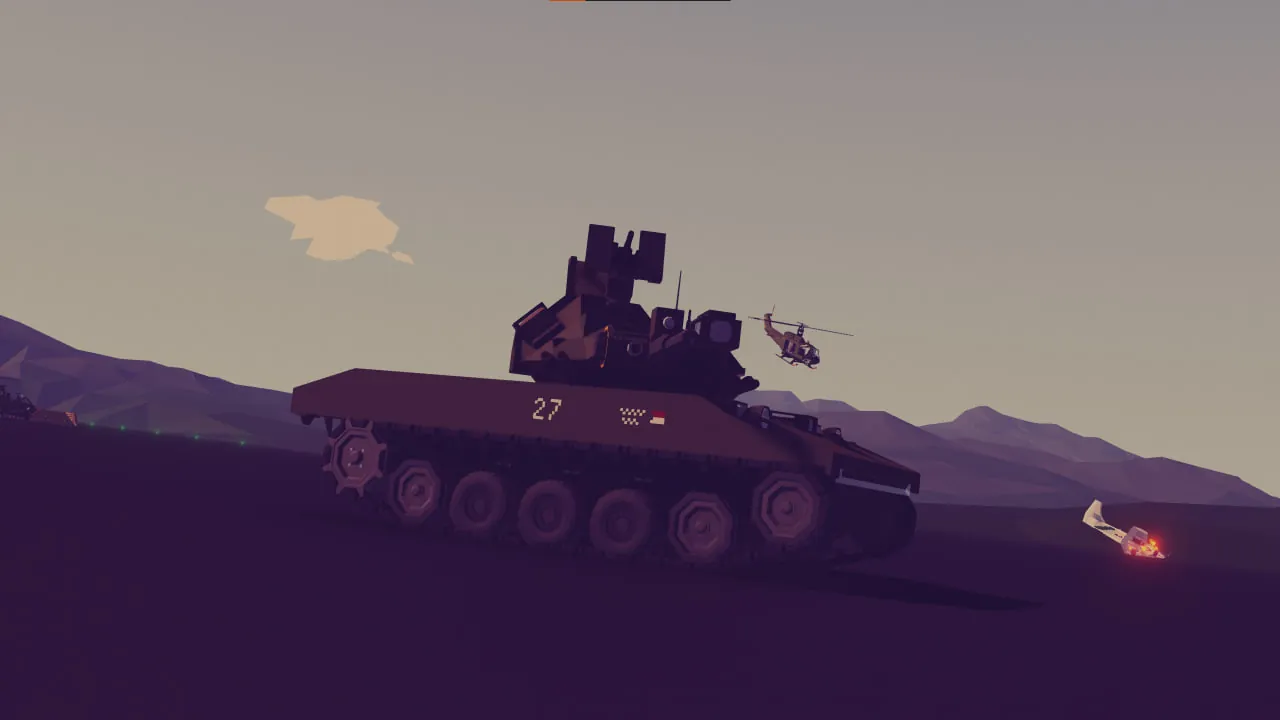
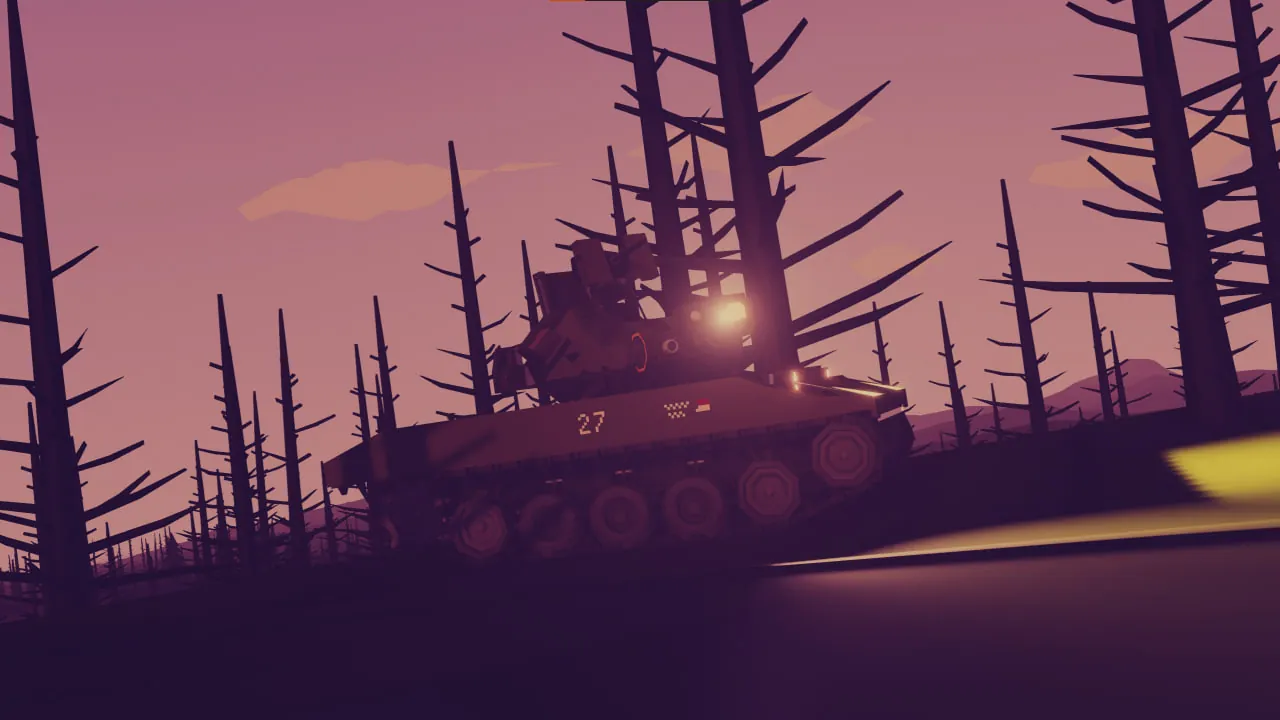
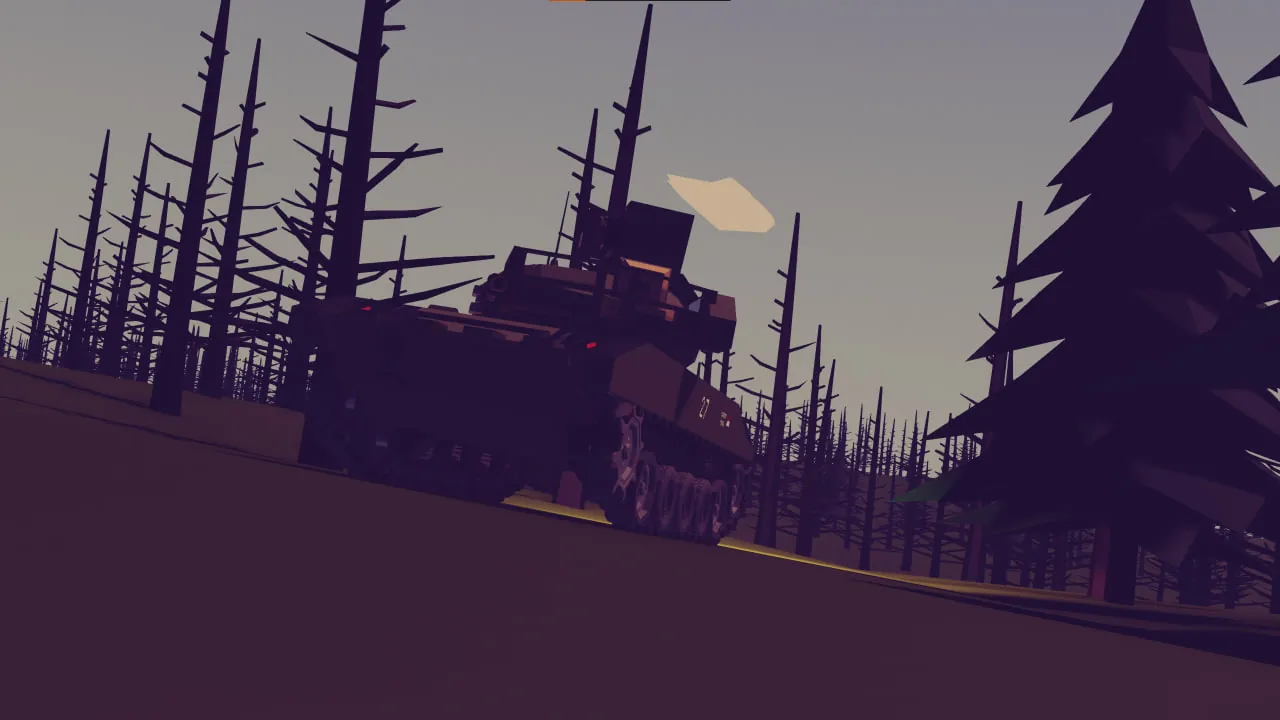
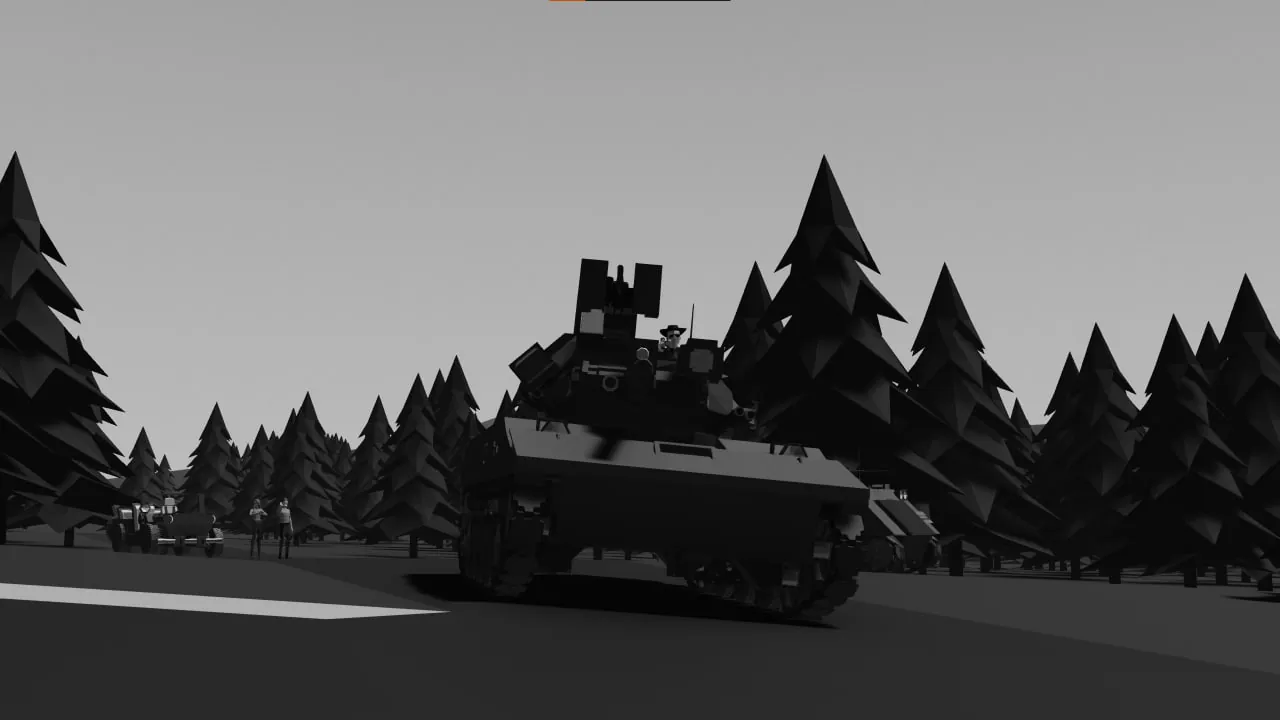
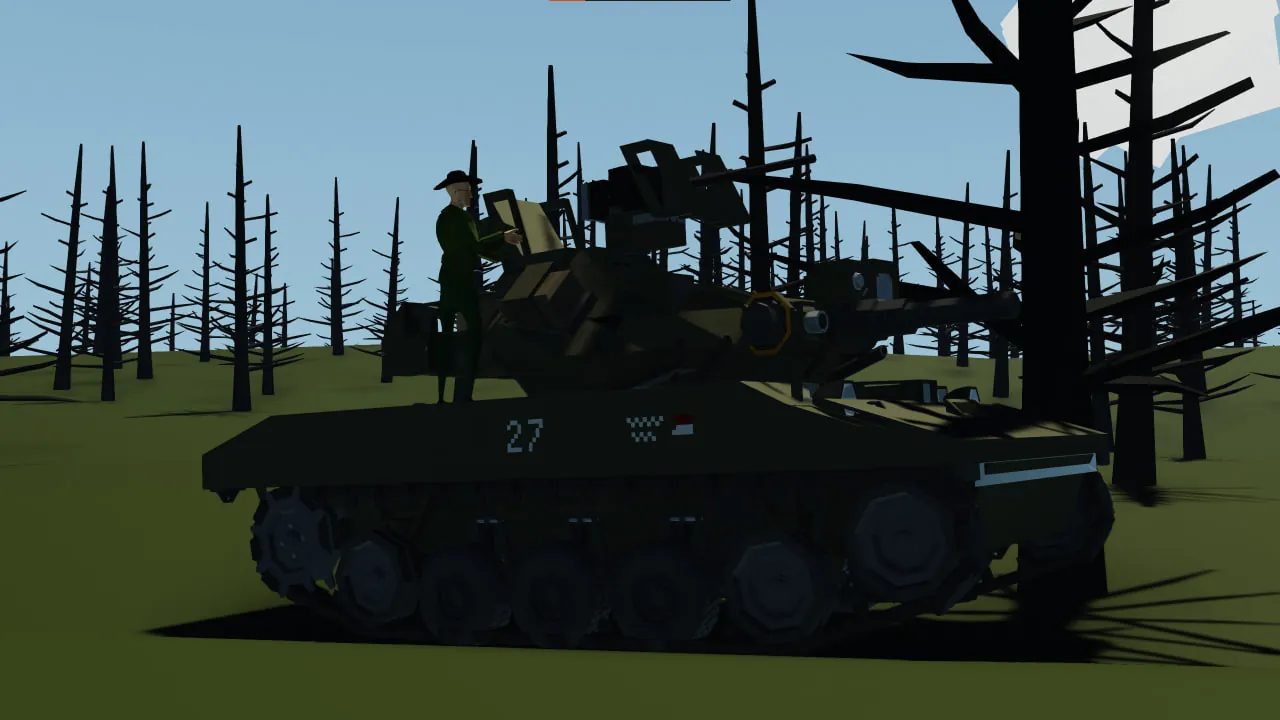
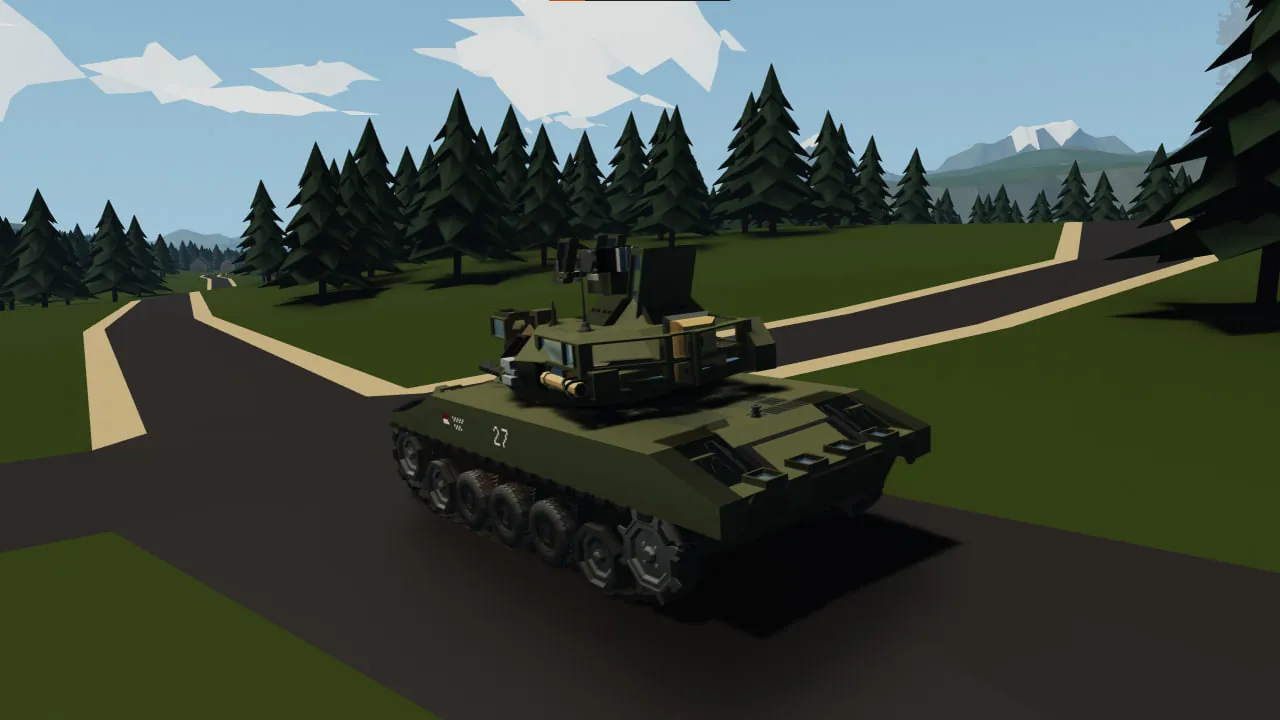
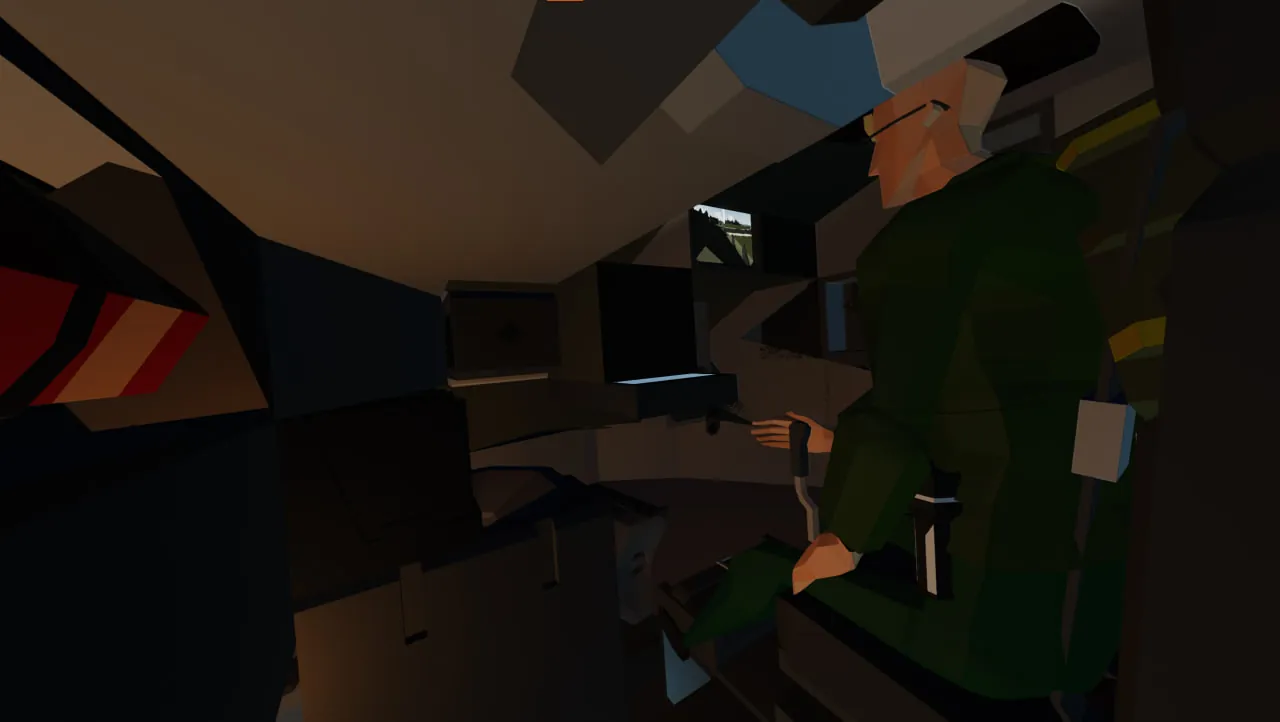
M551 Sheridan "Hard Core-7"
♛ [i] M551 Sheridan| CAREER MODE COMPATIBLE [/i] ♛
[b] [i] TECHINCAL DATA: [/i] [/b]
- Total cost: 26263$
- 5 subgrids
- Two small engines
- Mouse control (heavy autocannon
- Maximum speed of 70 km/h
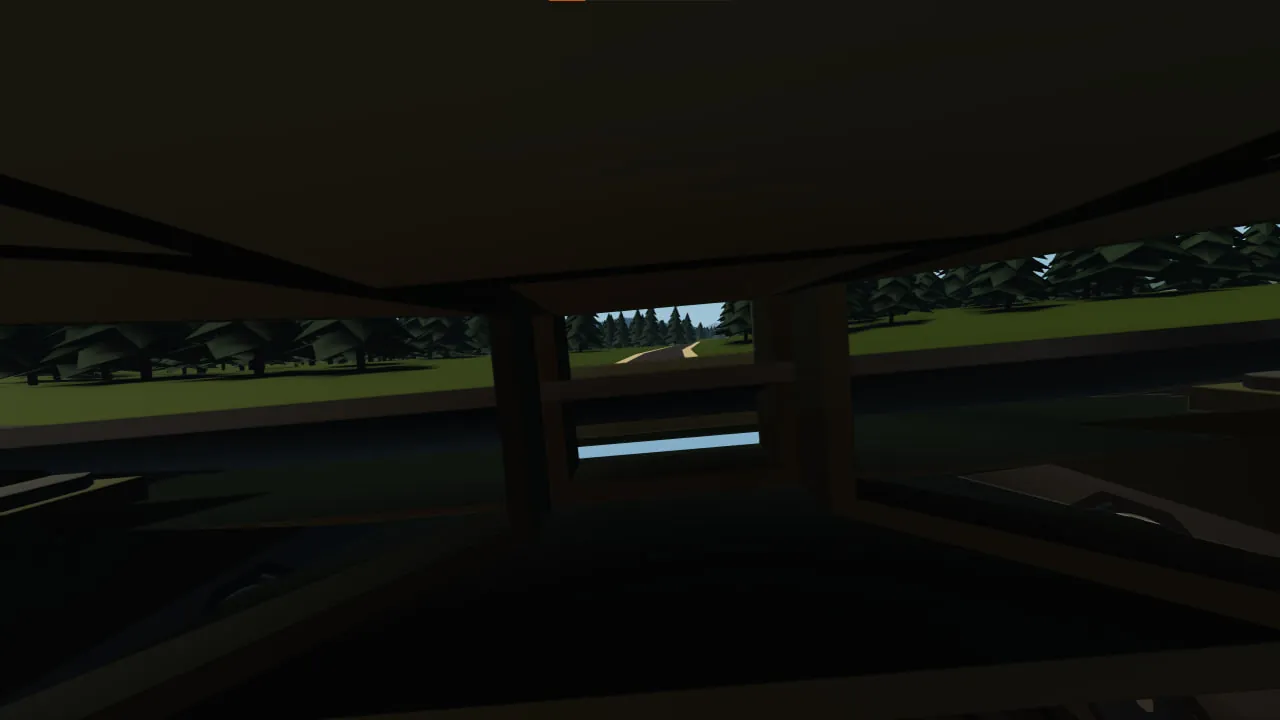
- Working 3rd person view
[hr]
[b] [i] QUICK START: [/i] [/b]
- turn on cirquit breakers
- Active Fluid systems
- Ignite Engine
- If driven via Commander activate Commander vehicle control
[b] [i] CONTROL: [/i] [/b]
using mouse to control the turret, wasd to drive.
[hr]
🕮 [i] HISTORY [/i]🕮
[b]M551 SHERIDAN IN VIETNAM (1969-1972)[/b]
Urgent Need & Development: Recognizing the limitations of heavy tanks and inadequate firepower of light tanks in jungle warfare, the U.S. Army sought a lightweight, air-droppable vehicle with heavy firepower. Developed in the 1960s, the M551 Sheridan entered service in 1969. It was revolutionary, combining an aluminum armor hull, a capable diesel engine, and its complex, controversial main armament: the 152mm gun/launcher, which could fire conventional rounds or the MGM-51 Shillelagh anti-tank guided missile.
First Deployment: Arrived in Vietnam in January 1969, with the 1st Squadron, 11th Armored Cavalry Regiment (1/11th ACR) and the 3rd Squadron, 4th Cavalry Regiment (3/4th Cav).
Primary Roles:
Reconnaissance-in-Force: Leading armored columns to locate and probe enemy positions.
Direct Fire Support: Providing massive, immediate firepower for infantry and cavalry units in contact, using its 152mm canister round (like a giant shotgun) and high-explosive rounds.
Base Defense & Road Security: Serving as a mobile, powerful pillbox for firebases and convoy escort.
Infantry Assault Support: Accompanying dismounted troops to breach bunkers and clear fortified areas.
Impact & Advantages:
Mobility & Strategic Deployability: Light enough for air-drop and excellent mobility in varied terrain compared to heavier M48 Patton tanks.
Devastating Firepower: The 152mm gun was overwhelmingly powerful in the direct fire role, especially with the canister round against infantry in dense cover.
Psychological Effect: Its sudden, tremendous blast was a significant morale booster for allied troops and a terror weapon against enemy forces.
Crew Protection: Offered better protection from small arms and shell fragments than armored personnel carriers or jeeps.
Intensive Use & Mechanical Issues: Approximately 200 Sheridans served in Vietnam. They were used aggressively and suffered high loss rates from mines, RPGs, and mechanical failures. The complex and delicate gun/launcher system proved problematic in the field; the conventional 152mm ammunition was notoriously prone to cracking cartridge cases, and the sophisticated Shillelagh missile system was never used in combat there. Its lightweight aluminum armor was also vulnerable.
Legacy: The M551 Sheridan was a bold, flawed experiment that proved the value of mobile, heavy firepower in a light cavalry vehicle. Its performance in Vietnam was a mix of tactical success and mechanical frustration. It highlighted the extreme difficulty of combining missile technology, conventional artillery, and air-drop requirements in one platform. The Sheridan served as the U.S. Army's primary reconnaissance vehicle into the 1990s, but its experience in Vietnam cemented its reputation as a brilliant but temperamental system.
In essence: The M551 Sheridan was deployed to Vietnam as a potent but problematic new weapon system. It provided ground forces with unparalleled mobile firepower for direct support and reconnaissance, becoming both a beloved "hammer" for infantry and a maintenance nightmare, ultimately proving a controversial yet impactful chapter in armored warfare history.
(Regarding "Hardcore-7"): This was the radio call sign for a specific M551 Sheridan of the 1/11th ACR, celebrated for its aggressive actions and durability. It became a minor legend within the regiment, symbolizing the Sheridan's tough, fighting role despite the vehicle's inherent vulnerabilities.