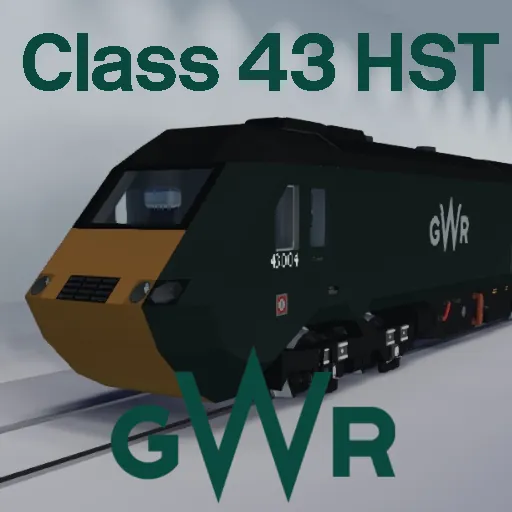
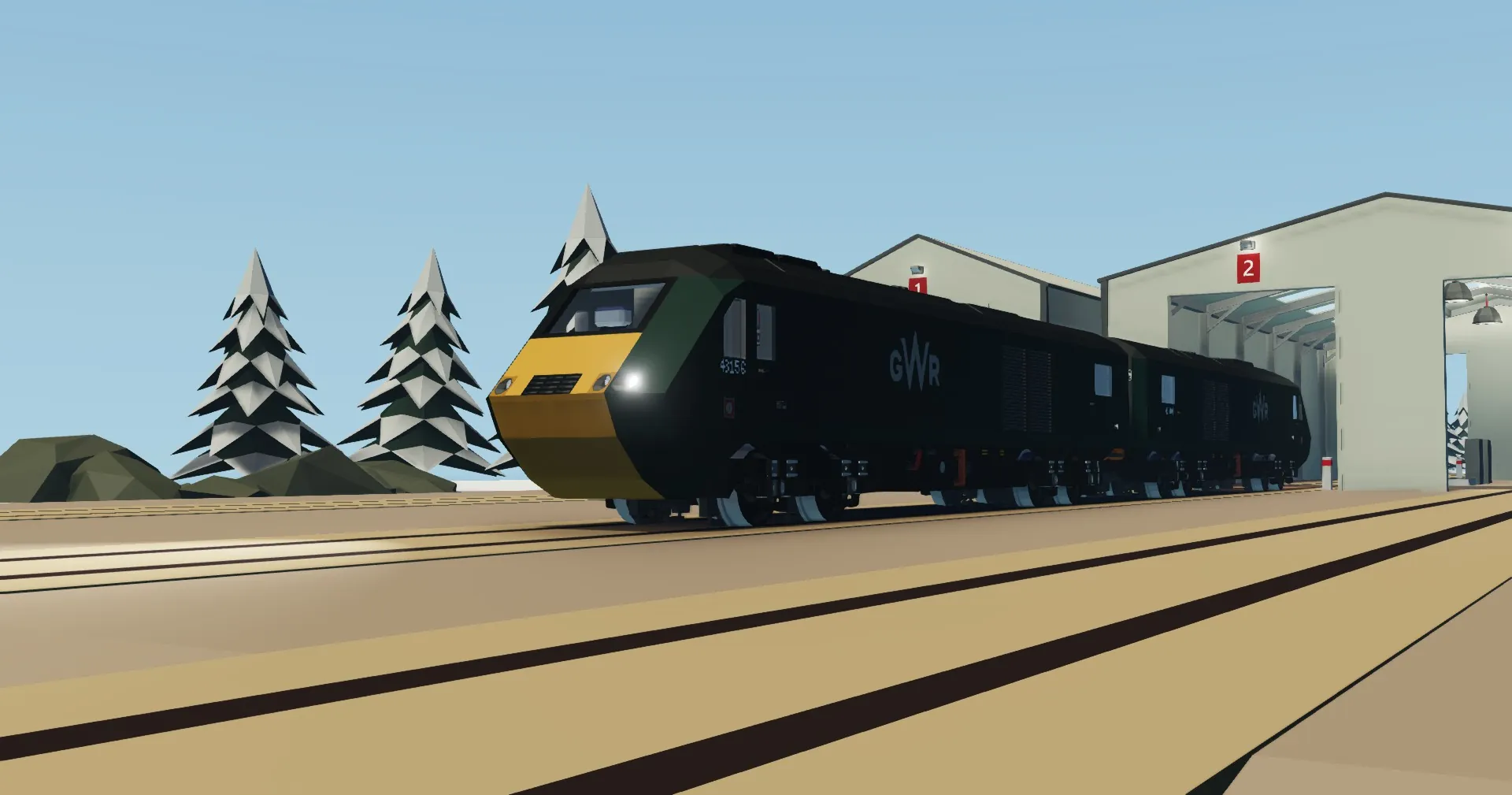
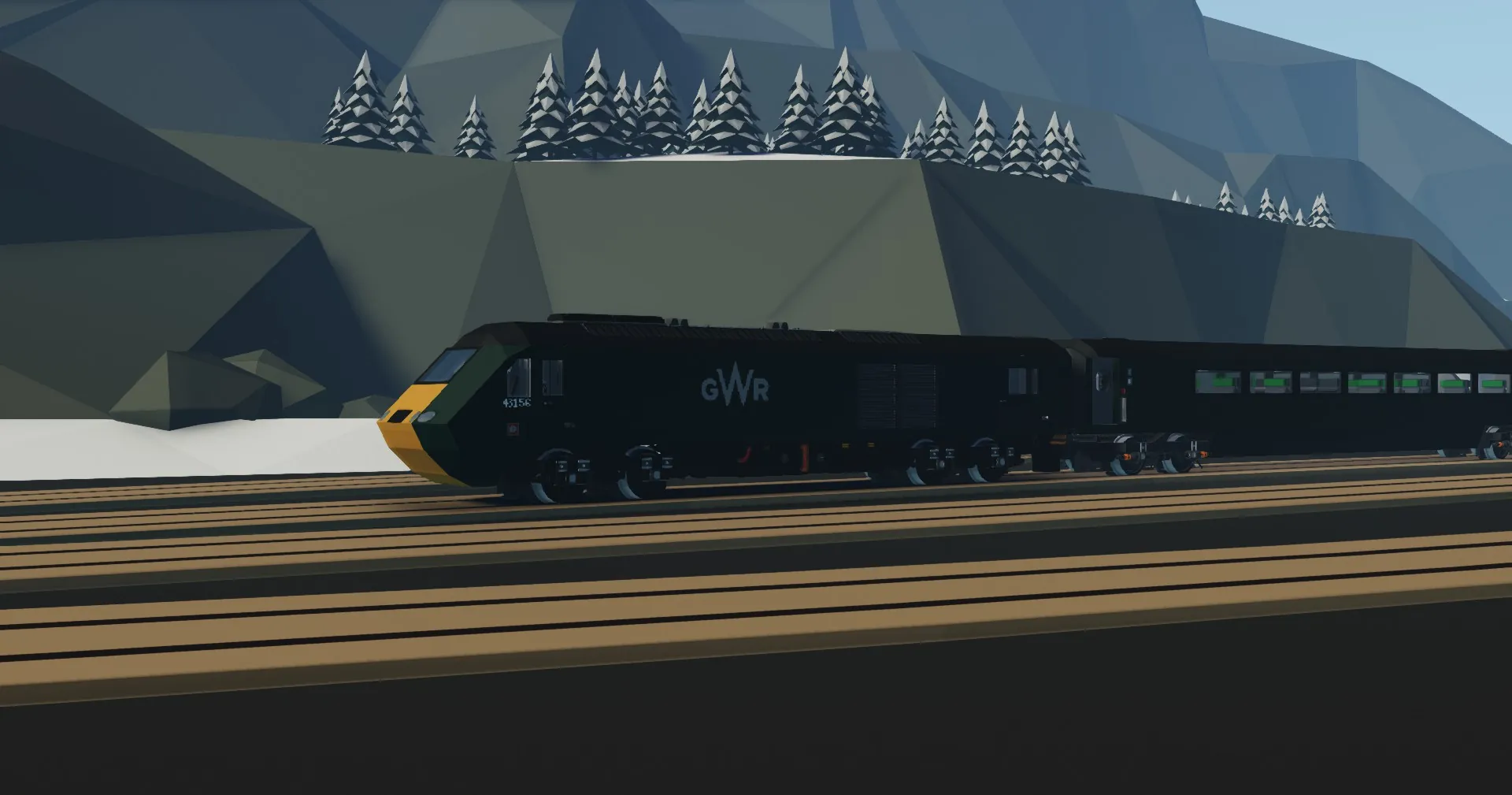
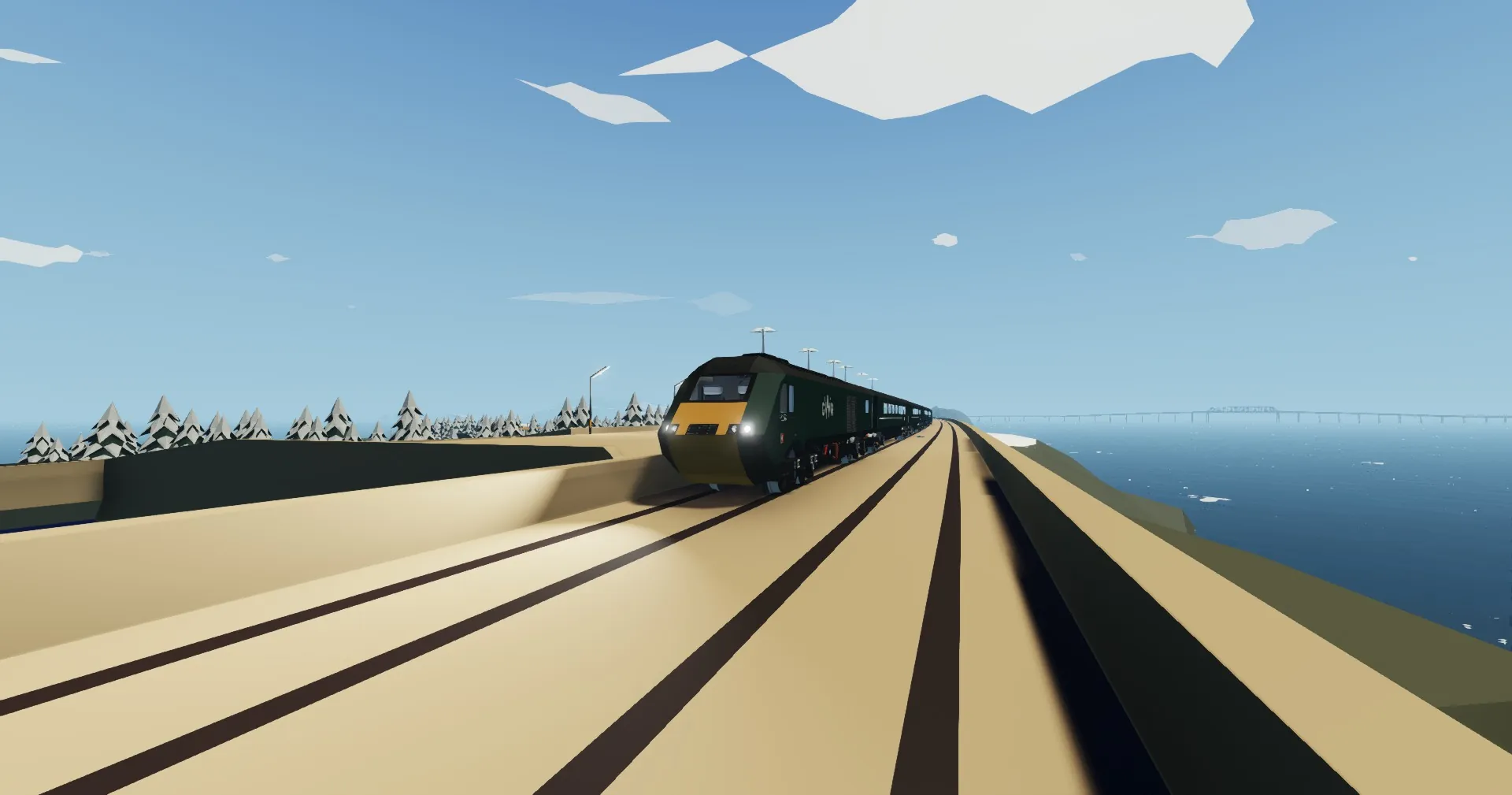
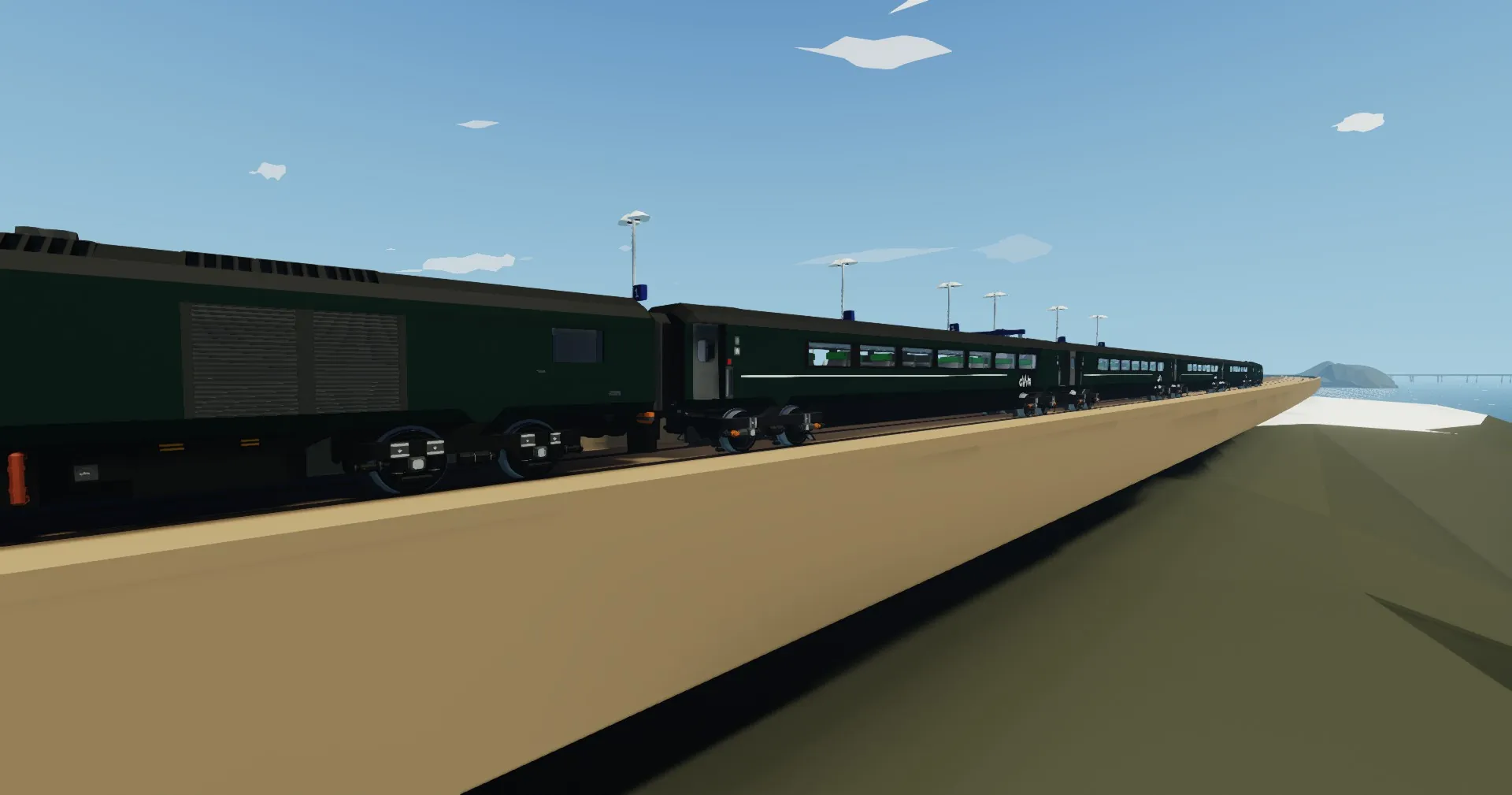
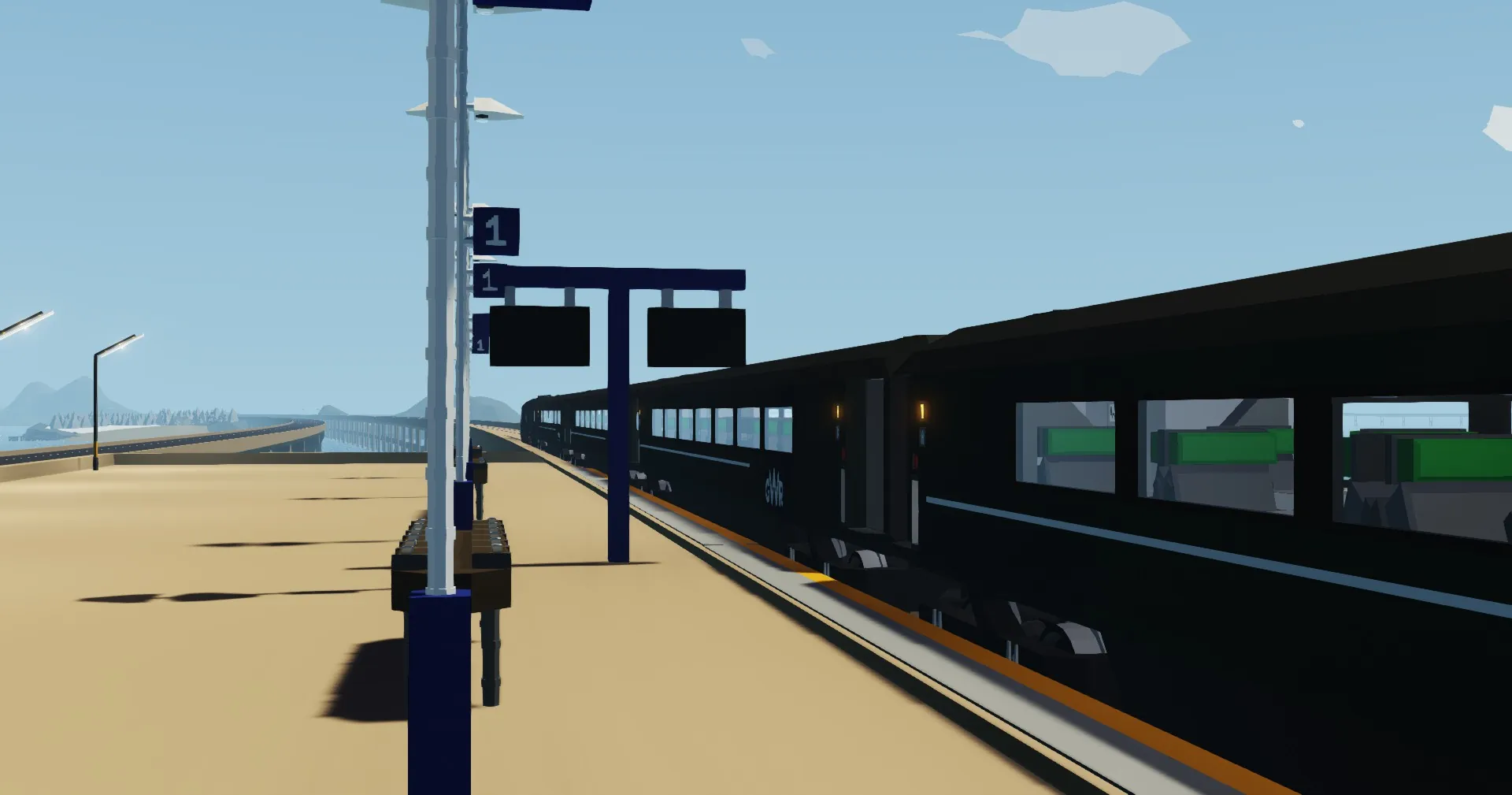
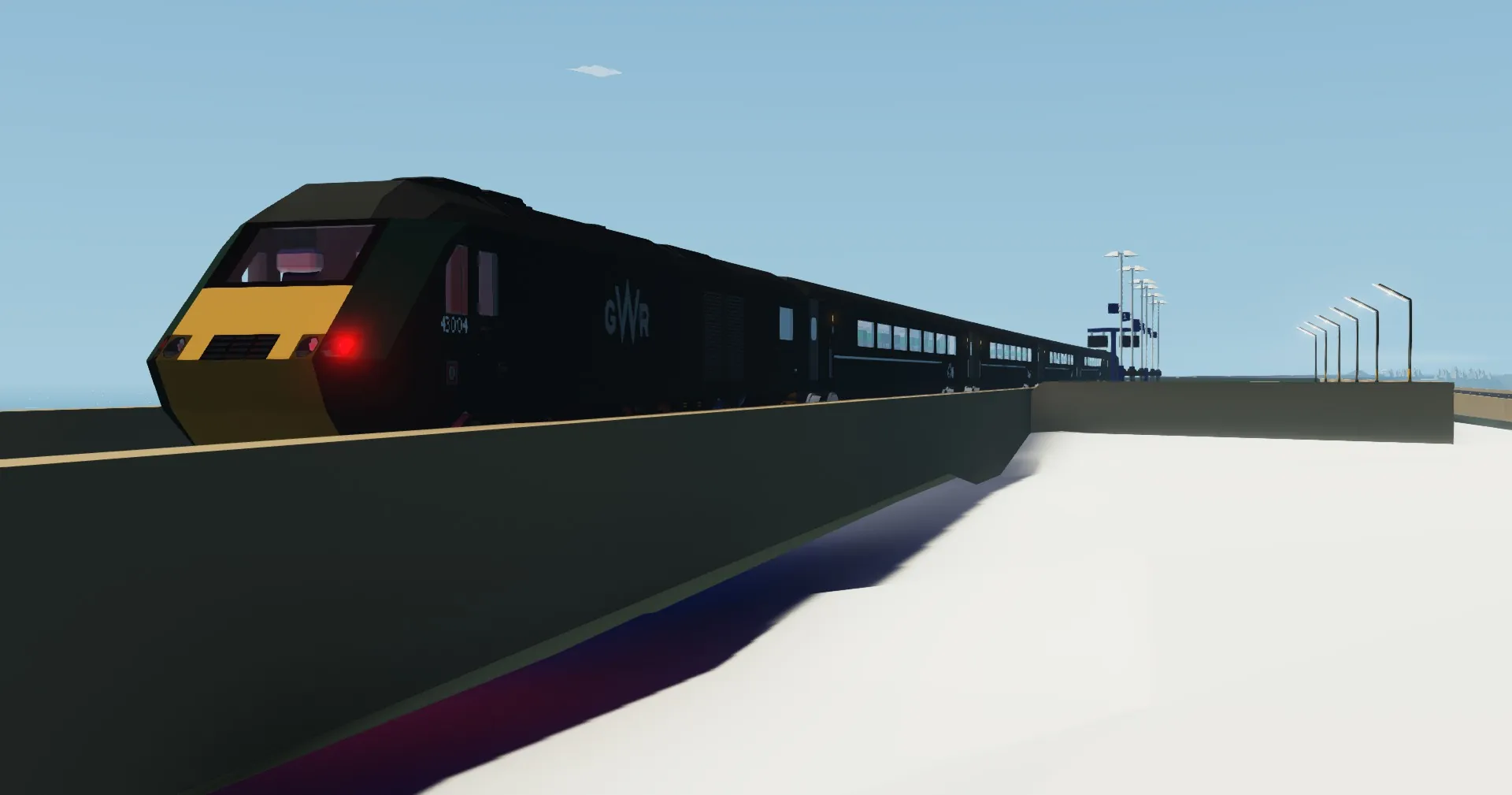
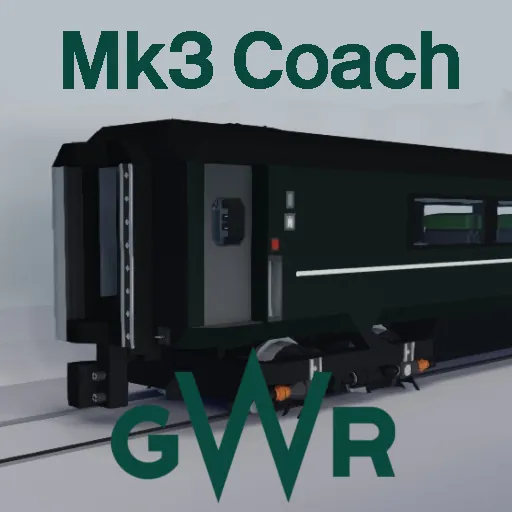
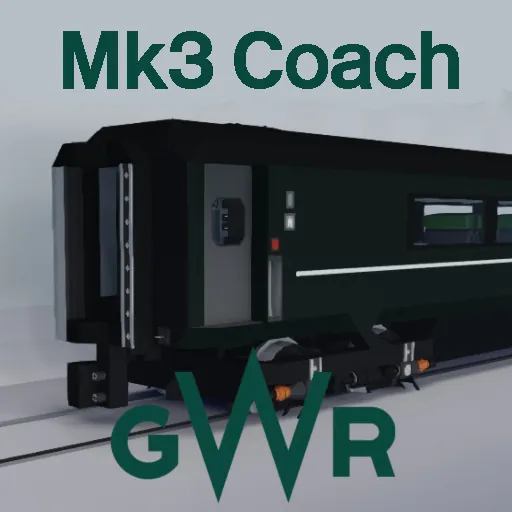
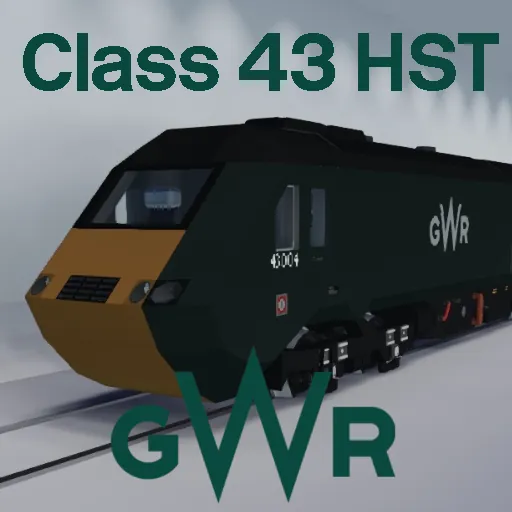
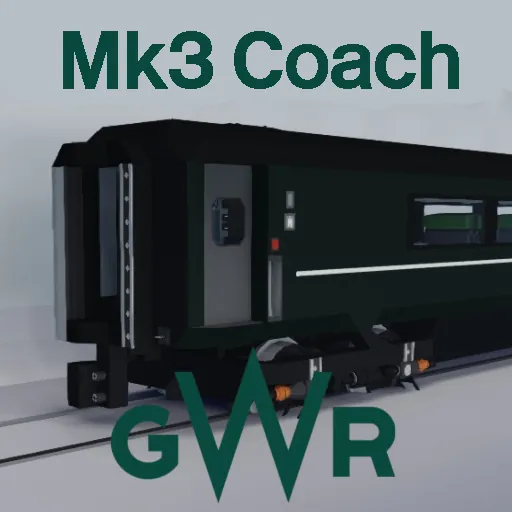
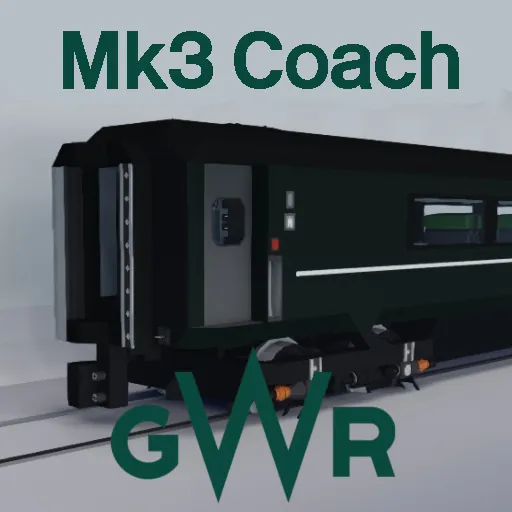
The GWR Castle Set High Speed Train (HST) was introduced in the late 2010s as a shortened and modernised evolution of Britain’s iconic InterCity 125, created to extend the life of the HST fleet on Great Western Railway services. Formed of four Mark 3 coaches sandwiched between two Class 43 power cars, the Castle sets were designed for regional and intercity routes where full-length HSTs were no longer required.
Originally built in the 1970s by British Rail Engineering Limited, the Class 43 power cars were refurbished extensively for GWR service. Upgraded MTU 16V 4000 engines replaced the original Paxman Valentas, improving reliability, efficiency, and emissions while retaining the HST’s distinctive performance and sound. The sets retained a maximum speed of 125 mph (200 km/h), maintaining the reputation of the HST as one of the fastest diesel trains in the world.
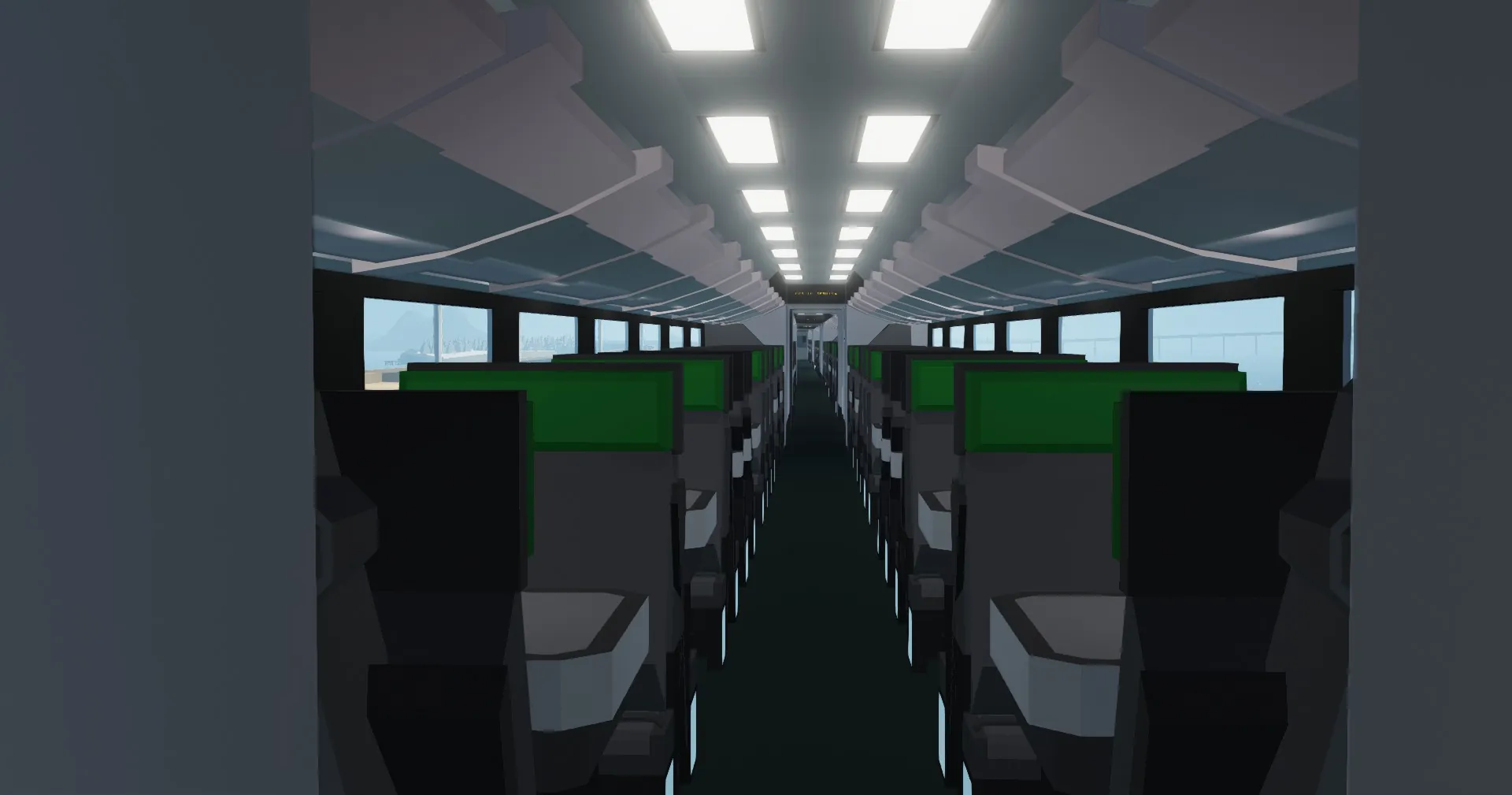
The Castle sets were named after famous Great Western castles, continuing a long-standing GWR tradition. Internally, the Mark 3 coaches were refurbished with modern seating, updated interiors, and accessibility improvements, blending classic ride quality with contemporary passenger expectations. Despite their reduced length, the trains delivered strong acceleration, smooth riding characteristics, and excellent route flexibility.
Operating primarily on services between Cardiff, Exeter, Penzance, and other regional destinations, the Castle HSTs became a popular final chapter for the High Speed Train on the Western network. Their withdrawal marks the end of over four decades of front-line HST operation with GWR, closing a significant era in British railway history.
The GWR Castle Set HST stands as a fitting farewell to the InterCity 125 legacy, an enduring symbol of British engineering, reliability, and timeless design.