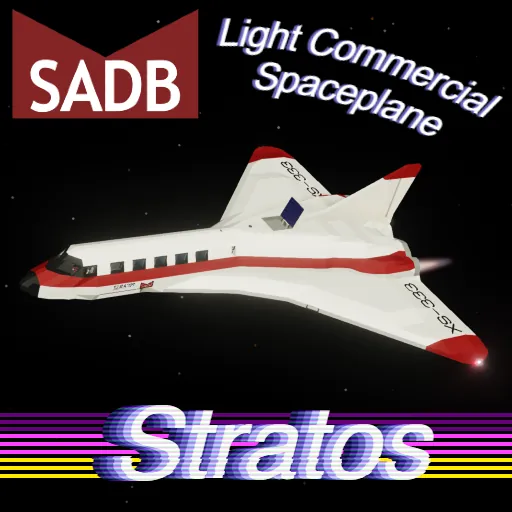
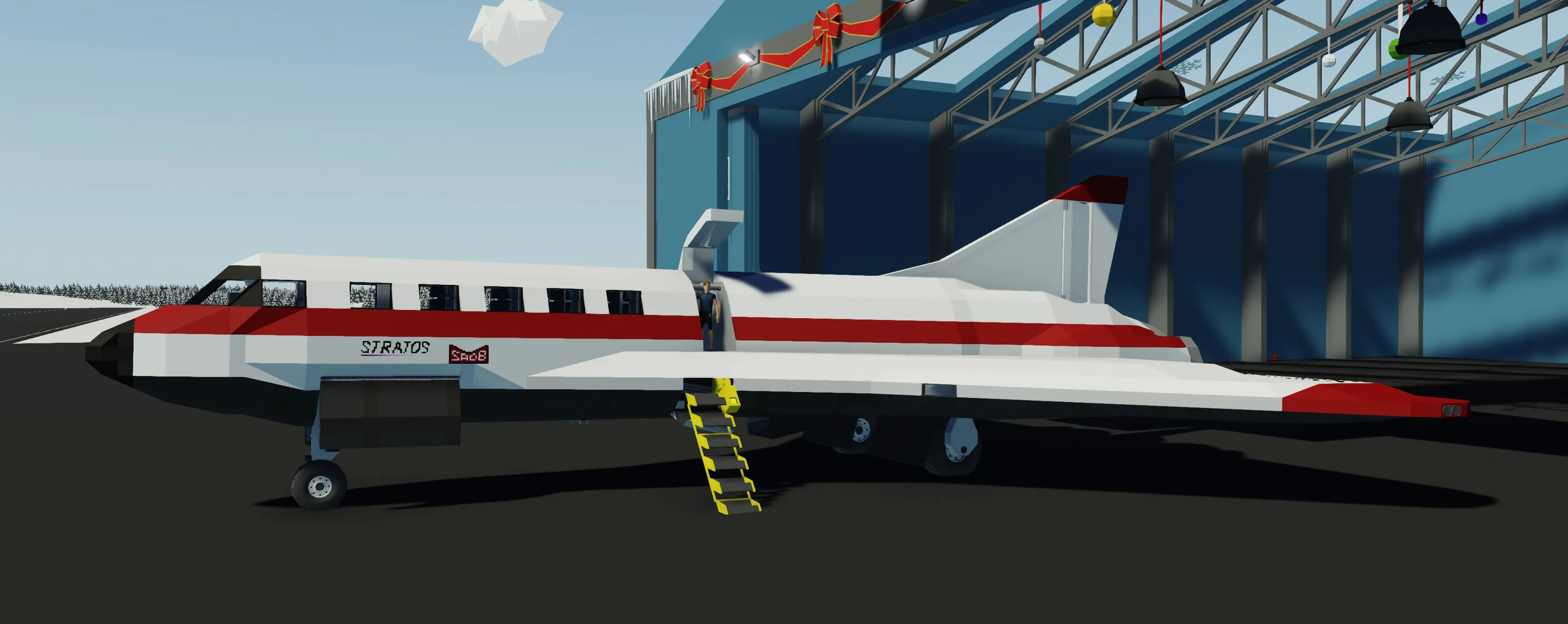
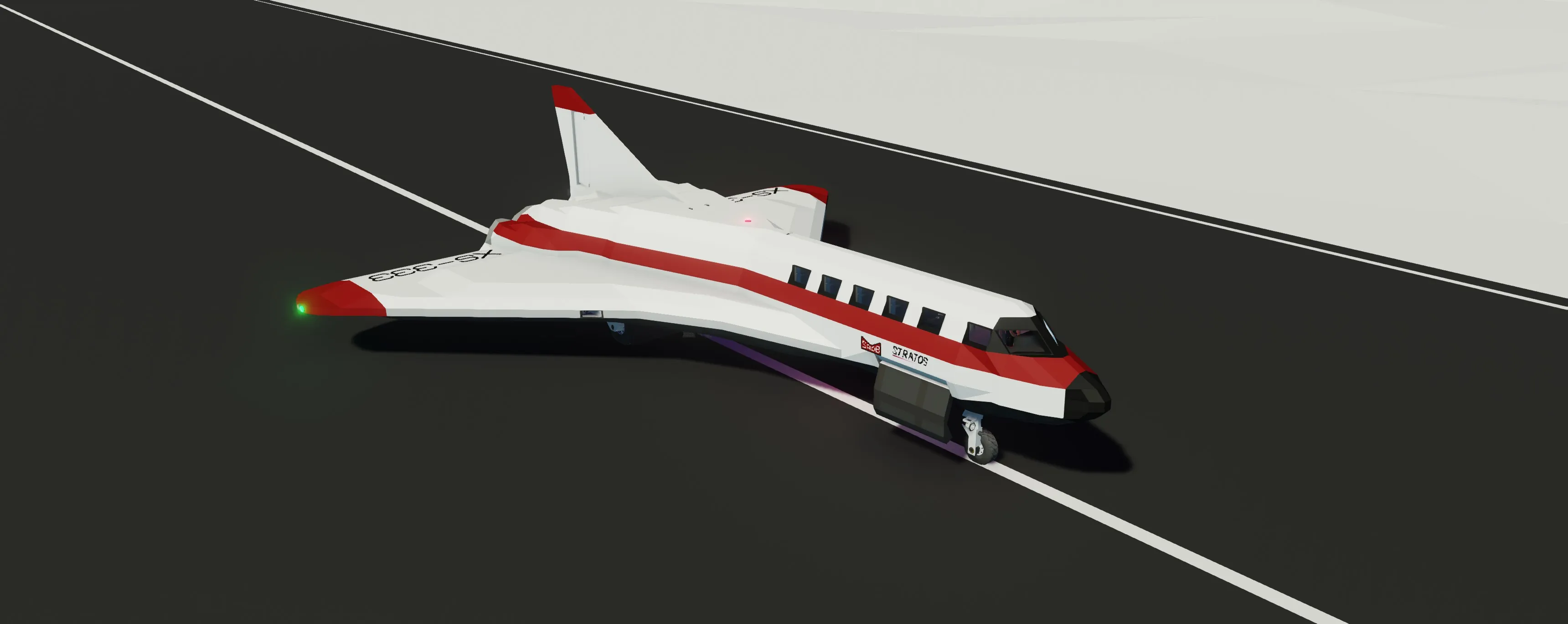
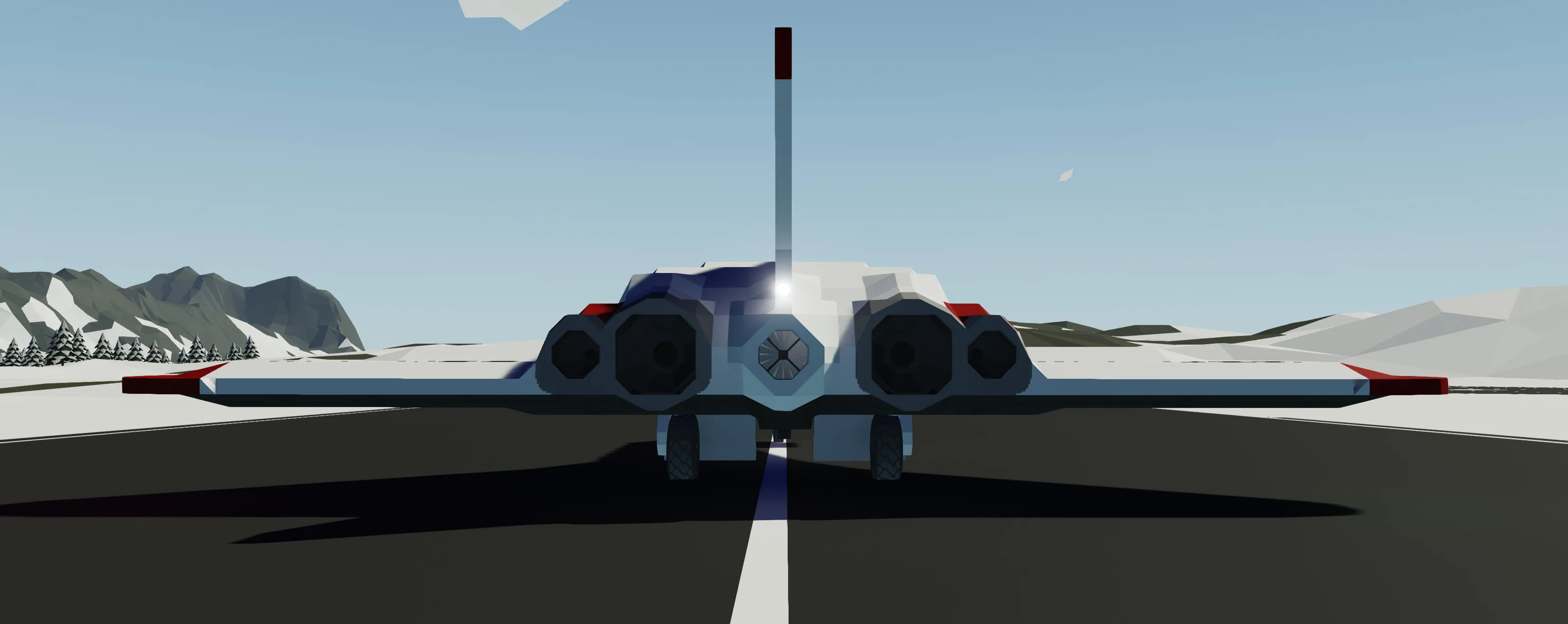
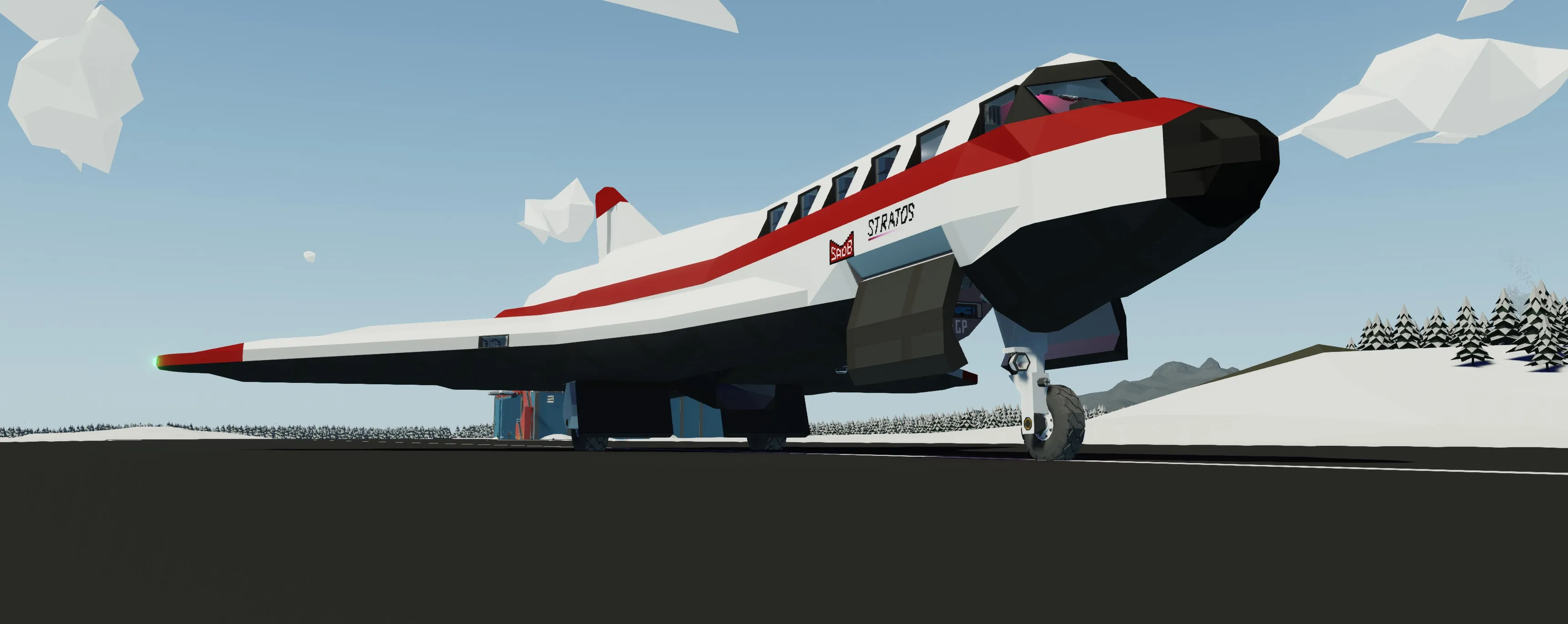
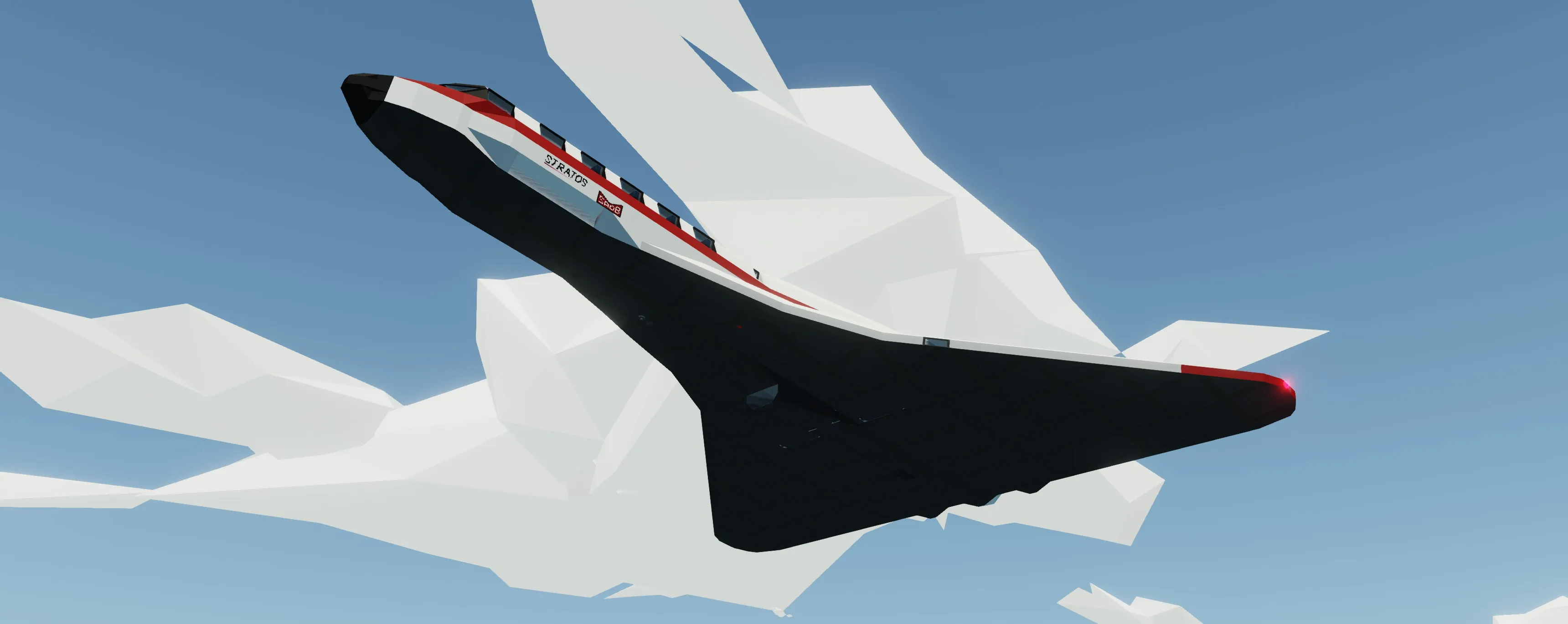
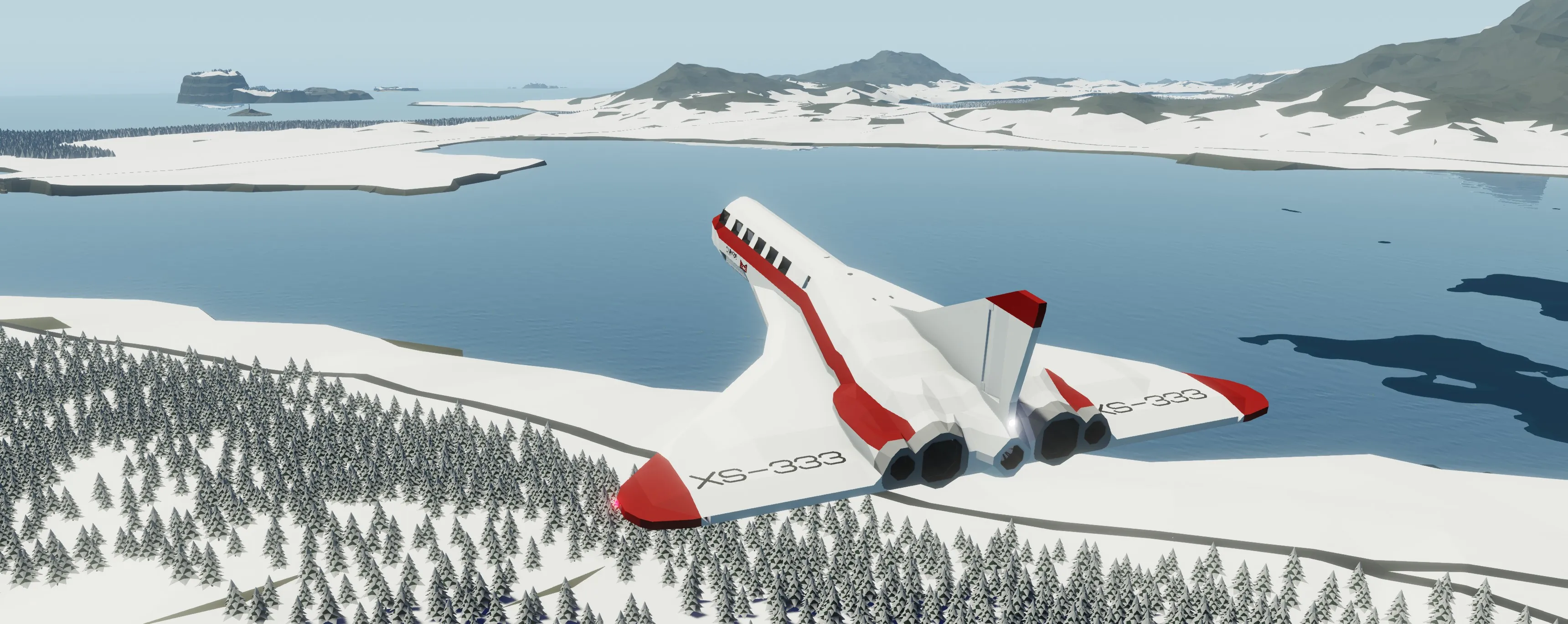
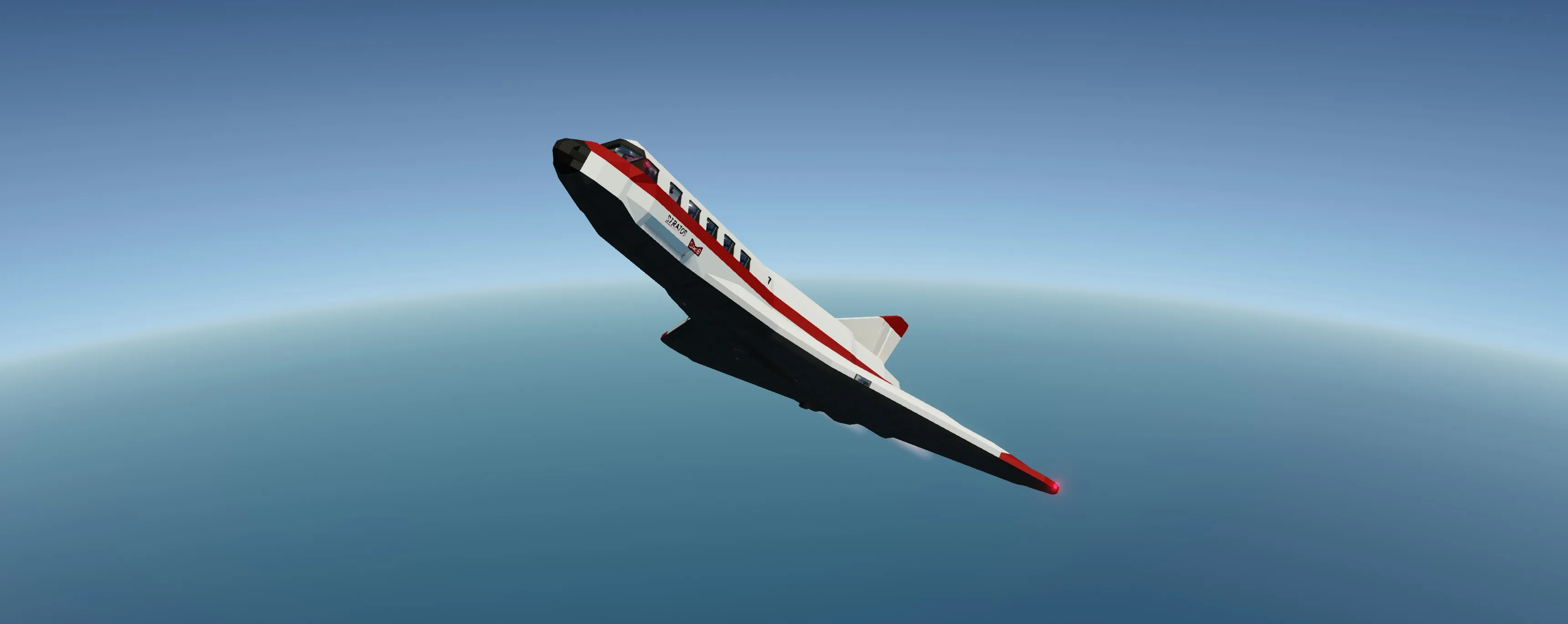
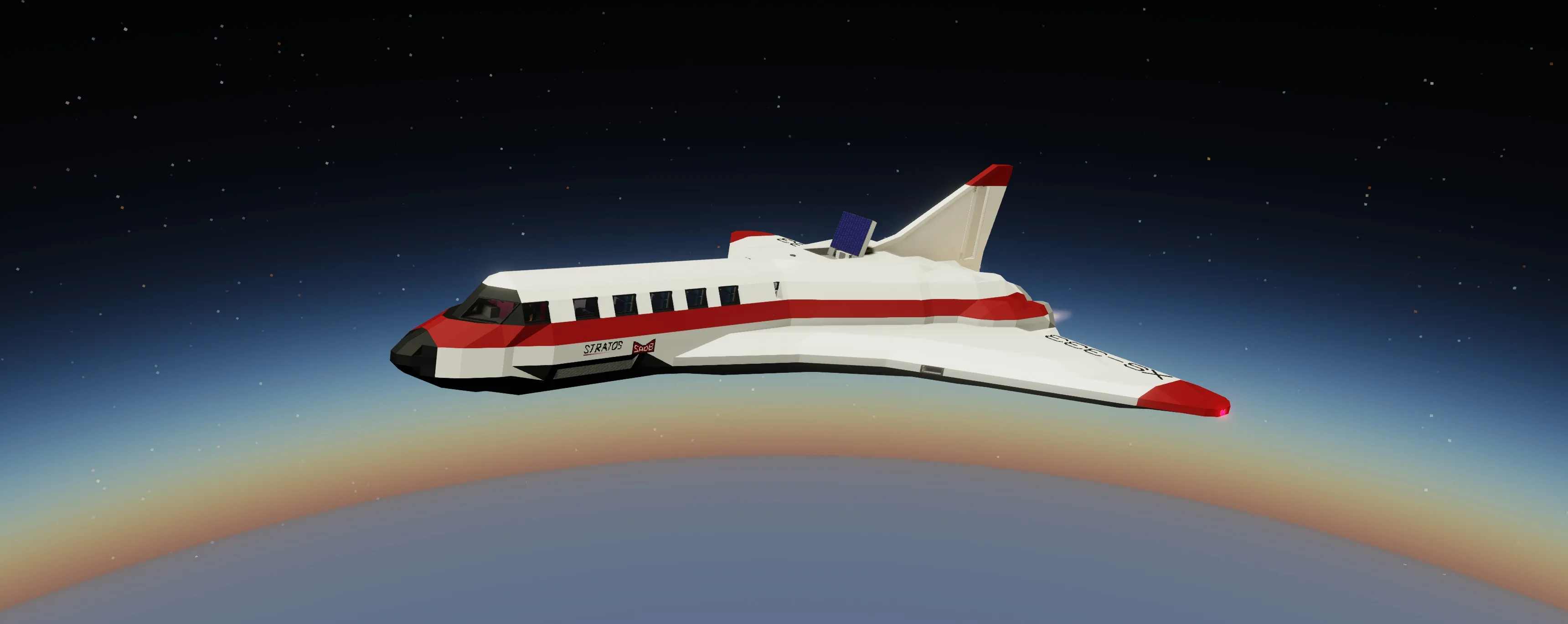
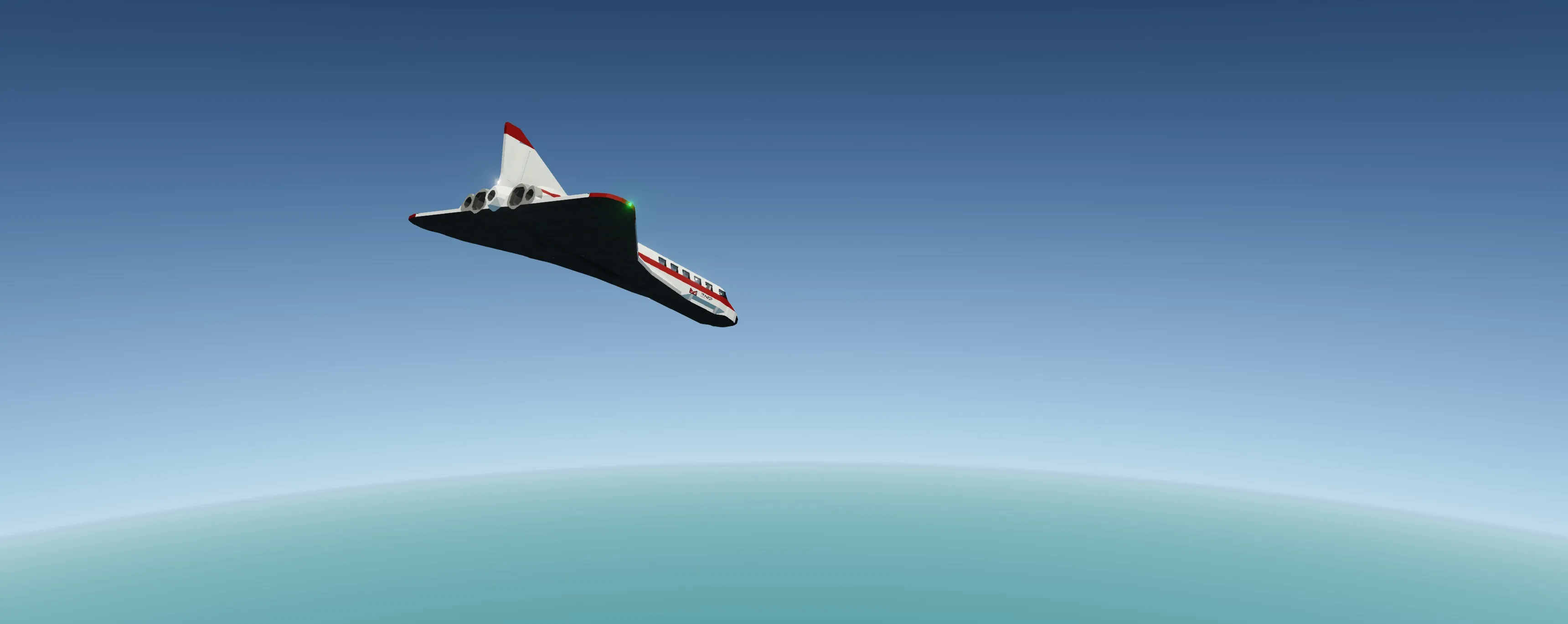
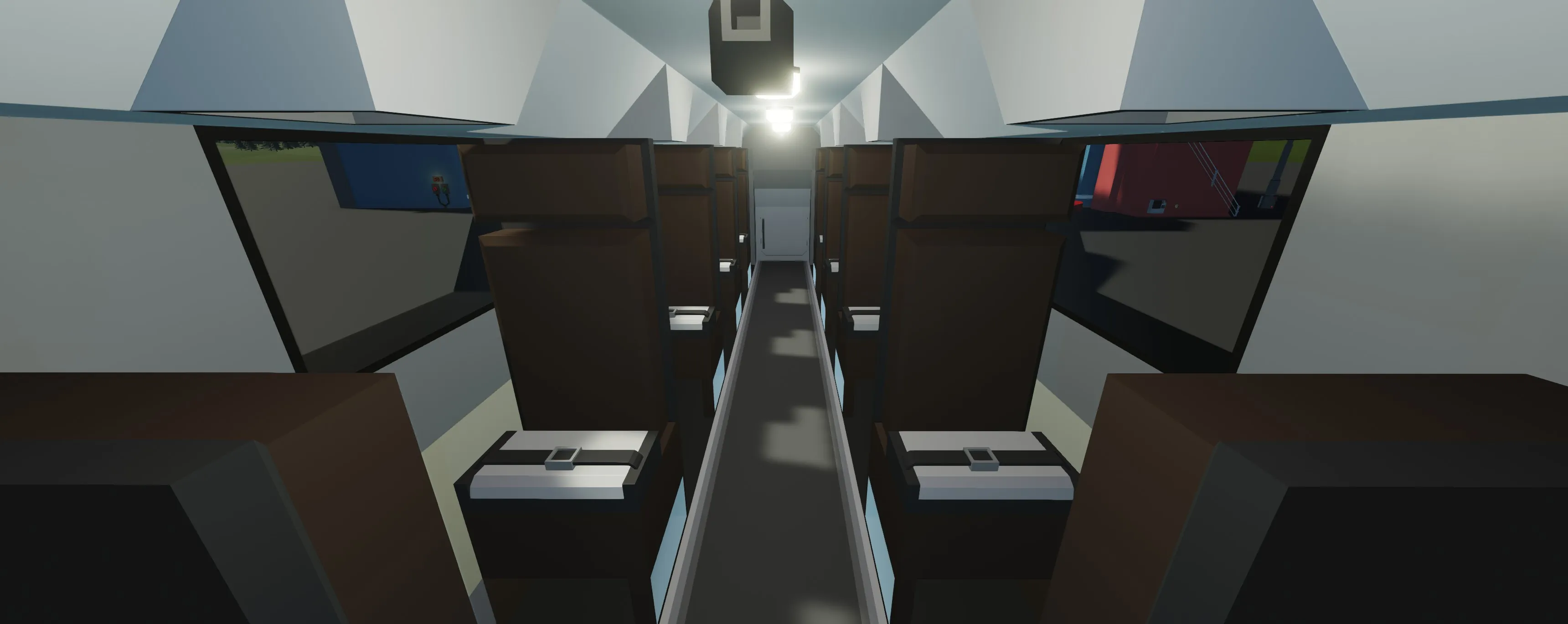
The SADB Stratos
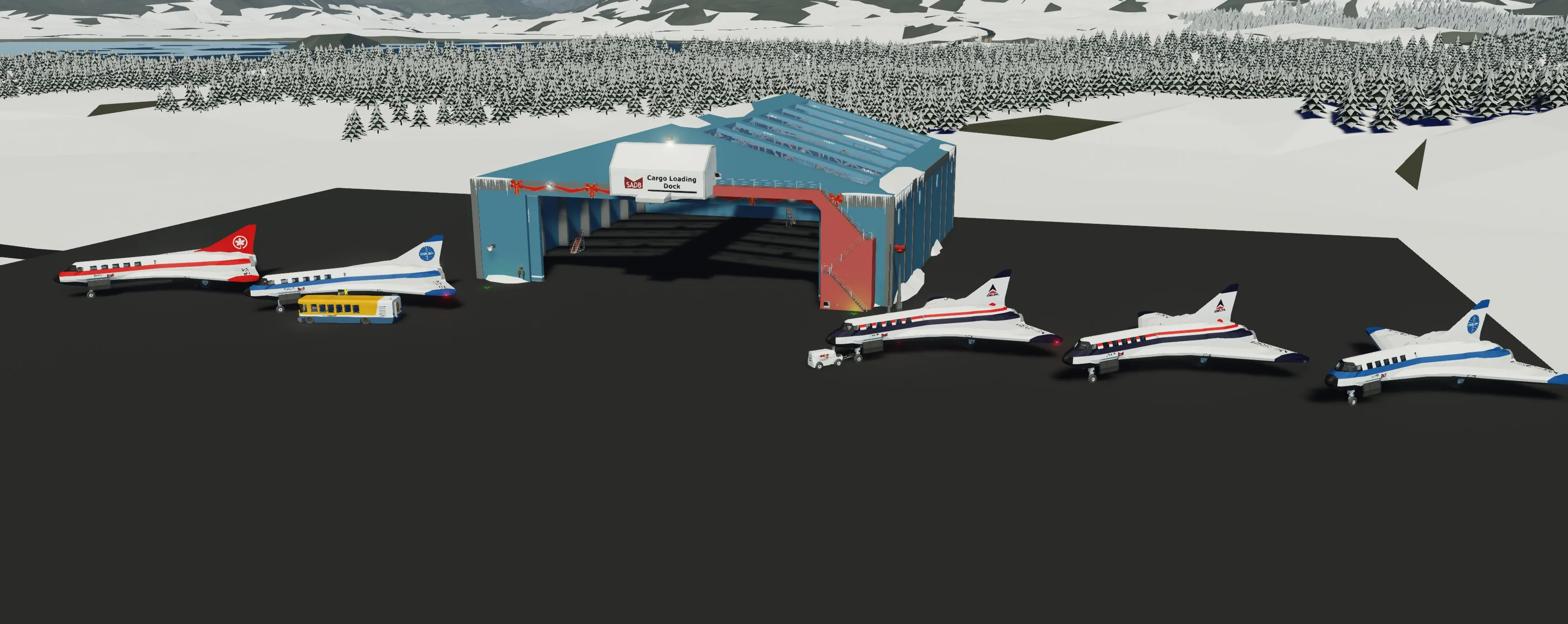
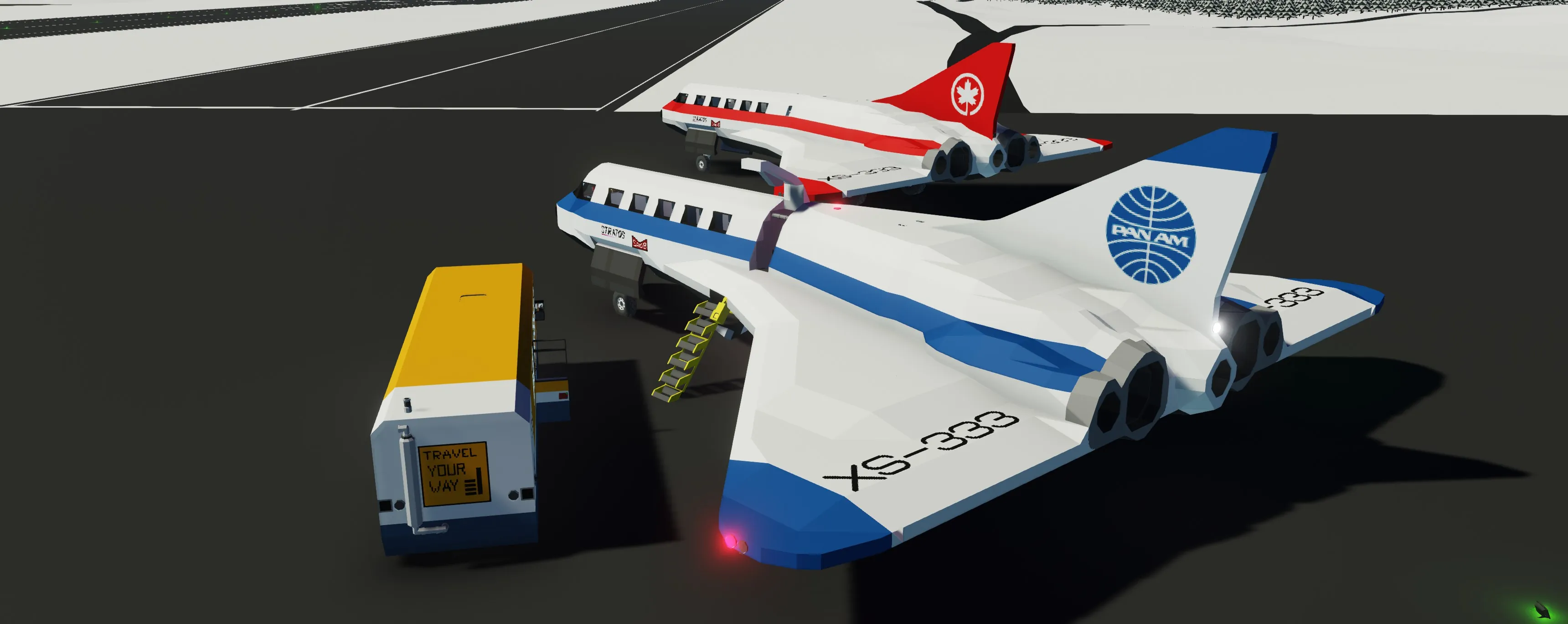
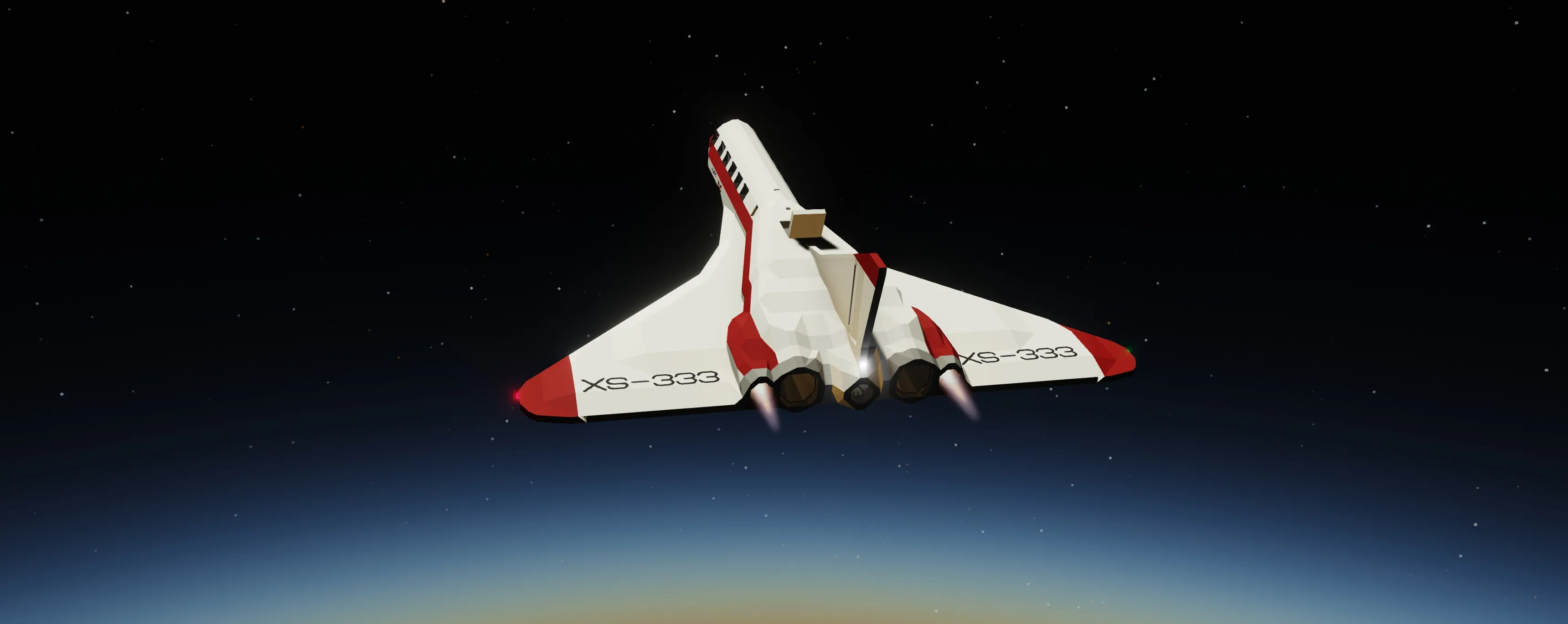
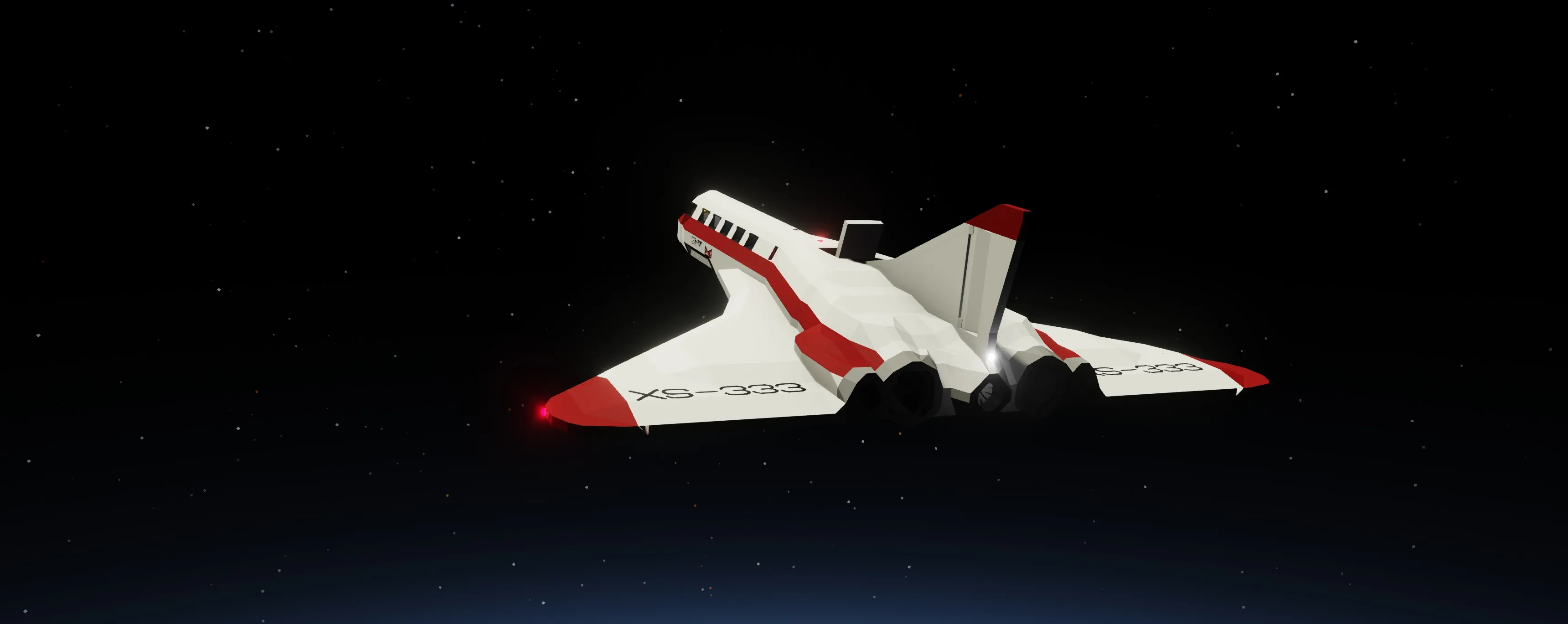
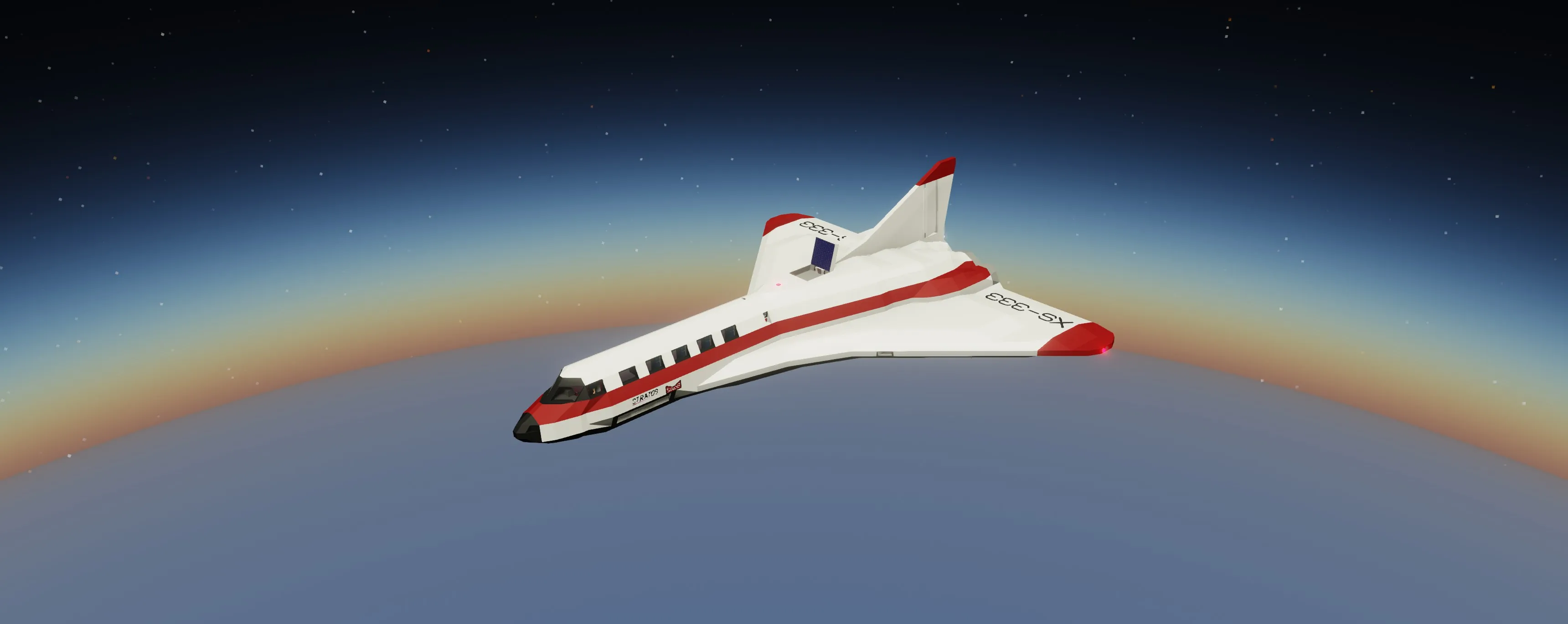
Designed in late 1982, the Stratos was designed as a faster and more advanced way to travel large distances, cutting the Saywer - Arctic travel time down into previously unreachable times by commercial aircraft. The spacecraft was operated by most major airlines, as its atmospheric efficency was unrivaled thanks to its slick and streamlined shape
Improvements from the previous Spaceplane
While the Aurora Clipper was advanced for its era, the Stratos takes a leap forward with an advanced flight control system and autopilot unit. The spacecraft constatly monitors the angular motion of the aircraft on all axis, and corrects for any unwanted inputs. The spacecrafts flight computers are set in a manner that will not allow any high G maneuvers, for the sake of passenger comfort and overall airframe structural reliability. In the event where you need the full range of controls, Disconnect the FCS using the switch on the autopilot panel. The jet duct has improved too. on the Aurora Clipper, the jet duct had to be manually retracted and only had 2 positions, while the Stratos automatically retracts the jet duct as the barometric pressure decreases. This will keep the jet safe for all circumstances.
IMPORTANT INFO
- Disconnecting the FCS is NOT reccomended, as the spacecraft is inherrantly unstable
- The spacecraft only features an ascent, heading and pitch autopilot, as any other systems would not be functional in space
- If its lagging in multiplayer, change camera twice and it should fix it (I have no clue why)
Ground ops
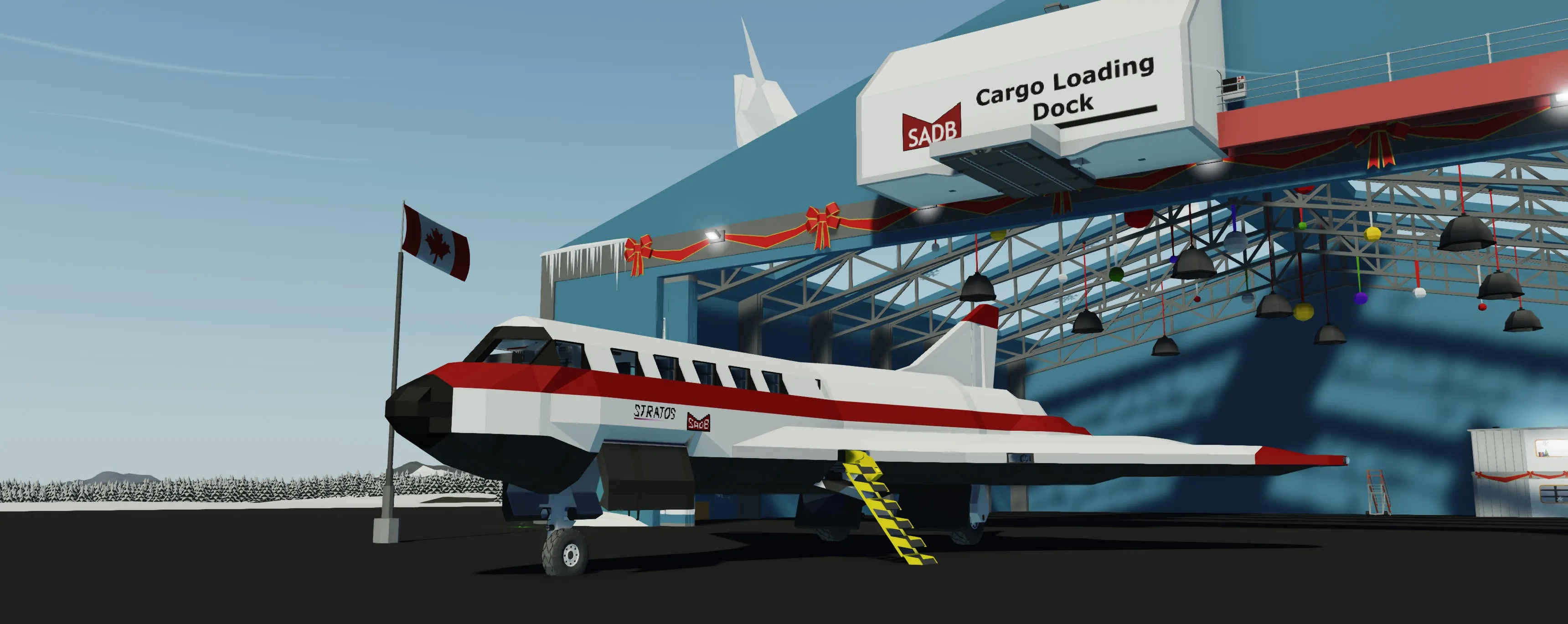
- The ladder can be accesed from the wing root on the left side. It should pre deploy when the vehicle is loaded
- Ground power is an option but is not required, but is always an option if you want to use it. you can find the connection port in the nose landing gear bay.
- For pushback if needed, there's a connector on the nose gear for towing
Engine Start
- Main battery
- Jet Fuel Systems
- Jet Starter
The jet is controlled by the throttle on the left.
Main Thrusters Operation
- Main Thruster Fuel Systems
- L Thruster Safety
- R Thruster Safety
The thrusters are controlled by the throttle on the right.
VMT (Vacuum Maneuvering Thrusters) Operation
- VMT Fuel Systems
- VMT Safety L
- VMT Safety R
The VMT is controlled by the throttle on the right.
Life Support
- Enable "LSS Main"
- Set the desired cabin temperature
The LSS will automatically vent and restore atmosphere when Co2 levels get too high, but venting can be performed manually by pressing the button on the LSS panel.
Autopilot
Heading autopilot can be controlled by using the horizontally oriented arrow buttons to set the desired heading
Pitch autopilot can be controlled by the vertically oriented arrow buttons to set the desired pitch.
Auto ascend will set the spacecraft up for a comfortable yet efficent climb to space. it's reccomended to disable this once in space
Getting to space
Getting to space in the Stratos is as easy as takeoff and landing. To do so you must;
- Enable auto ascend (optional)
- Full jet power
At ~9km of altitude switch to rockets
At ~40km disable auto ascend
Getting down & restarting the jets
Descending from space is quite simple, all you have to do is point down and thrust towards home, but restarting your jets is the tricky part.
While it may seem counter-intuitive, to restart the jets you'll have to reduce your airspeed. For reasons unknown to me, this will reduce the strain on the jet and allow you to actually start it. If the RPM is above 30 and the jet isnt starting, remember to enable the jet fuel systems.
Additonal notes
Rocket thrusters do not work without the space DLC
This spacecraft will still be getting improvements as I find more things to make better.
enjoy!
Updates
2026 / 01 / 02 - Overhauled interior paint and added oxygen masks for passengers
2026 / 01 / 02 - Finished Interior overhaul by adding a digital readout in the cabin
2026 / 01 / 03 - Added cockpit backlights, refueling ports and a cockpit heater